#season-1-highlights
#season-1-highlights
[ follow ]
#heated-rivalry #netflix #season-2 #television #paradise #character-development #science-fiction #ensemble-cast




fromEsquire
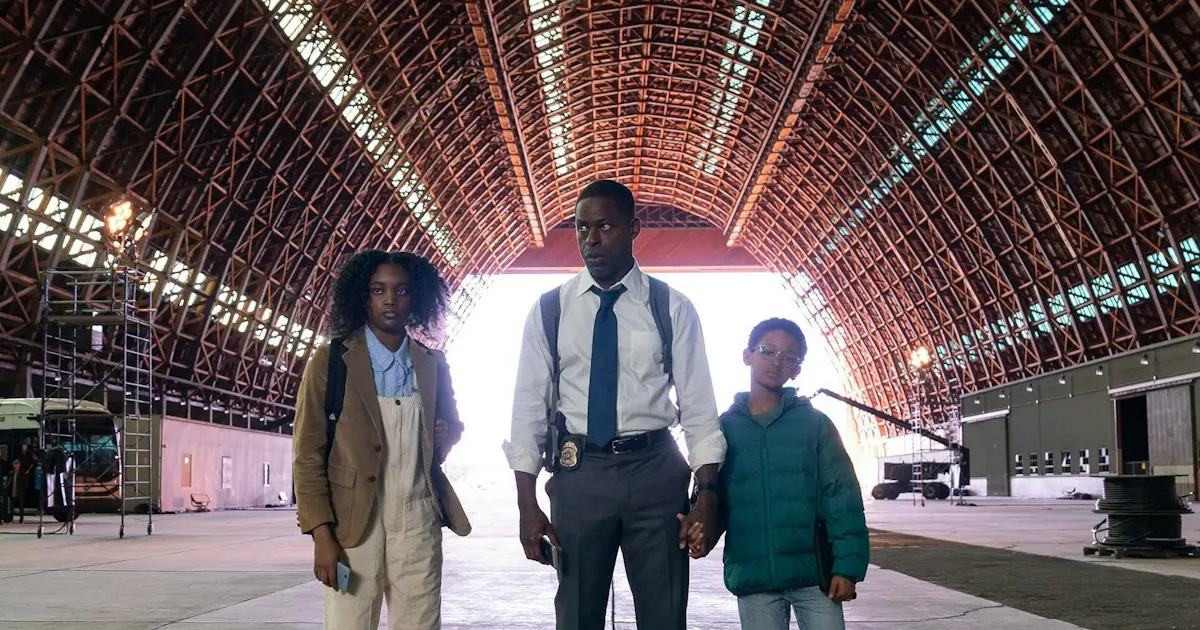
2 weeks ago'Paradise' Episode 6 Gives Us the Origin Story We've Been Waiting For
From the minute she enters the world, she has a mother who hates her and strangers trying to kill her. I'm actually still trying to make sense of the episode's prologue: Set in 1997, a random Circuit City employee gets a cryptic message on his Windows 95 PC ordering him to kill Jane, who is less than a day old, before she grows up into a major threat.
Television
fromVulture
3 weeks agoRooster Recap: Super Swooper
Whenever Steve Carell isn't on screen, my brain is just incessantly asking when he's coming back. I'm sure the ensemble characters will eventually be captivating in their own right, but as for now, I just want him on my screen at all times. There's a reason that the coveted Ludlow weathervane has a rooster on it, am I right?
Television
fromThe Nation
3 weeks agoThe Fictitious Capital of HBO's Industry
In the fourth season of Industry, everyone has a story to sell: a neutered fund or loveless marriage, shamed husbands, a life aimless after retirement, a payment-processing firm hampered by its ties to porn and sex work. These labels seem to indicate mistaken priorities or misplaced trust. But they are just narratives to be refined or redefined. Everything is up for grabs if you tell the right story.
Television
fromSlate Magazine
2 months agoThe Mania Surrounding TV's Breakout Hit Has Been Glorious-Except for One Worsening Problem
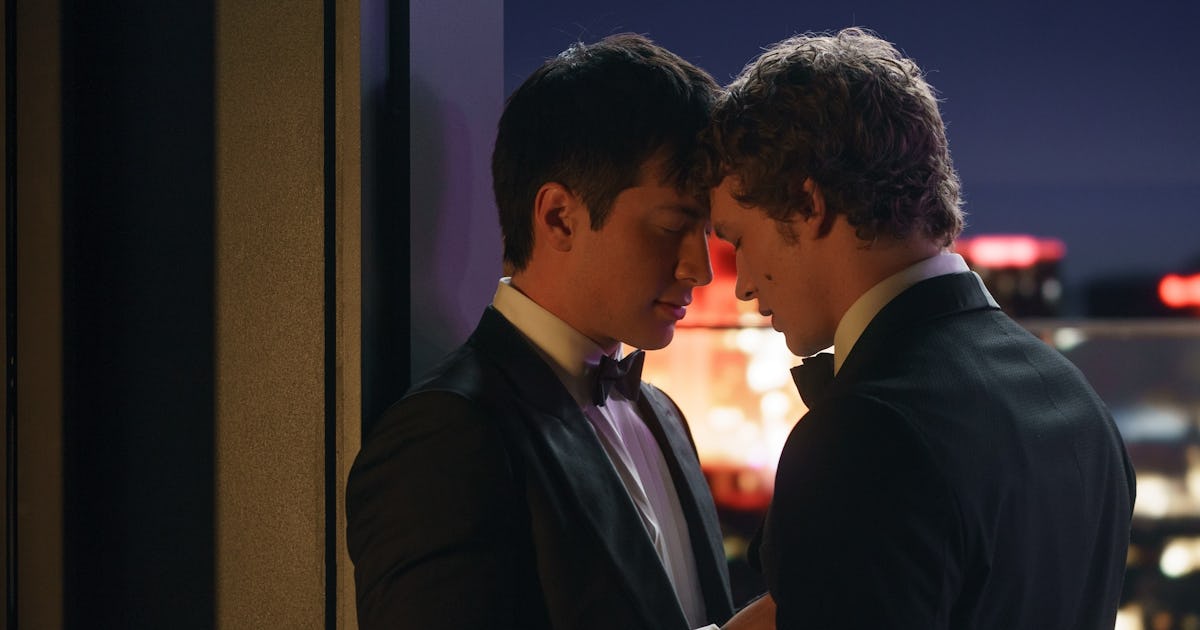
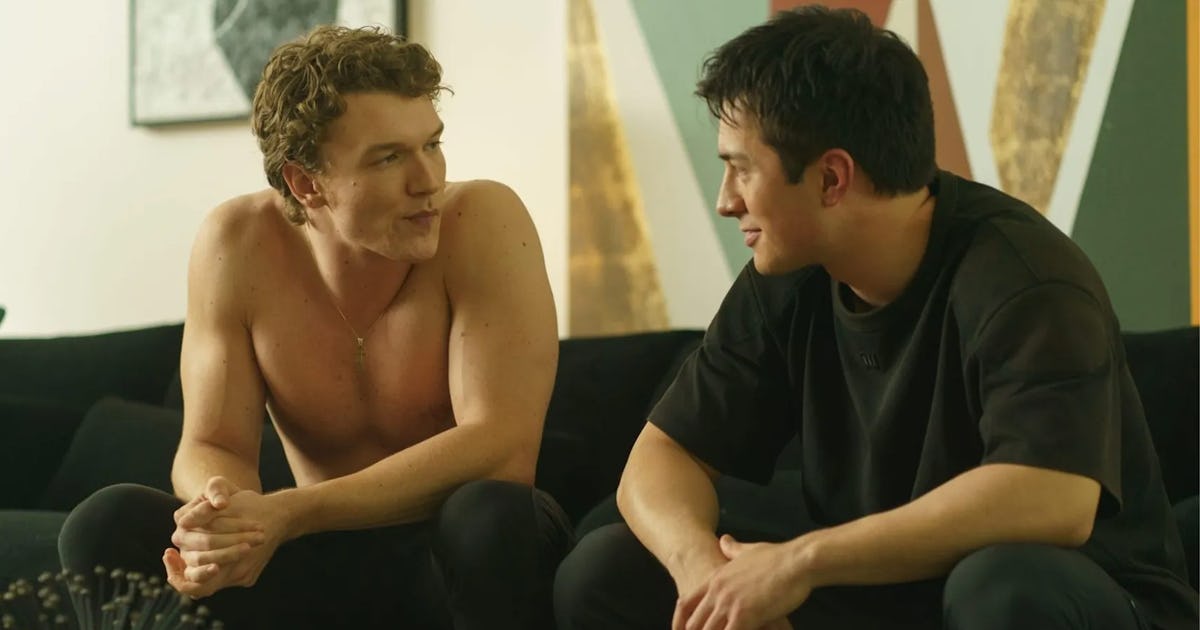
The story of Heated Rivalry, the gay hockey romance that went from a small-budget Canadian production to a streaming hit and global phenomenon, feels like a fairy tale in many ways. The show, which is based on Rachel Reid's Game Changers novels, has reportedly drawn an average of 9 million viewers per episode on HBO Max in the United States since it debuted last November, making it one of the streamer's top scripted shows of the year.
LGBT


#post-apocalyptic-drama
Television
fromEsquire
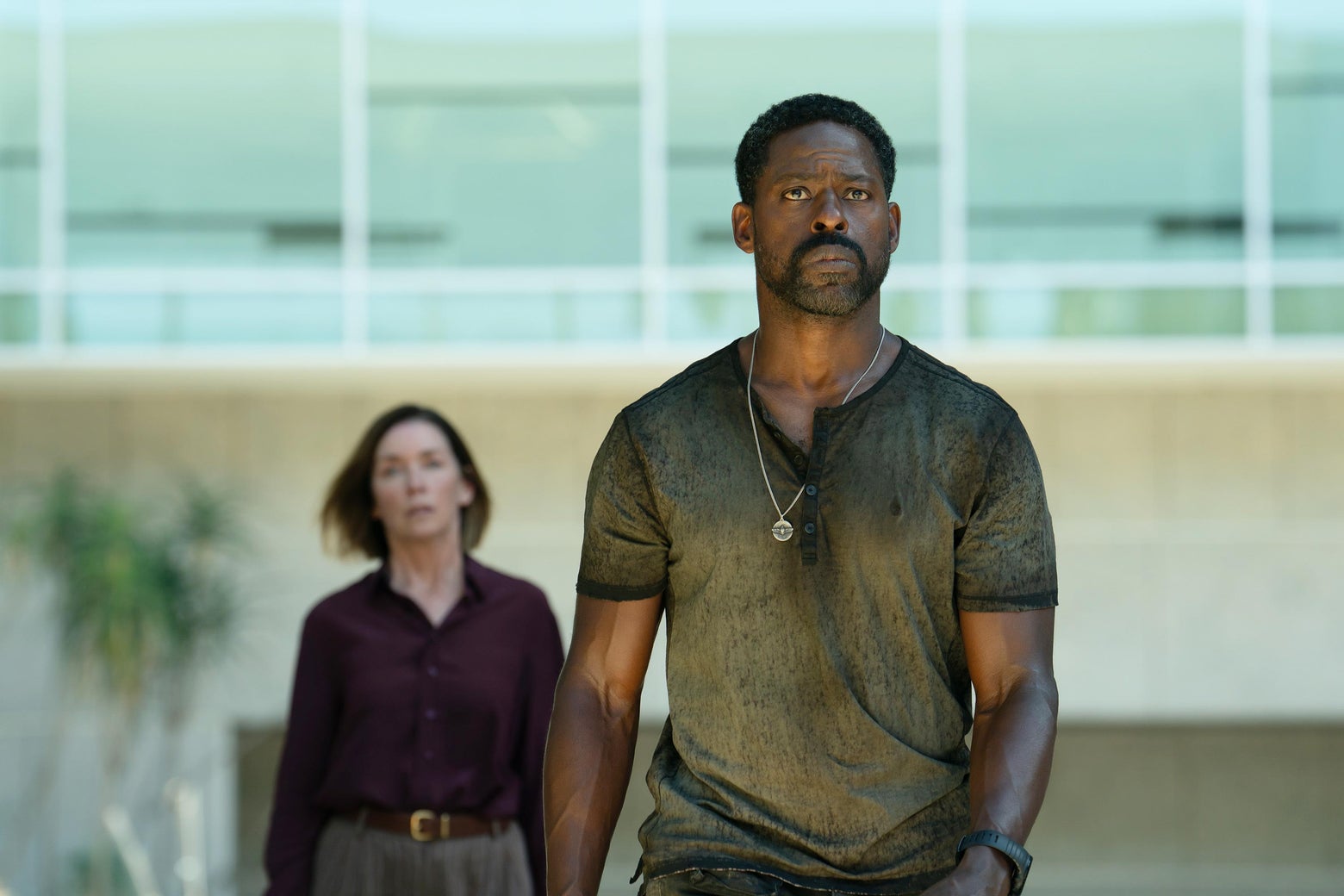
3 weeks ago'Paradise' Episode 5 Will Make You Fear What's Next
Paradise demonstrates strong post-apocalyptic storytelling by balancing emotional depth with character-driven narratives, following Gary the mailman through the supervolcano eruption and his moral choices in a fallout shelter.

Television
fromEsquire
3 weeks ago'Paradise' Episode 5 Will Make You Fear What's Next
Paradise demonstrates strong post-apocalyptic storytelling by balancing emotional depth with character-driven narratives, following Gary the mailman through the supervolcano eruption and his moral choices in a fallout shelter.
fromThe Atlantic
1 month agoThe Most Sickening Twist in Industry Is Also Its Most Insightful
Whereas other characters are cold and sharklike, Yas feels her way through the world-and uses her vulnerability to manipulate others. Being born into wealth taught her that none of us is in command of our fate, so we had better cheat for whatever control we can. She's the statuesque girlboss for the new gilded age.
Television


Television
fromwww.theguardian.com
2 months agoI have rewatched the show more than 60 times': your favourite comfort TV
Television programs offer comfort, escapism, humor, and emotional refuge through witty comedies and reassuring documentaries, becoming personal favorites across diverse viewers and life circumstances.
Television
fromwww.theguardian.com
2 months agoEternally spellbinding': the TV shows that baffle you but you can't get enough of
Catterick, Monkey Dust, The OA, and Mrs Davies deliver surreal, darkly comic, and increasingly bizarre narratives blending crime, dreamlike animation, sci‑fi, and oddball humor.
fromScary Mommy
1 month agoThe 12 Best Rewatch Shows On Streaming For Your Next Anxiety Binge
There's so much going on in the world, in our country, and hell, in our own work and family lives. Just because the headlines are straight out of a dystopian novel doesn't mean your kids stopped needing you to help with their homework. When our days are full of so many demands, no wonder we feel hyped up and anxious by the time the kids are in bed.
Television
fromVulture
2 months agoLandman Recap: Be an Adult
In many serialized dramas, the climax of a given season lands in the penultimate episode; think of the dramatic battles and major character deaths of Game of Thrones or, further back, The Sopranos and The Wire. But Landman isn't like most dramas. Tonight's penultimate episode of season two feels like an anti-climax - not just a letdown generally, but the diametric opposite of a climax.
Television
fromScary Mommy
2 months agoWhen Is 'Pluribus' Season 2 Coming? Here's The Latest
There are few shows that leave me hungry - no, starving - for more like Pluribus did. The hit Vince Gilligan Apple TV show, starring Rhea Seehorn as one of the few survivors of a virus that turns the entire world into happy, one-minded, sentient beings, is so damn smart and funny and bold. Seehorn, already winning awards for her role as writer Carol Sturka, is a vulnerable, generous actor who never seems to hold back - and I think we're all desperate for more.
Television
fromThe Atlantic
1 month agoA Prequel TV Series That Surprises Viewers
The television show I'm most enjoying right now: There is a Hollywood story in David Niven's autobiography Bring on the Empty Horses, in which the screenwriter Charles MacArthur asks Charlie Chaplin how to make the comic pratfall scene of a person slipping on a banana peel new again. Chaplin suggests that MacArthur start with a lady walking down the street and cut to a shot of the banana peel on the sidewalk, which the lady steps over-right before she falls down a manhole.
Television
fromPinkNews | Latest lesbian, gay, bi and trans news | LGBTQ+ news
2 months agoSix differences between the Heated Rivalry book and the hit show
The hit ice hockey romance is based on Rachel Reid's steamy novel, which is widely sold out. Like the book, the show follows the rivals-to-lovers story of Ilya Rozanov ( Connor Storrie) and Shane Hollander ( Hudson Williams). On the ice, they're fierce rivals, but their connection is just as passionate - in a different way - in private. Here are just some of the major changes that were made from the book to the screen:
Television
[ Load more ]