#second-temple-rededication
#second-temple-rededication
[ follow ]
#al-aqsa-mosque #passover #jerusalem #palm-sunday #west-bank #ibrahimi-mosque #hebron #israeli-settlements


Science
fromMail Online
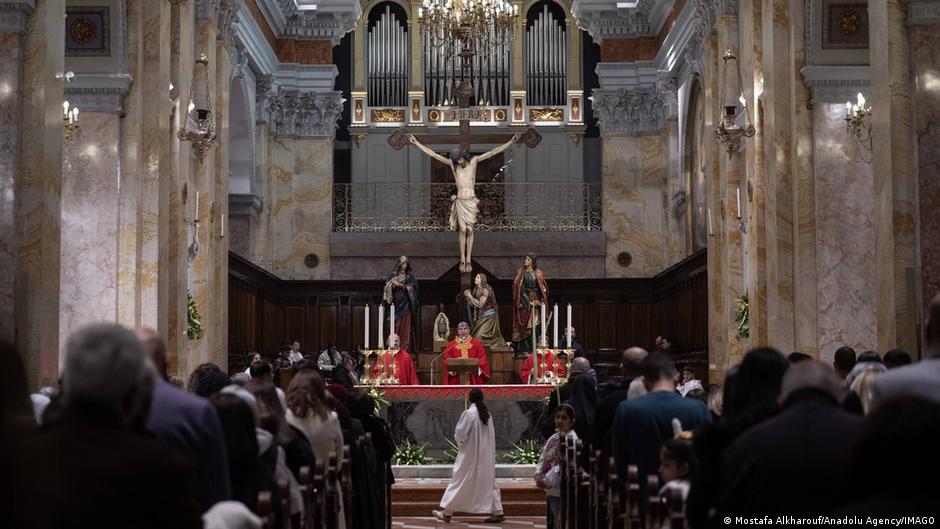
1 month agoBiblical earthquake during Jesus' crucifixion confirmed
A 2012 geological study found seismic evidence near the Dead Sea suggesting earthquakes occurred around 31 BC and between 26-36 AD, potentially supporting the Gospel account of an earthquake during Jesus' crucifixion.
World news
fromwww.theguardian.com
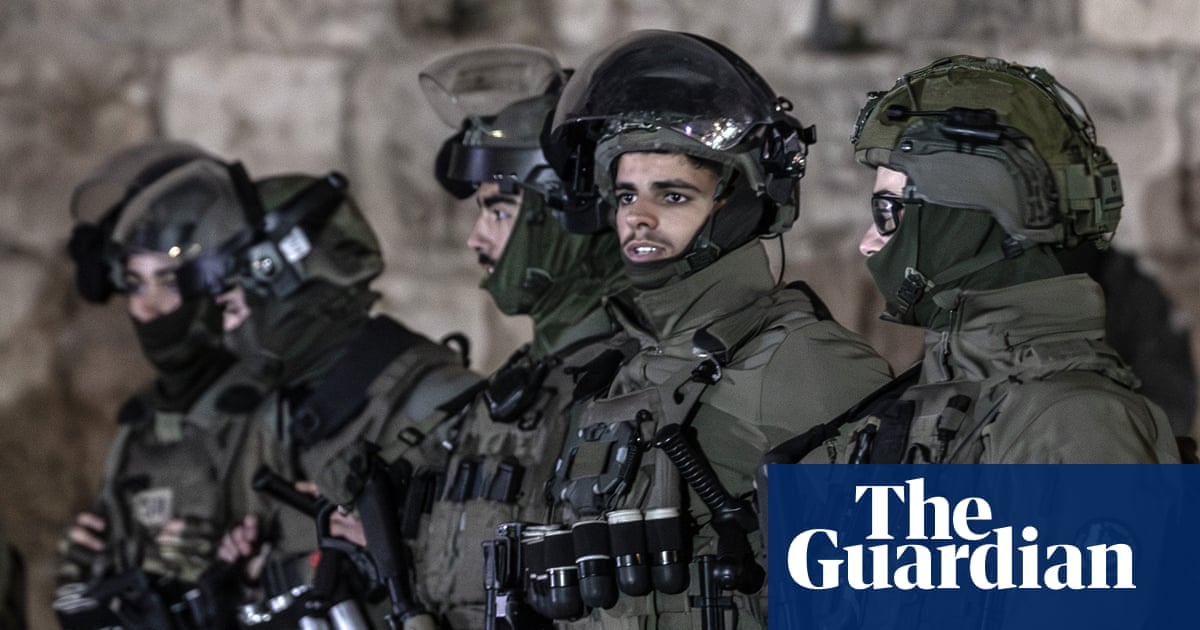
1 month agoAl-Aqsa is a detonator': six-decade agreement on prayer at Jerusalem holy site collapses
A six-decade status quo at Jerusalem's Al-Aqsa/Temple Mount collapsed amid arrests, bans, and far-right-backed Jewish extremist incursions, raising risk of regional unrest.
History
fromOpen Culture
1 month agoThe Dead Sea Scrolls: Discover the Secrets of the Bible's Oldest and Strangest Texts
Dead Sea Scrolls include the oldest known biblical manuscripts, diverse texts (biblical, apocryphal, sectarian, unknown) that complicated but did not completely upend understanding of Christianity.
fromPadailypost
2 months agoMenlo Park Menorah Lighting, First-of-Its-Kind Hanukkah Celebration Sends Powerful Message
It was less than 24 hours after the news of a horrifying attack at a similar Menorah lighting in Sydney's Bondi Beach reverberated around the globe when Menlo Park's Jewish community gathered in Fremont Park to light the Menorah. Together, those assembled had the victims across the ocean in mind and prayed for them to find healing and comfort. The message of the Menorah has always been the resilience of light, and its message could not have been more relevant for a day which bore such difficult news.
California
fromSun Sentinel
2 months agoA century-old synagogue building in Brooklyn was slated for demolition. Now it could be used again.
Officially known as Congregation Chaim Albert but known colloquially as the Kingsbrook Synagogue, the synagogue was part of a Jewish hospital founded in 1928 in response to antisemitism in nearby hospitals and to meet the needs of local Jewish patients. For nearly 100 years, the synagogue has served Jewish hospital patrons and residents in the surrounding neighborhood of East Flatbush and Crown Heights.
New York City
World news
fromThe Art Newspaper - International art news and events
1 month agoBill aimed at giving Israel control over all West Bank heritage sites sparks concern
Bill would establish Israeli civilian authority over West Bank antiquities, granting sweeping powers including land expropriation and council appointments, raising legal and political concerns.
fromMedievalists.net
1 month agoWhy were pseudo-Arabic inscriptions placed on churches in Greece?, with Alicia Walker - Medievalists.net
A conversation with Alicia Walker on the pseudo-Arabic inscriptions (or pseudo-kufic) that appear on a number of tenth- and eleventh-century churches in Greece, most notably at the monastery of Hosios Loukas. What did the Arabic script signify in Orthodox culture at the time if not tension with Islam? Alicia Walker is Professor of History of Art at Bryn Mawr College.
History
fromwww.theguardian.com
2 months agoA violation of our history': Palestinian uproar over Israel's plan to seize historic West Bank site
The Byzantine-era church lies half hidden in the shade. Roman columns rise from among the olive trees, even older ruins linked to Israelite kings are overgrown. To the west, the Mediterranean is just visible on the horizon. To the north and south are the hills of the occupied West Bank. In the small town of Sebastia, a hundred metres or less east of the ruins, everyone is very worried.
World news
[ Load more ]