#series-timeline
#series-timeline
[ follow ]
#netflix #streaming #entertainment #television #science-fiction #stranger-things #robert-pattinson #zendaya



Marketing tech
fromThe Hollywood Reporter
6 days agoGlobal Streaming Subscription Revenue Tripled In Five Years, Poised to Top $200 Billion by 2030
Global streaming subscription revenue surpassed $150 billion in 2025, with projections of $202 billion by 2030 due to price increases and ad-supported tiers.
fromThe Verge
4 weeks agoWhat we're listening to, watching, and reading right now.
Whether it's a slept-on post-punk album from the '80s, a new sci-fi novel, or a cult classic horror movie, we're always finding new obsessions here at The Verge - and we want to share those obsessions with you. Sometimes that might be a new release, but often it's going to be something a little older, something not necessarily plastered all over TikTok or sitting at the top of the charts on Spotify.
Music production

fromSlate Magazine
2 months agoThe Mania Surrounding TV's Breakout Hit Has Been Glorious-Except for One Worsening Problem
The story of Heated Rivalry, the gay hockey romance that went from a small-budget Canadian production to a streaming hit and global phenomenon, feels like a fairy tale in many ways. The show, which is based on Rachel Reid's Game Changers novels, has reportedly drawn an average of 9 million viewers per episode on HBO Max in the United States since it debuted last November, making it one of the streamer's top scripted shows of the year.
LGBT
fromThe Nation
3 weeks agoThe Fictitious Capital of HBO's Industry
In the fourth season of Industry, everyone has a story to sell: a neutered fund or loveless marriage, shamed husbands, a life aimless after retirement, a payment-processing firm hampered by its ties to porn and sex work. These labels seem to indicate mistaken priorities or misplaced trust. But they are just narratives to be refined or redefined. Everything is up for grabs if you tell the right story.
Television
Television
fromwww.theguardian.com
4 weeks agoThe Guide #233: From Wonder Man to Girl Taken, here's one thing to watch on every streamer
A curated guide recommends lesser-known streaming shows across multiple platforms, featuring niche dramas, classic adaptations, and archived documentaries rather than widely-discussed popular series.
fromThe Atlantic
1 month agoThe Most Sickening Twist in Industry Is Also Its Most Insightful
Whereas other characters are cold and sharklike, Yas feels her way through the world-and uses her vulnerability to manipulate others. Being born into wealth taught her that none of us is in command of our fate, so we had better cheat for whatever control we can. She's the statuesque girlboss for the new gilded age.
Television
fromInverse
1 month agoApple's Bold Sci-Fi "Paranoid Thriller" Is Streaming Sooner Than You Think
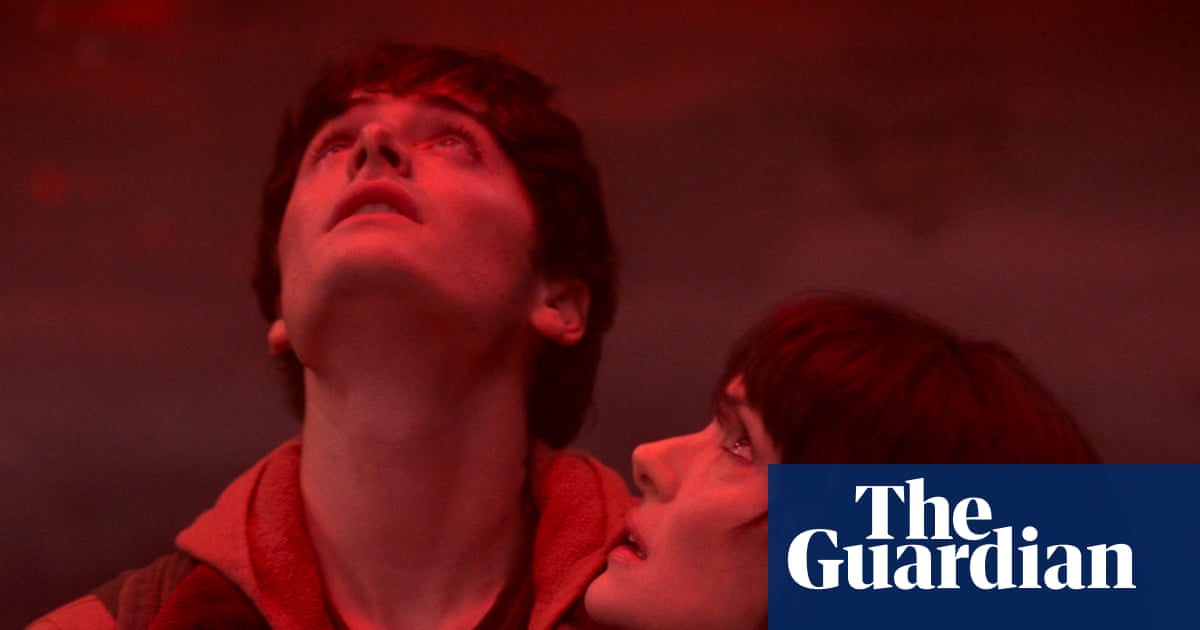
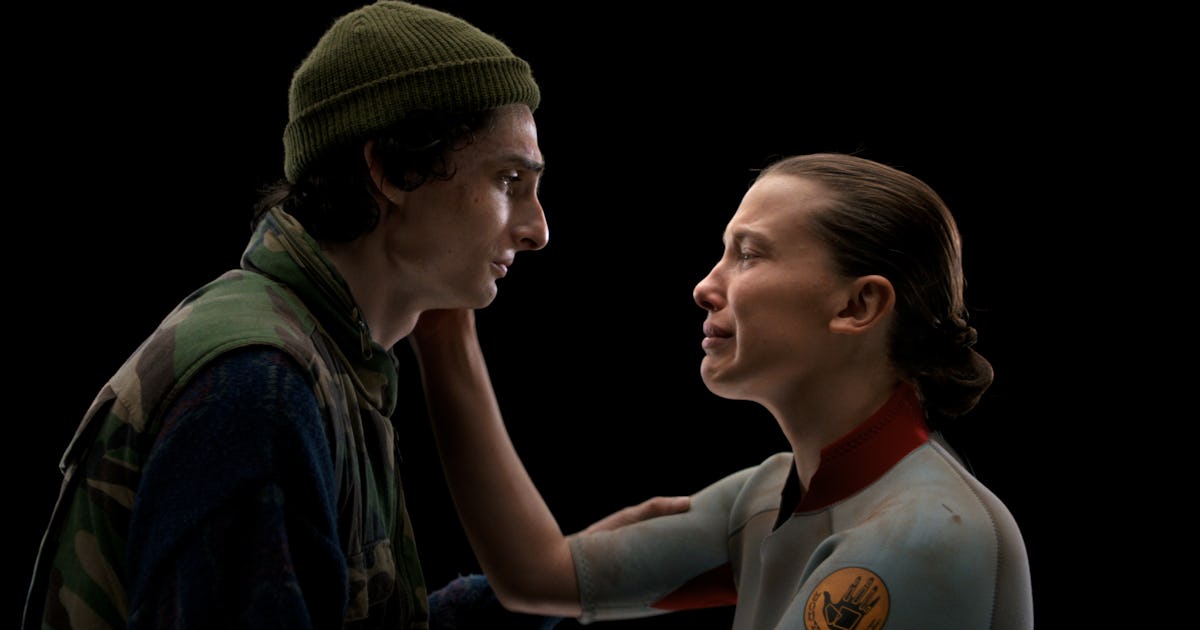
Starting in 2019, the series has charted a timeline in which the USSR beat the US to the Moon in 1969, and then explored how various dominoes fell after that point. From an alternate 1980s featuring a functional Moonbase to landing on Mars in the 1990s, and now, with Season 5, a full-on Mars rebellion looming, this show is as thought-provoking as it is bold.
Television
Television
fromwww.theguardian.com
2 months agoEternally spellbinding': the TV shows that baffle you but you can't get enough of
Catterick, Monkey Dust, The OA, and Mrs Davies deliver surreal, darkly comic, and increasingly bizarre narratives blending crime, dreamlike animation, sci‑fi, and oddball humor.
Television
fromwww.theguardian.com
2 months agoI have rewatched the show more than 60 times': your favourite comfort TV
Television programs offer comfort, escapism, humor, and emotional refuge through witty comedies and reassuring documentaries, becoming personal favorites across diverse viewers and life circumstances.
fromScary Mommy
1 month agoThe 12 Best Rewatch Shows On Streaming For Your Next Anxiety Binge
There's so much going on in the world, in our country, and hell, in our own work and family lives. Just because the headlines are straight out of a dystopian novel doesn't mean your kids stopped needing you to help with their homework. When our days are full of so many demands, no wonder we feel hyped up and anxious by the time the kids are in bed.
Television
fromThe Atlantic
1 month agoA Prequel TV Series That Surprises Viewers
The television show I'm most enjoying right now: There is a Hollywood story in David Niven's autobiography Bring on the Empty Horses, in which the screenwriter Charles MacArthur asks Charlie Chaplin how to make the comic pratfall scene of a person slipping on a banana peel new again. Chaplin suggests that MacArthur start with a lady walking down the street and cut to a shot of the banana peel on the sidewalk, which the lady steps over-right before she falls down a manhole.
Television
fromSlate Magazine
2 months agoThe New Game of Thrones Show Flashes Something ... Huge in Episode 2. It's Not Even the Most Impressive Part.
Jenny G. Zhang: After a series premiere that seemed to be received pretty well by viewers-although the diarrhea smash cut was certainly divisive-we open the second episode of A Knight of the Seven Kingdoms with another jump scare: big dong alert, courtesy of Ser Arlan of Pennytree, who is truly packing the heat. (While he is probably not a Best or a Worst Person in Westeros this week, he certainly deserves some kind of title.)
fromwww.theguardian.com
1 month agoTell us your favourite TV romance
From sparks flying during The OC's Spider-Man snog to love stories so powerful they make you weep, Guardian writers have picked the television couples whose tales never fail to make hearts pound. Now we would like to hear yours. What is your favourite TV romance, and why? Share your favourite You can tell us your favourite TV romance using this form.
Television
fromEsquire
1 month agoThe Future of 'Severance' Is Finally Revealed
On February 11, reported Apple has acquired from its original production company Fifth Season for $70 million. This means Severance is now Apple's exclusive intellectual property, rather than a licensed show made by an outside partner. Deadline goes into the weeds of how and why it all happened-including deep dives into Apple's pay structures-but the short version is that the show was too expensive for Fifth Season to shoulder by itself.
Television
fromwww.theguardian.com
2 months agoThere's nothing better on TV': behind the scenes of Industry, the high-stakes finance drama that has everyone hooked
It is niche, says Down. We don't write to any kind of brief. We don't write what we think is going to be interesting to other people or commercial. For every 10 people that don't understand a reference or the thing we're trying to do with the costume or the subtle hint we're making about someone's class, there'll be one person that gets it.
Television
Television
fromABC7 Los Angeles
2 months ago"Tell Me Lies" EP says fan reactions drove her to write a specific storyline for season three
Season three depicts Stephen escalating harmful behavior, Lucy reuniting with him and facing intensified consequences, with creators crafting a punishment-driven arc responding to fan reactions.
[ Load more ]