#shale-prospective-areas
#shale-prospective-areas
[ follow ]
#oil-prices #energy-security #energy-policy #iran-conflict #energy-markets #natural-gas #renewable-energy

fromenglish.elpais.com
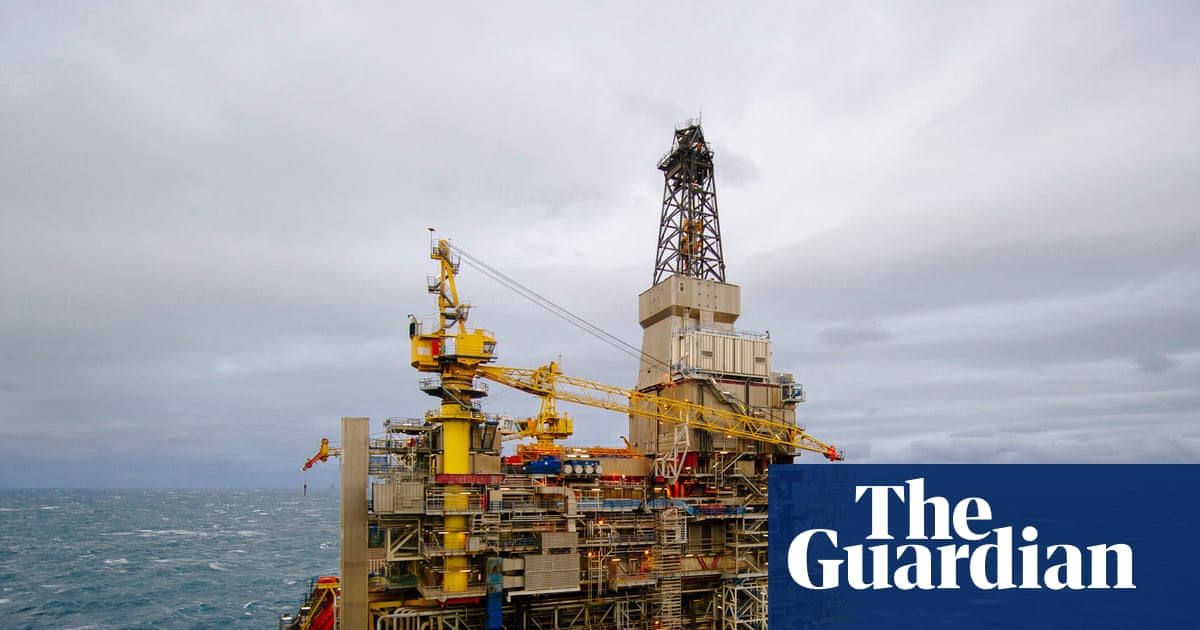
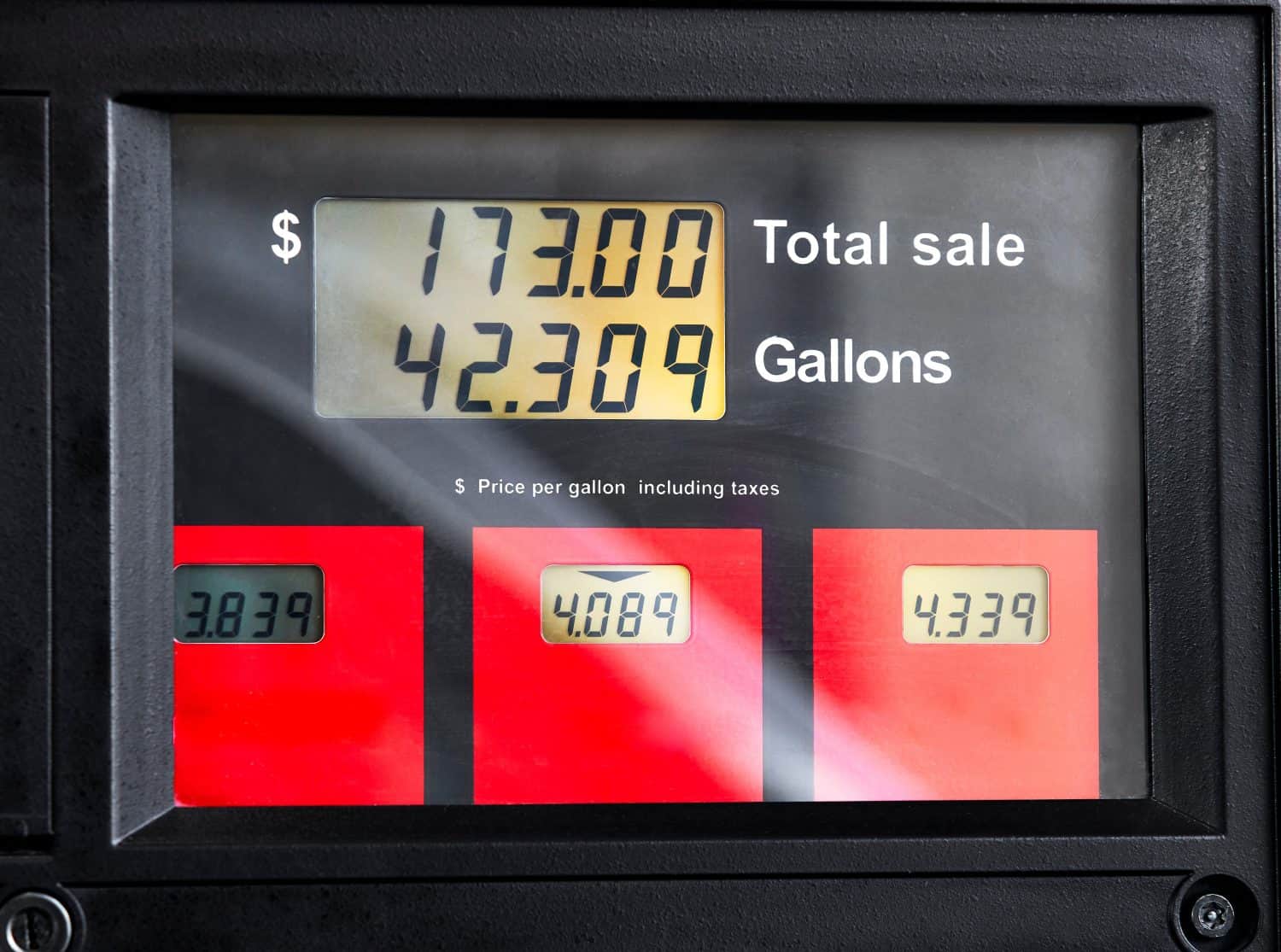
2 days agoGas prices in the United States: What's happening and how high they might go
The global impact of the war in Iran has caused the average price of gasoline in the United States to rise above $4 per gallon for the first time since 2022. Prices have risen by more than 30% since late February, reflecting an energy shock affecting the entire economy.
World politics
#oil-prices




World news
fromwww.mediaite.com
3 weeks agoEnergy Secretary Chris Wright Leaves Door Open on $200 Oil
Energy Secretary Chris Wright acknowledged elevated oil prices during conflict but dismissed Iranian warnings of $200 per barrel, stating the administration aims for sub-$3 gas prices through coordinated international oil releases and production increases.
from24/7 Wall St.
3 days agoWall Street Upgrades Cheniere Energy as Iran War Reshapes Global LNG Demand
Citi's upgrade reflects a broader geopolitical reality reshaping global energy markets. The Iran war is accelerating the flight of European and Asian buyers toward secure, long-term U.S. LNG supply contracts.
Business
#oil-markets
World politics
fromLondon Business News | Londonlovesbusiness.com
3 days agoCrude oil between geopolitical escalation and dollar pressure - London Business News | Londonlovesbusiness.com
Geopolitical factors and monetary conditions are significantly influencing global oil prices, reflecting uncertainty rather than traditional supply and demand.
from24/7 Wall St.
1 week agoThis LNG Stock Keeps Hitting New All-Time Highs. Did You Miss Your Chance to Buy?
The drone strikes and infrastructure damage at Qatar's massive Ras Laffan complex triggered force majeure declarations and slashed roughly 15% to 20% of global supply overnight, leading to a spike in spot prices in Asia and Europe.
World news
SF politics
fromThe Nation
2 weeks agoTrump's Plan for "Energy Dominance" in Alaska Is a Pipe Dream
Alaska's Railbelt faces natural gas shortages by 2027, prompting renewed efforts to build an 807-mile liquified natural gas pipeline from the North Slope to Kenai Peninsula, though the $44 billion project lacks committed buyers and faces skepticism from both supporters and critics.
#uk-energy-policy
Environment
fromLondon Business News | Londonlovesbusiness.com
1 week agoGovernment urged to drill in the North Sea to boost oil and gas production - London Business News | Londonlovesbusiness.com
The UK must increase domestic oil and gas production to enhance energy security and reduce greenhouse gas emissions.
Europe news
fromwww.theguardian.com
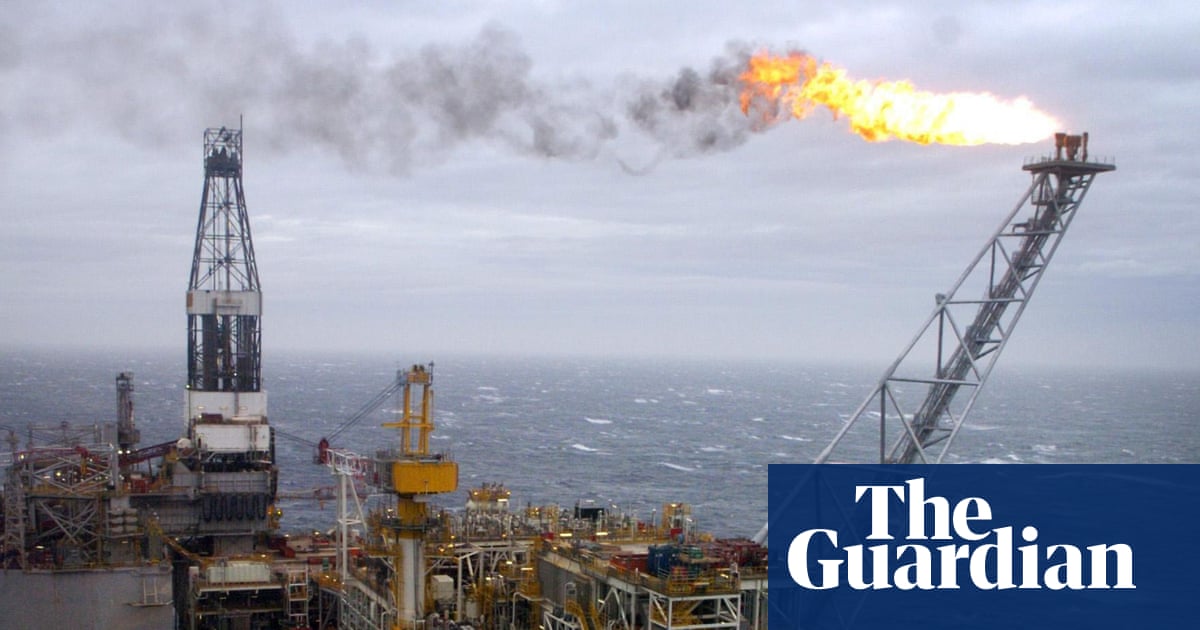
3 weeks agoOil company shares soar to all-time highs as Middle East war turbocharges price per barrel
Major oil company stock valuations surged over $130bn in two weeks following US-Israeli attacks on Iran, with western super majors reaching all-time highs amid global energy supply disruptions.
Miscellaneous
from24/7 Wall St.
3 weeks agoSM Energy Is Up 37% and Reddit Is Still Calling It Undervalued
SM Energy trades at 4x P/E after its $12.8 billion Civitas merger, with $185 million in realized synergies and net debt leverage at 1.05x, creating debate between undervaluation and leverage concerns.
SF politics
fromLos Angeles Times
2 weeks agoOil flows through Santa Barbara coastal pipeline for first time in decade amid Trump fight with California
Offshore oil pipelines in California resumed operations after a decade-long shutdown following Trump's executive order invoking the Defense Production Act, escalating conflict between federal and state authorities over energy policy.
US news
fromBoston.com
3 weeks agoGas prices keep climbing, and Massachusetts may see some of the biggest hikes
Global oil supply disruptions from geopolitical conflict are driving sharp fuel price increases in Massachusetts, with New England particularly vulnerable due to lack of local refineries and pipeline infrastructure.
World news
fromAxios
2 weeks agoWhite House says it's not planning oil or gas export restrictions
The U.S. administration ruled out oil and gas export restrictions while pursuing alternative measures to address rising gasoline prices, including Strategic Petroleum Reserve releases and potential Iranian oil sanctions waivers.
World politics
fromFortune
2 weeks agoNatural gas prices in Texas plunge deep into negative territory and producers are burning it off, while the rest of the world braces for shortages | Fortune
A geographic divide in energy markets has led to negative natural gas prices in West Texas while Europe and Asia face shortages.
UK politics
fromwww.independent.co.uk
2 weeks agoExperts issue verdict on whether North Sea drilling will reduce UK energy bills
Renewable energy could save UK households up to £441 annually, vastly outpacing North Sea drilling's potential savings of £16-£82, which require government tax redistribution to materialize.
fromenglish.elpais.com
2 weeks agoTrump's desperate attempts to curb soaring oil prices
The Iranian military's blockade of the Strait of Hormuz in retaliation for the U.S. and Israeli airstrikes on Tehran has sent energy markets into turmoil. A quarter of the world's natural gas, a fifth of its crude oil, and tons of critical materials for fertilizers and other petroleum products pass through this strategic Persian Gulf waterway.
World politics
fromwww.mediaite.com
3 weeks agoFox Host Offers Grim Outlook On Oil Supply Disruption: That's The Price of Everything'
We have slow growth and inflation that is still a concern from the numbers we got on the economy. The interesting thing about the University of Michigan survey is half of it was taken before the war and then the other half was taken after February 28th and obviously the signs were very different. Half the respondents said that things are really starting to pick up and look good and then all of the survey participants taken after February 28th had started to notice a lot more anxiety and deterioration particularly around their ideas of inflation.
World news
SF politics
fromLos Angeles Times
4 weeks agoGas prices soaring, Trump administration sets stage to OK controversial offshore oil plan
The Department of Justice issued a legal opinion stating President Trump can use the Defense Production Act to override California laws blocking Sable Offshore's oil operations near Santa Barbara County.
fromHigh Country News
2 weeks agoHow Trump's oil-and-gas agenda threatens critical Wyoming wildlife habitat - High Country News
These sagebrush-covered foothills of primarily Bureau of Land Management land have a higher concentration of sage grouse than anywhere else on the planet, likely in part because the birds have room to move. More than a thousand elk winter there, too, sustained by the high-elevation landscape's cured grasses, dried wildflowers and shrubs. So do pronghorn and mule deer, wintering or using the area as a stopover on their journeys, which include the longest documented mule deer and pronghorn migrations in the Lower 48.
Environment
fromLos Angeles Times
3 weeks agoOil prices are skyrocketing, but this is why companies won't rush to drill in California
Nobody expects today's high prices to last and we could very likely get back to the low $60 [per barrel] environment we faced just a few weeks ago. Experts say the unique geology of California's fields, and the nature of its heavy crude, make new projects, and efforts to pump more oil out of existing ones, costlier and more energy-intensive than drilling in other parts of the country.
Environment
World news
fromwww.theguardian.com
3 weeks agoWill releasing millions of barrels of oil stockpiles really bring down fuel costs?
The IEA released 400 million barrels of emergency crude oil, its largest reserve release in history, to address price shocks from geopolitical tensions affecting global oil supply.
World politics
fromFortune
3 weeks agoSomething's different about America since the early 2000s and it has to do with drill, baby, drill | Fortune
Rising oil prices from Middle East conflicts disrupt global markets, but the U.S. impact has changed since becoming a major oil producer and exporter rather than primarily an importer.
from24/7 Wall St.
2 weeks agoIs Hess Midstream's Capital Return Program a Strength or a Warning Sign?
We're also funding incremental shareholder returns for free cash flow after distributions, rather than leverage buybacks. And so it's just a bit more of a conservative approach that we're following that is in line with our profile and Chevron's target of 200,000 barrels of oil per day plateau production in the Bakken.
Business
from24/7 Wall St.
2 weeks agoIs Chord Energy's Williston Mastery a Moat or a Trap?
In FY2025, Chord delivered oil volumes that exceeded original guidance by more than 1,000 barrels per day while capital came in approximately $60 million lower. Full-year CapEx landed more than $100 million below pro forma FY24, with oil volumes 1% higher year over year, and the company generated approximately $160 million in incremental run-rate free cash flow through continuous improvement.
Business
Business
from24/7 Wall St.
3 weeks agoWilliams CEO: U.S. natural gas production is America's true superpower
The U.S. produces 40% more natural gas than it consumes domestically, establishing a structural export advantage and making natural gas a national superpower that insulates domestic prices from global market chaos.
fromwww.esquire.com
2 months agoLandman Season 2 Episode 8 Explained: Will the Offshore Drill Strike Oil?
What does this new lease on life mean for Tommy Norris? After all, he still needs to deal with the offshore drilling lawsuit, the threats from Danny Morrell's (Andy Garcia) crooked financing, his son striking oil on six new wells, and Cami Miller's (Demi Moore) dissatisfaction with how Tommy's been running the company following her husband's (Jon Hamm) death. So, in episode 8, he's done with allowing all these problems to fester.
Television
Business
from24/7 Wall St.
3 weeks agoU.S. supplies a third of world's LNG but only 3% of global oil exports
The U.S. dominates global LNG exports at one-third of supply but exports only 3% of global oil, creating structural price insulation for natural gas while leaving oil prices vulnerable to geopolitical disruptions.
World news
fromwww.npr.org
4 weeks agoMiddle East conflicts largely avoided energy facilities in the past. Not in this war
Drone and missile strikes across the Middle East have damaged energy infrastructure in six countries, disrupting global oil and liquified natural gas supplies at an unprecedented regional scale.
World news
from24/7 Wall St.
4 weeks ago4 No-Brainer Pipeline Stocks to Buy Right Now Before Oil Hits $100
North American pipeline operators offer exceptional yields with structurally protected revenues from long-term contracts, making them attractive income investments amid geopolitical tensions and rising energy demand.
Business
from24/7 Wall St.
3 weeks agoRefiners Are Quiet Winners in 2026: Wall Street's Signals Are Hard to Ignore
Institutional investors are accumulating U.S. refiners despite analyst ratings lagging stock performance, driven by exceptional earnings beats and record refining margins from access to discounted Venezuelan crude.
fromFortune
1 month agoThe Trump Administration touts approvals for deepwater oil-exporting hubs in the Gulf of Mexico, but no one seems willing to build them | Fortune
But one key voice was missing from the celebration: Texas GulfLink's developer. Dallas-based Sentinel Midstream declined to comment on the administration's announcement, and didn't issue any press release for its politically ballyhooed project approval. Sentinel's silence was a symptom of a bigger disconnect in the gulf.What once was a race to build a series of deepwater terminals prior to the pandemic-including the involvement of household names such as Phillips 66 and Chevron-has now turned into silence over stalled projects that may never come to fruition.
US politics
fromFortune
2 months agoDevon Energy CEO: 'Stars align' to acquire Coterra for nearly $26 billion in combo of near equals as merger mania returns to the oilfield | Fortune
U.S. shale producer Devon Energy will acquire Coterra Energy for nearly $26 billion in a combination that creates a domestic oil and gas juggernaut trailing only household names Exxon Mobil, Chevron, and ConocoPhillips in sheer production volumes, the companies announced Feb. 2. After a couple of years of rapid consolidation in the energy sector, dealmaking slowed down dramatically last year as oil prices fell when OPEC ramped up its output and the Trump administration implemented a series of tariffs worldwide.
US news
#energy-stocks
Business
from24/7 Wall St.
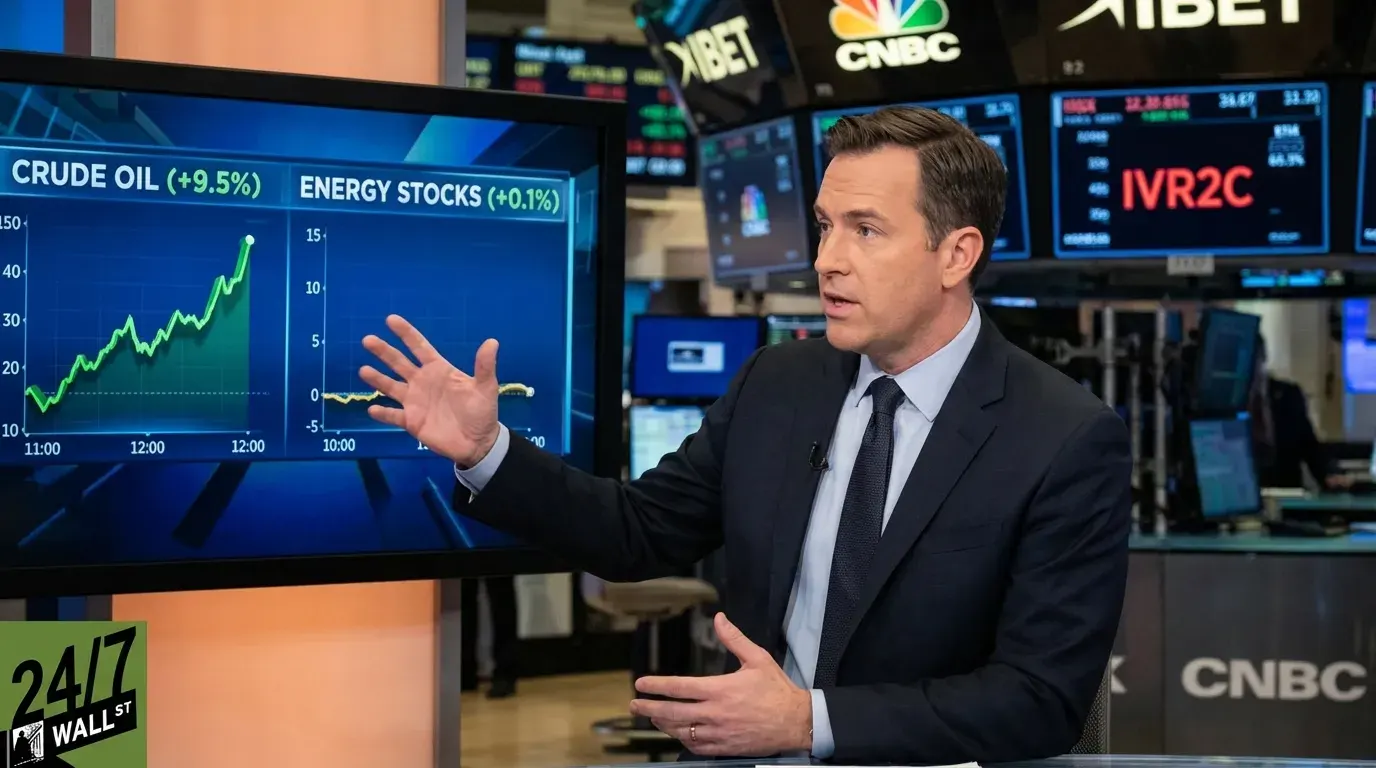
3 weeks agoCNBC's Brian Sullivan: Oil Up 9.5% But Exxon and Chevron Barely Moved, and That's the Point
Major oil companies no longer move proportionally with crude oil prices due to structural cost reductions, diversified revenue streams from refining and chemicals, and improved operational efficiency.


US politics
fromFortune
2 months agoU.S. oil producers increasingly 'slighted' by Trump's international focus on crude in Venezuela, Greenland, and beyond | Fortune
U.S. shale producers face profitability pressure as low oil prices, falling rig counts, and Trump's international energy focus boost global supply and suppress domestic drilling.
from24/7 Wall St.
1 month agoLiberty Energy and Patterson-UTI: Goldman Sachs Sees Early Dislocation Opportunities in Pressure Pumping and Drilling
LBRT delivered a 148% EPS surprise in Q4 2025, posting $0.08 per share against a consensus estimate of -$0.17. PTEN beat by 83% on the same quarter, reporting a loss of -$0.02 versus the -$0.12 consensus. These aren't rounding errors. They signal that the street's models were built for a worse reality than the one these companies are actually living in.
Business
from24/7 Wall St.
1 month agoOil Explorers Are About to Get Absolutely Whipsawed and XOP Captures Every Single Move
Unlike funds that hold integrated giants with refining and chemical businesses to cushion oil price swings, XOP holds pure exploration and production companies whose entire revenue stream rises and falls with the commodity price. Its equal-weight structure amplifies this further, giving the same portfolio weight to smaller, more volatile E&P names as it does to large-caps like ConocoPhillips or Occidental Petroleum.
Business
from24/7 Wall St.
1 month agoThe Hidden Decay Eating BOIL Alive Even When Natural Gas Prices Stay Flat
January 2026 showed just how violent this relationship can get: Henry Hub spiked to $30.72/MMBtu on January 23 - a near-tenfold surge - before collapsing to $3.13/MMBtu by February 23. Extreme winter heating demand and supply constraints drove that move - exactly what BOIL is built to capture on the upside, and what devastates holders on the way back down.
Business
Environment
fromenglish.elpais.com
1 month agoThe debate over fracking in Mexico: Energy sovereignty versus environmental risk
Sheinbaum's government overturned a six-year fracking ban to pursue domestic gas independence, sparking debate over energy sovereignty versus environmental and community risks.
fromWIRED
2 months agoData Centers Are Driving a US Gas Boom
Data centers have caused the demand for gas-fired power in the US to explode over the past two years, according to new research released Wednesday. More than a third of this new demand, the research found, is explicitly linked to gas projects that will power data centers -the equivalent of energy that would power tens of millions of US homes.
Environment
World news
fromwww.aljazeera.com
2 months agoMexico's oil industry faces new pressures from Venezuela oil under US
Pemex's neglected maintenance, rising debts, and operational constraints have increased environmental risks, reduced production, and left it vulnerable to competition and import dependence.
from24/7 Wall St.
1 month agoWhy Smart Money Is Piling Into COP After Earnings Miss: The Marathon Deal Just Changed Everything
ConocoPhillips reported disappointing fourth-quarter results on February 5, 2026, missing both earnings and revenue estimates as lower oil prices overshadowed production gains from the Marathon Oil acquisition. The Houston-based energy producer posted adjusted EPS of $1.02, falling short of the $1.12 consensus estimate by 9%. Revenue of $14.19 billion also missed expectations of $14.34 billion. Net income tumbled to $1.44 billion from $2.30 billion in the year-ago quarter, a 37.3% decline driven primarily by weaker commodity prices.
Business
from24/7 Wall St.
2 months agoMarathon Petroleum to Reap a Windfall on Venezuela Oil Boom
The world is still processing the nighttime raid on Venezuela by U.S. forces on Saturday, capturing President Nicolás Maduro and his wife, and flying them to New York to face narcoterrorism and drug conspiracy charges. President Trump stated the U.S. would run Venezuela until a transition could happen, aiming to access its oil. Venezuela holds the world's largest proven oil reserves at 303 billion barrels, but because it is mostly extra-heavy crude, it requires specialized refining.
Business
[ Load more ]