#shopping-cities
#shopping-cities
[ follow ]
#consumer-behavior #e-commerce #online-shopping #ecommerce #fashion #glossier #consumer-trends #retail-strategy

fromwww.theguardian.com
12 hours agoSix great reads: the OnlyFans legacy, stolen cargo and Meta's creepy' glasses
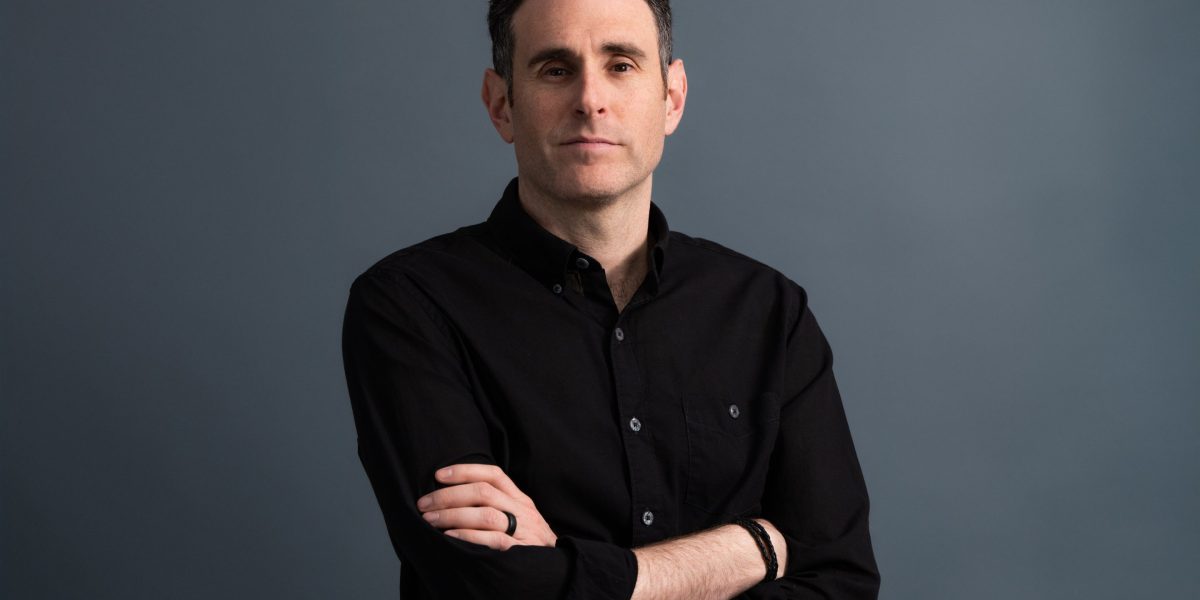
Leonid Radvinsky's death leaves a void in the leadership of OnlyFans, a platform that has transformed the adult content landscape. His secretive management style and the controversies surrounding the site have raised questions about its future direction and stability.
Photography
fromWWD
1 day agoAdidas' Newest Originals Flagship Centers Around NYC's Creative Community
The new store preserves the building's historic character-keeping original brick walls exposed-while layering in contemporary materials such as metallic finishes, reflective surfaces, and semi‑gloss flooring.
Graphic design
fromHyperallergic
2 days agoThe Art World Is a Joke
Kamrooz Aram is everywhere this year, from Mumbai Art Week to the Whitney Biennial, and critic Aruna D'Souza is grateful. She pens a beautiful meditation on his work, reading his abstract paintings as not simply a denunciation of Western modernism nor a reassertion of Islamic visual motifs, but something else entirely - something gestural, exuberant, riotous, and incomparably his own.
Arts

fromHoodline
5 days agoNYC Alliance Signs 11-Year Lease at 1441 Broadway in Midtown
"The expansion positions NYC Alliance for continued growth while strengthening its design, showroom and operational presence in the historic fashion corridor," Peter Braus said, according to the New York Post.
NYC real estate
fromHoodline
18 hours agoPink Taco Shutters Times Square Location After Three Years
The Times Square branch, at 7 Times Square, closed in early March after opening in 2023, according to Crain's New York Business. Delivery and reservation platforms now mark the Times Square location as permanently closed.
NYC food
Privacy technologies
fromWIRED
2 weeks ago'100 Video Calls Per Day': Models Are Applying to Be the Face of AI Scams
Scam compounds in Cambodia recruit young women through fake AI modeling jobs offering high salaries while using passport confiscation and restrictive working conditions to control victims.
fromLondon Business News | Londonlovesbusiness.com
2 weeks agoHow fashion weeks forge brand identity - London Business News | Londonlovesbusiness.com
Participating in London Fashion Week is not a luxury but a necessity for any emerging brand aiming to go global. It's your ticket to the world of international fashion. - Katie England, Creative Director of Topshop and curator of the New Generation program
London startup
fromFast Company
6 days ago'Leverage the local': The fashion trend that explains why everyone around you is channeling their inner tourist
Clothing that bears the name of a city near or far has become a closet staple for many consumers in recent years, evolving from impulse purchases to mainstream fashion.
Fashion & style
fromFortune
3 days agoGen Z shoppers are actually more deliberate than baby boomers and agonize over their cart for days | Fortune
"Everything in today's e-commerce environment is being driven by increased intensity of the research phase and true generational divides during the current macroeconomic environment," said Jaysen Gillespie, VP of product marketing and analytics at RTB House.
E-Commerce
Fashion & style
fromThe Business of Fashion
2 months agoHow Fashion Marketers Will Nab Attention in 2026
Fashion brands must prioritize human-centered, intentional slow advertising—combining in-person connection, emotionally engaging entertainment, and selective AI use to earn consumer attention in 2026.
Fashion & style
fromConde Nast Traveler
2 months agoThe Best City in the US for Shopping Is Exactly the One You Think It Is
U.S. shopping excellence is dispersed among diverse cities, each offering distinct retail identities—from luxury Strip gauntlets to provenance-driven, immigrant-built neighborhood markets.
fromThe Business of Fashion
2 months agoThe Top 10 Contemporary and Accessible Luxury Fashion Brands Leading Customer Engagement
Last year, traditional luxury brands struggled to keep the attention of aspirational shoppers, and it was their lower-priced counterparts that swooped in to fill the gap. The formerly squeezed middle of the market - sitting below pure luxury labels but above mass-market brands - was able to capitalise on luxury's ever-growing prices and perceived lack of innovation. Tightening consumer budgets also played a part.
[ Load more ]