#skeletal-remains
#skeletal-remains
[ follow ]
#human-remains #archaeology #ancient-dna #human-evolution #brooklyn #radiocarbon-dating #ongoing-investigation


fromLos Angeles Times
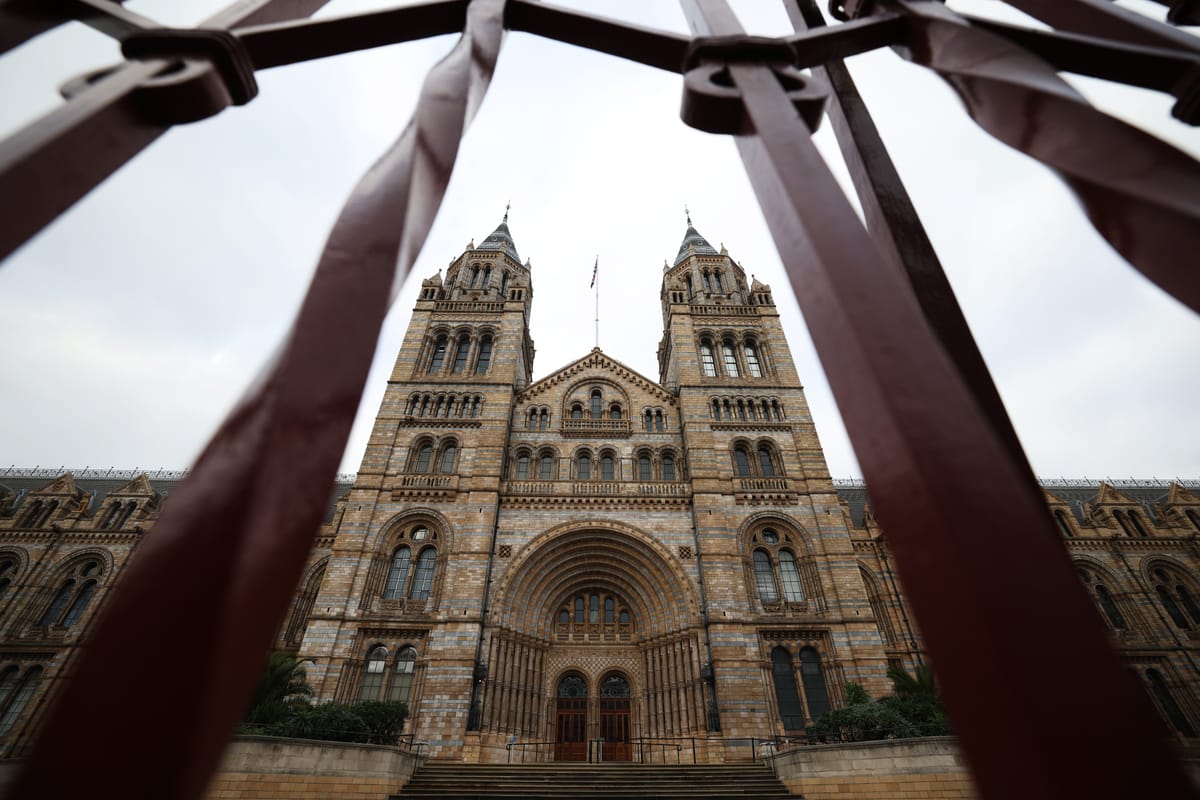
4 days agoHuman remains found on a Bay Area beach in 1999 and 2023 have been identified
Human remains found on Bay Area beaches in 1999 and 2023 have been identified as those of Walter Karl Kinney, a banker who disappeared in 1999. The remains were discovered by a family searching for sea shells in 2022, leading to an investigation that linked the remains to Kinney's family through DNA analysis.
California

fromThe Local France
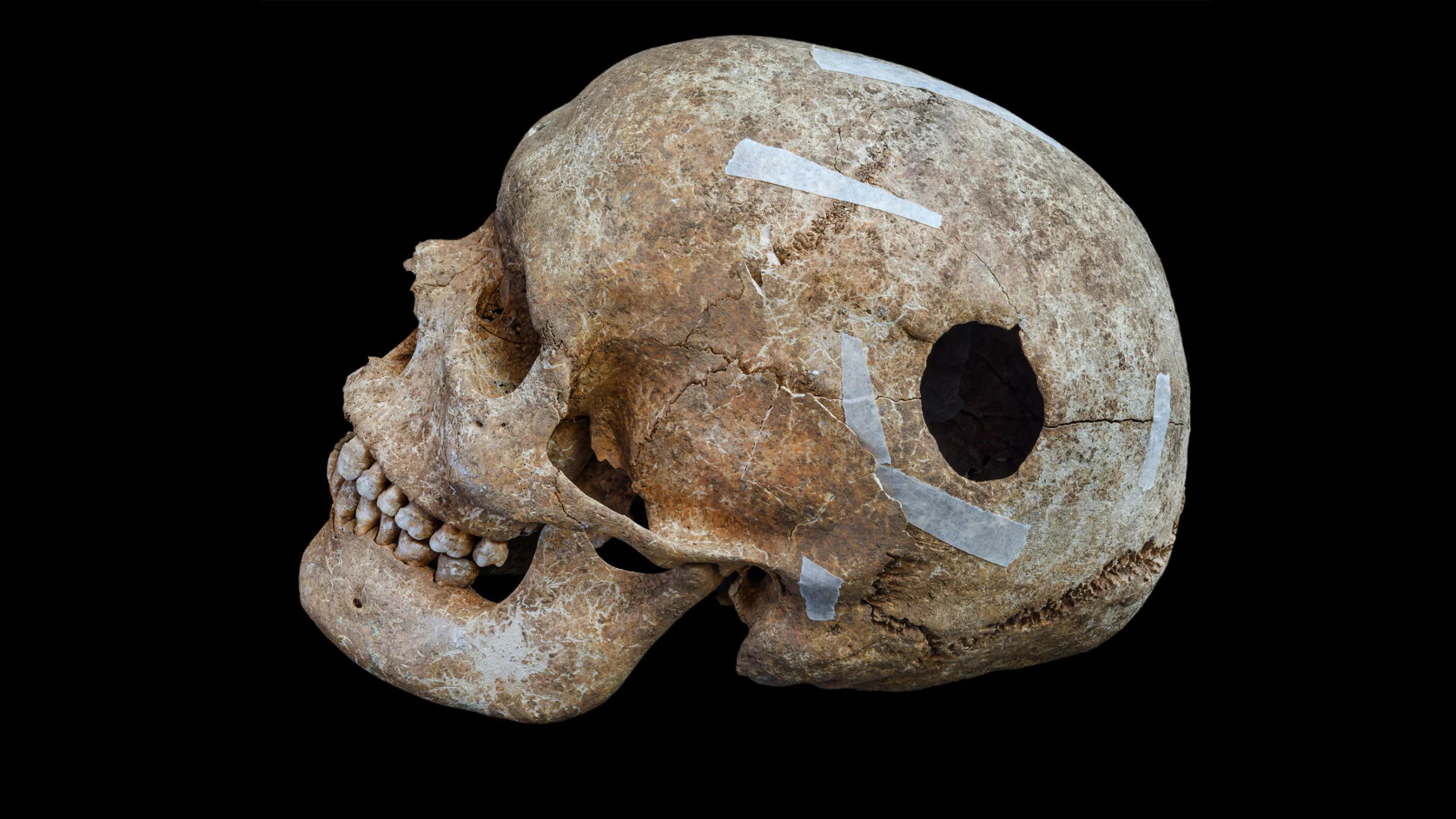
2 weeks agoMysterious ancient skeletons discovered sitting upright in France
Similar to four others unearthed nearby earlier this month, it is sitting upright at the bottom of a one-metre-wide pit. The skeleton's hands are resting in its lap. Like the others, its back is against the eastern wall, its face directed westward.
France news
fromwww.standard.co.uk
2 weeks agoBone discovered in east London garden in hunt for Muriel McKay's remains 'not human', say police
The bone was uncovered on Friday, March 20, during an independent search. Officers attended the scene assisted by forensic colleagues who have determined the bone does not belong to a human.
London politics

fromwww.theguardian.com
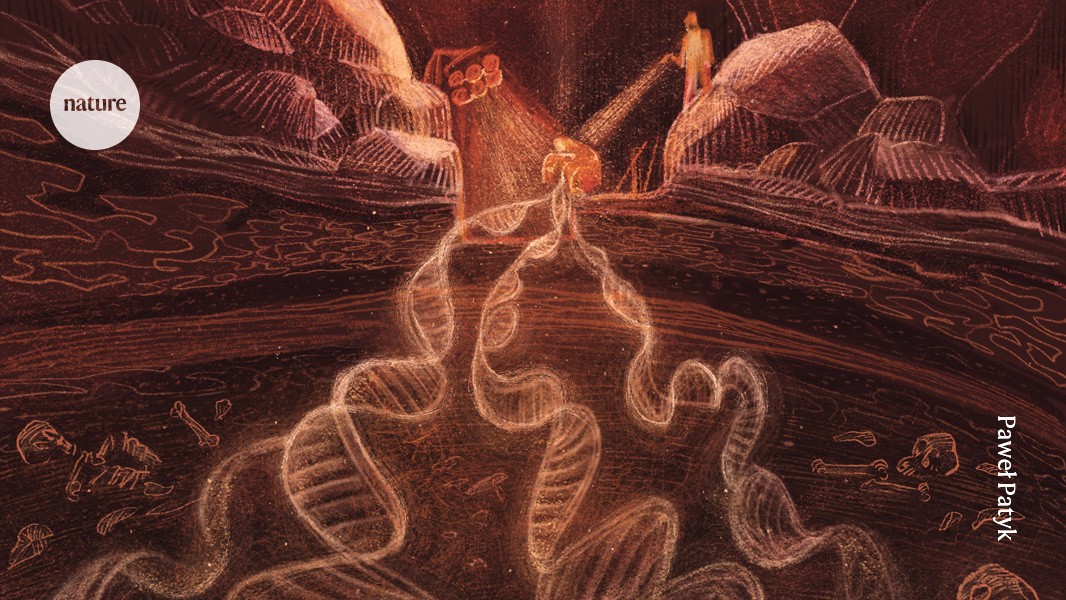
2 weeks agoAncient skeleton discovered sitting upright in France
Five tombs of Gauls buried in a seated position have been discovered in central Dijon. Similar to four others unearthed nearby earlier this month, it is sitting upright at the bottom of a one-metre-wide pit. The skeleton's hands are resting in its lap. Like the others, its back is against the eastern wall, its gaze directed westward.
France news
fromThe Art Newspaper - International art news and events
3 weeks agoMummies and other human remains held in UK museums raise serious ethical questions, warn scholars
The significant number of ancestors held in UK museums is extremely distressing and symbolic of the colonial origins of these collections. We hope that the responses gathered by The Guardian will be shared with the relevant communities to support them in bringing their ancestors home.
London

fromQueens, NY Patch
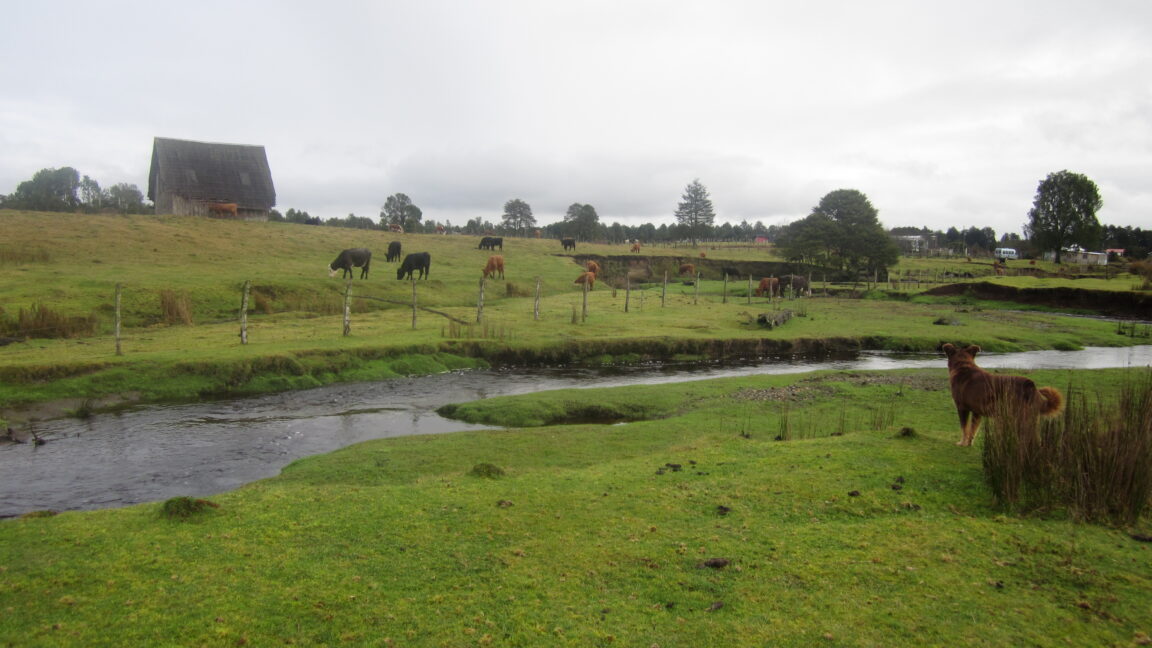
4 weeks agoPossible Human Remains Found In NYC Wildlife Sanctuary: NYPD
Possible human remains were found in the Jamaica Bay Wildlife Refuge Thursday night. Police confirmed that the remains were found around 10:30 p.m. near Cross Bay Boulevard along a section of the refuge that connects Howard Beach and Broad Channel.
Miscellaneous
fromenglish.elpais.com
6 days agoThe oldest dog in the world was a puppy that lived 16,000 years ago in Turkey and ate fish
The first study analyzes canid remains from two sites: Pnarbas, on the Central Anatolian Plateau, and Gough's Cave, in Somerset, UK. The fragments from Pnarbas are extraordinarily small, but the team still managed to extract enough nuclear DNA to confirm that they were domestic dogs and not wolves.
History
London
fromwww.theguardian.com
4 weeks agoVast scale of overseas human remains held in UK museums decried by MPs and experts
UK museums hold over 263,000 human remains from around the world, with 37,000 known to originate from overseas former colonies, representing a colonial legacy that many consider sacrilegious and shameful.

fromMedievalists.net
6 days agoWho Lies in Winchester's Medieval Mortuary Chests? - Medievalists.net
This project demonstrates the combined power of science, the study of human remains and historical research to discover new information about the six mortuary chests and their occupants which would not have been available to us a generation ago.
History
OMG science
fromMail Online
3 weeks agoScientists recreate the lost languages of ancient humans
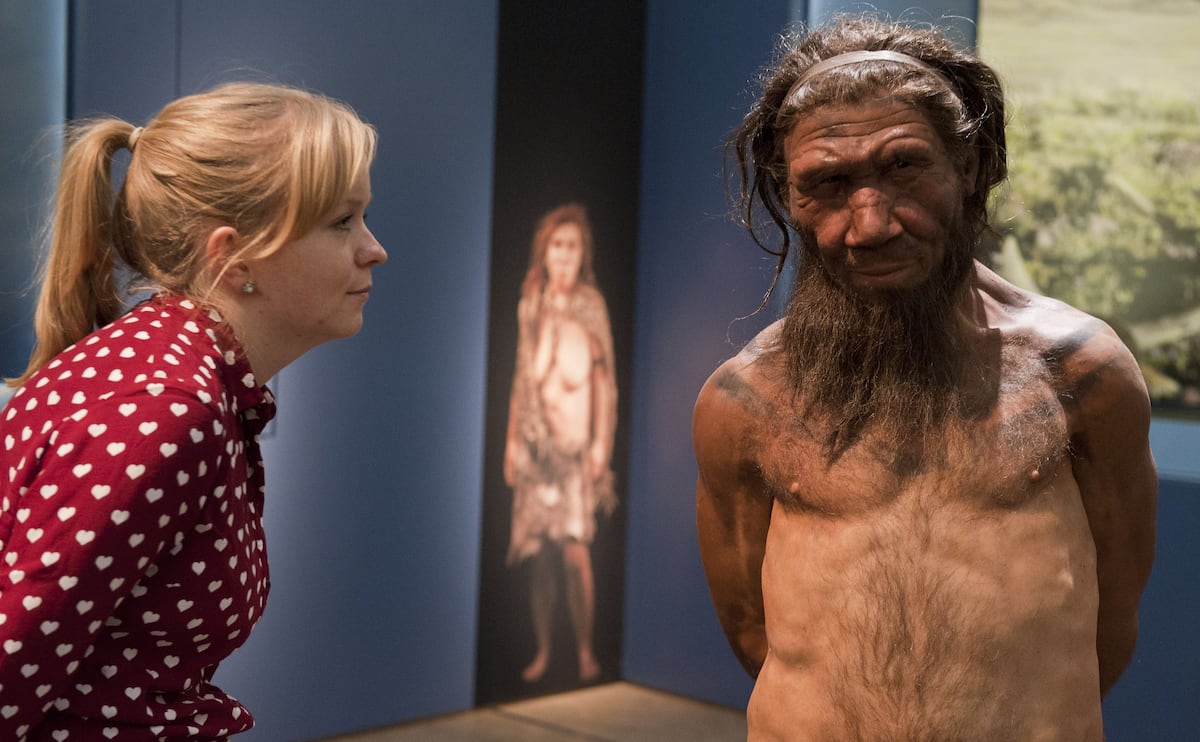
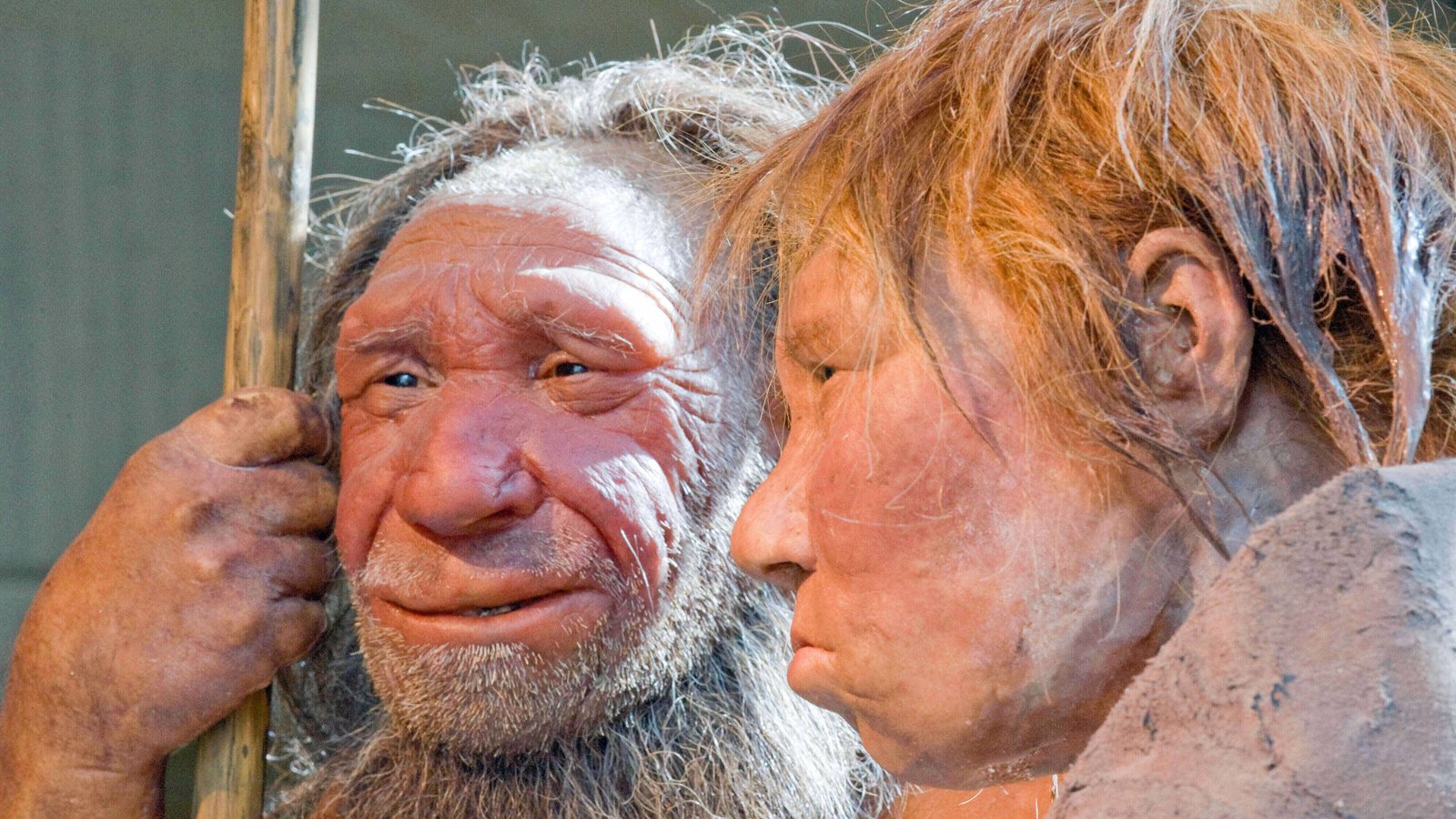
Scientists reconstructed ancient human species languages by analyzing fossilized skeletal imprints of soft tissues like the larynx, tongue, and brain, revealing that Neanderthals likely spoke languages understandable to early Homo sapiens.
OMG science
fromwww.scientificamerican.com
1 month agoFace of ancient human ancestor Little Foot' reconstructed for the first time
Little Foot, the most complete Australopithecus skeleton ever found, now has a reconstructed face showing large eye sockets and resemblance to other Australopithecus fossils from Africa.
fromwww.thehistoryblog.com
3 weeks agoSamnite burials of children with bronze warrior belts found
The excavation ultimately unearthed 34 burials, 15 of them belonging to children between two and ten years old when they died. The graves are clustered in groups, probably reflecting family nuclei. Most the grave types are earthen pits covered with roof tiles angled against each other.
History





Science
fromwww.scientificamerican.com
1 month agoSex between Neandertals and anatomically modern humans tended to follow a specific pattern
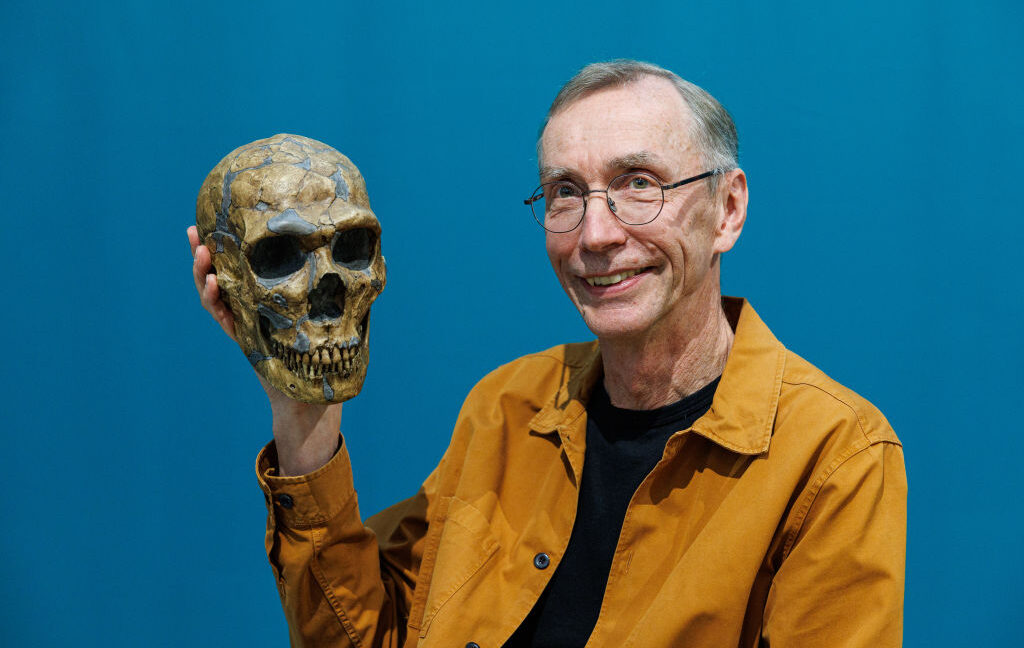
Neandertal-human interbreeding was primarily between male Neandertals and female humans, evidenced by the absence of Neandertal DNA on modern human X chromosomes.
fromBoston.com
2 months agoGenealogists release image in attempt to identify child's skull found in N.H. store in the 1990s
Investigative genetic genealogists are asking for the public's help to identify a child whose skull was seized from a Seabrook, N.H., business more than 30 years ago. The DNA Doe Project, a California-based nonprofit that builds DNA profiles from unidentified human remains, released a new facial reconstruction on Monday. The group also announced that the skull - believed to belong to a girl between the ages of 7 and 9 - has ancestral roots on the Greek island of Chios.
US news
fromwww.scientificamerican.com
2 months agoMeet the Ancestor That Connects Us to Neandertals and Denisovans
New research published today in Nature dates the boneschipped out from a cave called Grotte a Hominides and nearby it over decadesto about 773,000 years ago, during the era of the last common ancestor of Homo sapiens, Homo neanderthalensis and Denisovans (a group of humans that ranged across Asia and that does not have an agreed-upon species name). We can say that the shared ancestry between these three species is perhaps in Grotte a Hominides in Casablanca, says study co-author Abderrahim Mohib, a prehistorian at the National Institute of Archaeology and Heritage Sciences in Rabat, Morocco.
Science
fromArs Technica
1 month agoScientists hunting mammoth fossils found whales 400 km inland
At first glance, it looked like Wooller and his colleagues might have found evidence that mammoths lived in central Alaska just 2,000 years ago. But ancient DNA revealed that two "mammoth" bones actually belonged to a North Pacific right whale and a minke whale-which raised a whole new set of questions. The team's hunt for Alaska's last mammoth had turned into an epic case of mistaken identity, starring two whale species and a mid-century fossil hunter.
Science
fromwww.scientificamerican.com
2 months agoA foraging teenager was mauled by a bear 27,000 years ago, skeleton shows
We have little physical evidence of these interactions turning violent, however, because burials were rare and carnivores were more likely to finish off their prey. That's why the embellished burial site of a 15-year-old from 27,000 years ago is an important window into the past: the teenager's bones indicate he was mauled by a bear. The finding represents some of the first evidence of its kind.
Science
fromDefector
2 months agoLet The Record Show That Otzi Fucked | Defector
Ötzi, the 5,000-something-year-old man found frozen in the Alps, did not have an easy go of it. He was probably murdered, shot from behind with an arrow that missed his vital organs and led to heavy bleeding and a prolonged and painful death. Days before his death, he fought another person in hand-to-hand combat and gashed his right hand. The more scientists have been able to study his body, the more ailments they have unveiled.
Science
fromwww.scientificamerican.com
2 months agoHumans Made Poisoned Arrowheads Thousands of Years Earlier Than Previously Thought
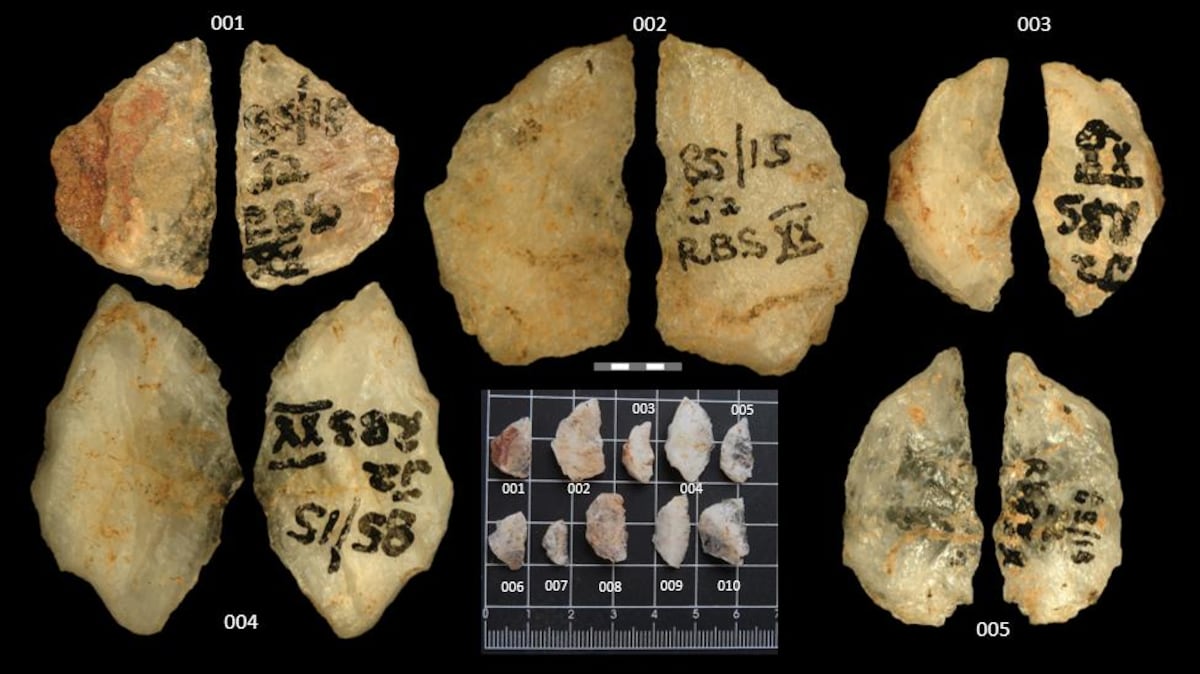
Researchers have found traces of what appears to be plant-derived poison on tiny stone arrowheads from South Africa dated to 60,000 years ago. The finding pushes back the origin of this revolutionary hunting technology by tens of thousands of years. Scientists have long been fascinated by the development of poisoned hunting weapons. For one thing, they would have seriously leveled up our ancestors' foraging game.
Science

[ Load more ]