#sonnabend-collection
#sonnabend-collection
[ follow ]
#contemporary-art #art #photography #fashion-photography #sculpture #art-exhibition #art-exhibitions

fromKALTBLUT Magazine
2 weeks agoReflections of Desire: A Sensual Journey Through Heartbreak in The Mirror - KALTBLUT Magazine
The Mirror uses erotic cinema as a narrative tool to explore something rarely addressed in this genre: the emotional aftermath of a breakup, where desire, memory, and fantasy intertwine as Roberto tries to understand what has happened to his relationship.
Film
Arts
fromThe Art Newspaper - International art news and events
3 days agoGagosian chooses Paris location to present three important late paintings by Francis Bacon
Three late paintings by Francis Bacon will be exhibited in Paris, showcasing his significant connection to the city and his artistic evolution.
Music
fromKALTBLUT Magazine
3 weeks agoKITSCHKRIEG ZWEI: Dive into the Electric Wave of 'Sommerregen' ft. Domiziana & MilleniumKid! - KALTBLUT Magazine
KITSCHKRIEG ZWEI reimagines pop music for the rave scene, blending nostalgic roots with innovative electronic production and contemporary collaborations.

LGBT
fromwww.theguardian.com
3 weeks agoDonna Gottschalk and Helene Giannecchini / Deutsche Borse prize review images to enrage, bamboozle and deeply move you
Donna Gottschalk's photography documents LGBTQ+ life in 1960s-70s New York, capturing personal family moments alongside political activism during a period of illegality and violence.
fromwww.kaltblut-magazine.com
3 weeks agoMadita
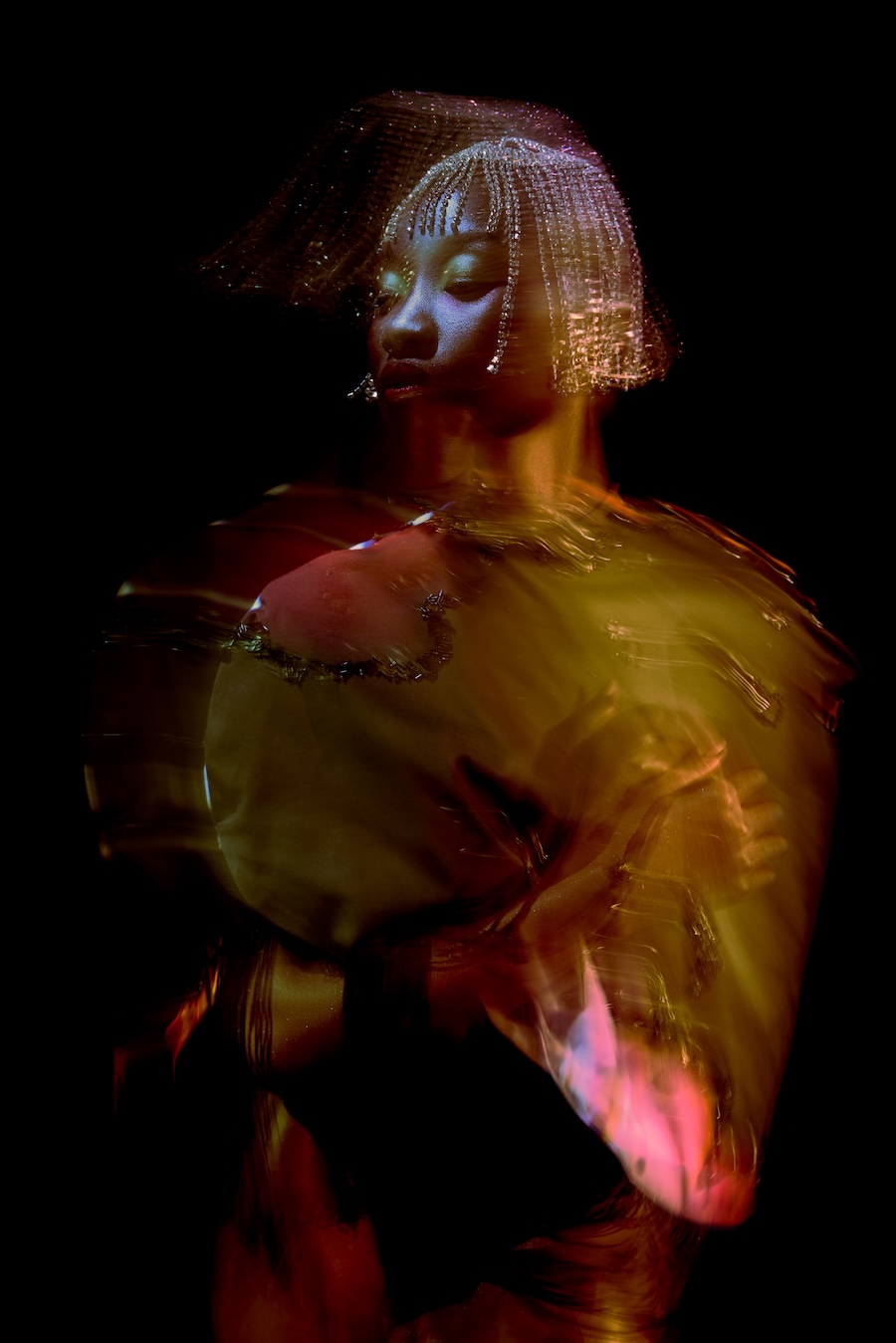
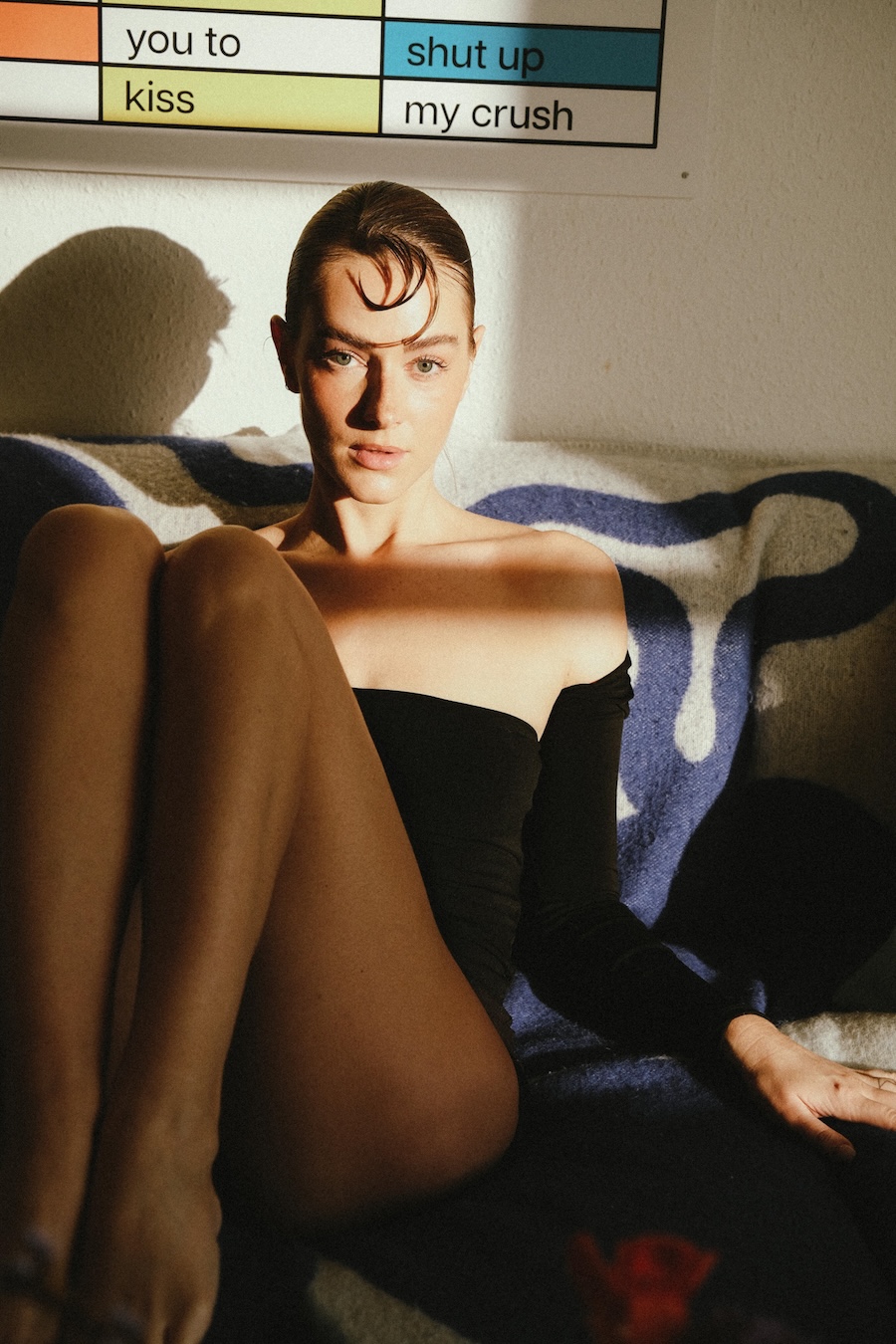
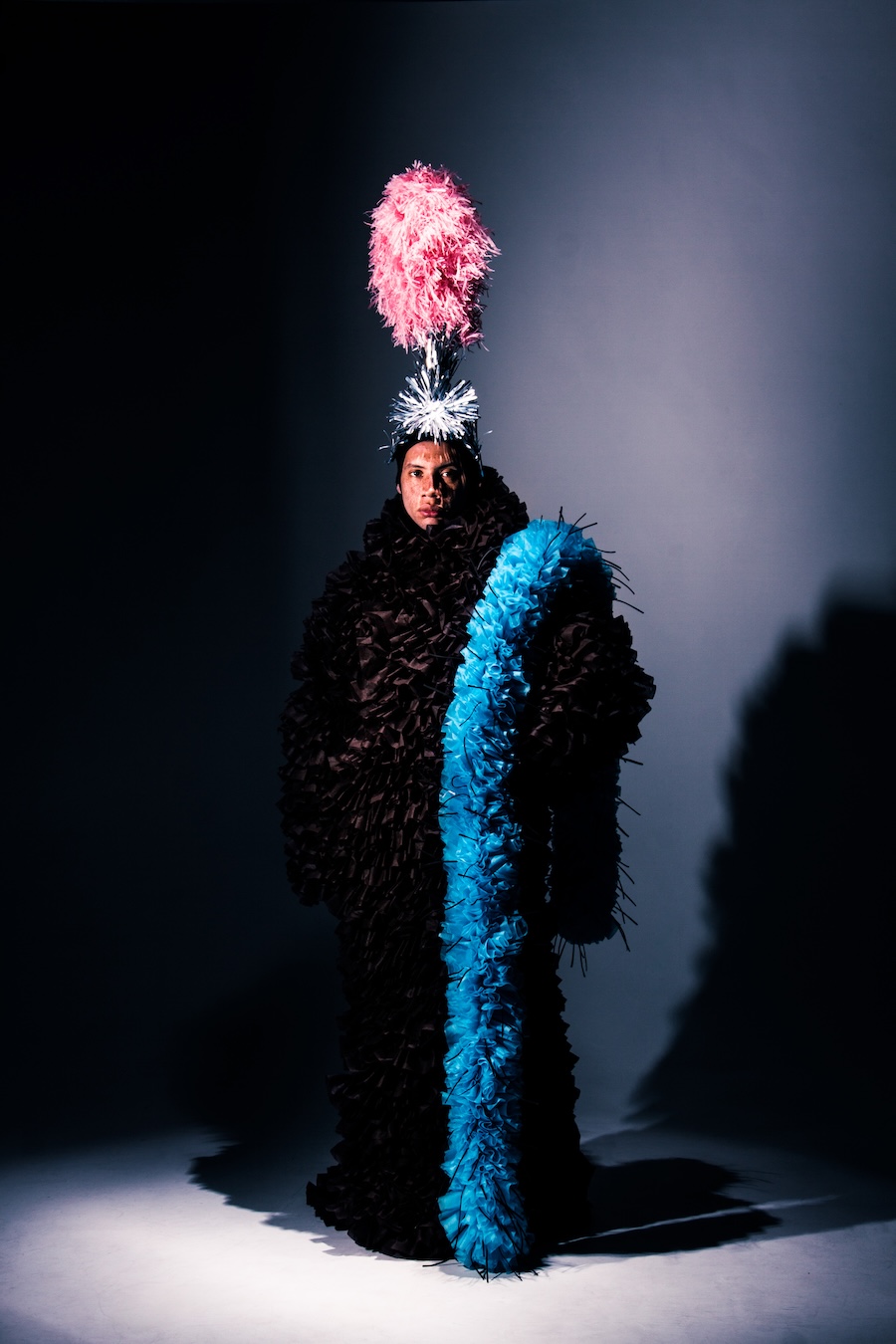
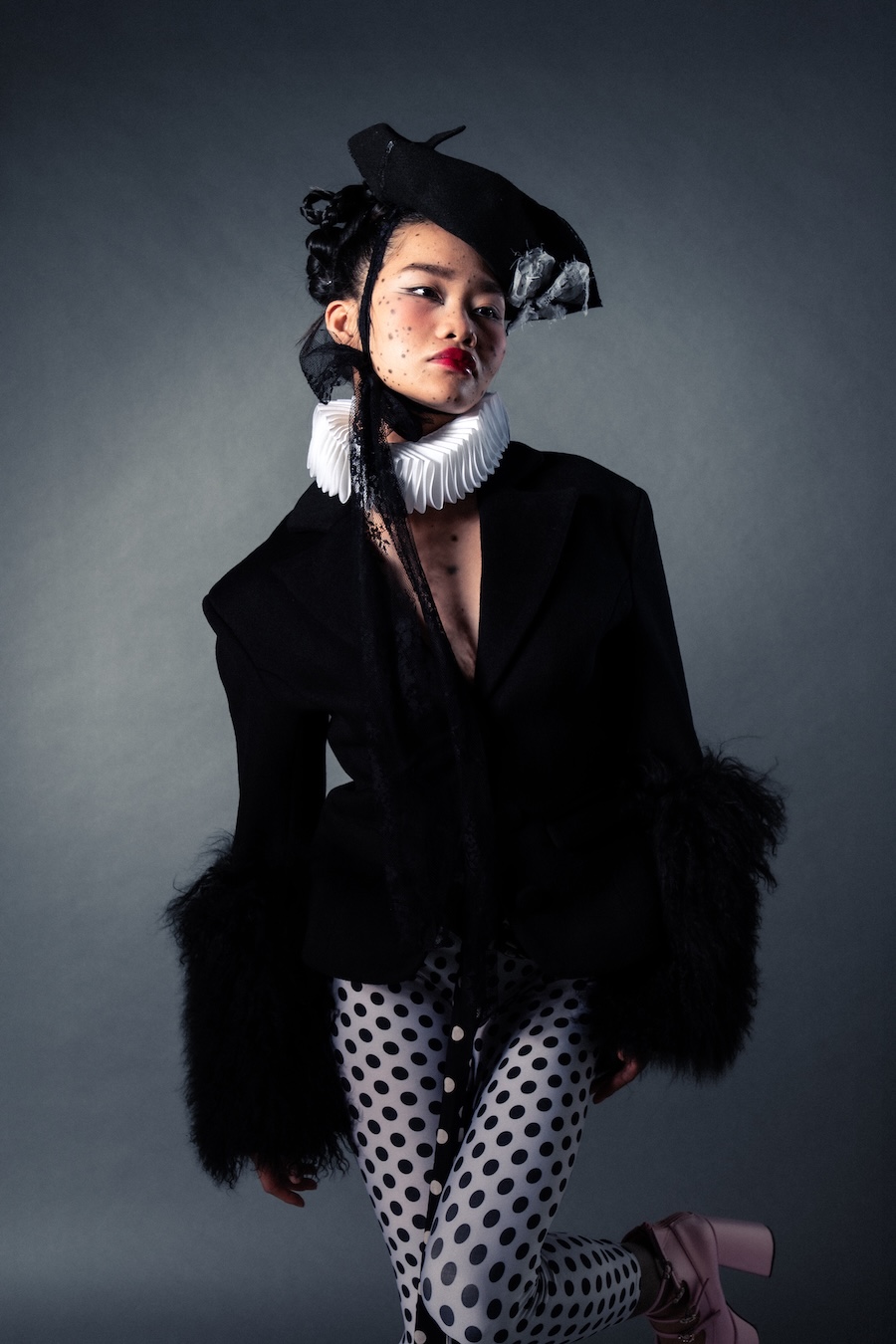
As an interdisciplinary artist, Madita defies simple categorisation, moving fluidly between the worlds of fine art, fashion, and performative expression. In this photo editorial, Madita proves that the artist and the artwork are often the same.
Fashion & style
fromBOOOOOOOM!
4 days ago"Idling" by Artist Greta Kresse
"These paintings merge the landscape and the intimacy of windows through the framing of the car, bridging the two realms I've typically explored separately. The car becomes a meditation on transition, on existing simultaneously here and elsewhere."
Arts
fromHyperallergic
3 days agoThe Art World Is a Joke
Kamrooz Aram is everywhere this year, from Mumbai Art Week to the Whitney Biennial, and critic Aruna D'Souza is grateful. She pens a beautiful meditation on his work, reading his abstract paintings as not simply a denunciation of Western modernism nor a reassertion of Islamic visual motifs, but something else entirely - something gestural, exuberant, riotous, and incomparably his own.
Arts
Berlin music
fromKALTBLUT Magazine
2 weeks agoExperience the Pulse of Existence: "Urgency" by Leonis Works at Haus Der Visionare - KALTBLUT Magazine
"Urgency" is a groundbreaking multi-disciplinary dance work exploring personal experience and socio-political issues through immersive choreography that transcends traditional stage boundaries.
fromKALTBLUT Magazine
3 weeks agoIn Conversation with Malte Bossen! A Movement Of Change. - KALTBLUT Magazine
Pornceptual challenges mainstream perceptions of pornography, reframing it as inclusive, artistic, intimate, and respectful rather than exploitative or taboo. Its events, from Berlin to international stages, bring a sex-positive, body-inclusive ethos to nightlife. Strict consent practices, no-photo policies, and spaces designed for authentic self-expression create a rare kind of freedom - one that allows visitors to explore identity, desire, and intimacy without judgment.
Berlin music
Fashion & style
fromKALTBLUT Magazine
1 month agoReflections of Pain - Carousel: A Fashion Performance Experience - KALTBLUT Magazine
CAROUSEL, a sustainable fashion collective, presented 'Reflections of Pain' featuring four designers exploring anguish and resilience through immersive fashion performance and storytelling.
fromKALTBLUT Magazine
1 month agoEmbracing Grief: Meret Siebenhaar's Intimate Journey in "Goodbye Lullabies" - KALTBLUT Magazine
Inspired by her brother's tragic suicide, the album transforms pain into a powerful musical narrative, breaking the silence surrounding suicide and offering a refuge for remembrance and healing.
Music


fromArtnet News
2 weeks agoBerlin's First-Ever Art Gala Was a Love Letter to the City
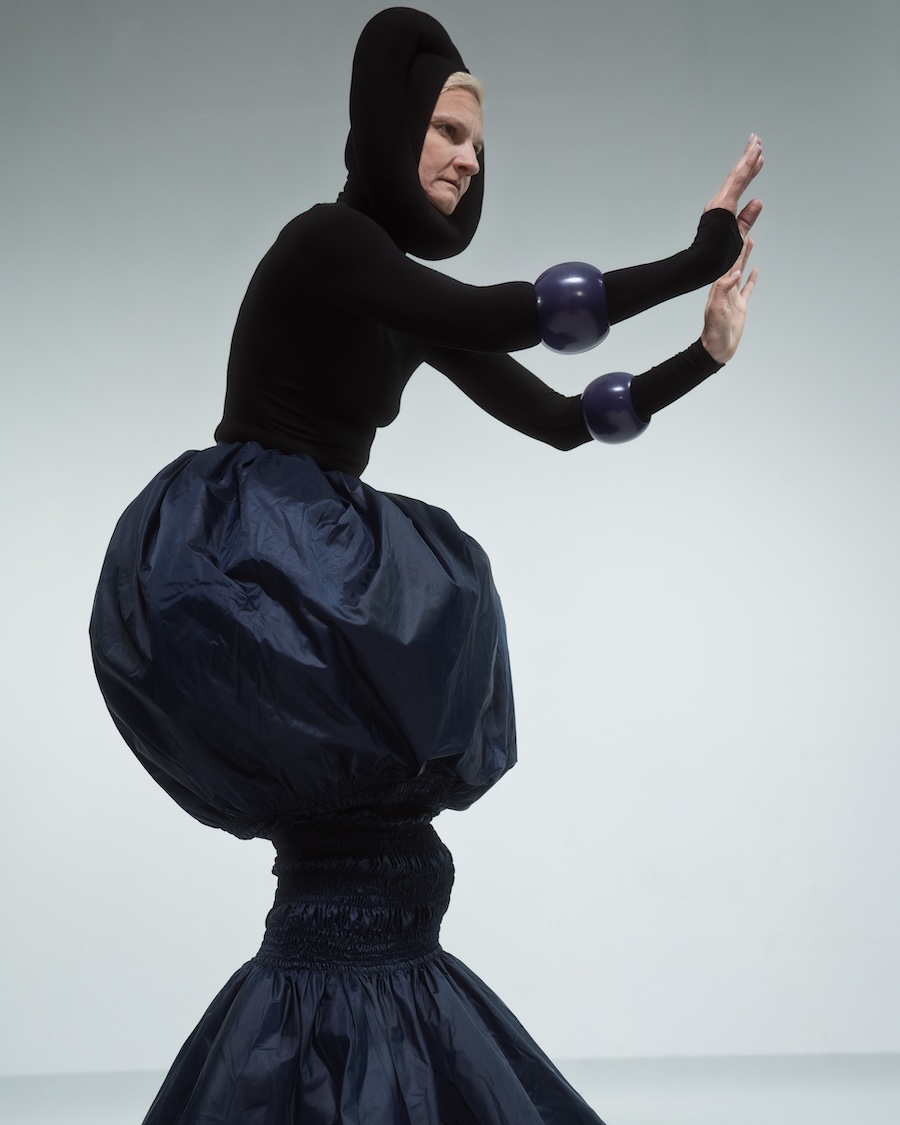
The evening, spearheaded by directors Sam Bardouil and Till Fellrath alongside patrons Monique Burger and Christine Würfel-Strauss, arrived at a fraught moment for Berlin, whose cultural scene faces funding cuts of roughly €130 million.
Arts
fromBerlin Art Link
2 months agoReview of Alexander Basil at Galerie Judin | Berlin Art Link
Alexander Basil has created a cosmos. His instantly recognizable style and established color palette implicate the subject matter in a process of calm and sure scrutiny. Central to this cage is the familiar figure that reappears, on a quest through daily life. The protagonist is both the subject and object of reflection that morphs in and with his surroundings, travelling worlds beyond the room he finds himself in.
Wellness
fromKALTBLUT Magazine
1 month agoSaint - KALTBLUT Magazine
There is a certain kind of presence that requires no grand staging. The editorial "Saint" captures exactly this moment: the intersection of youthful nonchalance and a nearly statuesque stillness. While the first part of the series maintained a cool distance in gleaming white, the continuation dives into an atmospheric darkness. Here, the boundaries between shadow and silhouette blur, lending the series a nearly sacral, heavy depth.
Fashion & style
fromwww.theguardian.com
1 month agoIt's dedicated exclusively to female artists, from Frida Kahlo to Tracey Emin': readers' favourite unsung museums in Europe
We visited the Female Artists of the Mougins Museum, in Mougins, a small village on a hill near Cannes. Full of exclusively female artists from Berthe Morisot in the 19th century and Frida Kahlo in the early 20th to contemporary figures such as Tracey Emin it houses an incredible collection of often overlooked art and artists. We visited on a rainy October day and it was remarkably quiet and calm. I particularly enjoyed the abstract works well worth a trip up the hill.
Travel
fromArtforum
2 months agoFatima Hellberg
Small, nimble cameras occupy perspectives inaccessible to human perception, creating images that are more visceral and embodied than the purely retinal. In the absence of verbal narration, we witness an interconnected logic of violence: The camerawork lets us see the brutal working conditions, but also the brutality toward other sentient beings and the sea, all unfolding as part of the same process.
Film
fromHyperallergic
3 weeks agoEmbracing Friction in the Art World
On Franklin Street in Brooklyn's Greenpoint neighborhood, one non-commercial gallery fosters 'a small, stubbornly human space for friction.' Friction—the ubiquitous buzzword that captures the simultaneous delight and discomfort of doing things the slow way—is at the heart of artists Pap Souleye Fall and Char Jeré's current show at Subtitled NYC. It also reflects the overall spirit of this little exhibition space and of a burgeoning movement to reject our culture of optimization in favor of a bumpier, more intimate, less alienating experience.
Arts
fromBerlin Art Link
2 months agoReview of Moyra Davey at n.b.k. | Berlin Art Link
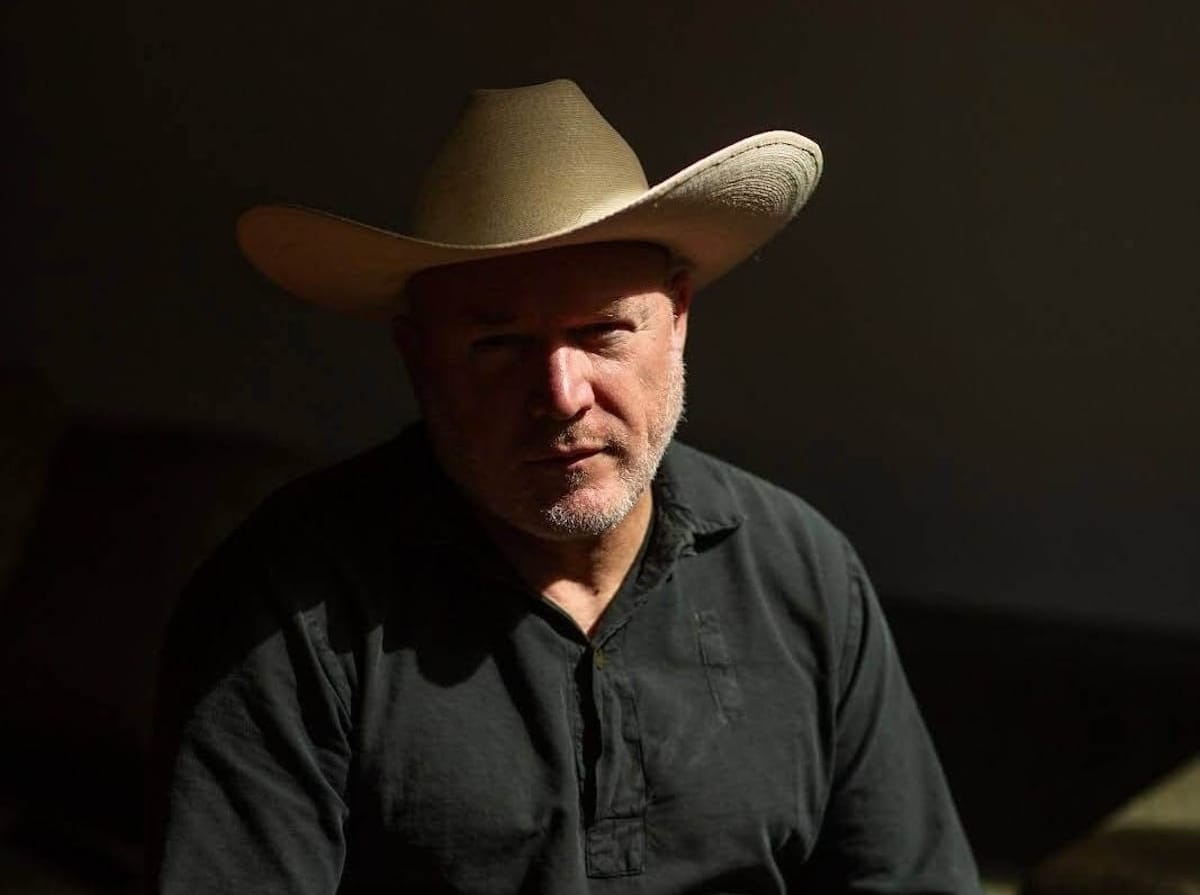
Moyra Davey's first major survey in Germany traces a multimedia artistic practice rooted in repetition and referential modes of creation. Currently on view at Neuer Berliner Kunstverein (n.b.k.), the exhibition showcases over 30 years of the artist's oeuvre, featuring lens-based media in both analog and digital forms. Drawing from her own life as well as from personal research, Davey's work interplays text and image-her distinct voiceover narration providing compelling deliberations about grief, sexuality and survival.
Berlin
fromwww.amny.com
1 month agoThe Modern Salon redefines art and brings quiet design authority to the Winter Show | amNewYork
In the midst of the fabulous The Winter Show last weekwhere connoisseurship, collecting, and cultivated taste converge under one vaulted roofthere was a moment of pause, exhale, and recalibration at the heart of the fair: the VIP Collectors Lounge. This year, not as sponsorship, but as philosophy made spatial. It was titled The Modern Salon. Conceived and designed by frenchCALIFORNIA, The Modern Salon rejected the trade-fair instinct toward visual noise and brand fragmentation.
Design
Photography
fromKALTBLUT Magazine
2 months agoCamille Schaeffer: A Reflective Visual Archive - KALTBLUT Magazine
Camille Schaeffer creates sensory, reflection-based installations and collaborative film and photography that explore perception, embodiment, and the transformation of space through movement and materials.
fromBerlin Art Link
2 months agoStudio Visit with Myriam Jacob-Allard | Berlin Art Link
Myriam Jacob-Allard appears through a heavy door and greets us with an easy warmth, scooping us up and welcoming us into her world. We are immediately absorbed by an unexpected color-drenched stairwell. Every surface is saturated in a dense, glowing yellow that reads unmistakably as egg yolk, insulating us from the outside in as we make our ascent. We turn into a long hallway whose fragrant freshly waxed floor catches the light, reflecting it back upward so that the corridor seems to glow beneath our feet.
Photography
fromwww.kaltblut-magazine.com
1 month agoExperience the Essence of Black Creativity at Platte Berlin!
From February 17 to March 10, 2026, the vibrant intersection of fashion and art will come alive at Platte Berlin with SPOTLIGHT ON BLACK CREATIVITY. This unmissable pop-up exhibition showcases the brilliance of Black designers and visual artists, setting the stage for an extraordinary celebration of heritage and contemporary expression. Dive into a world where creativity knows no bounds, featuring groundbreaking brands such as adesa, Amaluma Studio, Gelisa George, Dinga, Azea Zalea, and GEMZ.
Fashion & style
fromKALTBLUT Magazine
2 months agoGulu's Berlin Solo Debut: NIHILISTIC SUPERSTAR at Migrant Bird Space - KALTBLUT Magazine
As we traverse an era dominated by algorithms and driven by the impulse for efficiency, we increasingly sacrifice our ability to feel. In this "age of emotional poverty," highlighted by philosopher Byung-Chul Han, our emotional landscapes grow flatter, our pains diluted, and genuine intimacy replaced with a sterile digital façade. However, in Gulu's evocative imagery, the body emerges as a resilient space of resistance, pushing back against a world that demands we conform to neat, predictable narratives.
Photography
fromBerlin Art Link
1 month agoAn Interview with Monia Ben Hamouda | Berlin Art Link
Monia Ben Hamouda's work weaves calligraphy, material transformation and ancestral memory into sculptures and installations that oscillate between language and form. In conversation, we traced the conceptual and sensory threads of her practice, unfolding through key works that reflect on heritage, embodiment and translation. Using materials such as iron, stone and pigment, her installations become sites where history is not only referenced but physically felt.
Arts
fromwww.theguardian.com
1 month agoArtist Henrike Naumann used sofas, chairs and coffee tables to interrogate a divided Germany
In 2019, the artist Henrike Naumann built an East German living room and rotated it by 90 degrees. The sofa, chairs and coffee table all in the unmistakable aesthetic of the 1990s climbed the wall. The carpet became vertical. Cabinets hovered near the floor alongside a CD rack, baseball badges and a flag bearing a slogan in Sutterlin script: Beware of storm and wind and East Germans who are enraged.
Arts
Arts
fromThe Art Newspaper - International art news and events
1 month ago'Still young and going strong': Berlin's pioneering contemporary art space Hamburger Bahnhof turns 30
Hamburger Bahnhof will operate as an experimental, production-oriented public museum that engages artists to reshape institutional structures, practices, and public dialogue.
Arts
fromdesignyoutrust.com
2 months agoRobert Reimann Turns Synthography Into Surreal Fine Art Where Prompts Meet Hand And Lens
A wide-ranging showcase of contemporary visual art and photography spanning surrealism, digital and AI art, conceptual sculptures, documentary photography, and inventive fashion and design.
fromHyperallergic
2 months agoYour 2026 Art Book Reading List
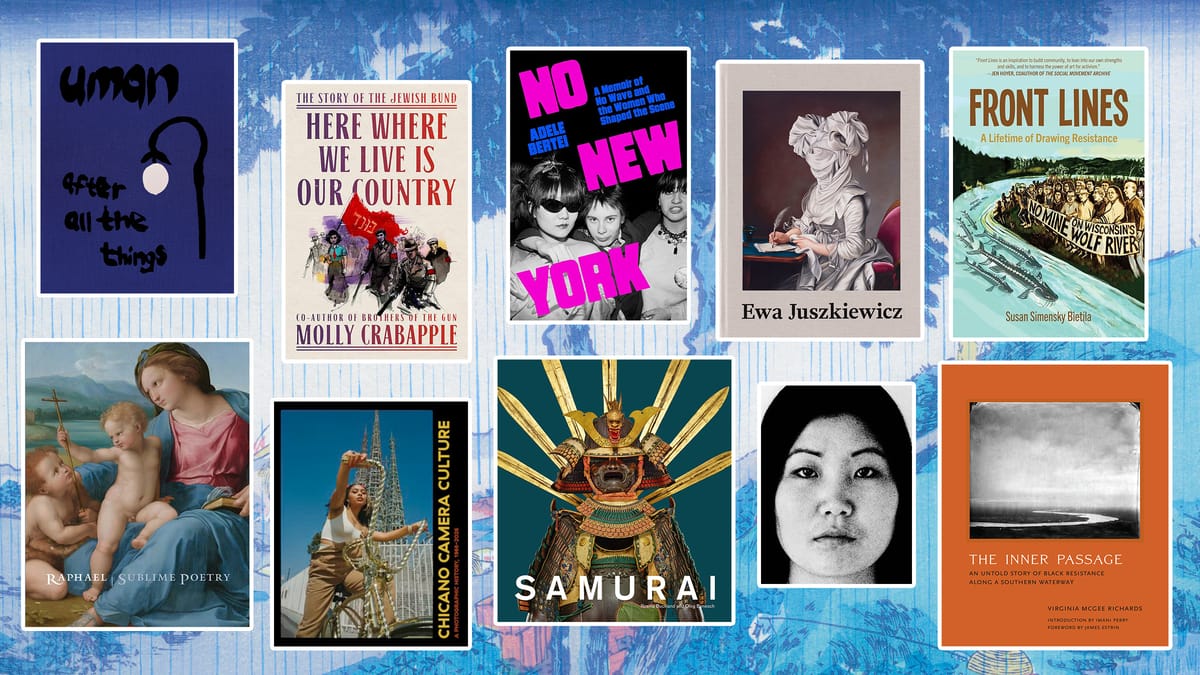
If the internet began as a dream of a decentralized network, why would a history of it stick to the center? Mindy Seu takes this idea to heart in A Sexual History of the Internet. A synthesis of artist book, historical study, and performance piece, the project looks to cyberfeminists, sex workers, and others who have shaped online culture from the margins.
Arts
Arts
fromThe Art Newspaper - International art news and events
2 months agoComment | We are living in an age of bad painting-the medium must be challenged to stay interesting
Contemporary painting shows a widespread trend of complacent, market-driven, and poorly executed works that often lack urgency and substantive engagement.
fromBrooklyn Eagle
2 months agoThe Brooklyn Museum appoints Robert Wiesenberger as new senior curator of contemporary art
"We are delighted to welcome Robert to our esteemed curatorial team at the Brooklyn Museum," says Anne Pasternak, Shelby White and Leon Levy director. "His expertise and vision will undoubtedly expand and enrich the stories we are able to tell. We look forward to his insightful contributions as we continue to deepen our cultural offerings."
Arts
fromArtnet News
2 months agoWhy Art Karlsruhe Remains Essential for Collectors and Galleries
Bringing together roughly 180 galleries representing 18 countries, the presentations together cover 120 years of art history. Using its distinctive fair model featuring halls dedicated to different art historical periods and dialogues, historically significant works from classical Modernism-comprised of pivotal movements from the late 19th- to mid-20th century like Concrete art, Art Informel, Pop art, and more-meet the dynamic field of contemporary art today.
Arts
Arts
fromJuxtapoz
2 months agoJuxtapoz Magazine - Ayako Rokkaku "SCENERY IN THE PROCESS OF BEING FORMED" @ Konig Galerie, Berlin
Ayako Rokkaku’s work emphasizes tactile, hand-driven processes where landscapes and collected materials shape sculptures, glass, fabric, bronze, ceramics, and paintings as form slowly appears.
fromBerlin Art Link
2 months agoReview of David Horvitz at ChertLudde | Berlin Art Link
In ChertLüdde, evocations abound: the show is a transcription of California (I've never been, but I imagine it to be sun drenched and a bit dehydrated), which is transposed onto the grid of the gallery in Schöneberg. Shells, dried stalks, bits of pottery, sea urchins, art left behind by visitors, are arranged on a stage (a duplication of the one found in Horvitz's garden in Los Angeles),
Arts
[ Load more ]