#south-korea-us-trade
#south-korea-us-trade
[ follow ]
#tariffs #trade-policy #south-korea #tariff-reduction #electric-vehicles #us-tariffs #k-beauty #cultural-exports

fromFortune
2 days agoFrance, South Korea say they'll work together on reopening Strait of Hormuz | Fortune
Macron underscored the need for France and South Korea to cooperate to help reopen the strait and deescalate Middle East animosities, affirming their resolve to secure the safe shipping route in the Strait of Hormuz.
World politics
fromTNW | Asia
5 days agoSouth Korea turns to Russian naphtha as chip supply chain faces Middle East crisis
South Korea imports about 45 percent of its naphtha, a critical petrochemical feedstock, with roughly 77 percent of those imports historically arriving from the Middle East. That supply line is now, for all practical purposes, severed.
World news




fromwww.dw.com
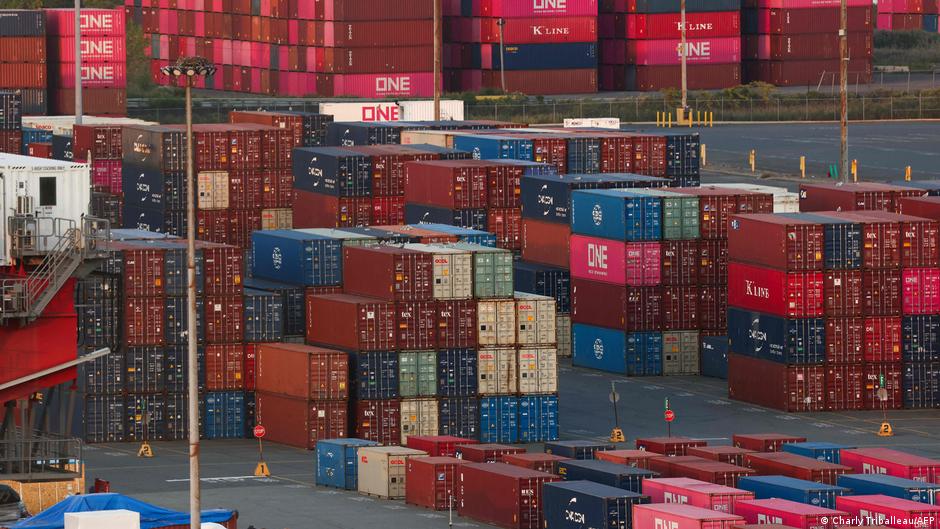
6 days agoWTO talks end in stalemate over e-commerce
"We worked hard," WTO Director-General Ngozi Okonjo-Iweala said, adding that the US and Brazil in particular "need more time" to work out their differences over the agreement to impose levies on cross-border online orders.
World politics
#us-china-trade-relations


World news
fromwww.dw.com
2 weeks agoUS-China trade talks 'stable' despite mutual accusations
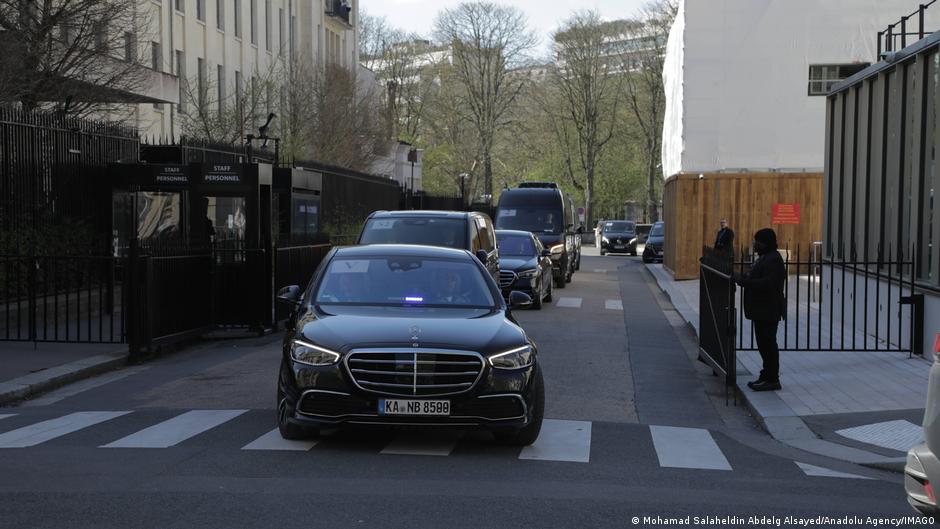
US and Chinese trade officials concluded a two-day Paris summit with stable discussions, agreeing on agricultural purchases and proposing new trade boards while disputes over forced labor investigations and Middle East tensions persist.
European startups
fromwww.dw.com
3 weeks agoUS trade probes could lead to new tariffs for EU, China
The US launched two trade investigations targeting excess industrial capacity and forced labor imports, potentially leading to new tariffs on major trading partners after the Supreme Court limited Trump's tariff authority.
Retirement
from24/7 Wall St.
3 weeks agoRetirees Are Using EWY's 40% Surge to Bet on South Korea's AI Chip Recovery
EWY has surged 37% in 2026 driven by AI infrastructure demand for advanced memory chips, but its heavy semiconductor concentration creates cyclical volatility that retirees must evaluate carefully.
fromwww.aljazeera.com
2 weeks agoUS East Asian allies in legal quandary as Trump seeks help in the Middle East
Trump is expected to raise the issue of warships when he meets with Japanese Prime Minister Sanae Takaichi at the White House on Thursday, according to Al Jazeera correspondent Jack Barton. People do expect him to put pressure on Takaichi again to send warships to the Strait of Hormuz. It makes sense in a way because Japan is so dependent on energy supplies from the Middle East.
World politics
Intellectual property law
fromArs Technica
1 month agoTech industry is in tariff hell, even if refunds are automated
Trade groups urge courts to establish a clear tariff refund process as 300,000 US businesses await $175 billion in unlawful tariff collections, with interest accruing at $23 million daily.
fromwww.dw.com
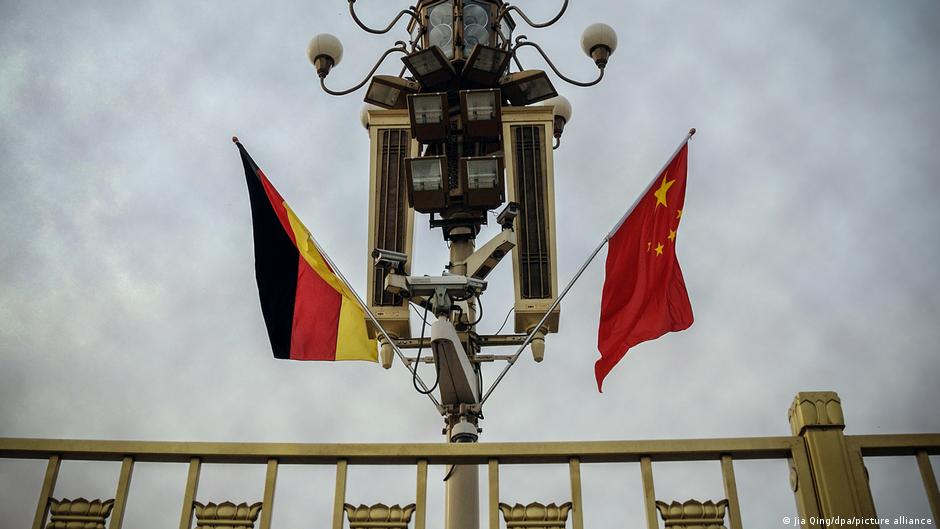
1 month agoGermany weighs China risks in new trade era
"In the era of great powers, our freedom is no longer a given. It is under threat," said German Chancellor Friedrich Merz at the opening of the Munich Security Conference earlier in February. Merz explicitly mentioned China. "China has the ambition to shape global affairs, laying the foundations for this over many years with strategic patience. In the foreseeable future, Beijing could draw level with the US in terms of military might. China is systematically exploiting the dependencies of others, reinterpreting the international order on its own terms," he said.
Miscellaneous

Canada news
fromwww.mercurynews.com
2 months agoCanada, breaking with US, agrees to cut tariff on Chinese EVs in return for lower tariffs on Canadian farm products
Canada agreed to remove its 100% tariff on Chinese electric vehicles in exchange for lower Chinese tariffs on Canadian farm exports, including canola seeds.
fromFortune
1 month agoTrump team's justification for tariffs was rebalancing the trade deficit-it's not going the way they wanted | Fortune
President Trump hates the United States' trade deficit. Indeed, he is so concerned about the "economic and national security risks" the deficit creates that he imposed a tariff regime that raised geopolitical tensions across the globe.The only problem is that his tariffs don't appear to be rebalancing the huge volume of goods and services the U.S. imports, versus its declining exports.
US politics


fromLondon Business News | Londonlovesbusiness.com
1 month agoMoscow and Washington examine 'possible and proposed trade and economic interaction' - London Business News | Londonlovesbusiness.com
The United States is reportedly in discussions with Russia on a range of high-stakes infrastructure and trade projects, including a nuclear-powered datacenter and a tunnel under the Bering Strait, according to The Economist. Sources close to the talks indicate that associates within the orbit of former President Donald Trump are exploring potential stakes in Russian energy assets. In addition, negotiations are reportedly ongoing over rare-earth metals, oil, and gas projects in the Arctic region.
World news
fromRealagriculture
2 months agoFrontlines: From trade partner to pressure point - Canada's evolving leverage with Trump
Shapiro begins by revisiting-and correcting-his earlier view that Canada had little room to push back against U.S. pressure. "I think he's making a bet that Canada has far more leverage than I was giving it credit, and that actually Canada is the one holding the cards here," Shapiro says, arguing that Trump's negotiating style and domestic political constraints give Canada more room than was first assumed.
Canada news
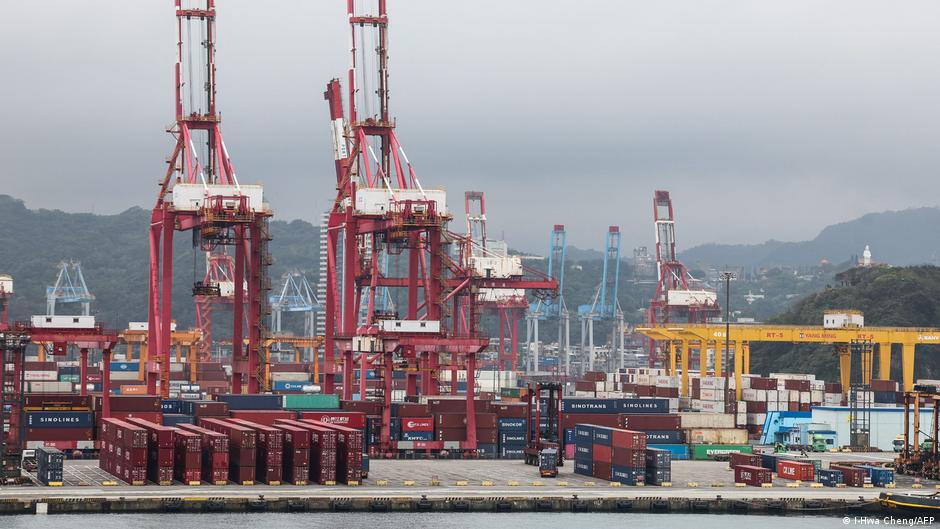

fromwww.theguardian.com
2 months agoThe Guardian view on the EU's answer to Trump: trade without threats | Editorial
For the European Commission president, Ursula von der Leyen, the EU's trade pact with India was the mother of all deals. Seen from the other end of the telescope, it looked like the mouse of all deals, with just 4bn (3.5bn) in tariff reductions a rounding error in a 180bn trading relationship. But that misses the point: this is about economic heavyweights resetting the terms of their cooperation because of Donald Trump's use of tariffs as a tool of economic and political compulsion.
Europe politics
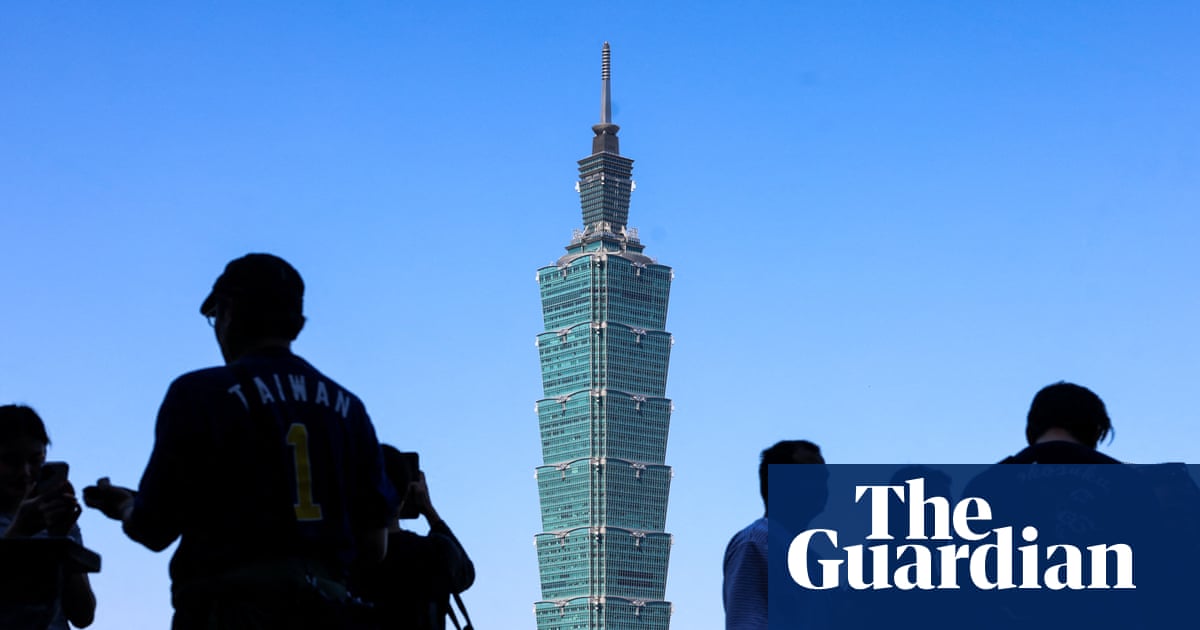
fromThe Cipher Brief
2 months agoWhat U.S. - China Cooperation Means for the World
Of all countries, China should appreciate the need to stop Mr. Maduro from smuggling these illicit drugs into the U.S., killing tens of thousands of Americans. China experienced this in the Opium War of 1839-1842, when Great Britain forced opium on China, despite government protestations, resulting in the humiliating Treaty of Nanjing, ceding Hong Kong to Great Britain. Mr. Maduro was violating U.S. laws, in a conspiracy to aid enemies and kill innocent Americans.
World politics

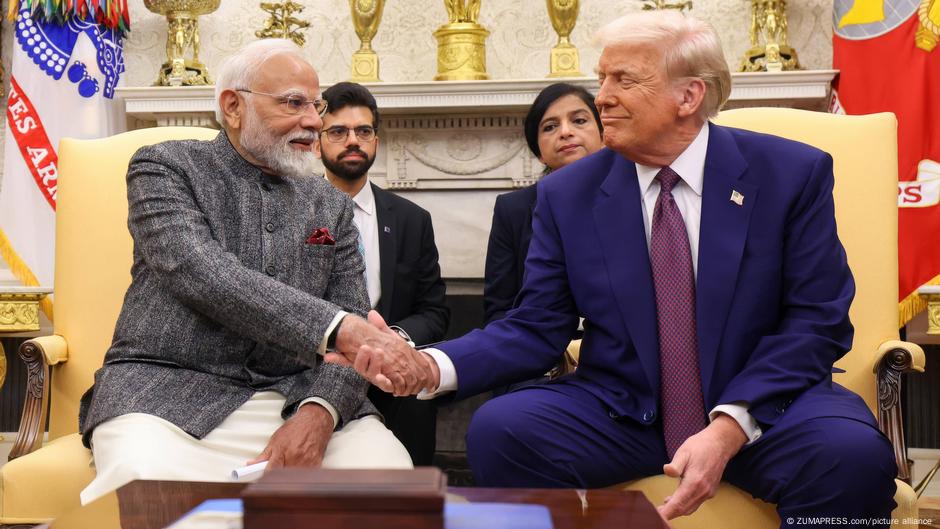
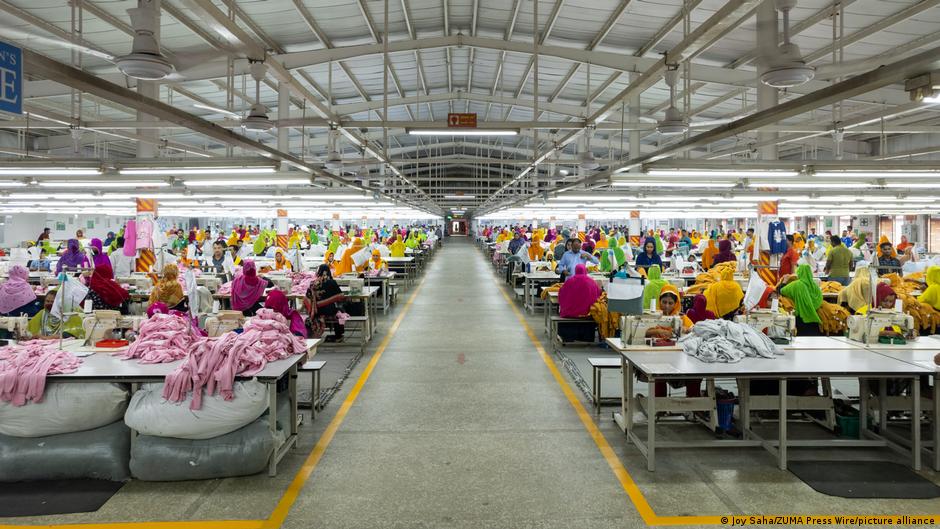

fromFortune
2 months agoEU moves closer to another major Asian power on trade, upgrading ties with Vietnam | Fortune
The upgrade places the EU on the same diplomatic footing as the United States, China and Russia and was announced during a visit to Hanoi by European Council President António Costa. "At a moment when the international rules-based order is under threat from multiple sides, we need to stand side by side as reliable and predictable partners," Costa said, adding that the partnership is about "developing spheres of shared prosperity."
Miscellaneous

fromwww.dw.com
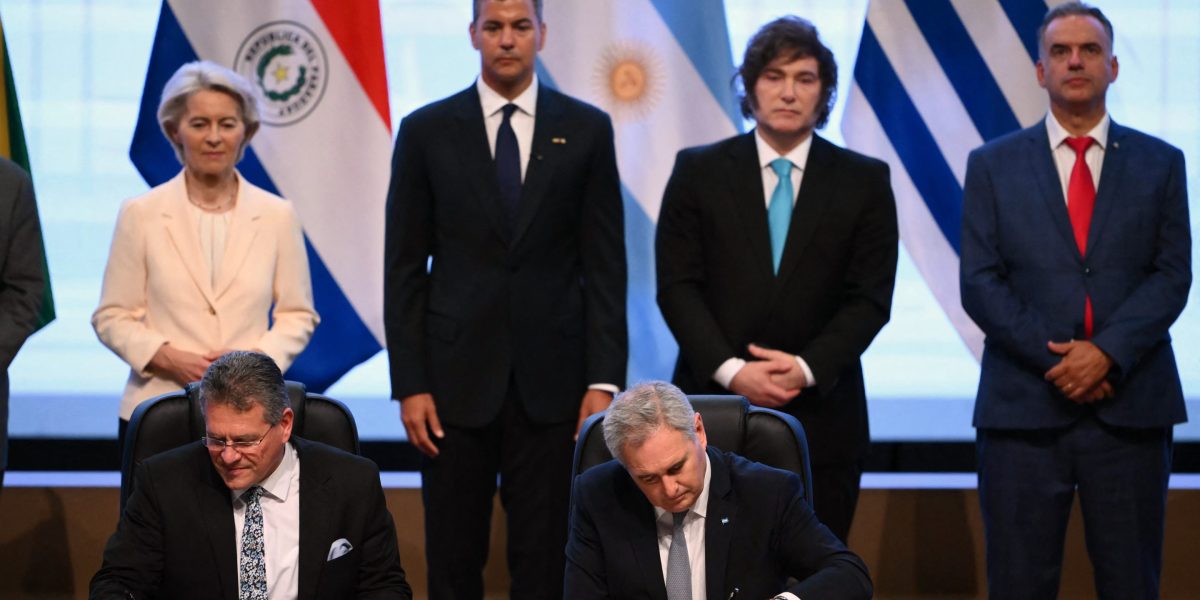
2 months agoJapan, South Korea vow stronger ties amid China challenge
"Both sides agreed on "shuttle diplomacy" three years ago, with regular meetings at the highest level. Lee's national security adviser, Wi Sung Lac, said the summit's goal was to build trust between the South Korean and Japanese leaders. Lee and Takaichi discussed ways to boost cooperation in a raft of areas including cutting-edge technologies such as artificial intelligence, combating cross-border crime, and promoting people-to-people exchanges."
World news



[ Load more ]