#spot-x
#spot-x
[ follow ]
#google-maps #advertising #apple-maps #privacy #location-sharing #gemini-ai #local-businesses #location-tracking #ai



Business intelligence
fromLondon Business News | Londonlovesbusiness.com
5 days agoWhy GIS matters in modern infrastructure and urban planning: Building smarter, future-ready cities - London Business News | Londonlovesbusiness.com
GIS is essential for effective urban planning, enabling data-driven decisions that enhance infrastructure and quality of life in rapidly growing cities.
fromSearch Engine Roundtable
4 days agoOpenAI ChatGPT Enables Location Sharing For More Localized Near Me Results
Users can now choose to share their device location so ChatGPT can provide more relevant information, such as local recommendations, news, and weather. Sharing your device location is completely optional and off until you choose to enable it.
Roam Research
Data science
fromFortune
2 weeks agoPokemon Go players built a 30-billion-photo map that's now training robots to deliver your pizza | Fortune
Pokémon Go players' 30 billion crowdsourced images created a photorealistic street-level world model enabling autonomous delivery robots to navigate cities globally.
fromThe Cipher Brief
2 weeks agoGPS Denied: Time to Upgrade
On February 28, ships navigating the Strait of Hormuz started appearing on tracking screens in places they couldn't possibly be. They appeared to be sitting on airport runways, parked on Iranian land, and clustered at nuclear power plants. More than 1,100 commercial vessels had their navigation systems scrambled in a single day following US-Israeli airstrikes on Iran, bringing a waterway that handles a fifth of the world's oil exports to a halt.
Science
Arts
fromThe Art Newspaper - International art news and events
2 weeks agoNew book shows why physical maps have an important role to play in our digital world
A cartography professor discovered 96 historically significant maps in a forgotten university archive, revealing cartography's vital role in preserving sociopolitical memory and demonstrating maps' importance beyond navigation.
Digital life
fromSilicon Canals
2 weeks agoThe generation that memorized phone numbers, gave directions using landmarks, and navigated by instinct built a relationship with the physical world that GPS and contact lists have made impossible to develop - and the thing they lost wasn't convenience, it was a form of spatial intelligence that made them participants in their environment instead of passengers - Silicon Canals
Reliance on digital navigation tools has diminished our spatial memory abilities and mental map-building skills, causing measurable changes in brain structure and cognitive function.
frominsideevs.com
3 weeks agoGoogle Maps Is Getting 'The Most Significant Update' In Over A Decade
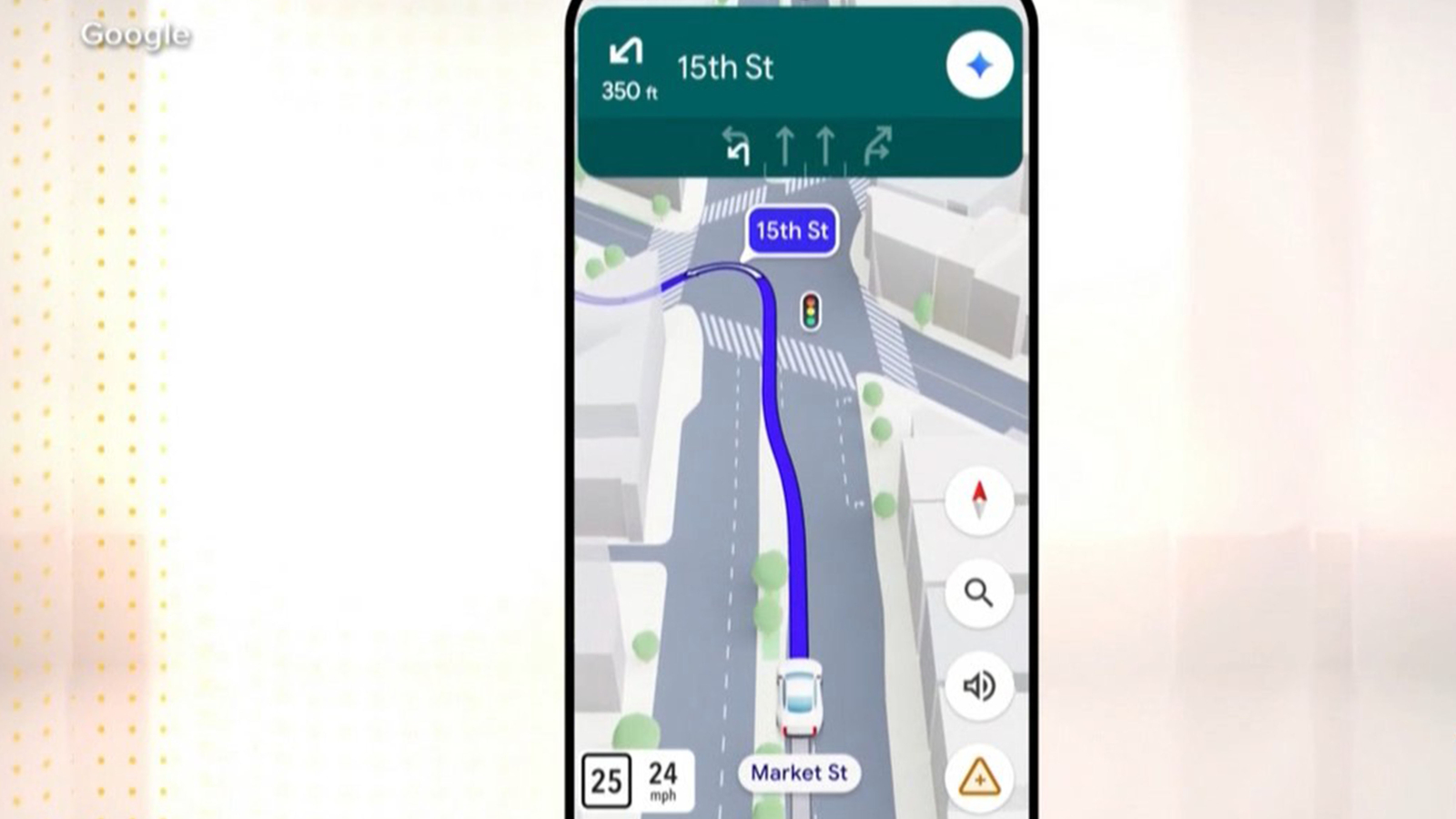
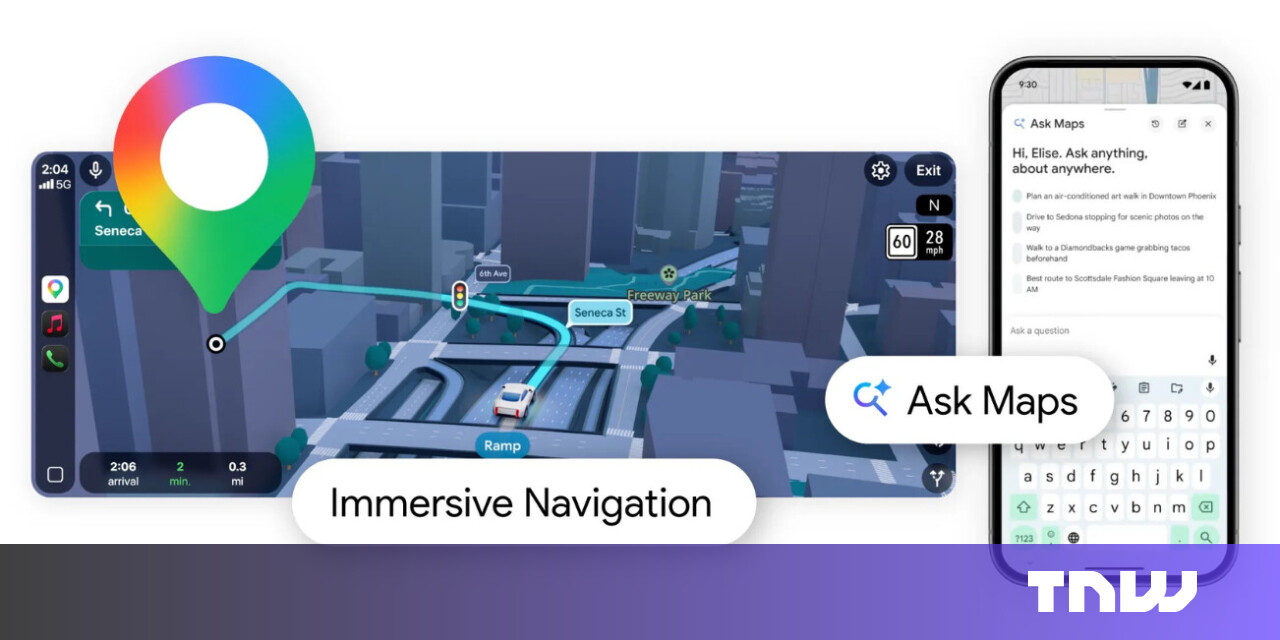
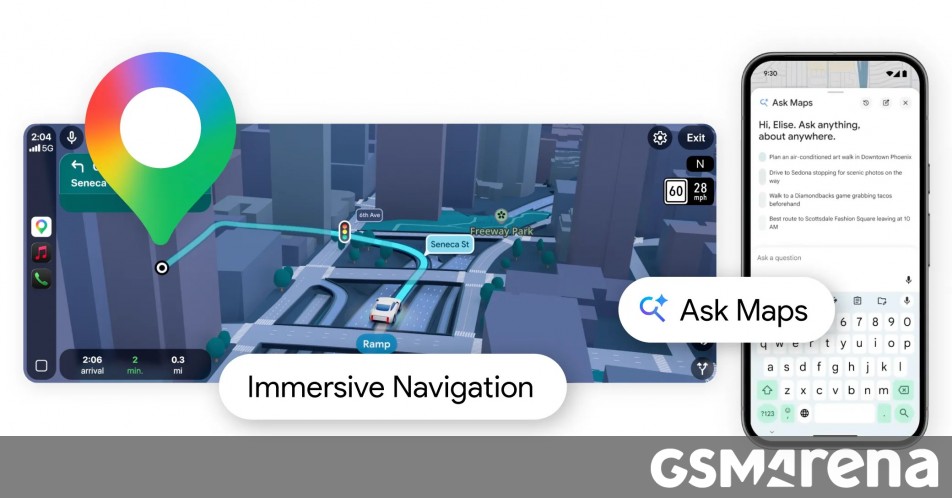
The new Immersive Navigation mode introduces a detailed 3D map that includes buildings, overpasses, crosswalks, traffic lanes, traffic lights, and stop signs. Google bills this new mode as being the most significant update in over a decade to the app's driving experience. According to the American IT giant, the changes should help drivers stay focused and informed on the road, with Maps giving fresh, real-world information and natural directions.
Gadgets



fromTechRepublic
3 weeks agoDelivery Robots Hit Streets Backed by Niantic's Pokemon GO-Era Mapping - TechRepublic
Coco is pushing beyond the slower sidewalk delivery bots that have shaped the category so far. The new robot can move onto streets and bike lanes where legal and appropriate, and it can carry multiple orders at once, according to Semafor's report on Coco 2.
Toronto startup
Business intelligence
fromTechzine Global
3 weeks agoThoughtSpot launches Spotter Semantics for AI agents
ThoughtSpot introduces Spotter Semantics, a semantic layer using deterministic search tokens to deliver consistent, trustworthy insights to AI agents and business users without relying on LLM-powered text-to-SQL.
Toronto startup
fromTechCrunch
3 weeks agoZoox starts mapping Dallas and Phoenix for its robotaxis | TechCrunch
Zoox is expanding autonomous vehicle testing to Dallas and Phoenix by first mapping streets with manually driven Toyota Highlanders before deploying self-driving systems and purpose-built robotaxis.
Roam Research
fromFast Company
2 weeks agoGoogle Maps and Apple Maps are making parking harder than it has to be
Navigation apps lack parking guidance, causing drivers to waste time searching for spots and increasing traffic pollution; MIT research demonstrates that providing probability-based parking recommendations could improve travel decisions and reduce congestion.
Wearables
fromTechCrunch
1 month agoA new app alerts you if someone nearby is wearing smart glasses | TechCrunch
Nearby Glasses is an Android app that detects Bluetooth signals from smart glasses and alerts users when recording devices are nearby, addressing privacy concerns about non-consensual surveillance.
Wearables
fromYanko Design - Modern Industrial Design News
1 month agoXiaomi Built a Tracker That Works on Apple Find My and Google - Yanko Design
Xiaomi's new Tag supports both Apple Find My and Google Find Hub, providing broader network coverage than single-ecosystem trackers for more reliable item location.
fromThe Verge
1 month agoAndroid's Find Hub adds iPhone-like luggage tracking links
Google is rolling out an Android update that includes the ability to share the location of your missing luggage with an airline. It's similar to the luggage-tracking feature Apple brought to the iPhone, allowing you to view the location of your Find Hub tag or accessory on a map, and provide your airline with a link to the information they need to track it down.
Gadgets
fromFuturism
1 month agoCities Are Shredding Their AI Surveillance Contracts en Masse
Since the start of 2025, at least 30 cities have canceled their contracts with Flock Safety, the AI surveillance company whose CEO wants to end all crime within the decade by blanketing the country in ever-watchful security cameras. That startling figure comes courtesy of NPR, which reports that concerned activists are putting mounting pressure on cities to cut ties with the company. "We are seeing a lot more momentum," Will Freeman, a Colorado-based organizer who runs the website DeFlock.org, told the broadcaster.
Privacy professionals


Software development
fromBusiness Matters
2 months ago5 Reasons Why Maptive is The Best GIS Platform for Location Intelligence
Maptive transforms spreadsheet location data into fast, browser-based interactive maps and optimized routes, delivering accessible location intelligence without specialized GIS expertise.
fromZDNET
1 month ago41 hidden Google Maps settings and features every power user should know
After writing about Google Maps for nearly 15 years, I've learned firsthand that it's packed with hidden settings, menus, and toggles. Many help you fine-tune the app to your liking, while others unlock new features you probably didn't know existed.
Roam Research
fromMedium
2 months agoWhy Does Using AI Feel Like Cheating when It's Actually Like Google Maps?
AI, like Google Maps, provides the "prediction" of the best route, but the "judgement" of the destination remains with the driver (Author x Gemini) Yet when it comes to using AI for decisions, I see people paralysed by exactly these fears. This ranges from choosing what to study to planning a career move to even planning an article. "Is this cheating?" "Will I lose my critical thinking skills?" or "Am I even thinking for myself anymore?"
Artificial intelligence
Gadgets
fromZDNET
2 months agoI've tried countless tracker tags, and these are the best I've found for Android
Rolling Square's AirNotch Pro Dual tags provide cross-platform Find My and Google Find Hub compatibility, durable IP68 construction, long battery life, omnidirectional sound, and built-in key attachment.
fromAdrelien | Meshtastic, IoT & Off-Grid Tech Guides
1 month agoWhy Your Meshtastic Node Sees More Satellites (GNSS Explained)
The other day we were scrolling through r/meshtastic and someone asks: "Why does my device show 10+ satellites in view while my buddy's barely sees 8?" Good question. Really good question, actually. And it's about to take us down a rabbit hole that involves atomic clocks, Cold War competition, European independence, and why your Meshtastic node cares about all of this.
Gadgets
fromwww.socialmediatoday.com
1 month agoSnapchat Expands Home Safe Alerts to Any Destination
As explained by Snap: Snapchatters can set one-time or recurring alerts for places beyond their home, offering a simple, automatic way to share when they've arrived where they are going. Arrival Notifications now work for everyday moments - like letting someone know you're back for the night while traveling, or automatically sharing when you arrive at a weekly class, practice, or meeting - without needing to remember to send a message.
Gadgets
[ Load more ]