#staircase-functionality
#staircase-functionality
[ follow ]
#architecture #interior-design #home-design #design #home-renovation #home-improvement #sustainability #home-decor

#interior-design

Remodel
fromApartment Therapy
1 month agoA Designer Fixed My Narrow Living Room Layout - Now It Feels 5x Bigger
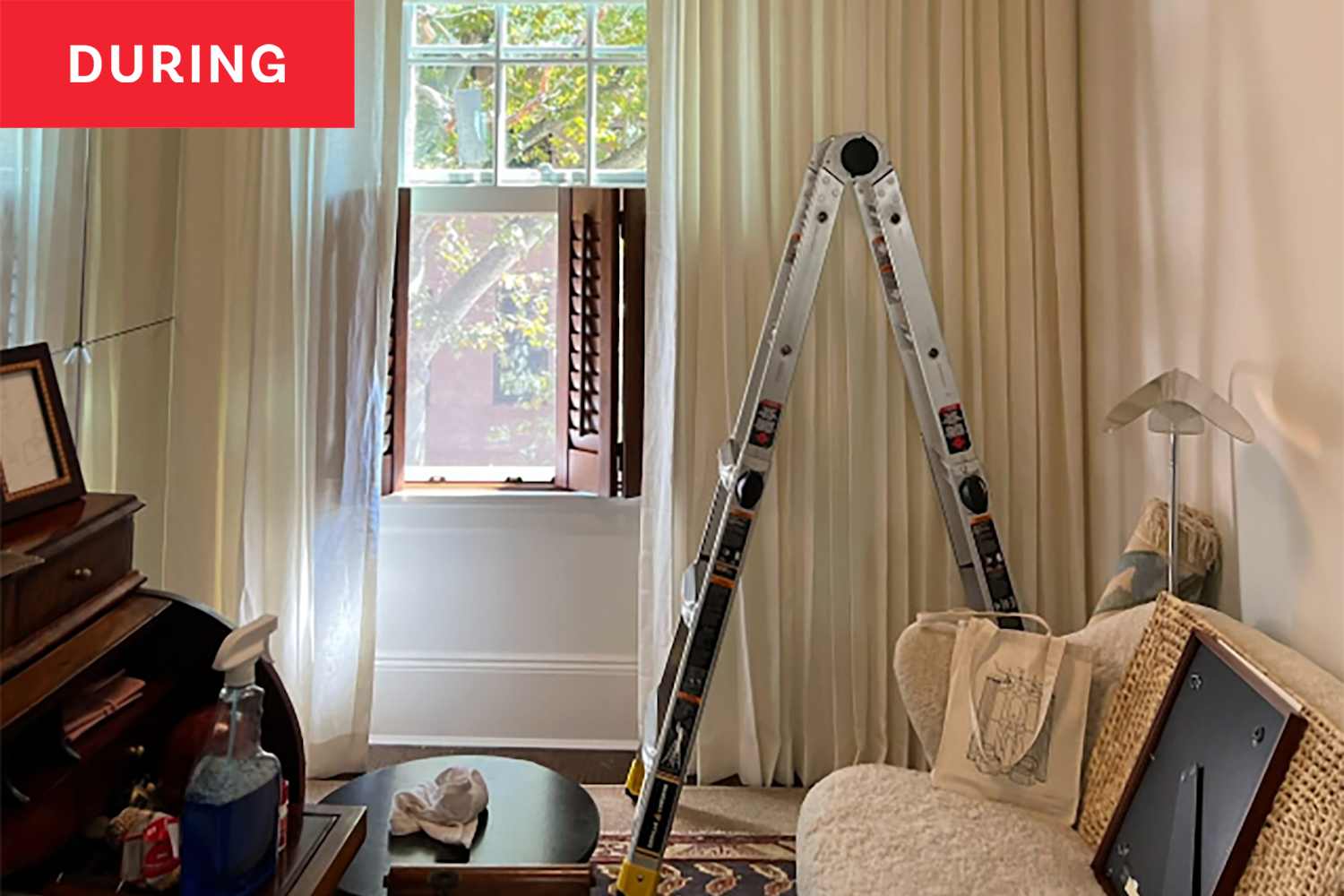
A designer transformed a narrow, awkwardly-configured living room into a functional, inviting space by strategically addressing traffic flow, furniture placement, and selecting light-colored slipcovered seating.
Remodel
fromApartment Therapy
1 month agoA Designer Fixed My Narrow Living Room Layout - Now It Feels 5x Bigger
A designer transformed a narrow, awkwardly-configured living room into a functional, inviting space by strategically addressing traffic flow, furniture placement, and selecting light-colored slipcovered seating.
Mindfulness
fromSilicon Canals
3 hours agoNot everyone who keeps a tidy home is organized. Some of them discovered as children that the inside of their house was the only variable that responded predictably to effort, and decades later they're still soothing an old chaos by straightening cushions that don't need straightening. - Silicon Canals
A clean kitchen counter often masks deeper psychological issues rooted in childhood chaos and the need for control.
fromwww.theguardian.com
5 days agoEvery child wants to find joy': the scheme designing playground equipment for disaster zones
Meininger, who grew up in Germany but now lives in London, likes making things. So when he saw how much his young sons enjoyed the jungle gym and play forts at the local park, he made an indoor treehouse for them.
Parenting
fromFuturism
6 days agoChina Built the World's Largest Outdoor Escalator, and It's a Modern Marvel That Looks Like It Never Stops Rising Into the Sky
The Goddess escalator, which takes almost 21 minutes to ascend, is almost certainly the world's largest of its kind, cutting through the center of Wushan and rising straight into the sky.
Skiing
UX design
fromYanko Design - Modern Industrial Design News
1 week agoYour Light Switch Is the Worst-Designed Thing in Your House. Inkslab Offers An Alternative - Yanko Design
Inkslab panel series transforms wall switches into a visually striking interface using irregular polygonal designs inspired by classical Suzhou gardens.

#furniture-design
Design
fromYanko Design - Modern Industrial Design News
2 days agoOne Week Design's Squares Furniture Is Built on a Bricklayer's Memory - Yanko Design
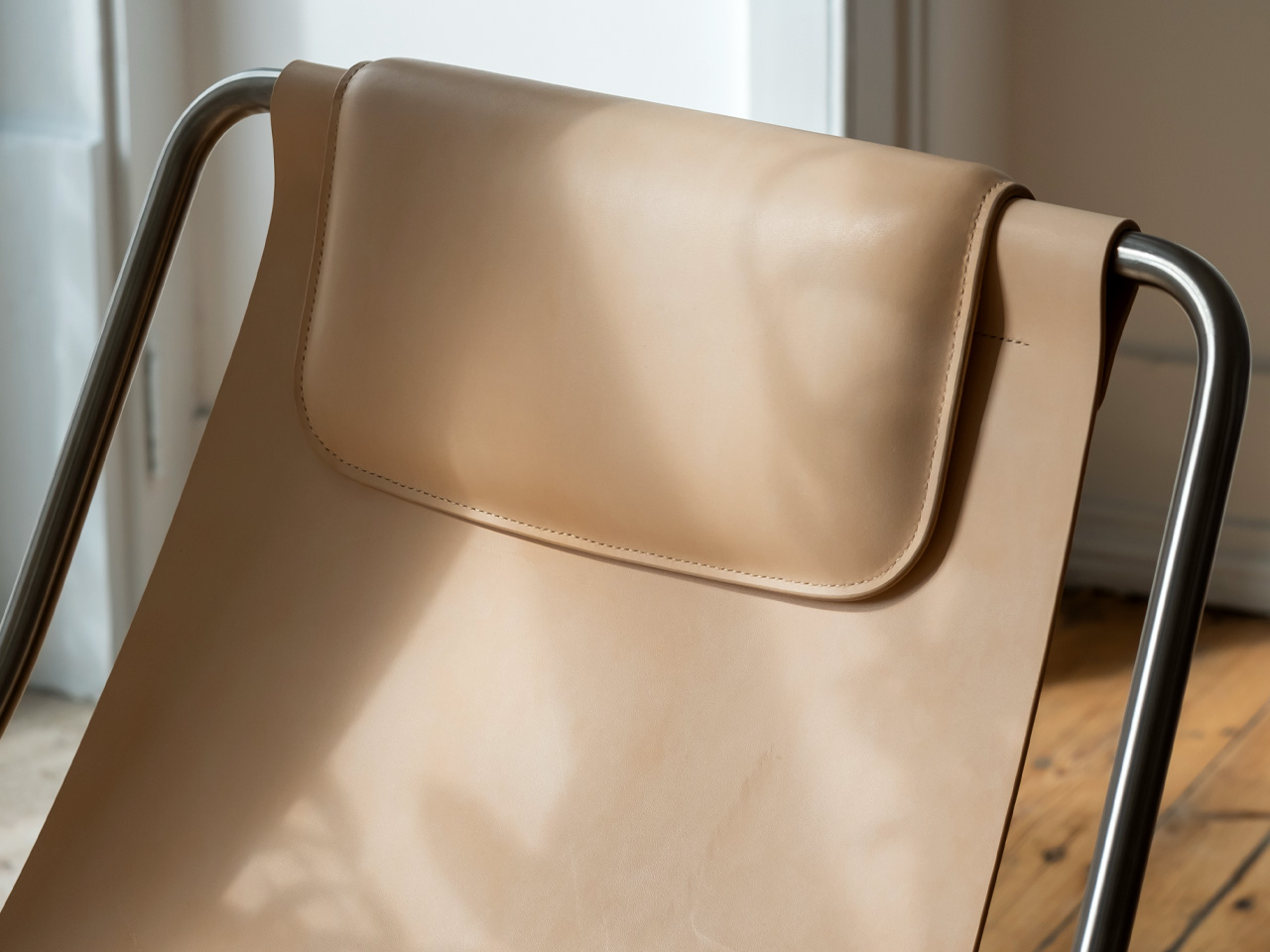
The Squares collection by Xiaoya Wang and Jian Ni embodies personal memory and design restraint, creating furniture that resonates emotionally.
fromArchitectural Digest
2 weeks agoHome Design for a Longer Life: Can a House Really Promote Longevity?
When you design your home with intentionality, you are essentially 'hard-coding' healthy behaviors into your daily rhythm. Health outcomes are the result of thousands of micro-decisions—so in his own home, he prioritized spaces like the kitchen, whose open layout makes cooking a pleasure, and the gym, centrally located.
Wellness
Design
fromYanko Design - Modern Industrial Design News
4 days agoBiomimetic Architecture Reaches New Heights With This Bird-of-Paradise Yoga Space - Yanko Design
Thilina Liyanage's architecture translates animal gestures into functional designs, exemplified by the Rifle Bird Yogashala inspired by the Victoria's riflebird's courtship display.
fromRemodelista
2 days agoKitchen of the Week: Hardware Store Finds and Thoughtful Storage for a Professional Chef - Remodelista
"The clients are a family of five who were already living in the Barcelona flat but wanted to give it new character through the redesign of the kitchen and bathrooms," says Muñoz. "Our focus was to update the spaces while maintaining continuity with the rest of the apartment, which has a lot of personality thanks to the clients."
Renovation
Remodel
fromApartment Therapy
2 weeks agoThis Couple's 250-Square-Foot Studio Somehow Fits Two Desks, a Dining Area - Even a Piano
A London couple maximizes their 250 square-foot studio apartment by incorporating two work-from-home setups, a piano, dining area, and lofted bedroom through strategic design and a cohesive pink/orange color palette.
fromArchDaily
2 weeks agoSpaces That Feel Back: How Buildings Respond to Human Behavior
Decades of research in environmental psychology and building science reveal that indoor conditions can profoundly affect human health and behavior. Lighting influences circadian rhythms and sleep patterns. Air quality impacts cognitive performance and respiratory health. Temperature and acoustics shape comfort and concentration.
Renovation
Design
fromwww.archdaily.com
1 month agoArchitecture as a Platform: What Makes a Building Evolve?
Architecture increasingly adopts product design principles, prioritizing operational clarity, performance, and scalability over novelty, making buildings accountable for functionality and consistent user experience.
Renovation
fromSocial Media Explorer
1 month agoCustom Built Ins Address Changing Home Layout Needs Across Dallas, TX - Social Media Explorer
Dallas homeowners are adopting custom built-ins to address modern storage needs, support remote work, and optimize existing floor plans through integrated shelving, media walls, and flexible storage solutions.
fromApartment Therapy
2 months agoThis Is the Top Trick Designers Use to Make Small Spaces Look Larger
Thornton says that the secret to making a small space feel expansive is to think vertically. As the eye goes up, there's an illusion of higher ceilings and a larger space. "Anything that draws attention upward instantly adds a sense of height and breathing room," he told me. But how do you actually implement these tactics IRL? Ahead, the pro shares tips for how to make the most of every square inch in your own home.
Design
[ Load more ]