Remodel
fromdomino
2 days agoWhat to Do When Your Home Office Is Also Your Living Room
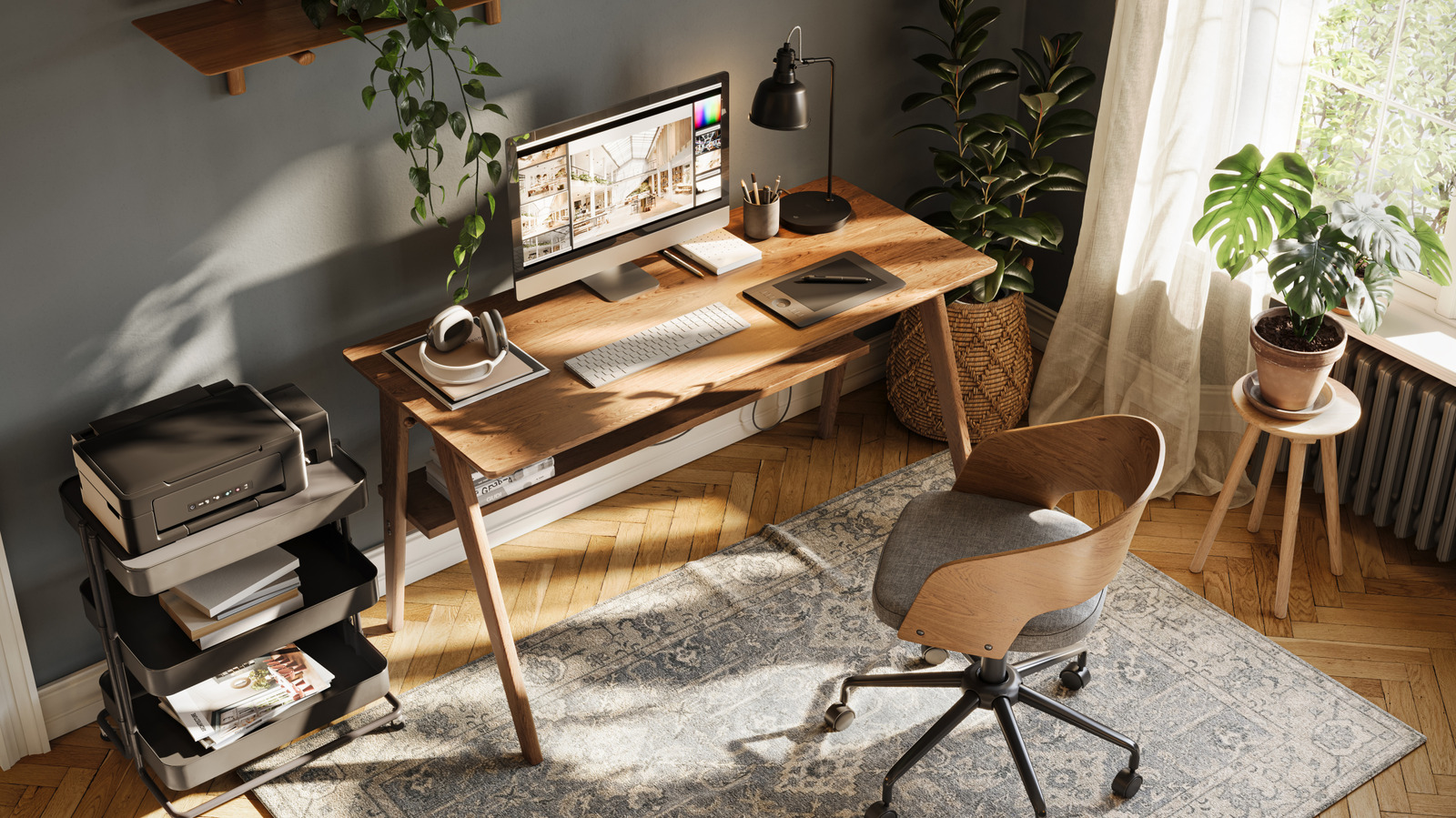
Transforming small spaces into functional work areas can be achieved with smart furniture choices and layout adjustments.
These replacement chair wheels are made with industrial-grade steel, precision ball bearings, and polyurethane chair casters for durability. They can handle daily use if you work from home or use your chair for daily gaming sessions.
BREMEN is designed to change the way people interact with music by allowing everyday objects to become actual instruments, thus removing traditional barriers to music-making.
Many organisations don't need as much floor space or as many desks, given that many staff now do a mix of hybrid work from home and the office. But on days when more staff are required to be in, office spaces can feel noticeably busier and noisier. Despite so much focus on getting workers back into offices, there has been far less focus on the impacts of returning to open-plan workspaces.
We've been rigorously testing work-from-home gear for years-even prior to the Covid-19 remote work boom-and that includes dozens of office chairs and desks. Branch furniture has made standouts that are highlighted in our guides over and over again. Its Presidents' Day deals have been extended, bringing some of the better discounts we've seen on essentials we've tested like chairs and desks.
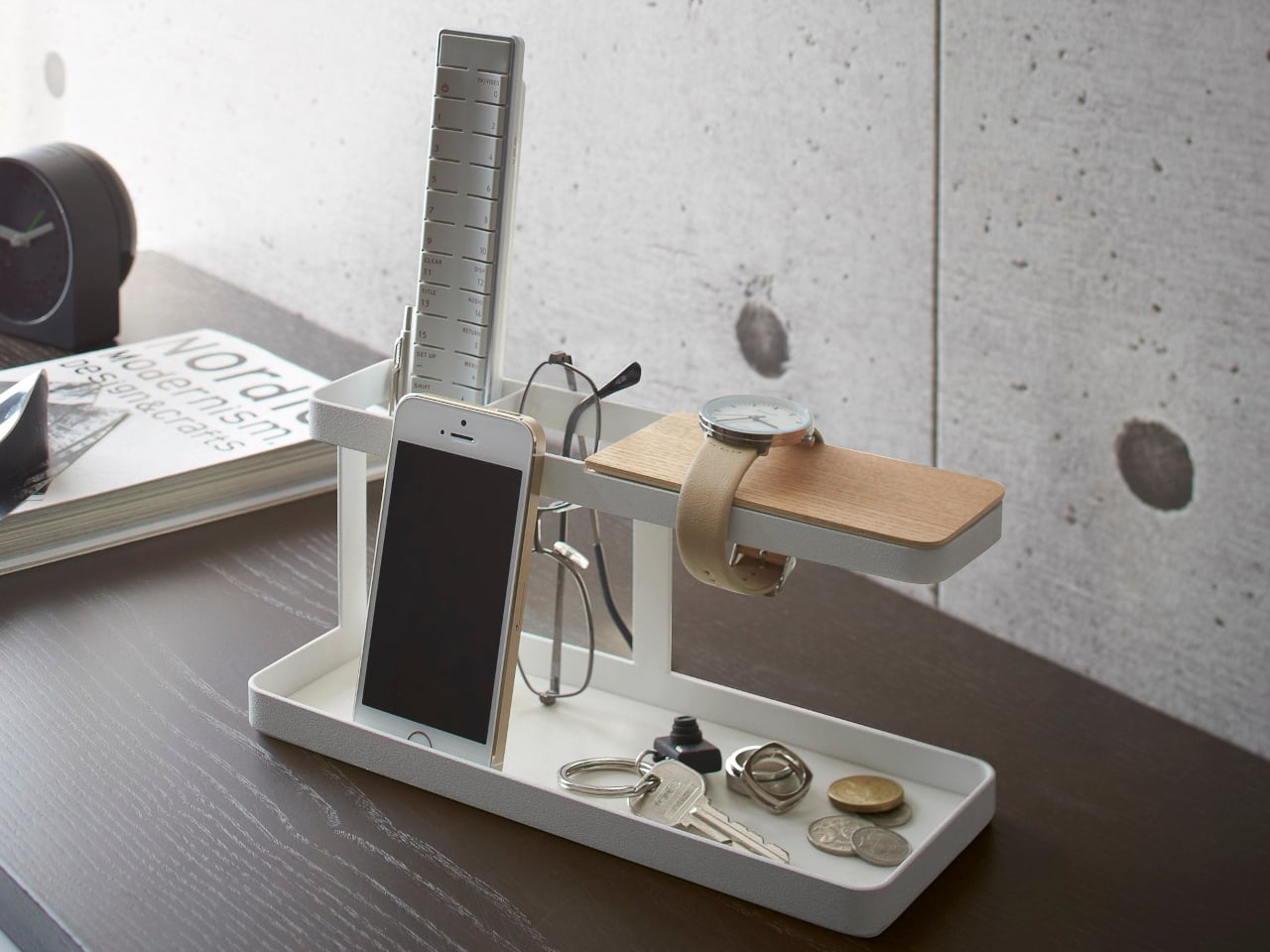
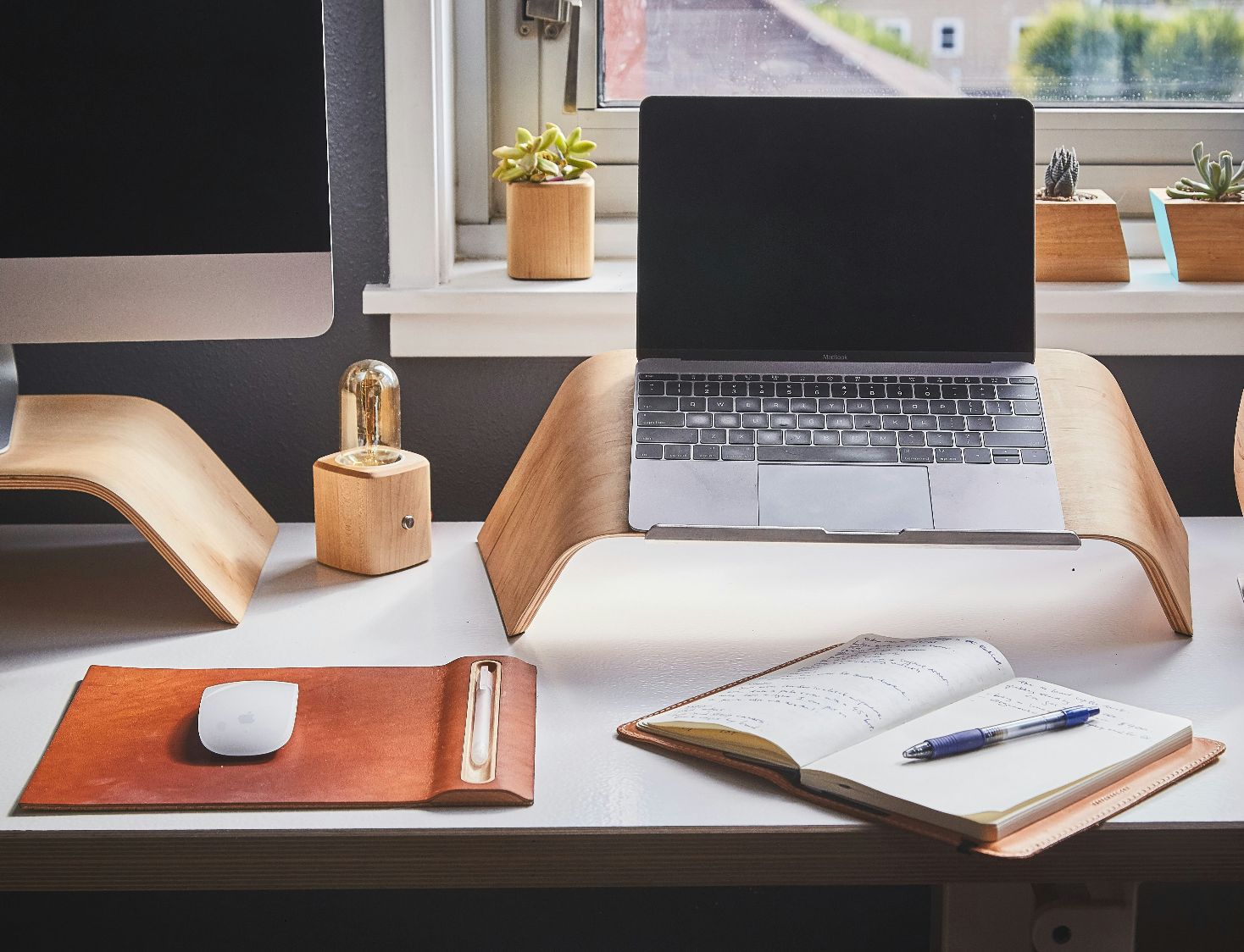
Small workspaces demand accessories that earn their place on the desk. Every item needs to justify the real estate it occupies, which means multi-functionality isn't just a nice feature-it's essential. The desk that once felt spacious quickly becomes cluttered when traditional peripherals take over. A separate keyboard here, an external monitor there, pens rolling around, and suddenly your workspace feels more chaotic than creative.
It's only early January, so I'm still hearing a lot of people talk about their fresh starts and resolutions. Even if you're not one for those kinds of traditions, January tends to be a relatively sleepy month without many large obligations (plus, it's cold out!). One way to put that downtime to good use is by getting a bit more organized. What better place to start than your desk?
Most laptop workflows still involve paper, even in 2026. Printed briefs, handwritten notes, and reference sheets end up flat on the desk, which means you spend half your day bobbing your head between the screen and the table. That constant neck crane breaks focus and feels ridiculous when you are just trying to check a few lines of code or compare a contract clause, but there is nowhere else for the paper to go.
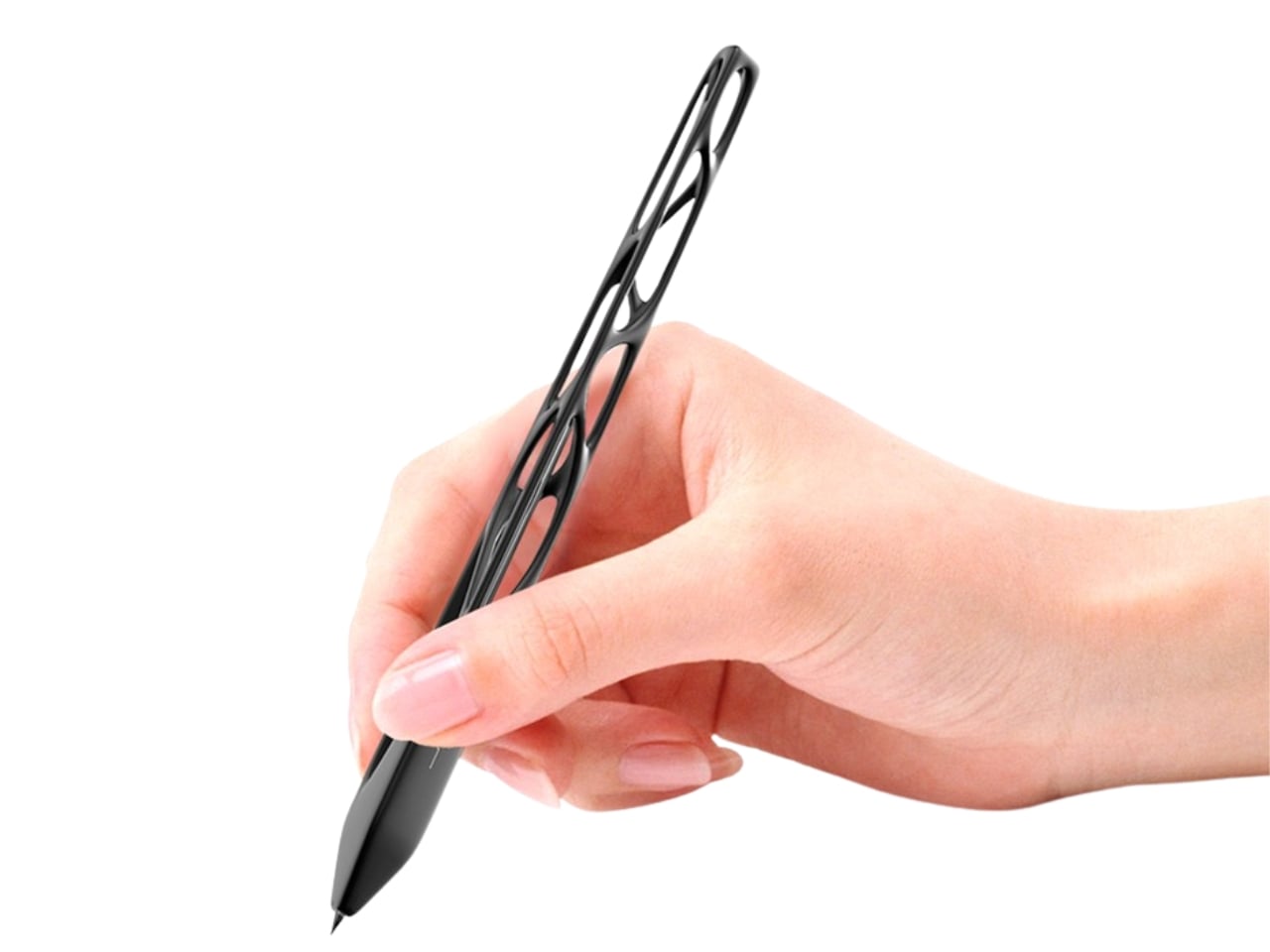
The stationery world has long looked to Japan for innovation, and planning enthusiasts know this better than anyone. Japanese design philosophy brings together minimalism, functionality, and thoughtful engineering to create tools that transform mundane tasks into moments of creative joy. These aren't just accessories that sit pretty on your desk. They're carefully crafted instruments that respect your workflow, elevate your planning rituals, and make every stroke of the pen feel intentional.
My 1930s home doesn't let you forget its age - especially upstairs, where every room comes with at least one layout quirk. The third floor is essentially a one-room attic with a pointed, sloped ceiling, and I recently turned it into my cozy home office. When I started desk shopping, I wasn't convinced I'd find something that felt both beautiful and practical:
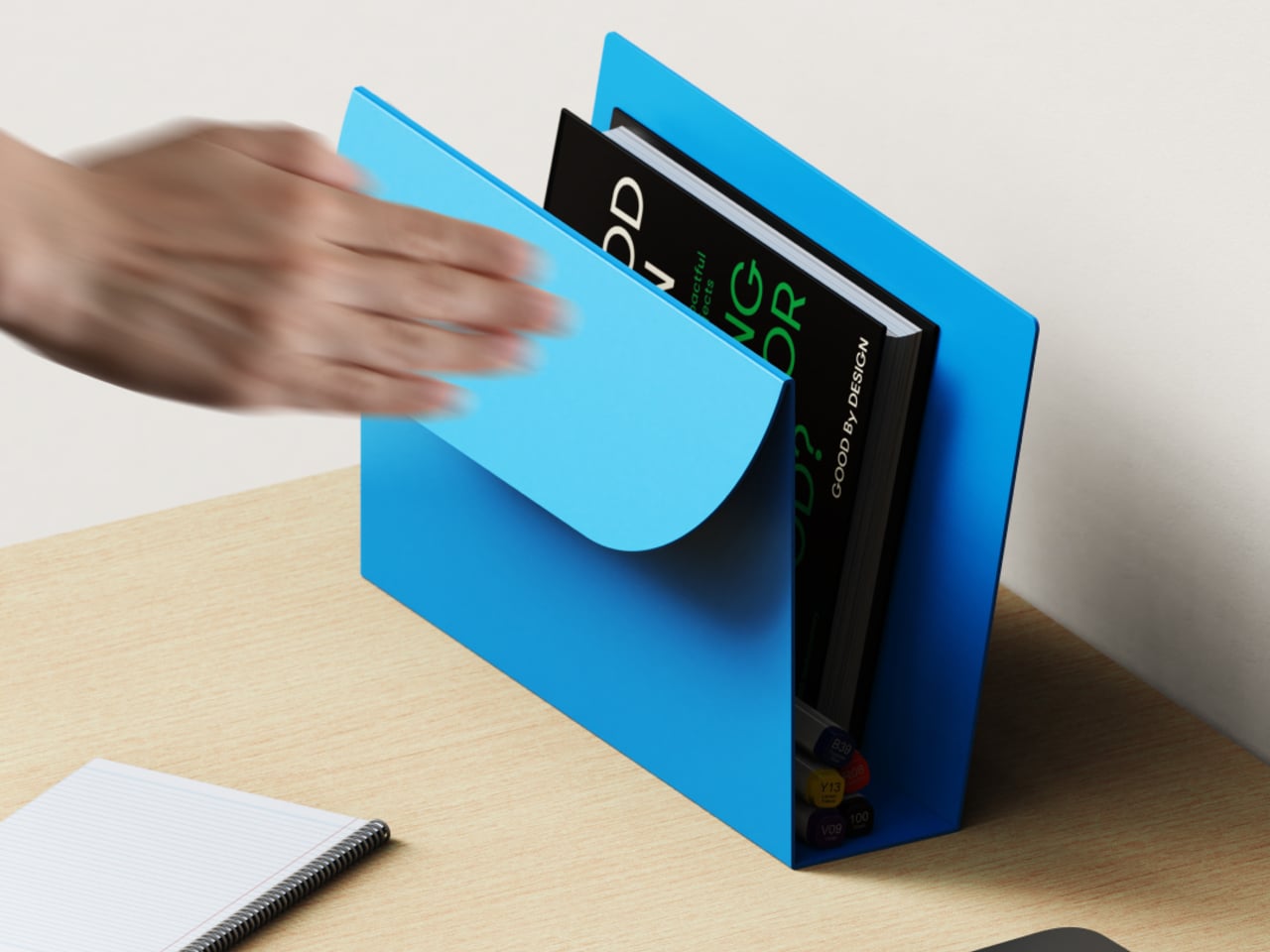
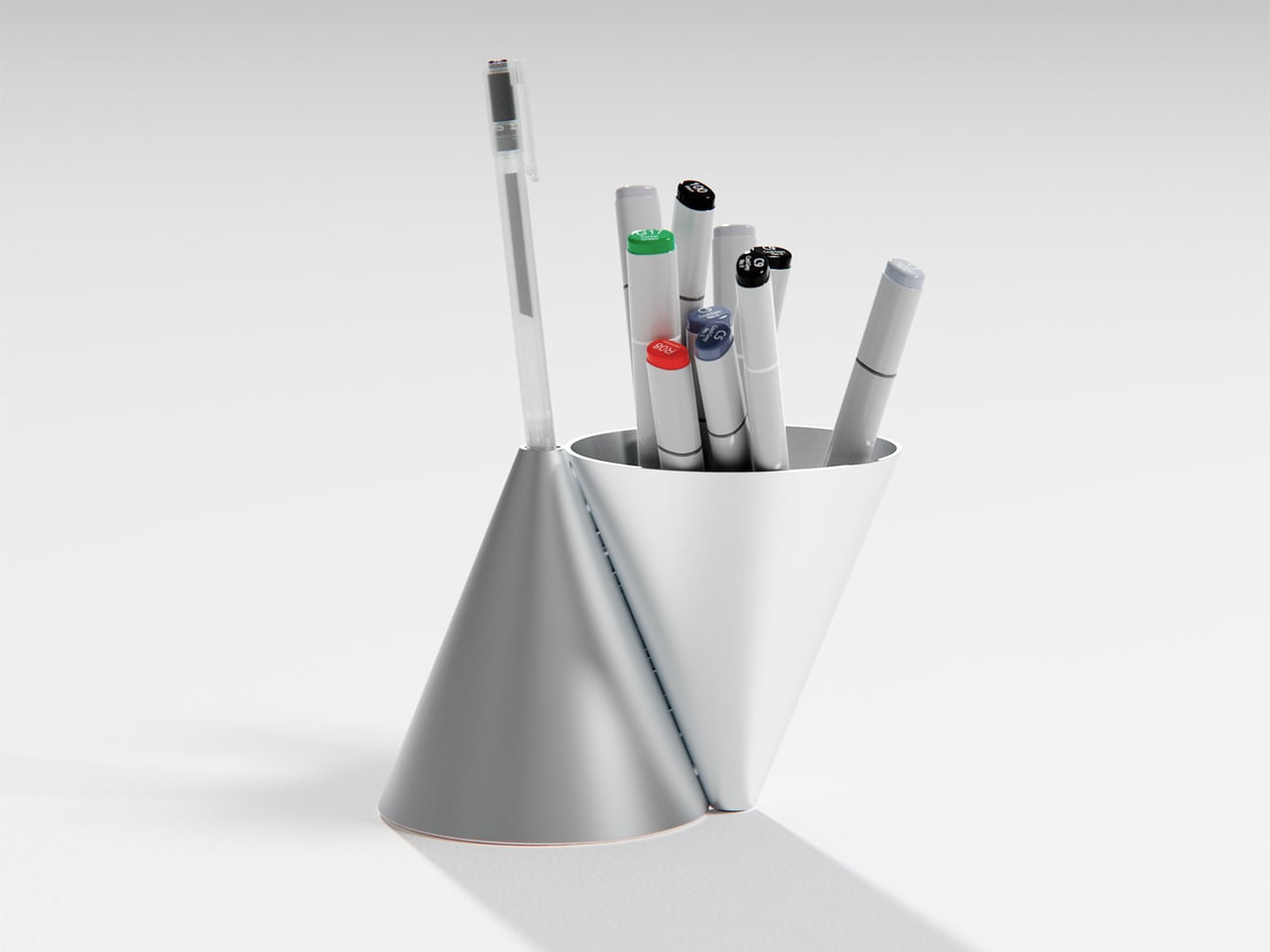
Most creative desks have a cup overflowing with pens, markers, and tools, even though you reach for the same few every day. There is the Muji gel pen for sketches, a couple of render markers you trust, and then about 15 other things you keep just in case. The Pareto Principle says 80 percent of your output comes from 20 percent of your stationery, which feels accurate once you notice how often you dig past everything else.