#statue-restoration
#statue-restoration
[ follow ]


Europe news
fromdesignboom | architecture & design magazine
2 days agoconfess your sins to maurizio cattelan and you might win his fallen pope miniature
Maurizio Cattelan's La Nona Ora returns as a limited edition sculpture, featuring Pope John Paul II struck by a meteorite, alongside a confessional hotline initiative.








fromArchDaily
2 weeks agoStefano Boeri Interiors Restores Southern Ambulatory Areas of the Colosseum in Rome
The intervention 'restored the perception of the monument's original scale and pavement level,' while enabling visitors to approach the structure more directly and understand the sequence of the ambulatory and its arches. This recalibration of levels, based on archaeological findings and geometric studies, also enabled the reorganization of the stormwater drainage system, integrating surface slopes and transitions into the paving design while maintaining coherence with the monument's historical configuration.
Renovation
#michelangelo

Arts
fromThe Art Newspaper - International art news and events
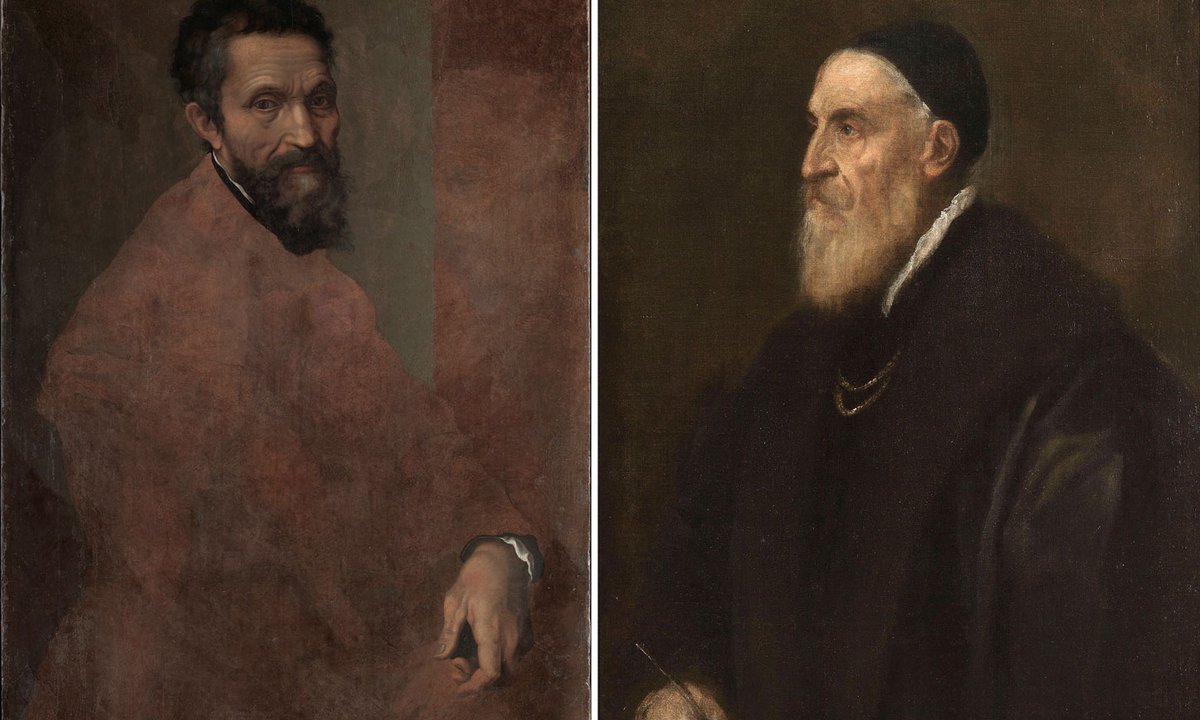
1 month agoClash of the Renaissance titans: an intriguing double biography of Titian and Michelangelo
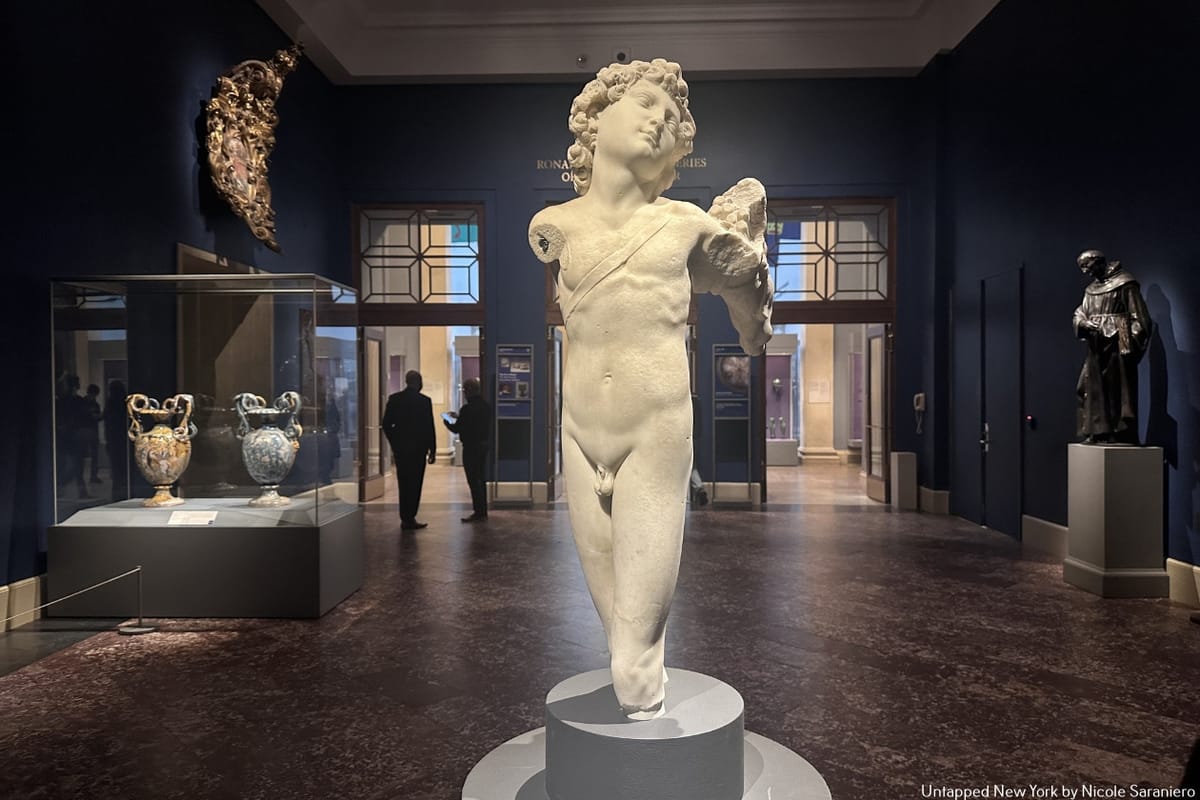
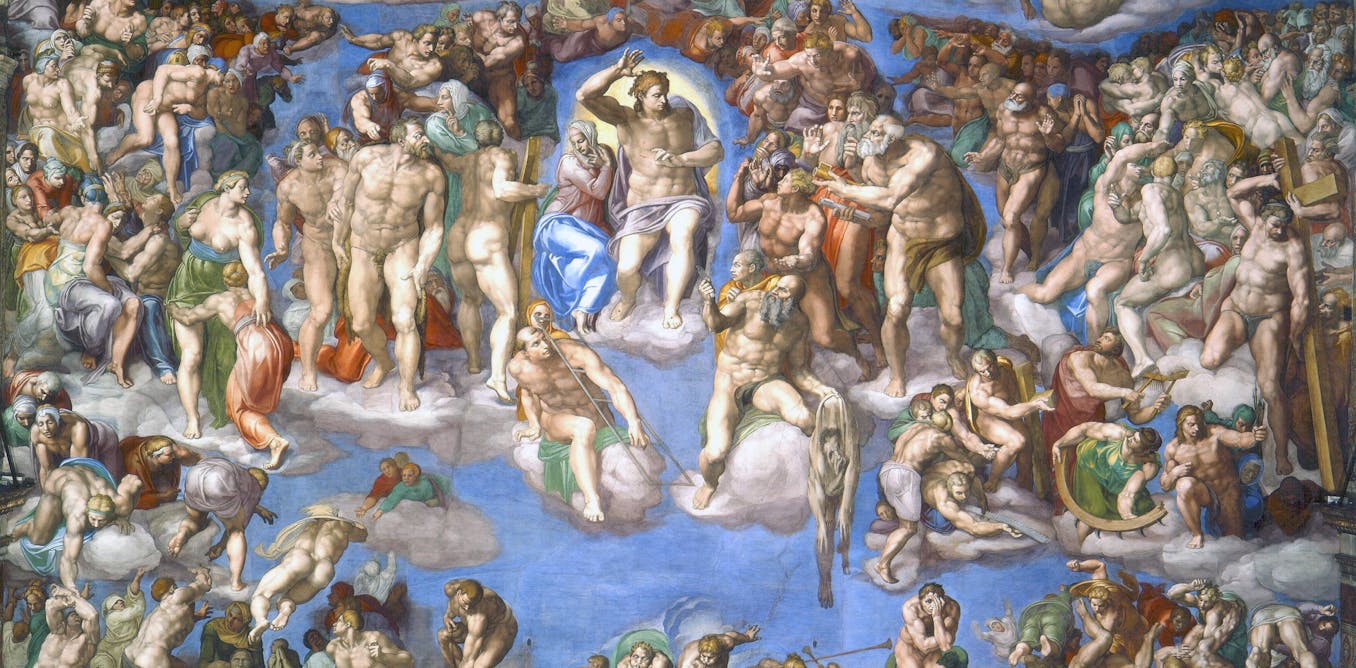
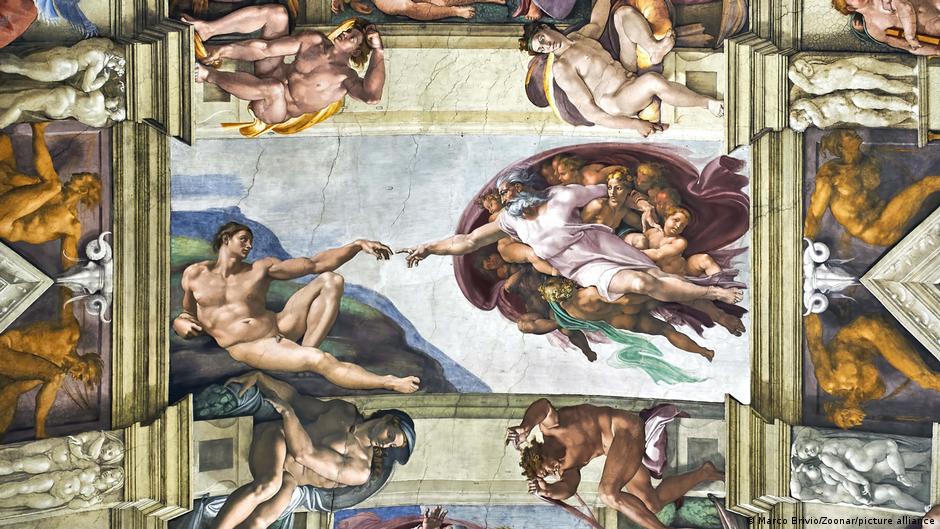
Michelangelo the Elder's lifetime success and character are documented through 17th-century commemorative paintings that reveal how artistic tastes shifted dramatically after his death.
Higher education
fromHarvard Gazette
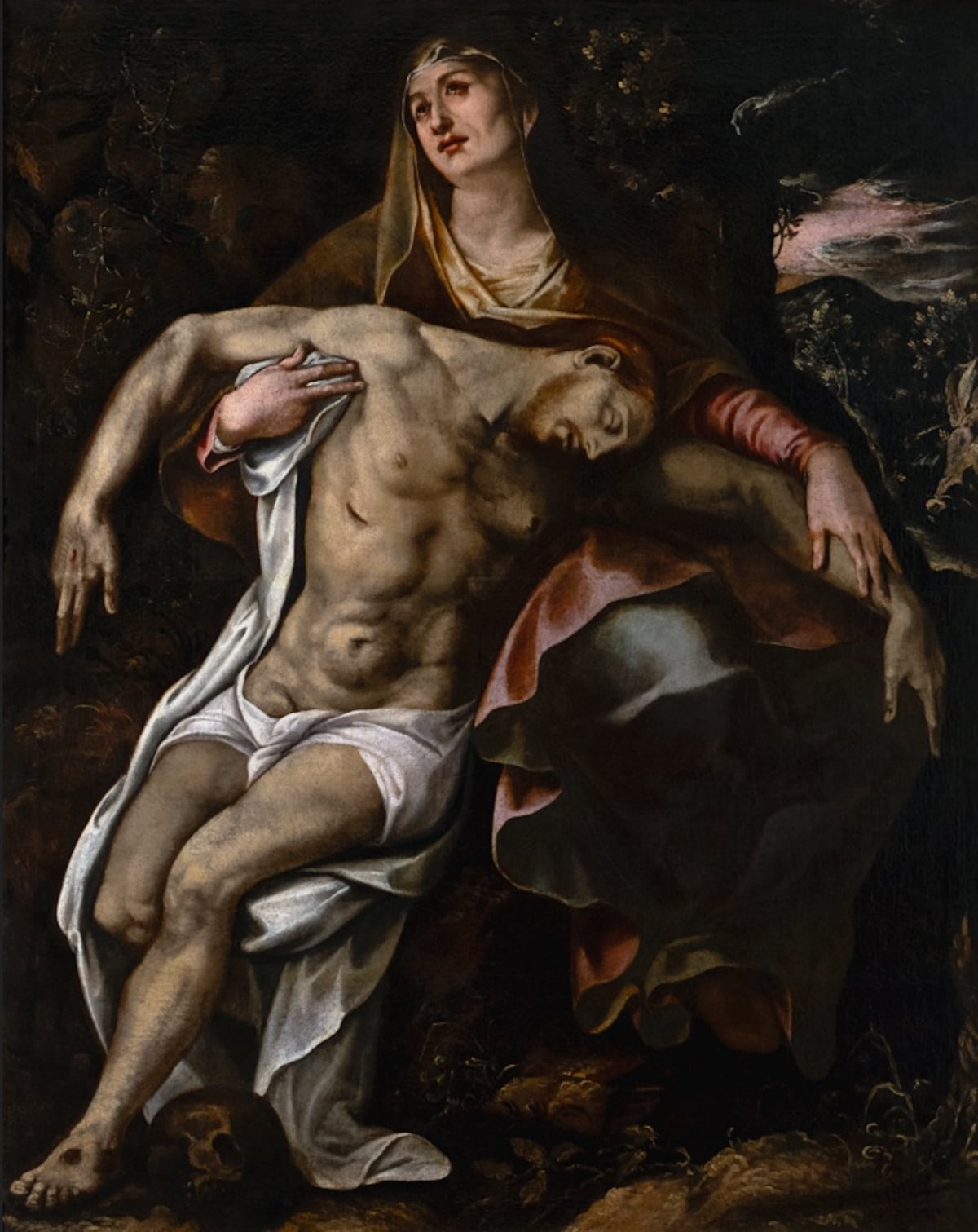
3 weeks agoLike seeing art of Roman chapels in technicolor for first time - Harvard Gazette
Students learned centuries-old stucco sculpting techniques through hands-on practice, gaining deeper understanding of Renaissance and Baroque artists' material choices and creative processes.


Renovation
fromThe Art Newspaper - International art news and events
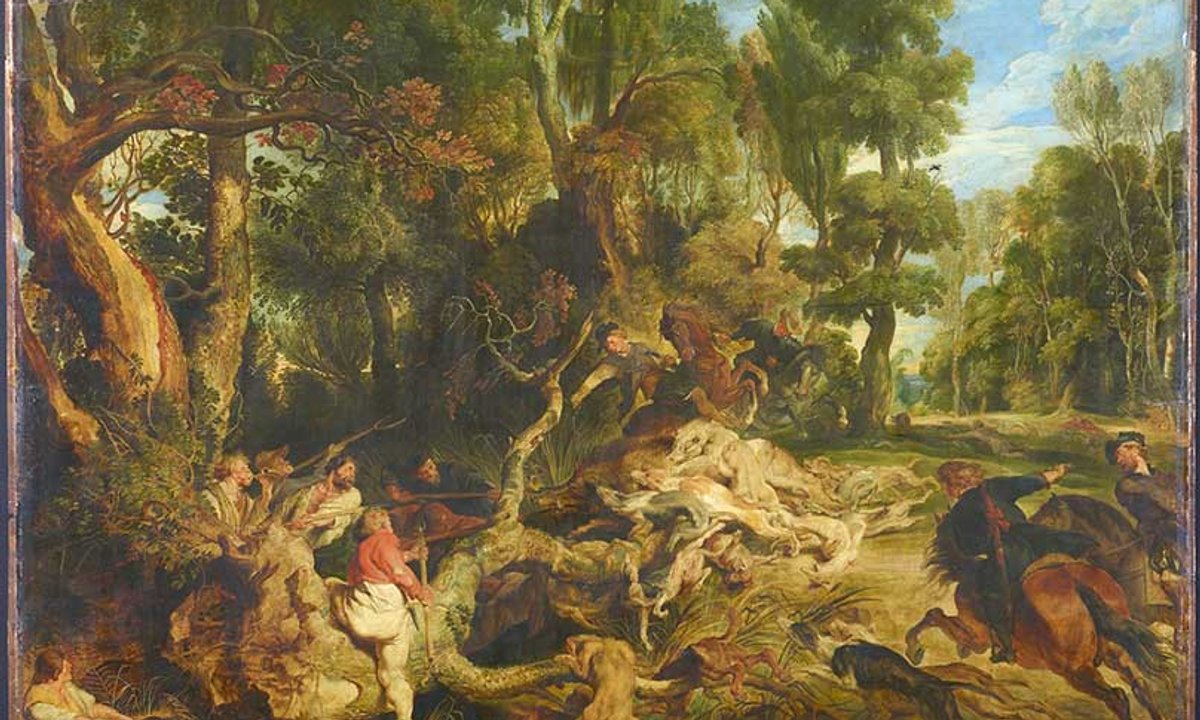
3 weeks agoMonumental Rubens ceiling painting revealed once more after two-year renovation
Rubens's monumental Whitehall Ceiling at Banqueting House reopens after extensive renovations, now featuring wheelchair accessibility and improved climate control systems.
History
fromMedievalists.net
3 weeks agoMedieval Bronze Doors by Donatello Return to Florence After Restoration - Medievalists.net
Donatello's fifteenth-century bronze doors have been restored and returned to the Old Sacristy of San Lorenzo in Florence, showcasing innovative sculptural techniques and Medici family patronage.
Arts
fromThe Art Newspaper - International art news and events
1 week agoOne of Donatello's most important bronze statues is being restored: should it ever be shown outdoors again?
Donatello's Gattamelata statue is undergoing restoration and its future location remains uncertain after being moved indoors due to corrosion.
fromKALTBLUT Magazine
1 month agoRENAISSANCE! The body as site - KALTBLUT Magazine
The body becomes a site of transformation. Uniquely crafted pieces engage with the wearer, blurring the line between material, form, and presence. Each one-off creation and streetwear capsule emerges from a conscious, boundary-free creative process, drawing inspiration from visual arts, theatre, music, dance, and the surrounding world.
Fashion & style
fromOpen Culture
4 weeks agoRoman Statues Weren't White; They Were Once Painted in Vivid, Bright Colors
One tenet of classical idealism is the idea that Roman and Greek statuary embodied an ideal of pure whiteness-a misconception modern sculptors perpetuated for hundreds of years by making busts and statues in polished white marble. But the truth is that both Greek statues and their Roman counterparts were originally brightly painted in riotous color.
History
History
fromMedievalists.net
4 weeks agoGiotto and Saint Francis Featured in Major Medieval Art Exhibition in Italy - Medievalists.net
Italy's 2026 exhibition celebrates Saint Francis's 800th death anniversary by showcasing Giotto's revolutionary artistic innovations and their impact on medieval sacred art across Umbria.
fromApartment Therapy
1 month agoThis Soothing Italian Philosophy Transforms the Way I Do Everything
"Piano piano" is an old Italian saying that sounds nonsensical, but is actually full of wisdom, especially if you, like me, are finding yourself wishing away these frigid winter days and hoping spring and summer gets here fast. These days, I've found myself rushing from one thing to the next, frustrated at the smallest things, from post office lines to just missing my train. And I'm ready to make a change.
Mindfulness
History
fromwww.thehistoryblog.com
1 month agoEtruscan urn's polychromy restored after 1966 Florence flood
The Bottarone Urn, a 425-380 B.C. Etruscan alabaster cinerary urn depicting a married couple, was restored to its original vivid polychromy after 60 years of mud damage from Florence's 1966 Arno River flood, revealing Egyptian blue pigment for the first time.
History
fromMedievalists.net
1 month agoDreaming of Owning a Medieval Artefact? Here's Your Chance - Medievalists.net
TimeLine Auctions' March 3 online sale features hundreds of medieval historical objects including a 13th-century Limoges cross, 1224 Chinese armor, Viking silver mount, and Anglo-Saxon brooch.
:max_bytes(150000):strip_icc()/TAL-ponte-vecchio-TODOFLORENCE0923-9abdcf5bd9ff42dfb04fbeeb2f69f001.jpg)



Relationships
fromSlate Magazine
2 months agoI Walked In On My Colleague Defiling a Precious Piece of Art. Now His Fate Is in My Hands.
An artist masturbated on a communal sculpture, apologized, promised to stop, and trusting him may be reasonable unless a recurring inappropriate sexual pattern appears.
Arts
fromThe Art Newspaper - International art news and events
3 weeks ago'It has nothing to do with Michelangelo': expert wades in on painting newly attributed to Renaissance master
Belgian art historian Michel Draguet claims to have discovered a Michelangelo painting from the 1540s, but leading Renaissance experts dispute the attribution based on artistic style analysis.
fromYanko Design - Modern Industrial Design News
2 months agoThis 3D-Printed Roof Is Saving 2,000-Year-Old Roman Tombs - Yanko Design
What makes this canopy special isn't just that it uses 3D printing technology, though that's certainly impressive. It's the way the designers thought about the entire system. Rather than simply throwing a roof over the tombs and calling it a day, they created what's essentially a climate-control system disguised as architecture. The canopy features a double-layer envelope that does way more than keep rain off ancient stone. Built into this roof are ventilation and air extraction components that actively regulate temperature and humidity.
Design
Arts
fromwww.theguardian.com
3 weeks agoNaples museum to allow visually impaired visitors to experience art through touch
The Sansevero Chapel Museum in Naples enables visually impaired visitors to touch celebrated marble sculptures including the Veiled Christ, removing protective barriers for tactile exploration guided by blind guides.
Arts
fromdesignboom | architecture & design magazine
2 months agoconcrete canvas wraps 18 scaffolding monoliths for monumental installation in florence
Marc Leschelier created a walkable field of 18 concrete-canvas monoliths in Florence that embody pre-architecture, openness, and experiential architectural language.
Arts
fromThe Art Newspaper - International art news and events
1 month agoArtemisia Gentileschi, Michelangelo and Rembrandt bring new energy and records to New York's Old Masters sales
New York Old Masters auctions set record prices across artists—Artemisia Gentileschi, Michelangelo, Rembrandt, Canaletto—bringing historically significant, newly surfaced and restituted works into public view.
Arts
fromThe Art Newspaper - International art news and events
2 months agoAcquisitions round-up: a rare early Italian portrait of a Black man, a record-breaking Kiddush cup, and a limewood sculpture of the Madonna
Major museums and auctions highlighted historic works: Ceruti’s rare portrait of a Moor, a Khorasan Kiddush cup record sale, and a newly acquired 16th-century limewood Madonna.
fromwww.theguardian.com
1 month agoAI analysis casts doubt on Van Eyck paintings in Italian and US museums
An analysis of two paintings in museums in the US and Italy by the 15th-century Flemish artist Jan van Eyck has raised a profound question: what if neither were by Van Eyck? Saint Francis of Assisi Receiving the Stigmata, the name given to near-identical unsigned paintings hanging in the Philadelphia Museum of Art and the Royal Museums of Turin, represent two of the small number of surviving works by one of western art's greatest masters, revered for his naturalistic portraits and religious subjects.
Arts
[ Load more ]