#steam-deck-dock
#steam-deck-dock
[ follow ]
#steam-deck #steam-machine #valve #gaming-hardware #gaming-industry #handheld-gaming #steamos #gaming #indie-games
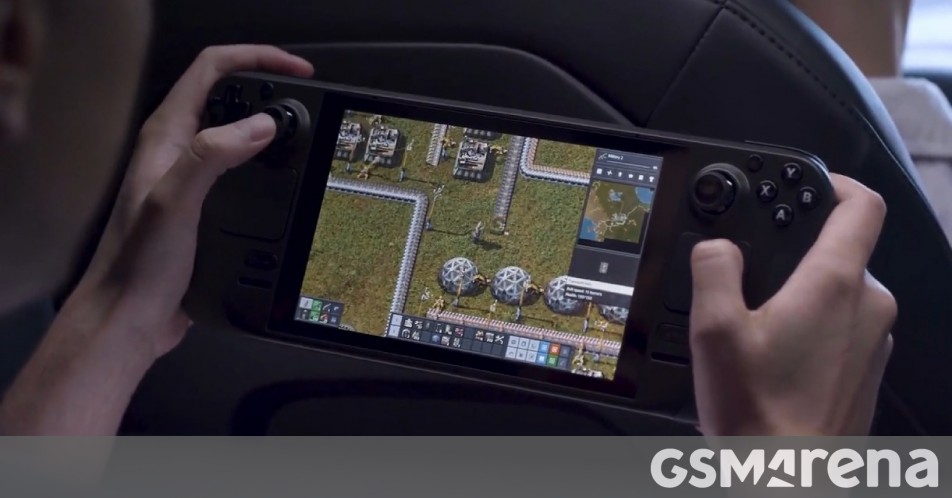


#evercade
Video games
fromYanko Design - Modern Industrial Design News
2 days agoEvercade Nexus upgrades retro gaming with widescreen play and refreshed modern controls - Yanko Design
Evercade Nexus modernizes retro gaming with enhanced hardware, a wider screen, and improved controls while preserving classic gaming experiences.


Gadgets
fromThe Verge
2 weeks agoValve's huge SteamOS 3.8 update adds long-awaited features - and supports Steam Machine
SteamOS 3.8.0 adds hibernation mode, Bluetooth headset microphone support, and expanded compatibility with multiple handheld gaming devices including Xbox Ally, Legion Go 2, and others.
Gadgets
fromYanko Design - Modern Industrial Design News
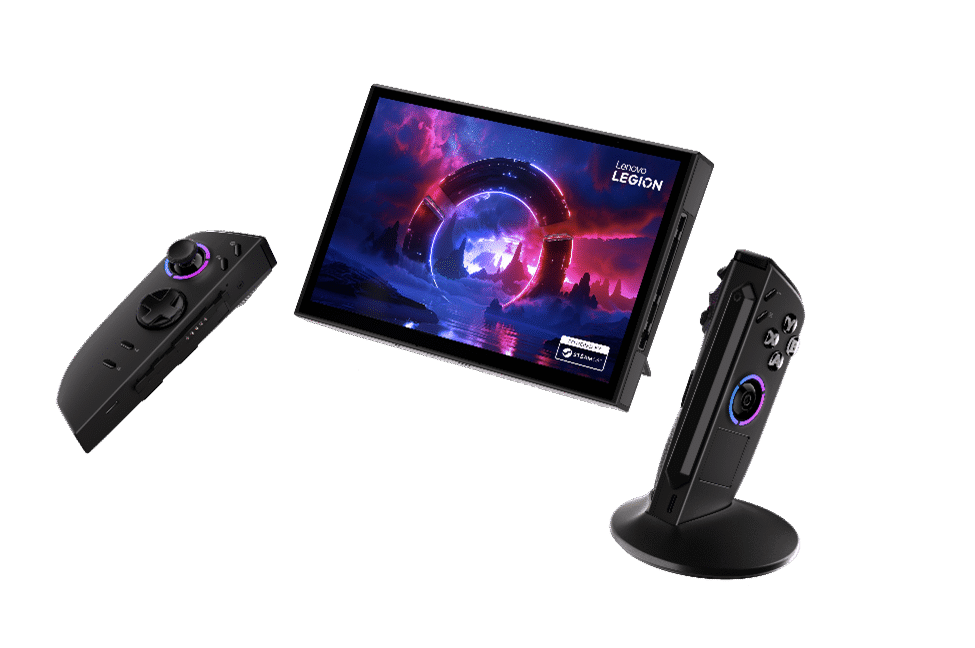
2 weeks ago$73 Lenovo Gamepad Turns the Legion Y700 Into a Switch Lite Rival - Yanko Design
Lenovo's Legion Gamepad G9 2026 is a dedicated accessory for the Legion Y700 Gen 5 tablet, featuring an 8-direction D-pad, macro buttons, and wired USB-C connection to eliminate latency.


Gadgets
fromArs Technica
3 weeks agoWindows 11's Steam Deck-ish, streamlined Xbox gaming UI comes to all PCs in April
Microsoft is rolling out Xbox mode to Windows 11 PCs starting in April, offering a controller-friendly full-screen gaming interface that reduces RAM usage and energy consumption while maintaining standard Windows capabilities.
fromTechCrunch
2 months agoIntel is building a handheld gaming platform including a dedicated chip | TechCrunch
The platform will include hardware and software, Intel vice president and general manager of PC products, Daniel Rogers, announced at CES on Monday. It will be built off of the company's Intel Core Series 3 processors, known as Panther Lake, which was announced last year and is now being rolled out in a variety of PCs. This future platform includes a chip specifically for handheld gaming devices, according to reporting from IGN, which was confirmed by TechCrunch.
Tech industry


Gadgets
fromYanko Design - Modern Industrial Design News
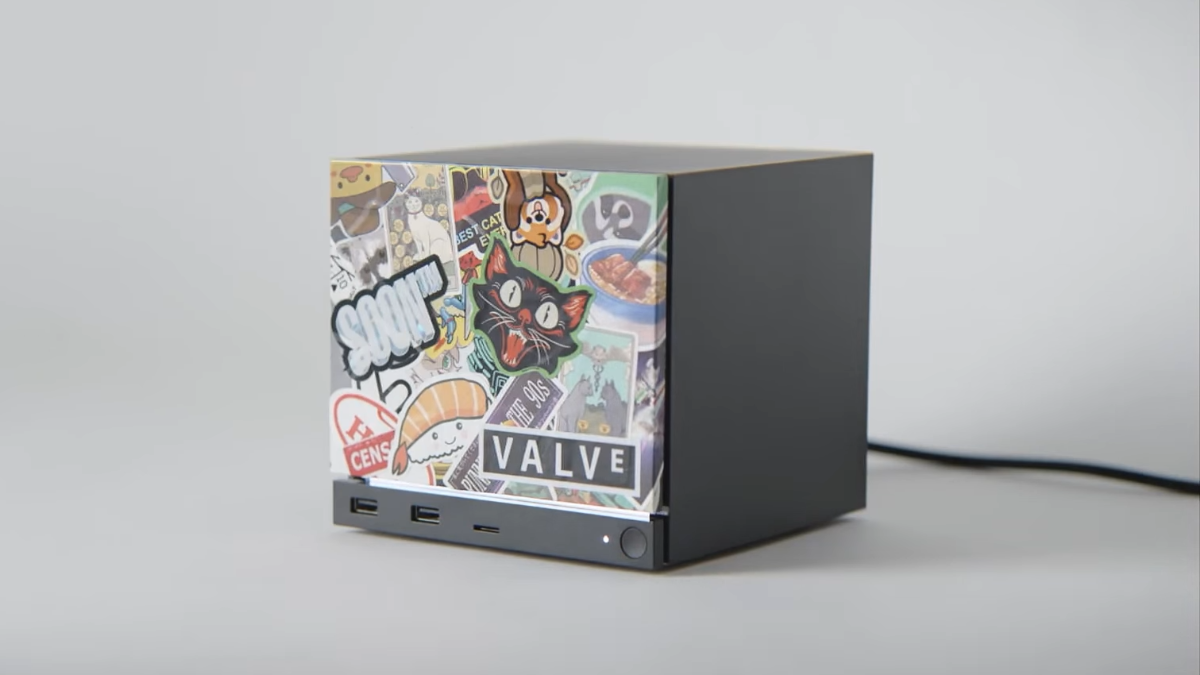
1 month agoLenovo Unveils a Foldable Gaming Handheld That Replaces Your Laptop - Yanko Design
Lenovo's Legion Go Fold Concept addresses the travel dilemma of carrying multiple devices by combining a foldable handheld gaming device with laptop functionality through a flexible display and detachable controllers.
fromEngadget
1 month agoValve's latest Steam beta lets you add your PC's specs to game reviews
As part of the Steam Client Beta update Valve released on February 12, users will now be able to attach information about their hardware specifications when they post a new game review or update an old one. It's not uncommon to find negative reviews that complain about a game's performance, information that's hard to draw a conclusion from without knowing what kind of hardware the reviewer is using.
Video games
fromwww.gamespot.com
2 months agoWe Need Demos Now More Than Ever
There has been a demo renaissance in the last few years, and we couldn't be happier. Demos have been a part of video game history for a long time, but whether or not they've been good for sales has been up in the air for quite some time. Fortunately, in the last couple weeks we've gotten a Dragon Quest 7: Reimagined and Final Fantasy 7 demo for Switch 2.
Video games
fromKotaku
2 months agoUGREEN's 6-in-1 Steam Deck Dock Is Now the Cheapest Way to Upgrade Your Handheld Setup After a Deep Discount (Works With ROG Ally X, Legion Go, MacBook, and More) - Kotaku
The dock supports HDMI 2.1 output with up to 4K@120Hz, plus VRR, FreeSync, and G-Sync. It's made to deliver an incredibly smooth and immersive gaming or movie playback experience without screen tearing or noticeable lag. You'll enjoy sharp, vibrant visuals on compatible displays for all your favorite titles. There's 100W PD 3.0 fast charging support, too. The Steam Deck dock delivers up to 85W to your host device,
Gadgets
Gadgets
fromYanko Design - Modern Industrial Design News
2 months agoAyaneo's Konkr Fit Handheld Packs AMD Ryzen AI 9 And Windows, Targeting the Steam Deck and Legion Go 2 - Yanko Design
Ayaneo's Konkr Fit is a 7-inch Windows handheld powered by an AMD Ryzen AI 9 HX 470 with an 80Wh battery, targeting real PC gaming.
fromGameSpot
1 month agoValve's Steam Machine Is Still Coming In Early 2026, According To AMD
Valve's second attempt at launching its Steam Machine is still set to happen in early 2026, according to AMD CEO Dr. Lisa Su. In an AMD earnings call, Su specifically mentions support for Valve Steam Machine, which will make use of an AMD processor. "From a product standpoint, Valve is on track to begin shipping its AMD-powered steam machine early this year," Su states, stopping short of giving an exact timeframe.
Gadgets
fromYanko Design - Modern Industrial Design News
2 months agoGameSir x Hyperkin modular controller could be the endgame accessory for mobile gamers - Yanko Design
The X5 Alteron controller gets the best of both worlds: GameSir's ergonomic engineering that makes it the first choice for gamers, and Hyperkin's knack for designing retro controllers. What sets the modular controller apart is the swappable module system that allows gamers to completely change the layout from symmetrical to asymmetrical thumbsticks, to changing the D-pad and face buttons. Designer: GameSir and Hyperkin
Gadgets
fromGameSpot
2 months agoLenovo Legion Go 2 SteamOS Edition Revealed
There's no shortage of handheld gaming PCs to choose from lately, but the Steam Deck has been a popular option thanks in part to its operating system. SteamOS works far better than Windows on these machines, and fortunately, it's available on another device: Lenovo's Legion Go 2. The company recently rolled out the Legion Go S with SteamOS, but for anyone looking for a handheld with more heavy-duty hardware--and Switch-like controllers--the Legion Go 2 has been a solid option.
Gadgets
Gadgets
fromYanko Design - Modern Industrial Design News
2 months agoConsole Wars Are Dead: This Chinese Modder Fused a PS5, Xbox Series X, and Switch 2 Into One Console - Yanko Design
A custom triangular console integrates PS5, Xbox Series X, and Nintendo Switch 2 hardware into a single chassis that switches platforms with a button.
fromYanko Design - Modern Industrial Design News
2 months agoSony's Upcoming Portable PS6 Aims to Challenge the Steam Deck and Switch 2 in 2027 - Yanko Design
The PSP had one analog stick when games clearly needed two. The Vita added that second stick but inexplicably skipped analog triggers and clickable thumbsticks, forcing developers to map essential controls to an awkward rear touchpad. The PS Portal finally nailed the controls by essentially splitting a DualSense controller in half, then rendered the achievement mostly irrelevant by making it stream-only.
Gadgets
fromThe Verge
2 months agoAMD heard you like powerful gaming portables - so here are new Strix Halo chips
AMD's Strix Halo, aka " Ryzen AI Max," is a hugely expensive chip that includes some of the most powerful integrated graphics ever made. Though AMD initially marketed it more to AI workloads with its tremendous complement of up to 128GB of RAM, it's also inspired some unprecedented gaming designs - by far the most powerful handheld, the Framework Desktop, and this monster Asus tablet.
Gadgets
[ Load more ]