#surreal-environment
#surreal-environment
[ follow ]
#surrealism #art #contemporary-art #photography #art-exhibition #design #street-art #fashion #salvador-dali
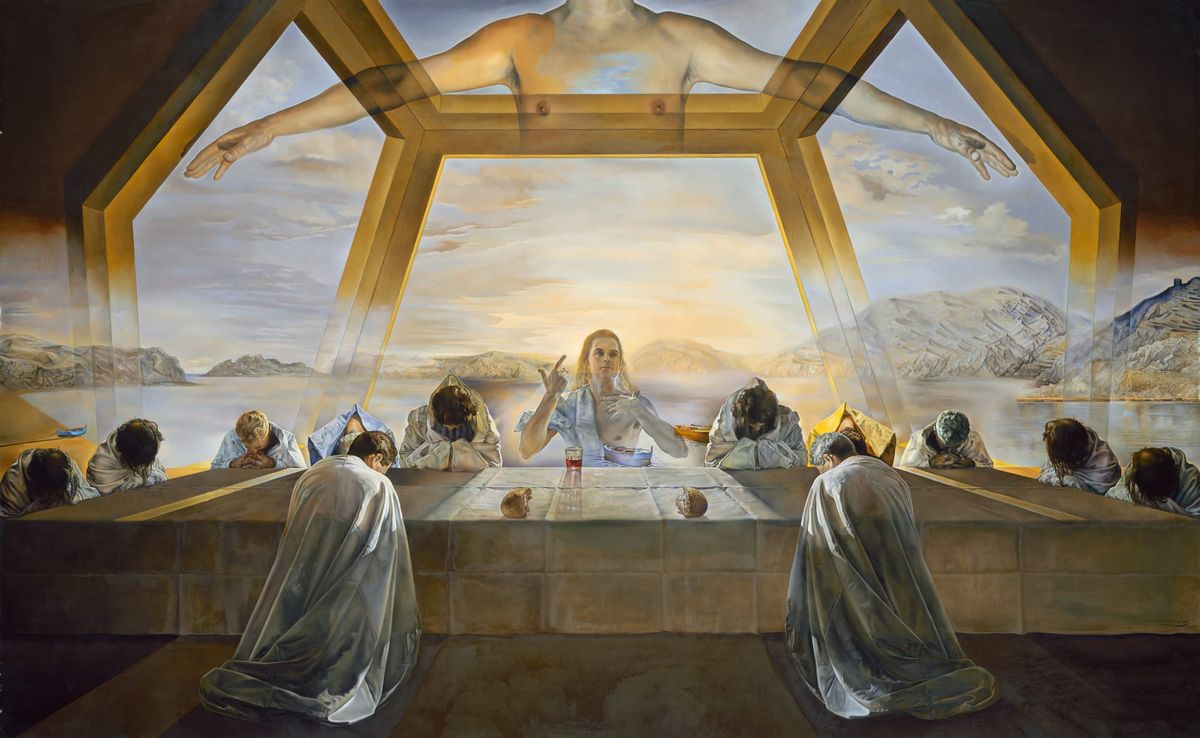
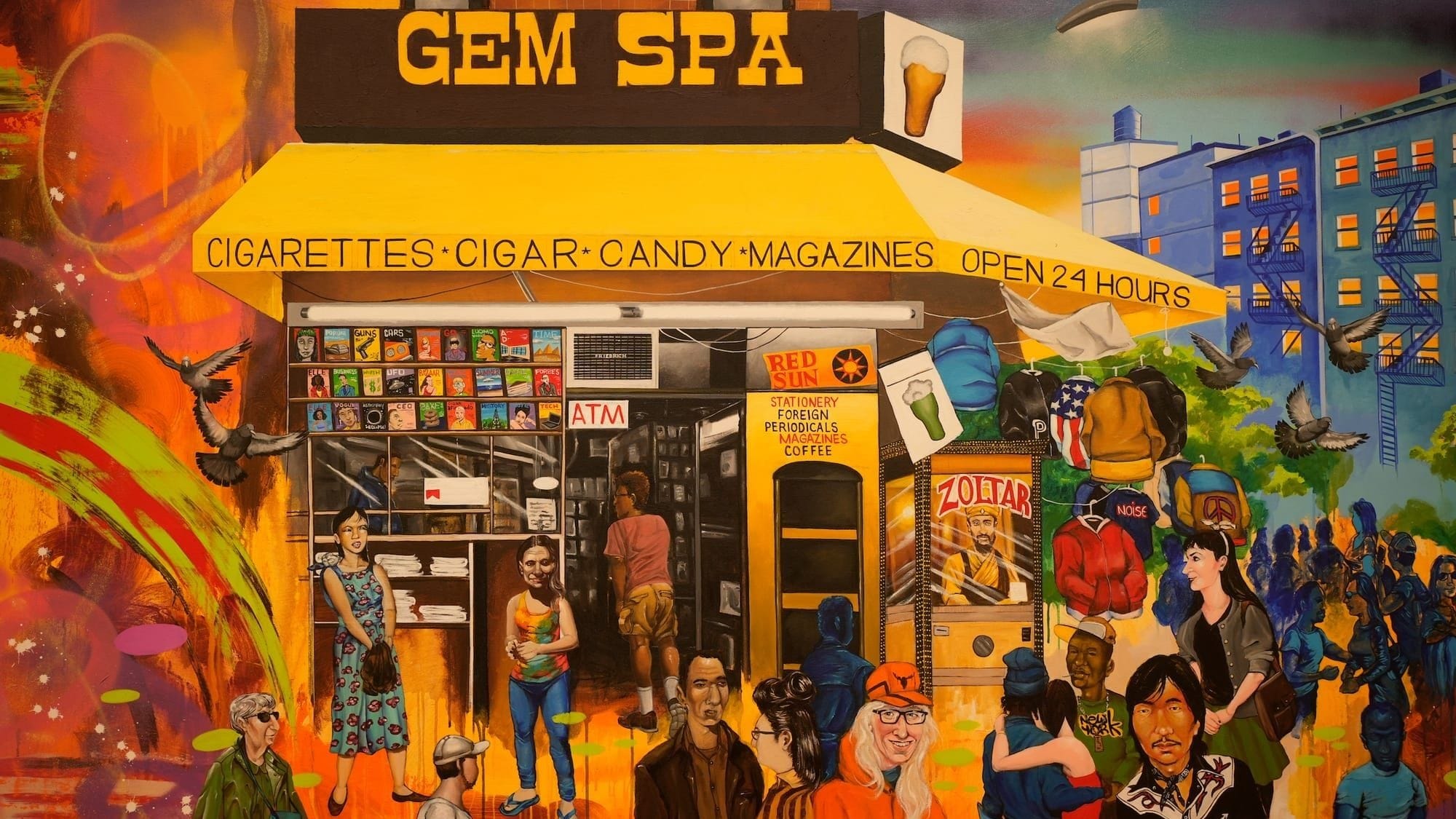

fromHi-Fructose Magazine - The New Contemporary Art Magazine
3 days agoKyle Cobban Draws From The Unknown - Hi-Fructose Magazine
"It's an amalgamation of the Chicago neighborhood aesthetic with a Bulls fan, quite literally. It's kind of on the nose, but that's how I juxtapose the elements of my work, with the structure of a home and then a figure who is around or in the home."
Chicago Bulls
fromdesignboom | architecture & design magazine
4 days agohow lachlan turczan reshapes matter by bending light and water in atmospheric installations
Lachlan Turczan's practice sits in the space between physics, optics, and environmental art, as he works with lasers, water, mist, and custom-built lenses to produce sculptures made entirely from light.
Berlin music
fromdesignboom | architecture & design magazine
4 days agoROOM FOR DREAMS: immersive installations, cinema and talks at milan design week 2026
ROOM FOR DREAMS becomes a living manifesto for utopian optimism, creative courage, and the power of imagination through a multilayered approach where large scale installations, cinematic storytelling, live conversations, and ritual-driven encounters converge.
Berlin
fromItsnicethat
4 days agoBravas Graphix are the rave connoisseurs behind some of Brussels' most explosive posters
"We're constantly striving to strike a balance between work that respects academic rules of composition, established visual codes and good readability, with something more spontaneous, adventurous, playful, even naive."
Typography
London music
fromwww.theguardian.com
3 days agoCurated chaos': Danny Boyle on the pop culture spectacular' he's bringing to London's Southbank Centre
Danny Boyle's 'You Are Here' celebrates 75 years of youth culture with a one-day immersive event featuring 1,000 performers at London's Southbank Centre.
fromArchDaily
5 days agoThe Illusion of Lightness: Designing Civic Voids for Public Life
The original intent of pilotis was to create a sense of lightness that would allow circulation and light to flow beneath a structure, but contemporary requirements render thin columns insufficient for large-scale civic projects.
Renovation
fromwww.businessinsider.com
6 days agoI thought this Tokyo museum would be a major tourist trap. It ended up being a highlight of my first trip to Japan.
TeamLab Planets quickly made a name for itself after opening its doors in 2018. It holds the Guinness World Record for the most-visited museum dedicated to a single group or artist, bringing in more than 2.5 million visitors from April 2023 to March 2024.
Digital life
fromArchDaily
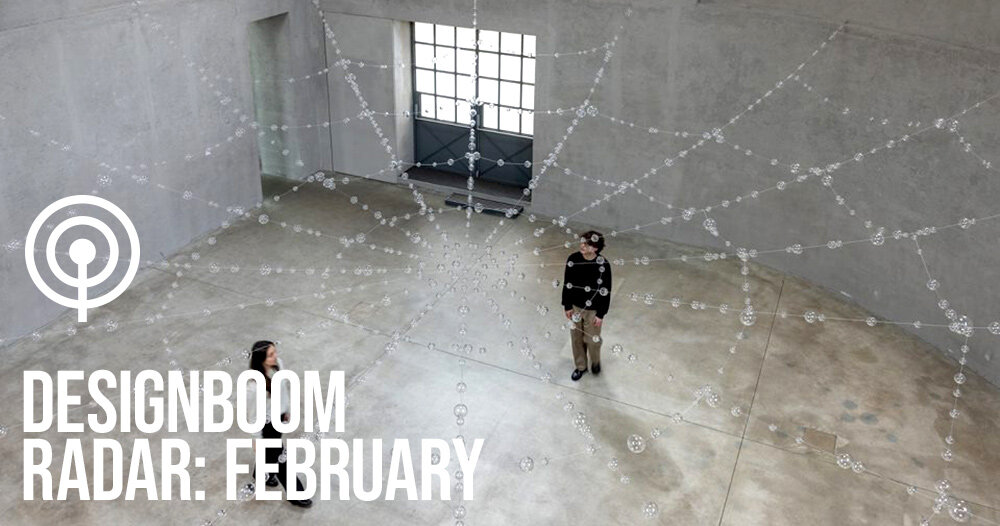
1 week agoArchitectures of the Gaze: 25 Viewpoints for Experiencing the Landscape
Viewpoints are structures designed for observing the landscape from elevated positions. They act as devices that organize the gaze and establish a direct relationship between the body and the territory.
Philosophy
Design
fromdesignboom | architecture & design magazine
6 days agoartwork uses floating fabric corridor and bodily movement to visualize climate change
Ryo Yamada's Perception Corridor is an immersive installation in Edinburgh that explores perception and environmental awareness through a 40-meter fabric corridor.
Berlin music
fromdesignboom | architecture & design magazine
1 week agosonar+D 2026 reveals festival lineup on post-AI reality, digital culture and alternative futures
Sónar+D 2026 focuses on technology as a tool for engagement, exploring themes of AI, physicality in digital culture, and alternative futures.
Paris food
fromdesignboom | architecture & design magazine
2 weeks agodreamlike aquarium chamber of 'kissing fish' at thaddaeus ropac paris invites visitors inside it
Ariana Papademetropoulos' Glass Slipper exhibition merges painting, sculpture, and installation around an inhabitable aquarium with kissing fish, ambient sound, and perceptual disorientation.

Arts
fromThe Art Newspaper - International art news and events
3 days agoGagosian chooses Paris location to present three important late paintings by Francis Bacon
Three late paintings by Francis Bacon will be exhibited in Paris, showcasing his significant connection to the city and his artistic evolution.
Design
fromYanko Design - Modern Industrial Design News
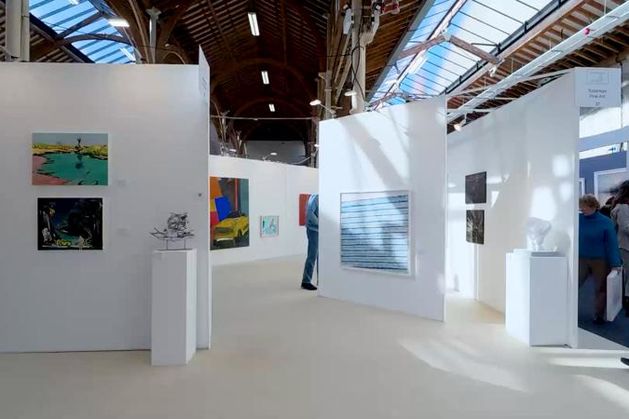
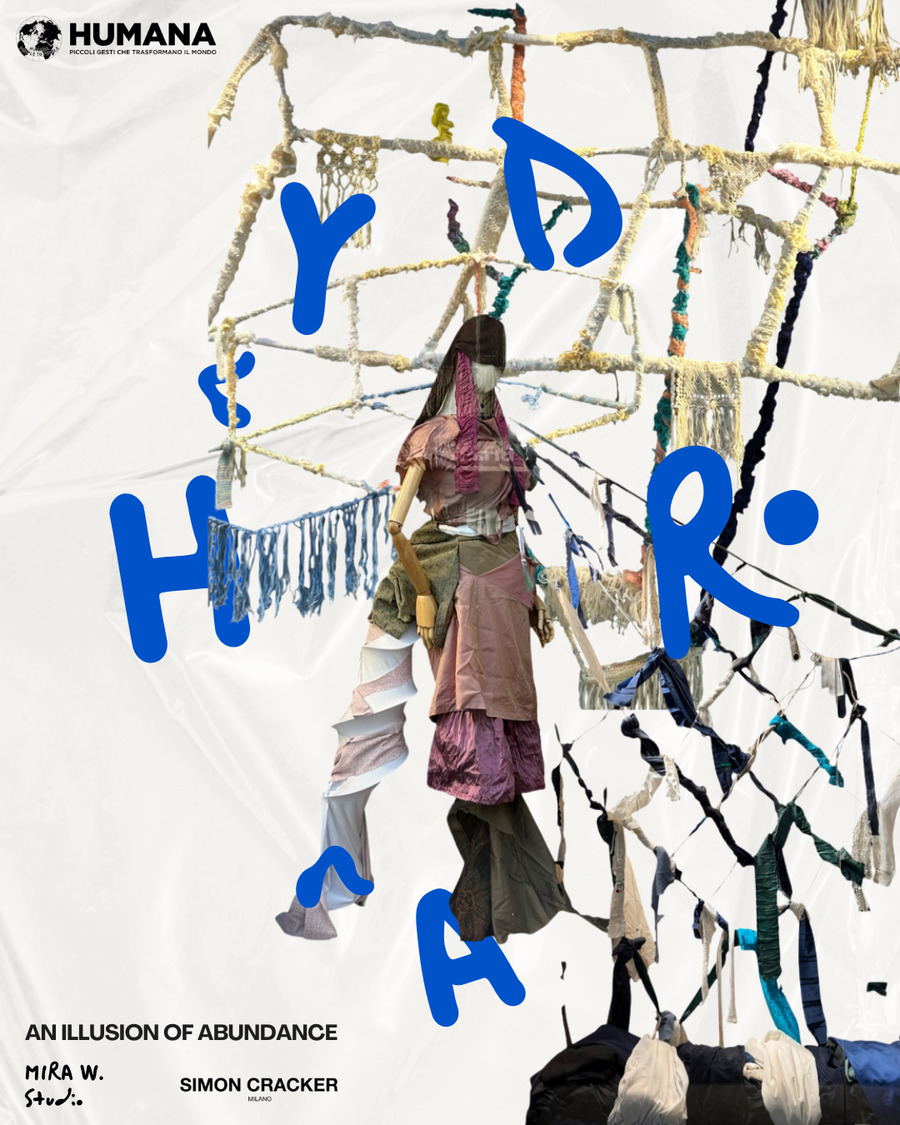
2 weeks ago5 Best Surreal Bookstores That Make You Forget You're Inside a Building - Yanko Design
Exceptional bookstores transcend retail by using architectural design inspired by nature and astronomy to transform reading spaces into immersive environments where books become spatial protagonists rather than products.
#art

Arts
fromIrish Independent
5 days ago'You have to step in and experience it' - artists on the rise of AI-generated art and the 'essential' gallery visit
Miriam Fitzgerald Juskova's exhibit combines paper quilling with mathematics, showcasing intricate art that engages viewers and emphasizes the value of handmade creations.
fromHyperallergic
4 days agoThe Art World Is a Joke
Kamrooz Aram is everywhere this year, from Mumbai Art Week to the Whitney Biennial, and critic Aruna D'Souza is grateful. She pens a beautiful meditation on his work, reading his abstract paintings as not simply a denunciation of Western modernism nor a reassertion of Islamic visual motifs, but something else entirely - something gestural, exuberant, riotous, and incomparably his own.
Arts
fromBOOOOOOOM!
4 days ago"Idling" by Artist Greta Kresse
"These paintings merge the landscape and the intimacy of windows through the framing of the car, bridging the two realms I've typically explored separately. The car becomes a meditation on transition, on existing simultaneously here and elsewhere."
Arts
fromArtnet News
5 days agoThe Sistine Chapel Is Coming to a Mall in Suburban New Jersey
"We are thrilled to bring this immersive experience to New Jersey. Whether you're an art-lover, history enthusiast, or someone encountering this masterpiece for the first time, this exhibition allows you to experience Michelangelo's genius in an intimate and unforgettable way."
Arts
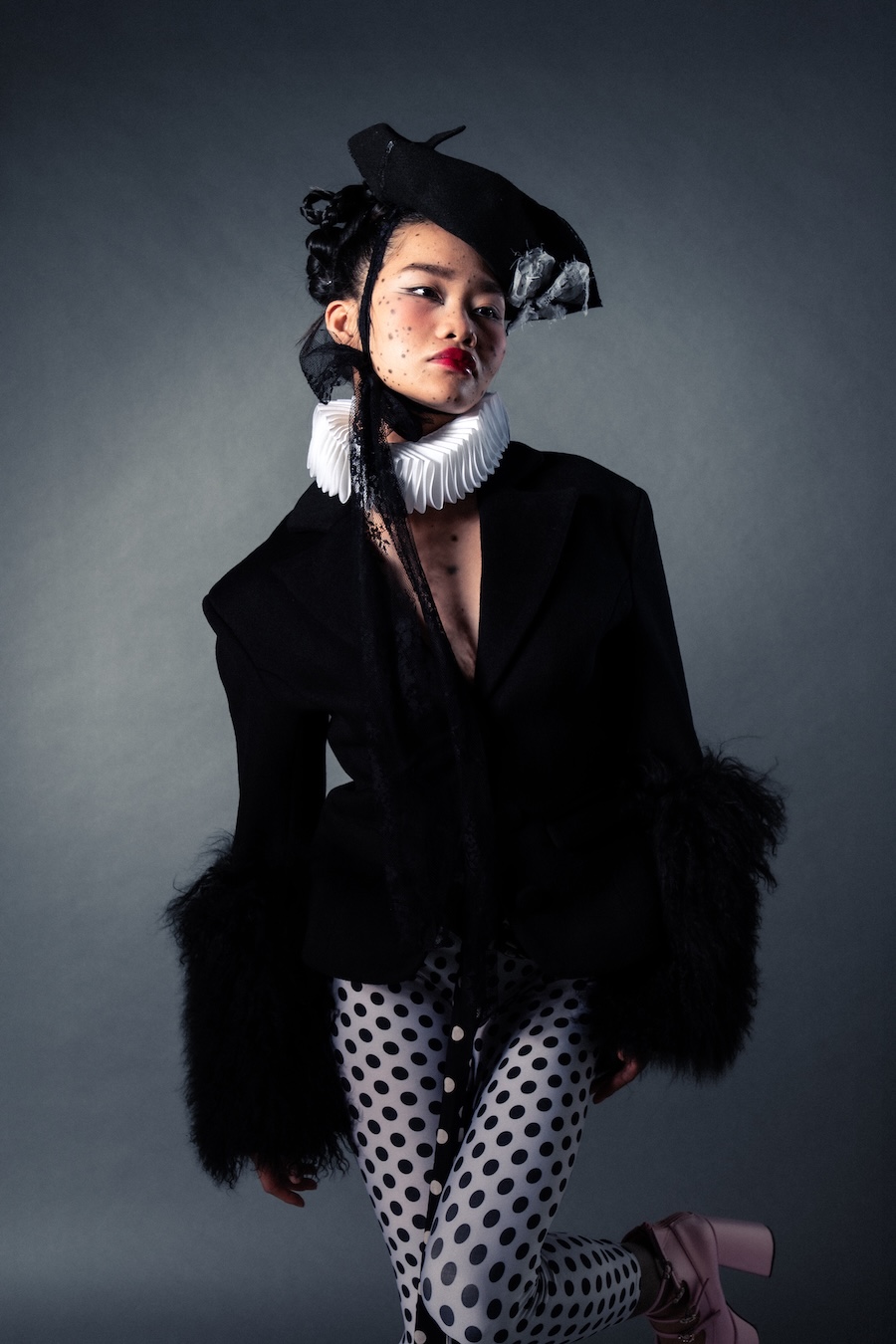
fromThesanjoseblog
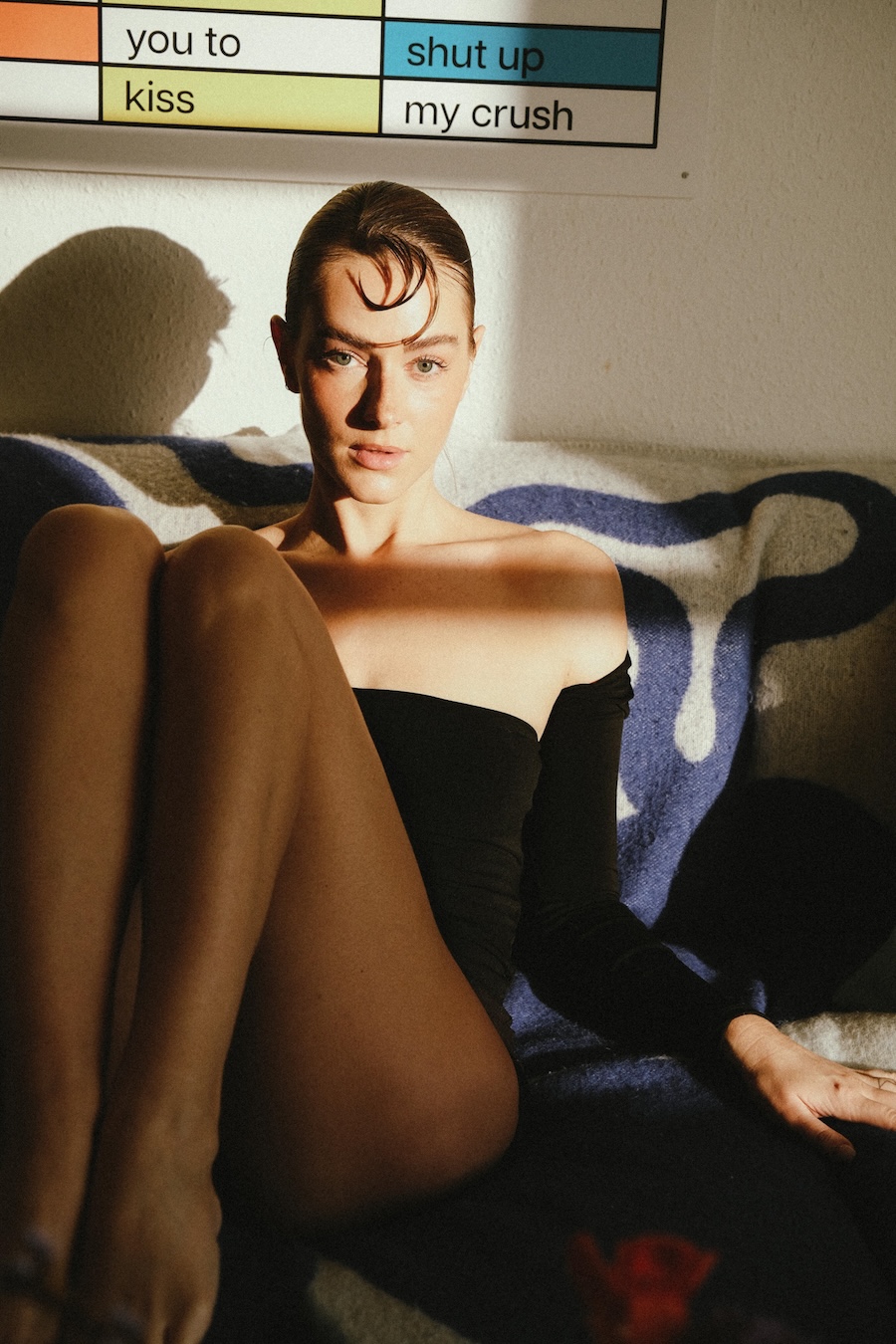
2 months agoInvisible Skies: A Flash Art Spectacle at San Jose City Hall
San Jose is hosting Invisible Skies, a free flash art event set for January 31, 2026, at City Hall on East Santa Clara Street in Downtown San Jose. Umbrella distribution starts at 5:30 PM, with the main activity kicking off at 6:30 PM once the sky darkens. This gathering will turn the plaza into a canvas for communal creativity, open to all ages and designed to last about two hours.
California
fromwww.theguardian.com
1 week agoSchiaparelli review it's cocktail o'clock with fashion's surreal goddess who out-lobstered Dali and turned a polar bear pink
Naked mermaids and prancing horses, silk carrots and unshelled peanuts, gilded elephant trunks, drums and masks are just a few of the buttons. The V&A's lavish spring show is a weird and wonderful tumble down the rabbit hole that is Schiaparelli, fashion's house of surrealism.
Arts
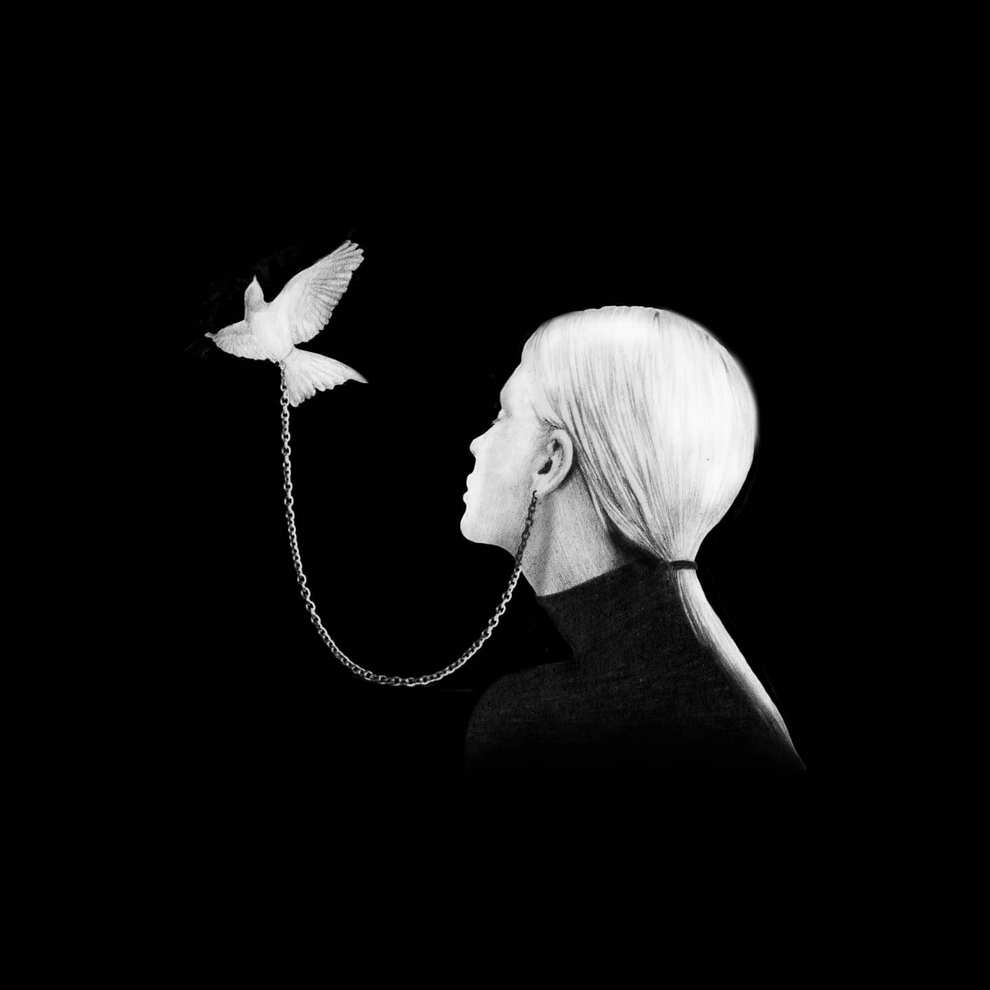
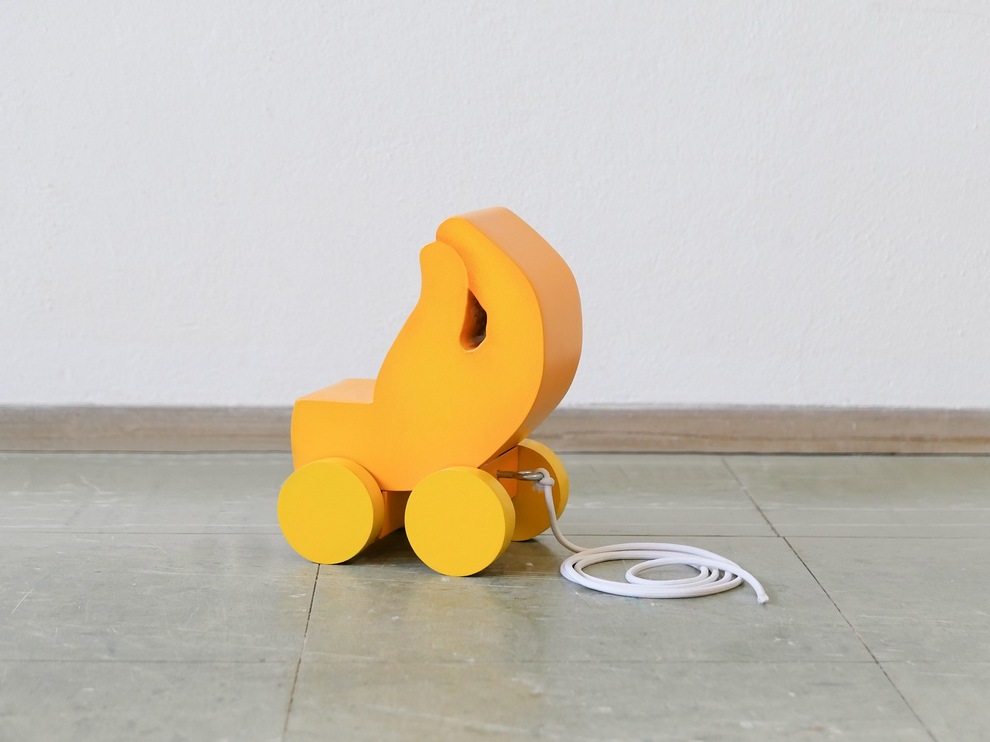

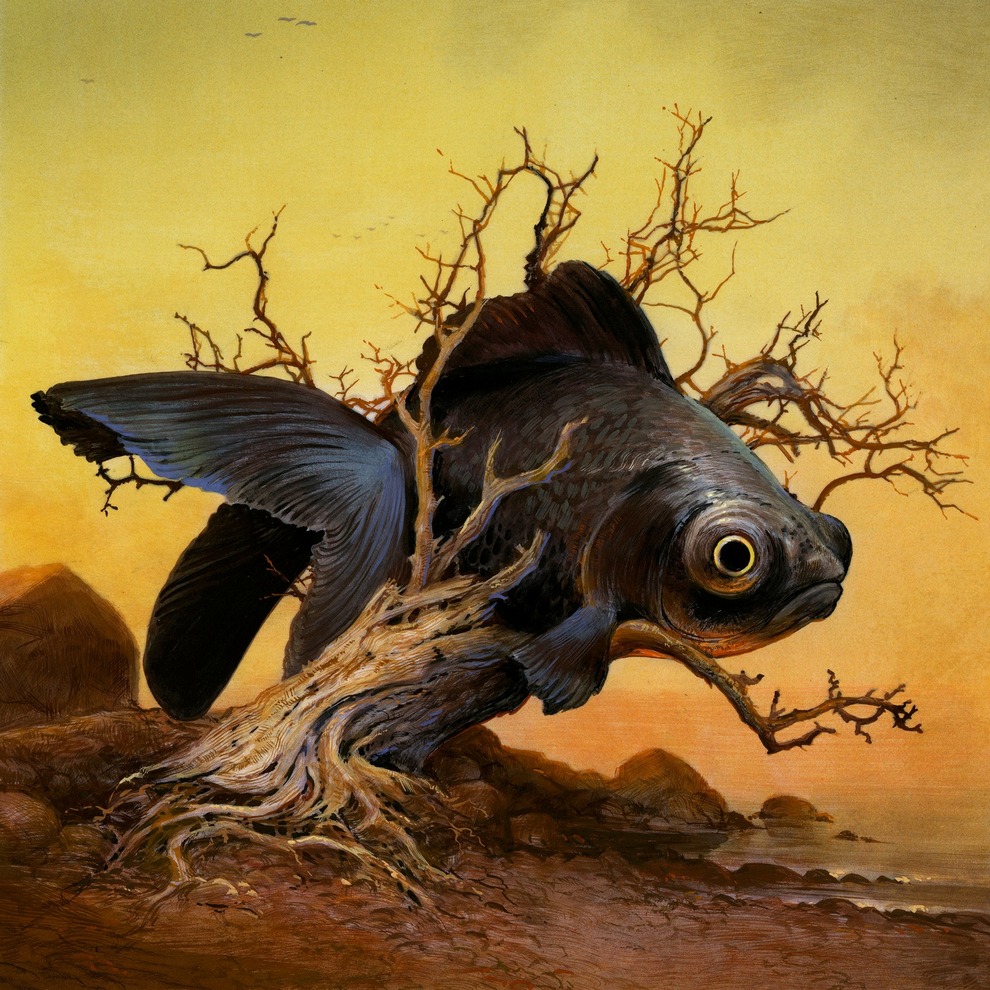
#surrealism
Arts
fromThe Art Newspaper - International art news and events
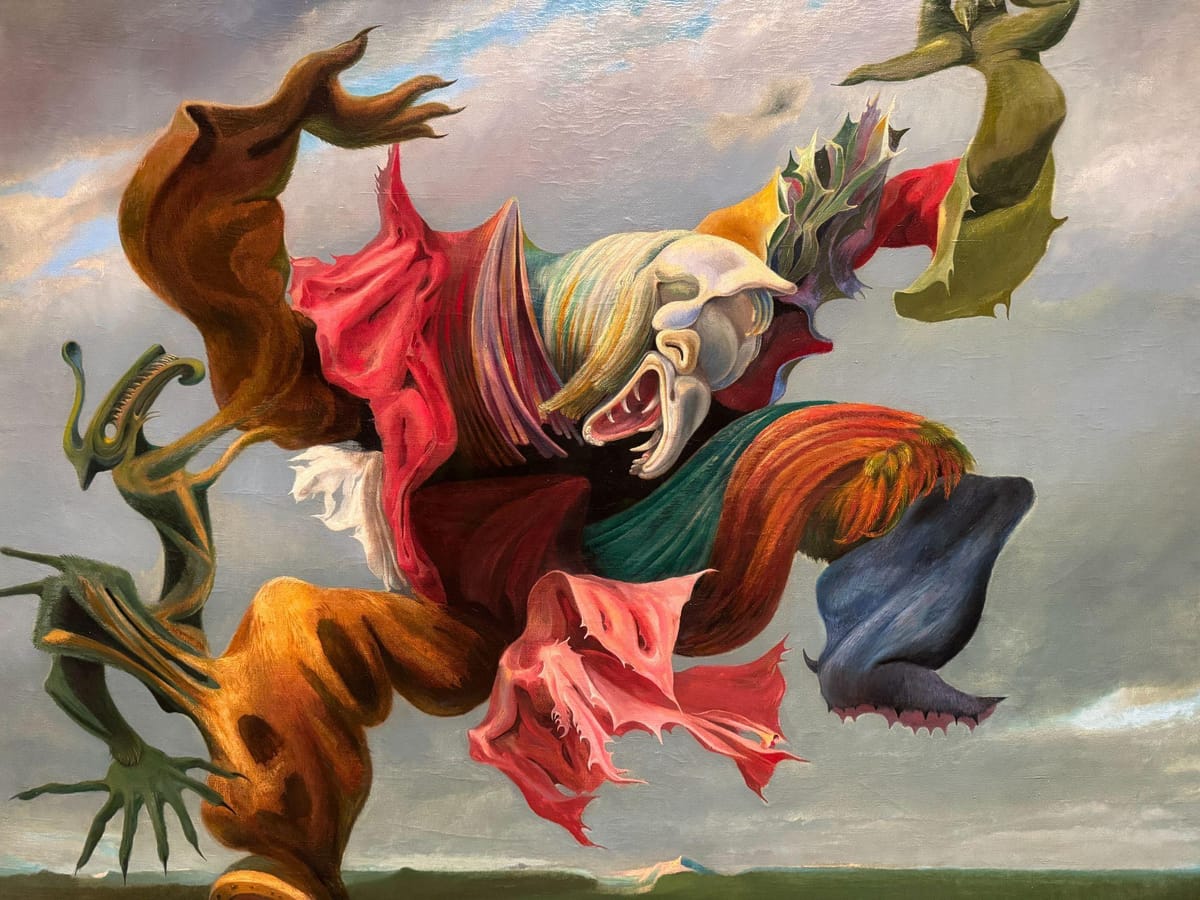
2 weeks agoDali painting that inspired Schiaparelli dress to be shown in UK for first time
Salvador Dalí's Necrophiliac Spring (1936), previously unseen in the UK, debuts at the V&A's Schiaparelli exhibition, having inspired her iconic Tears Dress (1938).

Arts
fromThe Art Newspaper - International art news and events
2 weeks agoDali painting that inspired Schiaparelli dress to be shown in UK for first time
Salvador Dalí's Necrophiliac Spring (1936), previously unseen in the UK, debuts at the V&A's Schiaparelli exhibition, having inspired her iconic Tears Dress (1938).
Arts
fromJuxtapoz
2 weeks agoJuxtapoz Magazine - Private Nightmares: Francisco Rodriguez @ Baert Gallery, Los Angeles
Rodriguez paints memories of vanished places using flattened compositions and muted palettes informed by historical artistic traditions, exploring contemporary anxieties through figures seeking escape from digital isolation.
fromAnOther
2 months agoInside a New Exhibition of David Lynch's Paintings and Photographs
Before he was a filmmaker, David Lynch was a painter and, if you're familiar with his esoteric filmmaking practice - peppered as it is with some of cinema's most indelible imagery - it all makes a lot of sense. A year after the auteur's passing, a newly opened show at Pace Gallery's Berlin space, Die Tankestelle, foregrounds Lynch's career-spanning fine art practice and its inextricable link to his cinematic oeuvre.
Film
Arts
fromdesignboom | architecture & design magazine
1 month agothree suspended digital screens translate AI imagery into luminous spatial installation
UNFOLD PLANE's spatial installation translates artificial intelligence concepts into an integrated architectural environment using suspended screens, dynamic lighting, and reflective surfaces that respond to visitor movement.

fromdesignboom | architecture & design magazine
2 months agopixel virtual gardens and robotic installations animate miguel chevalier's solo digital art show
Digital by Nature: The Art of Miguel Chevalier at Kunsthalle München presents the artist's largest solo exhibition in Europe to date, curated by Franziska Stöhr. The exhibition surveys Miguel Chevalier's practice from the early 1980s to the present, tracing his sustained engagement with digital technologies as both tools and subjects of artistic inquiry. Born in 1959 in Mexico City and based in Paris, Chevalier has worked with computers as a creative medium for more than four decades.
Arts
Arts
fromHi-Fructose Magazine - The New Contemporary Art Magazine
2 months agoPop Surrealist Todd Schorr Paints the Unusual & The Arcane - Hi-Fructose Magazine
A surreal, exuberant collage mixes apes, hot rod and surfer culture, cartoons, monsters, and nuclear-age symbols to celebrate unconscious imagination and playful daydreaming.
fromColossal
2 months agoAbsurd Scenarios Stretch Across Paco Pomet's Uncanny Canvases
From figures with multiple legs and noodles for arms to frolicking trees, Paco Pomet summons the absurd. Known for his uncanny oil paintings rendered mostly in monochrome and enlivened by colorful details of overly stretchy limbs or celestial objects, a sense of nostalgia greets surreal scenarios. The artist often derives his imagery from vintage black-and-white photographs, adding an absurd dimension to history.
Arts
Arts
fromTime Out London
2 months agoA huge Frida Kahlo exhibition is coming to London this summer - here's why it will be one of the city's best art shows in 2026
The Tate Modern will stage Frida: The Making of an Icon in 2026, exhibiting 130 works and materials exploring Kahlo's life, art, activism and legacy.
[ Load more ]