#tactile-art
#tactile-art
[ follow ]
#architecture #art #sculpture #art-exhibition #perception #creativity #accessibility #contemporary-art
fromdesignboom | architecture & design magazine
3 days agohow lachlan turczan reshapes matter by bending light and water in atmospheric installations
Lachlan Turczan's practice sits in the space between physics, optics, and environmental art, as he works with lasers, water, mist, and custom-built lenses to produce sculptures made entirely from light.
Berlin music
fromWIRED
5 days agoMeet the Man Making Music With His Brain Implant
Galen Buckwalter, a 69-year-old research psychologist and quadriplegic, participated in a brain implant study to contribute to science that aids those with paralysis. The six chips in his brain decode movement intention, allowing him to operate a computer and feel sensations in his fingers again.
Music production
fromArchDaily
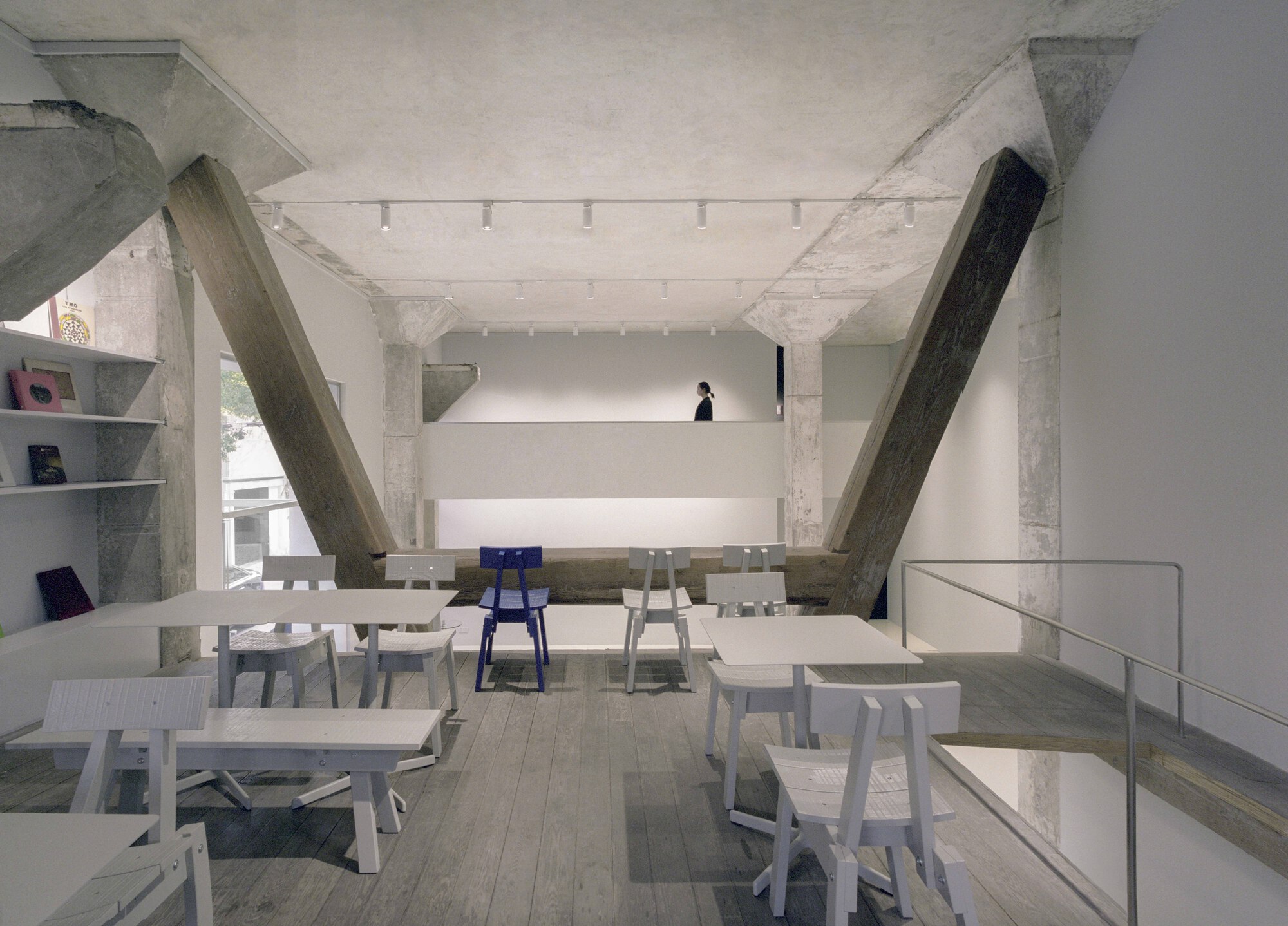
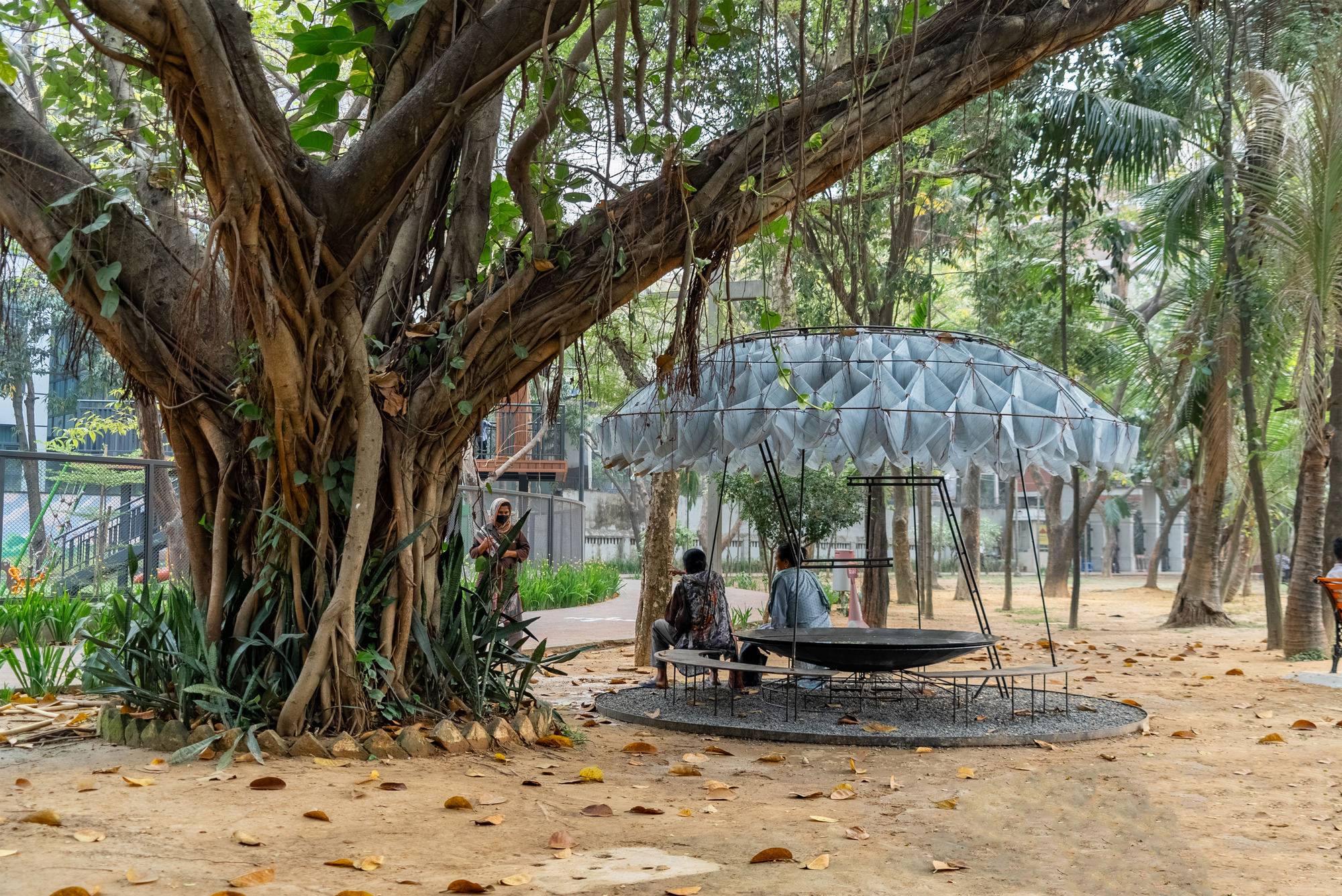
1 week agoArchitectures of the Gaze: 25 Viewpoints for Experiencing the Landscape
Viewpoints are structures designed for observing the landscape from elevated positions. They act as devices that organize the gaze and establish a direct relationship between the body and the territory.
Philosophy

Design
fromdesignboom | architecture & design magazine
5 days agoartwork uses floating fabric corridor and bodily movement to visualize climate change
Ryo Yamada's Perception Corridor is an immersive installation in Edinburgh that explores perception and environmental awareness through a 40-meter fabric corridor.
Paris food
fromdesignboom | architecture & design magazine
2 weeks agodreamlike aquarium chamber of 'kissing fish' at thaddaeus ropac paris invites visitors inside it
Ariana Papademetropoulos' Glass Slipper exhibition merges painting, sculpture, and installation around an inhabitable aquarium with kissing fish, ambient sound, and perceptual disorientation.
fromSilicon Canals
3 weeks agoPeople who can't walk through a store without running their fingers along every surface aren't being childish - they learned early that the world only felt real when their body confirmed it because the emotional information they received from people was never reliable enough to trust - Silicon Canals
For many of us, that compulsive need to touch isn't about poor impulse control. It's about confirmation. It's about making sure the world around us is real, solid, tangible - because somewhere along the line, we learned that the emotional landscape we navigated wasn't.
Psychology
Music
fromPsychology Today
3 weeks agoArt as a Biological Bedrock of Shared Humanity
Humans are biologically wired for shared artistic experiences, which serve as essential connective tissue for our nervous systems and cultural identity, transcending the perceived obsolescence of performing arts in the digital age.
#art
Arts
fromIrish Independent
4 days ago'You have to step in and experience it' - artists on the rise of AI-generated art and the 'essential' gallery visit
Miriam Fitzgerald Juskova's exhibit combines paper quilling with mathematics, showcasing intricate art that engages viewers and emphasizes the value of handmade creations.

Miscellaneous
fromArchDaily
4 weeks agoMapping Space Without Sight: Inside SEAlab's Sensory Architecture
SEAlab designed a school for blind and visually impaired children by prioritizing spatial perception through observation, creating a simple geometric layout with a central courtyard as a navigational anchor.
Wellness
fromDesign Milk
1 month agoEmergence is a New Kind of Multi-Sensorial Wellness Experience
The wellness sector reaches $6.3 billion in 2023 with 7.3% annual growth through 2028, expanding beyond traditional treatments into neuroscience-based experiences like Kinda Studio's personalized meditative Emergence service.
Miscellaneous
fromdesignboom | architecture & design magazine
1 month agoanamorphic installation by thomas medicus rotates into four shifting hand images
Coopparatus is a mechanical anamorphic installation that reveals four hand images sequentially through 90-degree rotations of a glass-strip cube, fragmenting between legible states to examine perception as an active, conditional process.
Design
fromdesignboom | architecture & design magazine
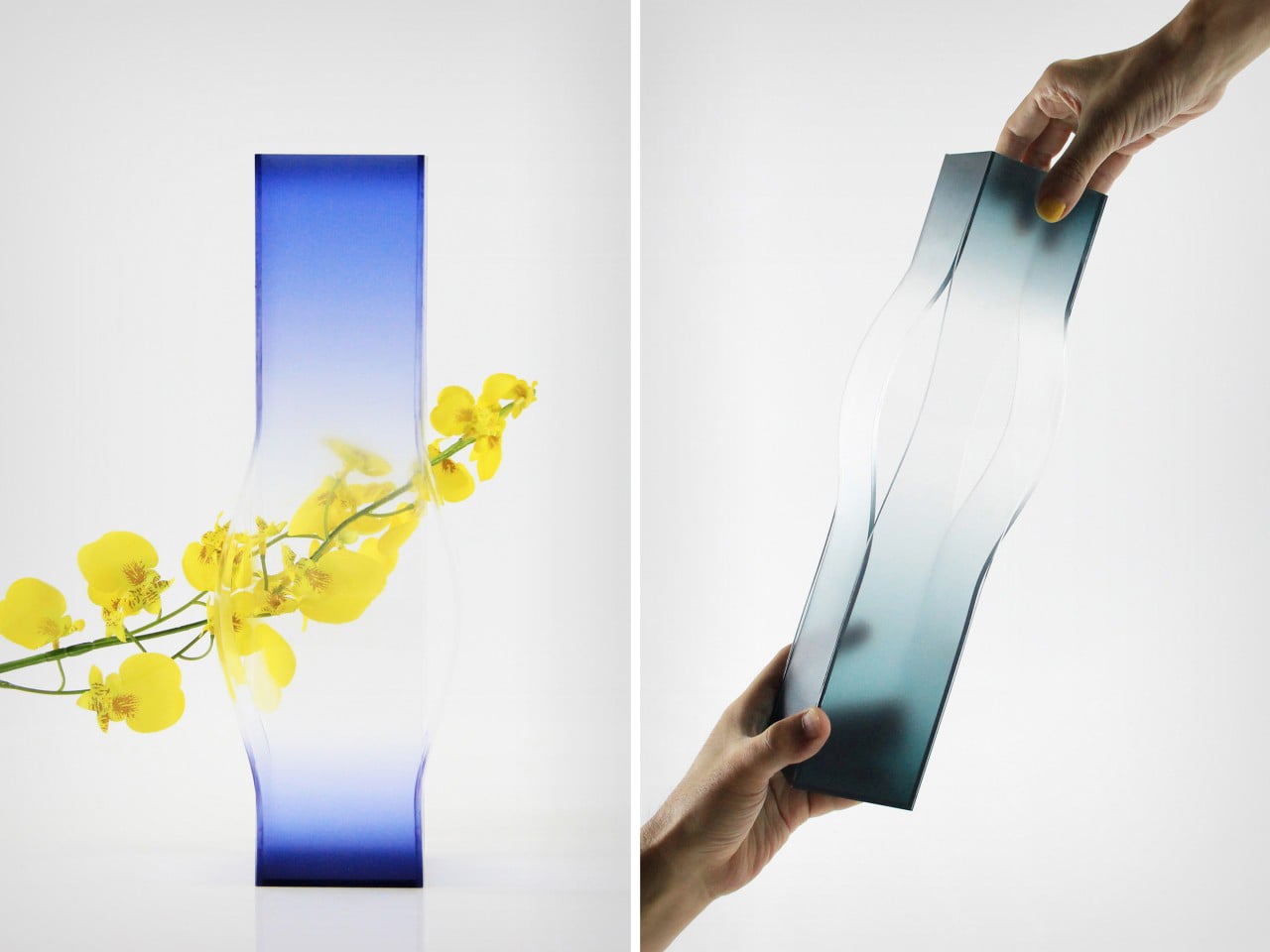
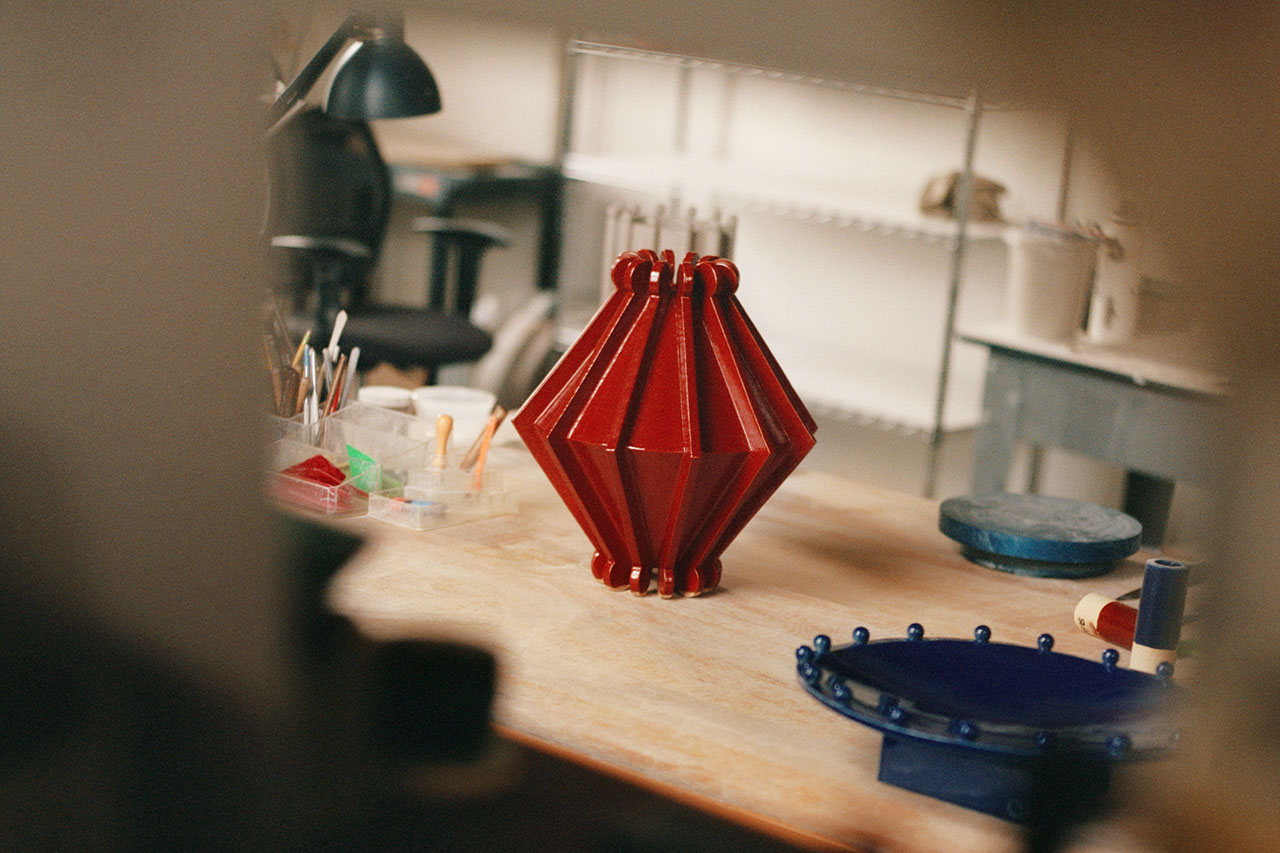
1 week agonostalgia for caramel candy inspires a ceramic collection of interior objects
The 'Caramel' collection features modular ceramic lighting and furniture designed for personalization and expression, inspired by childhood memories and contemporary life.
fromHyperallergic
1 week agoTaking a Seat at Robert Therrien's Table
Robert Therrien's 'Under the Table' is a 10-foot-tall sculpture that captivates visitors, inviting them to experience its scale and intricacies from below. The piece exemplifies Therrien's ability to transform everyday objects into monumental art.
Arts
Renovation
fromArchitectural Digest
1 month agoArchitects Say Touchscreens Ruined the Smart Home. Now They're Going Back to Buttons
High-end residential design increasingly favors analog controls and hidden technology over visible smart home interfaces, driven by user frustration, reliability concerns, and aesthetic preferences.
Design
fromArchDaily
2 weeks agoSmiljan Radic: Material Explorations Between Ephemerality and Permanence
Chilean architect Smiljan Radić creates buildings that blend ancient monumentality with provisional fragility, combining diverse materials in experimental ways that challenge conventional architectural categorization.
Design
fromdesignboom | architecture & design magazine
2 weeks agowater run interactive installation maps water cycles through tactile play and movement
The Water Run is an interactive installation using moving balls through a rotating track system to represent water circulation across natural, historical, and urban environments.
Miscellaneous
fromThe Art Newspaper - International art news and events
1 month agoComment | Art is more than its original context
Understanding art's original context enriches appreciation, yet modern viewing conditions and lost contexts require adapting how we engage with artworks across different settings and time periods.
Design
fromdesignboom | architecture & design magazine
3 weeks ago'raw geological poetry': how SolidNature interprets stone into an architecture of emotions
SolidNature transforms natural stone from conventional building material into atmospheric, emotionally expressive design medium through craftsmanship, technology, and artistic collaboration.
#ceramic-sculpture
Arts
fromYanko Design - Modern Industrial Design News
2 weeks agoJanny Baek's Ceramics Look Like They're Still Evolving - Yanko Design
Janny Baek's ceramic sculptures deliberately maintain ambiguity and incompleteness, appearing caught mid-transformation as though unfinished by the kiln, creating visually arresting forms that suggest multiple organic possibilities simultaneously.

Arts
fromYanko Design - Modern Industrial Design News
2 weeks agoJanny Baek's Ceramics Look Like They're Still Evolving - Yanko Design
Janny Baek's ceramic sculptures deliberately maintain ambiguity and incompleteness, appearing caught mid-transformation as though unfinished by the kiln, creating visually arresting forms that suggest multiple organic possibilities simultaneously.
fromPsychology Today
1 month agoHyperphantasia: When Imagination Is as Vivid as Real Life
Close your eyes and picture an apple. Most people see something-a faint, slightly blurry image, less vivid than a real apple. A few, however, will see it as clearly as if it were sitting right in front of them. This ability is called hyperphantasia. Hyperphantasia, literally meaning "beyond imagination," refers to exceptionally vivid mental imagery. It is often described as the opposite of aphantasia, a condition in which people report little or no ability to form mental images.
Psychology
fromFast Company
1 month agoThis AI-powered machine turns photos into smells
One scientist at MIT, Cyrus Clarke, is working to do just that. Alongside a team of fellow researchers, Clarke has developed a physical machine called the Anemoia Device, which uses a generative AI model to analyze an archival photograph, describe it in a short sentence, and, following the user's own inputs, convert that description into a unique fragrance. The word "anemoia" was coined by author John Koenig and included in his 2021 book, The Dictionary of Obscure Sorrows.
Artificial intelligence
fromBoard Game Quest
1 month agoSand Art Review
Sand Art is a game by Kory Jordan and published by 25th Century Games for two to four players ages 10 and up. It takes about an hour to play, and has you collecting resources and then coloring in a bottle, making art in a bottle out of sand, in case the name didn't give away the plot. Gameplay Overview: Sand Art has you gathering and mixing sand, which is used to fill your bottle.
Board games


fromFuturism
2 months agoMan Explains Why He Shredded Up an AI-Generated Art Exhibit With His Bare Teeth
As theschool's student newspaper The Sun Star reported, undergraduate student Graham Granger was arrested for criminal mischief after masticating at least 57 of the 160 images that had been carefully arranged by fine arts student Nick Dwyer. The incident was an eyebrow-raising illustration of the collective exhaustion with being surrounded by the outputs of generative AI, a fierce debate that has gripped the art world.
Higher education
fromHyperallergic
3 weeks agoEmbracing Friction in the Art World
On Franklin Street in Brooklyn's Greenpoint neighborhood, one non-commercial gallery fosters 'a small, stubbornly human space for friction.' Friction—the ubiquitous buzzword that captures the simultaneous delight and discomfort of doing things the slow way—is at the heart of artists Pap Souleye Fall and Char Jeré's current show at Subtitled NYC. It also reflects the overall spirit of this little exhibition space and of a burgeoning movement to reject our culture of optimization in favor of a bumpier, more intimate, less alienating experience.
Arts

fromdesignboom | architecture & design magazine
1 month agoplayful interactive cone installation reflects viewers' sand art back to them
A circular concrete ring forms a defined boundary, incorporating a landing and three steps that lead into a contained field of refined sand. At the center of this ring rises a tall cone clad in polished mirrored steel. The composition establishes a clear geometric contrast between the horizontal plane of sand and the vertical reflective surface.
Design
Arts
fromHyperallergic
3 weeks agoMerging Craft Practices and New Media at the Museum of Craft and Design
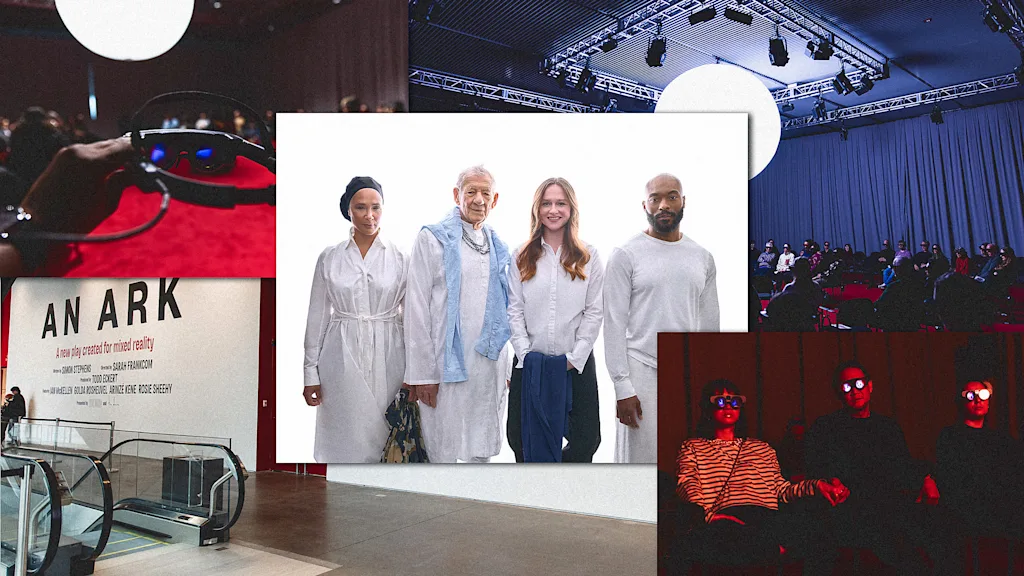
Video Craft exhibition explores how video, film, and early moving image technologies share formal and technical properties with traditional craft media like ceramics, textiles, and glass through encoding, looping, and sampling.

Arts
fromThe Art Newspaper - International art news and events
3 weeks agoArtists agonise over when a work is finished-but should we viewers care?
Artists determine completion when they have successfully transformed visual memory and emotion into a physical object, at which point further work becomes unnecessary.
fromYanko Design - Modern Industrial Design News
2 months agoThis MIT Prototype Translates Images Into Fragrances That Your Mind Remembers Better - Yanko Design
At a time when memories are increasingly flattened into folders, feeds, and cloud backups, a new experimental device from MIT Media Lab proposes a far more intimate archive: scent. Developed by Cyrus Clarke, the Anemoia Device is a speculative yet functional prototype that translates photographs into bespoke fragrances using generative AI, inviting users not to view memories, but to inhabit them through the body.
Gadgets
fromdesign-milk.com
1 month agoTottolo: A Table Shaped by Playful Curiosity, Not Perfection
If you've ever been handed something made by a child a lopsided drawing, a collage of construction paper and glue you know how precious it is. What might look imperfect is, to them, a record of focus, joyful creativity, and sheer imagination, untouched by rules or expectations. Designed by Sergei Lvov of Levantin Studio and produced by Uneven Objects, Tottolo carries that same spirit: a table shaped not by logic, but by intuition, play, and the freedom to create without constraint.
Design
fromYanko Design - Modern Industrial Design News
2 months agoThis Oak Sideboard Has Doors You Can't Stop Touching - Yanko Design
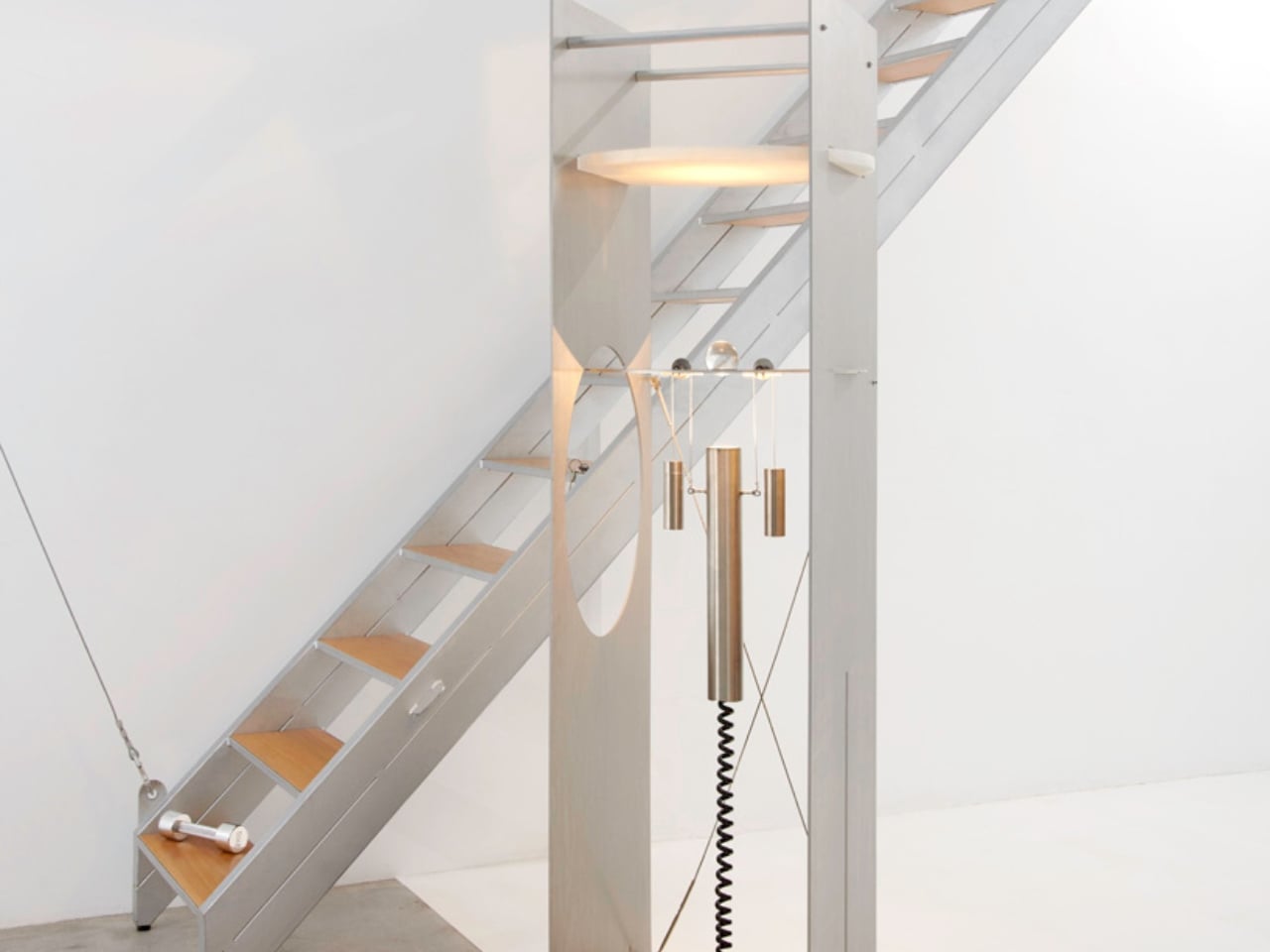
You know that feeling when you run your fingers across something and the texture makes you stop in your tracks? That's exactly the vibe British furniture maker Nick James is going for with his sideboard featuring sculpted doors. And honestly, it's the kind of piece that makes you rethink what furniture can be. At first glance, it looks like a solid oak sideboard. Clean lines, classic proportions, nothing too flashy.
Design
Arts
fromdesignyoutrust.com
2 months agoArtist Paints Smoky Lounges And Quiet Strangers, Letting Halffinished Details Turn Viewers Into Coauthors Of The Scene
A wide-ranging visual roundup showcases creative reinterpretations, vintage design, activist art, photography, illustration, and humorous cultural works spanning contemporary and historical styles.
Arts
fromwww.theguardian.com
1 month agoArtist Sarah Sze: A work of art is finished when everything teeters'
Sarah Sze’s Gagosian Beverly Hills exhibition uses 13 works—large, intricate paintings and video installations—to create immersive, disorienting landscapes reflecting an image‑saturated, unstable contemporary world.
[ Load more ]