#talpiot-tomb
#talpiot-tomb
[ follow ]
#archaeology #mass-grave #book-of-the-dead #ibrahimi-mosque #hebron #israeli-settlements #palestinian-rights
fromArtnet News
1 week agoMassive Cache of 42,000 Pottery Shards Reveals Daily Life in Ancient Egypt
The ostraca show us an astonishing variety of everyday situations. We find tax lists, deliveries, short notes about everyday activities, religious texts, and priestly certificates attesting the quality of sacrificial animals.
Arts

fromThe Local France
2 weeks agoMysterious ancient skeletons discovered sitting upright in France
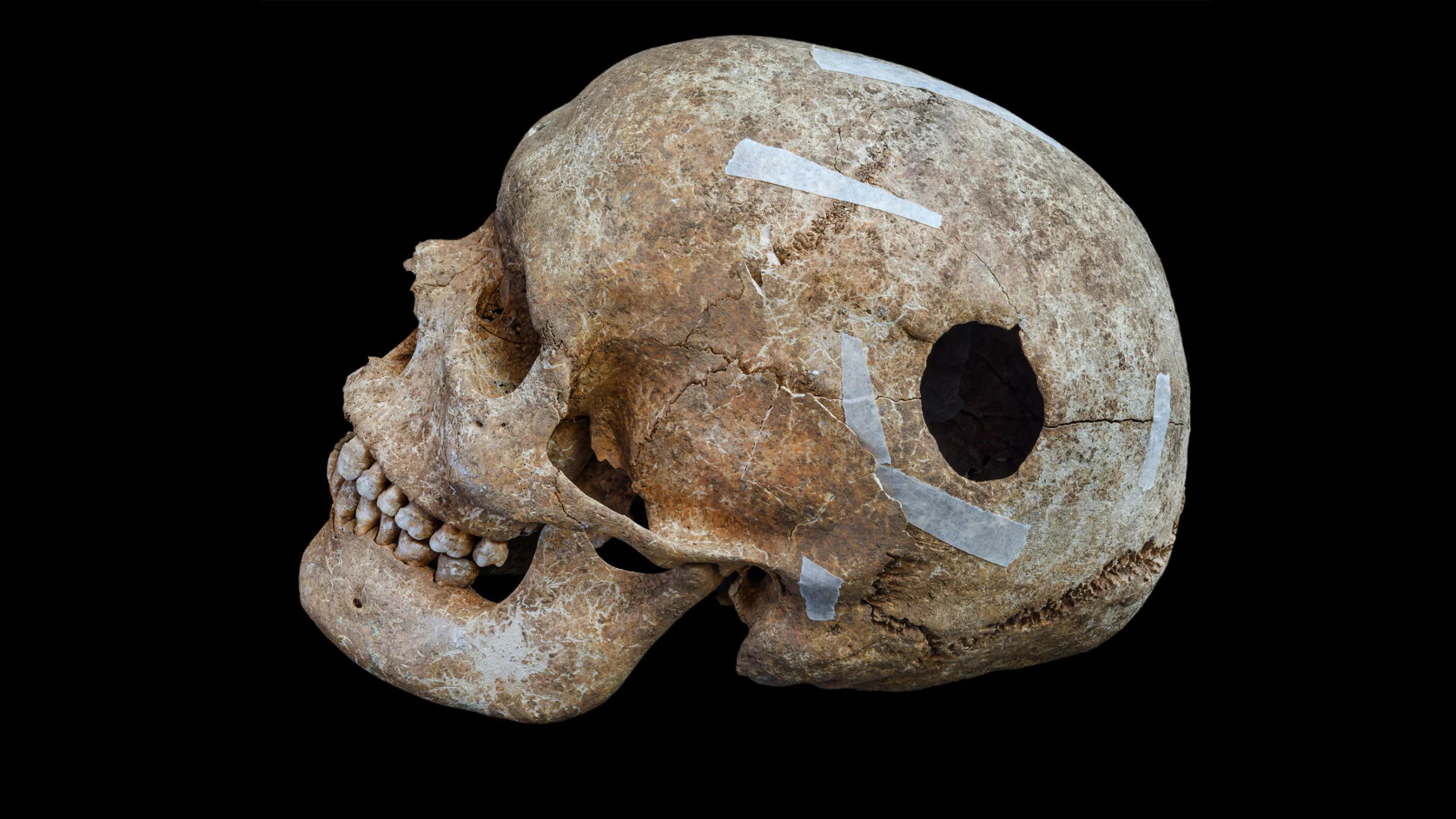
Similar to four others unearthed nearby earlier this month, it is sitting upright at the bottom of a one-metre-wide pit. The skeleton's hands are resting in its lap. Like the others, its back is against the eastern wall, its face directed westward.
France news
fromMedievalists.net
1 week agoWho Lies in Winchester's Medieval Mortuary Chests? - Medievalists.net
This project demonstrates the combined power of science, the study of human remains and historical research to discover new information about the six mortuary chests and their occupants which would not have been available to us a generation ago.
History
fromwww.theguardian.com
2 weeks agoAncient skeleton discovered sitting upright in France
Five tombs of Gauls buried in a seated position have been discovered in central Dijon. Similar to four others unearthed nearby earlier this month, it is sitting upright at the bottom of a one-metre-wide pit. The skeleton's hands are resting in its lap. Like the others, its back is against the eastern wall, its gaze directed westward.
France news


fromwww.thehistoryblog.com
3 weeks agoSamnite burials of children with bronze warrior belts found
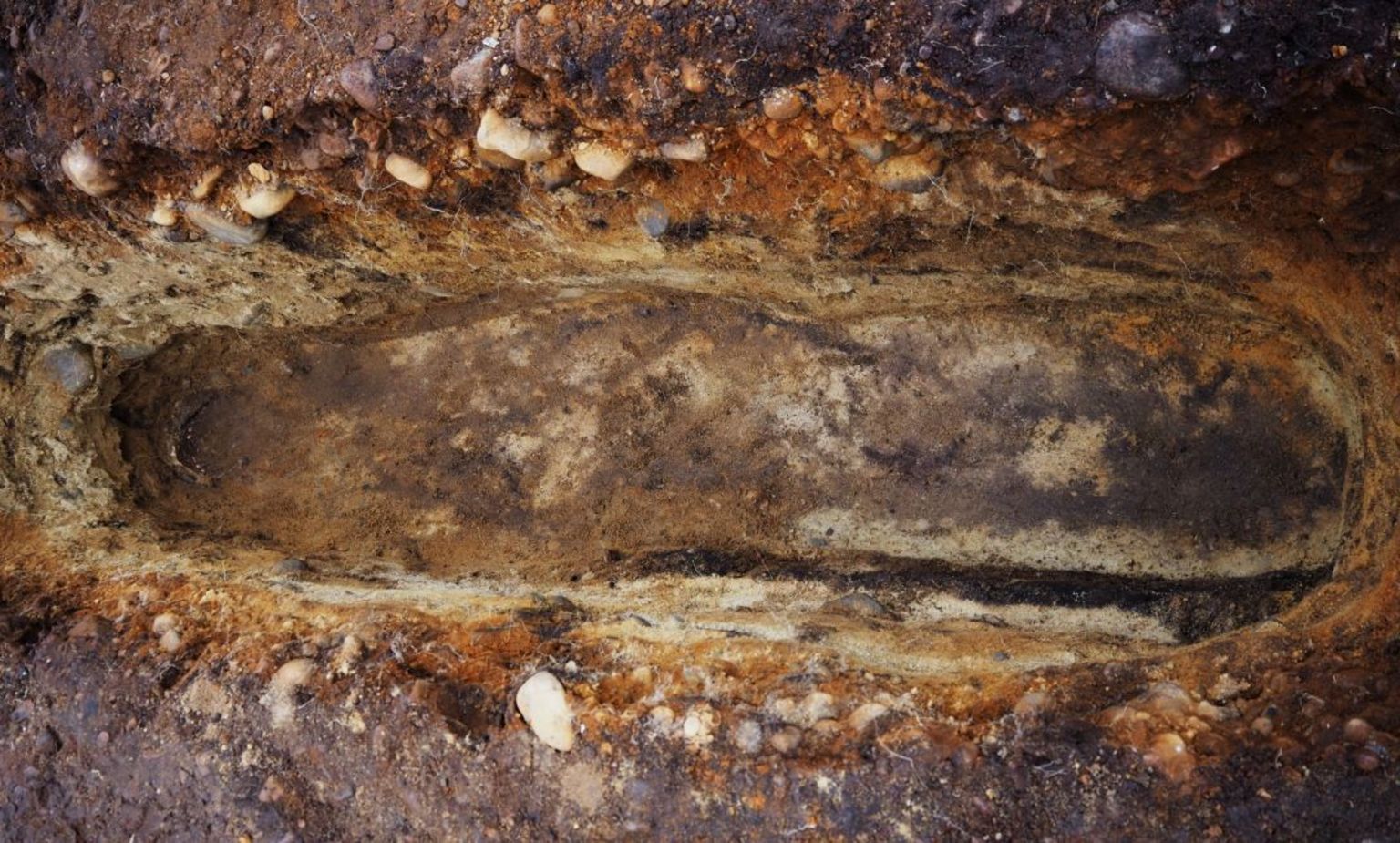
The excavation ultimately unearthed 34 burials, 15 of them belonging to children between two and ten years old when they died. The graves are clustered in groups, probably reflecting family nuclei. Most the grave types are earthen pits covered with roof tiles angled against each other.
History
fromwww.thehistoryblog.com
3 weeks agoCoffins of Amun's singers, sealed papyri found at Luxor
The coffins are elaborately painted in vivid polychrome. They were stacked in layers and carefully arranged so the 22 coffins fit into the constricted space. They were placed in 10 horizontal rows and the lids separated from the body of the coffin to maximize the limited space. There are no personal names on most of the coffins, but there are titles. The most common title found in the coffin is Singer of Amun or Chantress of Amun.
History


fromwww.thehistoryblog.com
1 month agoCenturion's tombstone reused in someone else's grave
Both of the cyst graves feature funerary markers reused as building material. One of them contains the partially preserved tombstone of Legio I Italica centurion Gaius Valerius Verecundus was engraved with a wreath of which only traces remain and an inscription that describes him as having been heavily pressed by fate.
History
Arts
fromThe Art Newspaper - International art news and events
2 months agoBritish Museum reports record-breaking year for finding treasure in the UK
UK metal detectorists recorded a record 79,616 archaeological finds in 2024, including 1,540 treasures such as a 179-coin hoard and a Roman vehicle fitting.
History
fromOpen Culture
1 month agoThe Dead Sea Scrolls: Discover the Secrets of the Bible's Oldest and Strangest Texts
Dead Sea Scrolls include the oldest known biblical manuscripts, diverse texts (biblical, apocryphal, sectarian, unknown) that complicated but did not completely upend understanding of Christianity.
fromwww.thehistoryblog.com
2 months agoMonumental Republican tombs found in Rome suburb
An monumental early Republican-era funerary complex has been discovered in a suburb of Rome. The excavation of the Via di Pietralata east of Rome also uncovered a stretch of an ancient road, a small cult building and two monumental basins dating back to the 3rd and 2nd centuries B.C. Remains from this early in the Republican era are scarce in the Eternal City, which make these finds very archaeologically significant.
History
fromwww.thehistoryblog.com
1 month agoRare Mithraic altars found in Scotland go on display for the first time
Two exceptionally rare and beautifully carved Mithraic altars found in Inveresk, East Lothian, Scotland, are going on display for the first time. They are not just the only Roman altars ever found in Scotland, but are among the finest examples of Roman sculpture in Roman Britain. They are also uniquely early in date, having been made in 140s A.D. during Antoninus Pius' reoccupation of southern Scotland, whereas most other archaeological materials related to the worship of Mithras in Britannia date to the 3rd century.
fromwww.thehistoryblog.com
2 months agoByzantine-era monastic compound unearthed in Upper Egypt
The foundations of several buildings made of mudbrick were unearthed, evidence of a self-sustaining residential community that sheds new light on early Christian monastic life in the region. Details of the architectural remains point to a well-planned complex. Mohamed Abdel-Badei, head of the Ancient Egyptian Antiquities Sector, said the mission uncovered rectangular mudbrick buildings oriented west to east, with dimensions ranging from about 8 by 7 metres to 14 by 8 metres.
History
History
fromwww.mercurynews.com
1 month agoToday in History: February 16, Tutankhamen's tomb unsealed
Feb. 16 features major historical events including King Tutankhamen's burial chamber unsealing (1923), Fort Donelson surrender (1862), Castro becoming Cuba's premier (1959), and several modern political and transportation incidents.
[ Load more ]