#tanker-rates
#tanker-rates
[ follow ]
#strait-of-hormuz #iran #oil-prices #middle-east-conflict #gas-prices #global-economy #trump #energy-crisis
#iran


World news
fromLondon Business News | Londonlovesbusiness.com
1 day agoIran vows to retain control of Strait of Hormuz as tensions escalate - London Business News | Londonlovesbusiness.com
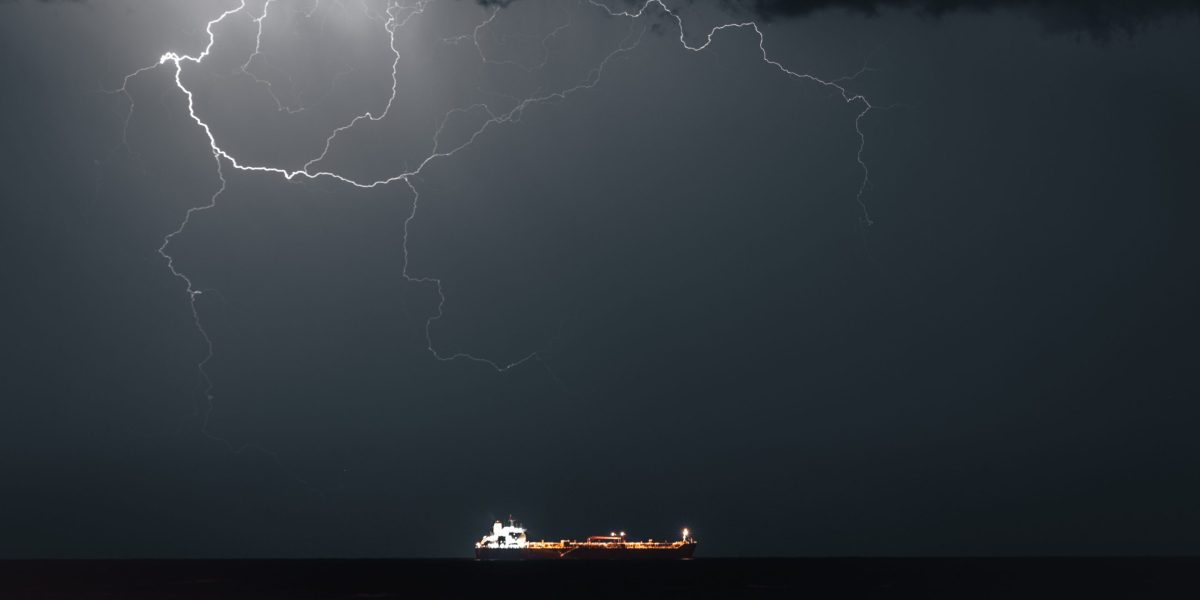
Iran intends to maintain control over the Strait of Hormuz, asserting its military capabilities and rejecting any compromise regarding its strategic position.
World news
fromLondon Business News | Londonlovesbusiness.com
1 day agoIran vows to retain control of Strait of Hormuz as tensions escalate - London Business News | Londonlovesbusiness.com
Iran intends to maintain control over the Strait of Hormuz, asserting its military capabilities and rejecting any compromise regarding its strategic position.






fromwww.cbc.ca
4 days agoHere's where you will or won't see a fuel surcharge | CBC News
Jet fuel tends to be an airline's biggest expense. An analysis by the International Air Transport Association showed that, for the week ending March 27, the weekly average price of jet fuel has skyrocketed 116.8 per cent compared to the previous year's average.
Canada news
#crude-oil
World news
fromLondon Business News | Londonlovesbusiness.com
5 days agoCrude oil falls sharply in Asian session as escalation expectations temporarily ease - London Business News | Londonlovesbusiness.com
Crude oil prices are declining as the market reassesses expectations following geopolitical tensions and backchannel diplomatic progress between the U.S. and Iran.
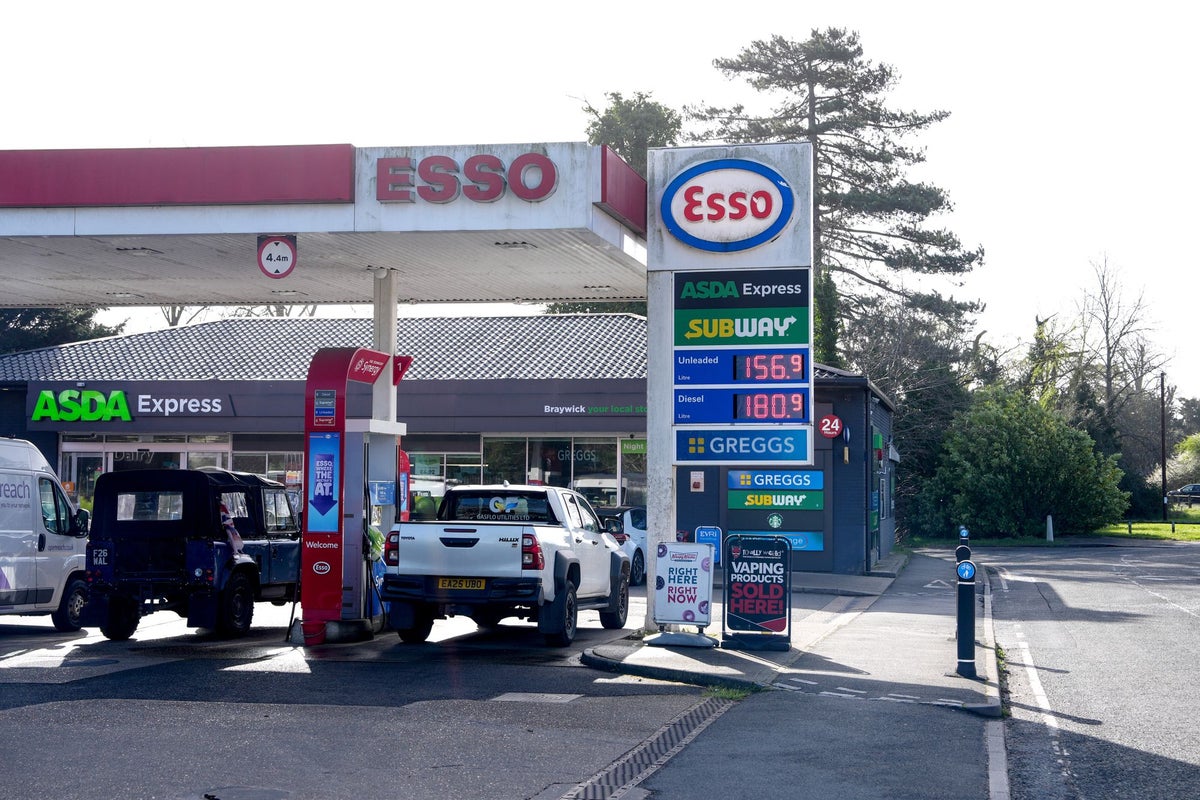
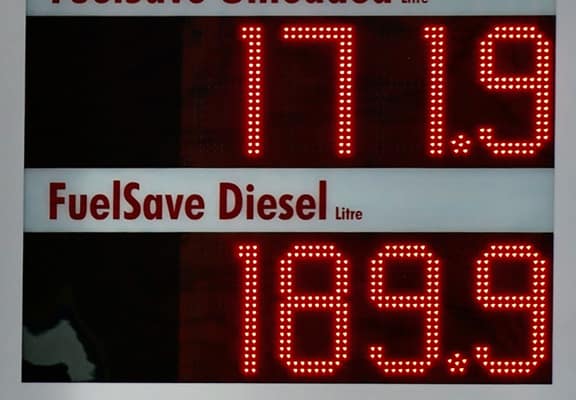
World politics
fromLondon Business News | Londonlovesbusiness.com
3 days agoCrude oil between geopolitical escalation and dollar pressure - London Business News | Londonlovesbusiness.com
Geopolitical factors and monetary conditions are significantly influencing global oil prices, reflecting uncertainty rather than traditional supply and demand.
fromWIRED
5 days agoThe Broken System That Keeps Shipping Crews Stranded in the Strait of Hormuz
When the war broke out, we put a Warlike Operations Area Committee in place to address the protection of seafarers in the region. The organization has identified certain maritime routes in the region, including the Arabian Gulf, the Strait of Hormuz, and some parts of the Gulf of Oman as high-risk areas, encouraging ship owners to allow seafarers to terminate contracts if they choose not to operate in those zones.
World politics
World politics
fromFortune
2 weeks agoThe Strait of Hormuz is the fourth large supply shock this decade. Welcome to the new era of global disorder | Fortune
Multiple supply shocks in recent years suggest a need to rethink economic models and the Federal Reserve's approach to inflation and supply chain disruptions.
from24/7 Wall St.
3 weeks agoTankers Surge on Rising Oil Prices: FRO, NAT, DHT Add to Massive 2026 Returns
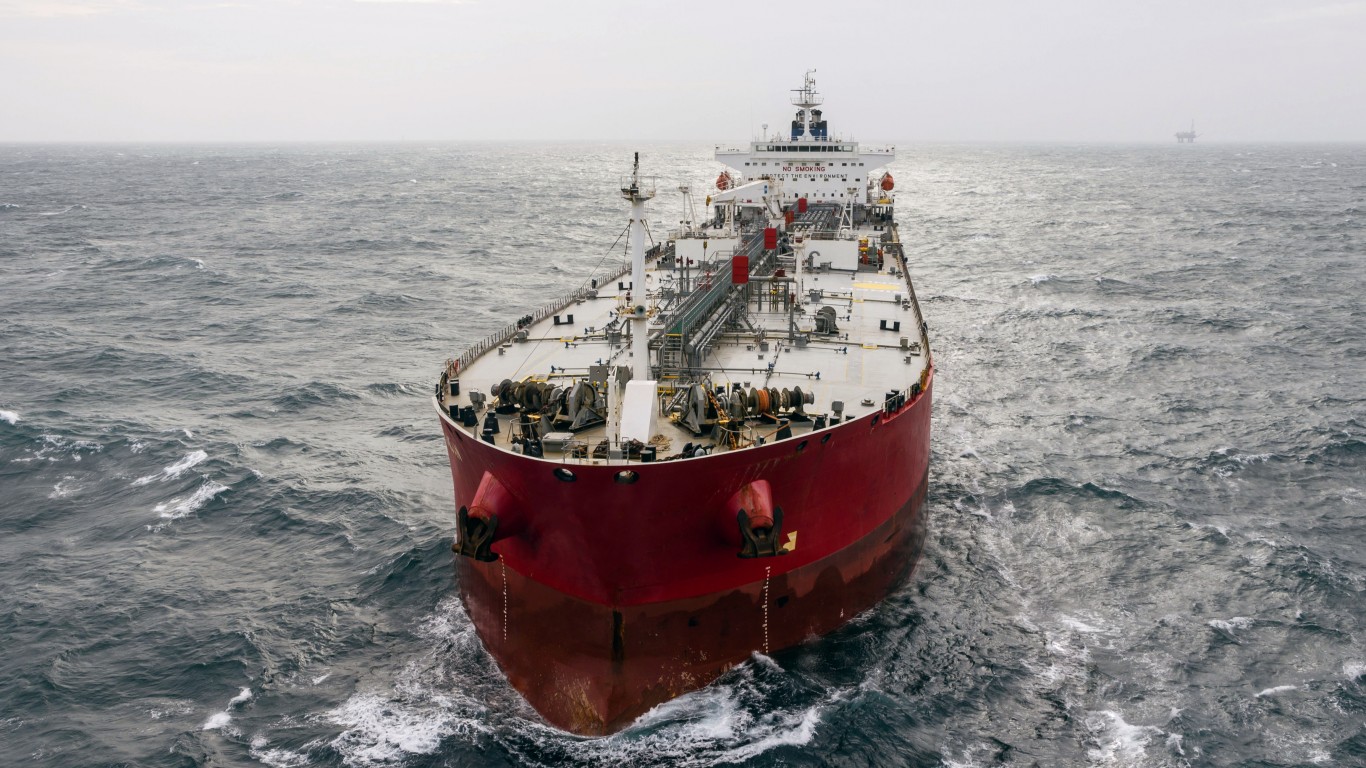
When geopolitical tensions disrupt normal shipping routes through the Strait of Hormuz or the Red Sea, tankers must travel longer distances to deliver crude oil. More days at sea means higher utilization rates and more revenue per voyage. On top of that, higher oil prices increase the value of the cargo being transported, which supports stronger charter rate negotiations between tanker owners and the oil majors that need their ships.
World news
[ Load more ]