Fashion & style
fromElite Traveler
1 hour agoThe Underrated Status Clue? It's Sitting by Your Sink
Aesop's hand wash has become a symbol of aesthetic literacy, influencing home decor and luxury branding beyond traditional markers of wealth.
BREMEN is designed to change the way people interact with music by allowing everyday objects to become actual instruments, thus removing traditional barriers to music-making.
The S100X Urushi Edition, also known as The Special One, is a limited edition desktop calculator designed using a century-old Japanese Urushi lacquer technique.
I have virtually no idea what the finished piece will look like until I actually begin working with the wood. As a result, the form often emerges as I carve, and I frequently change my plans midway through the process. Naturally, I keep the many failures a secret.
The Boca table by designer Deniz Aktay is not interested in that conversation at all. At first glance, it reads as a straightforward piece: a circular metal top, slim tubular legs bent into a smooth C-shaped base, a warm terracotta finish.
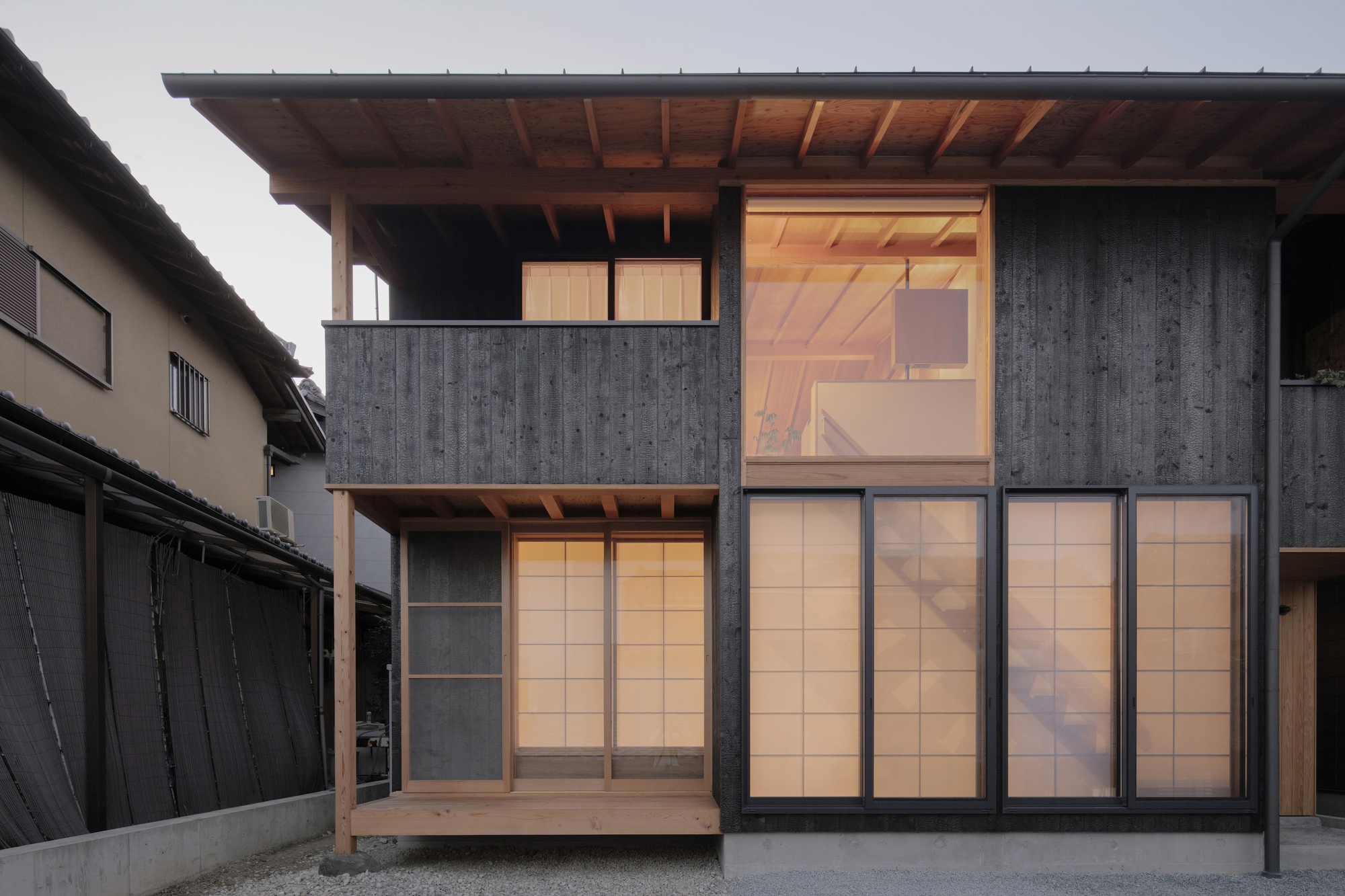
The clients chose to remain in Yagi-cho while contributing to the continued use of its older building stock. With the support of a local non-profit organization involved in community development, they acquired the eastern portion of a large two-unit rowhouse that had remained vacant for nearly three decades.
SO KOIZUMI DESIGN has developed Resonique, a ladder that explores the relationship between functional structure and sculptural form. The project draws on the structural logic of ladders while referencing the flowing geometries associated with brass musical instruments. Through this combination, the object shifts from a purely utilitarian tool toward a design piece that engages both function and spatial presence.
Designed by Michael Kritzer, an industrial designer with Red Dot, iF, and Cannes Lions awards to his name, Dollights are inspired by creative Kokeshi dolls, those beautifully varied Japanese wooden figures that range from traditional to wildly expressive. The connection isn't literal. You won't mistake these for dolls on a shelf. But the DNA is there in the proportions, that satisfying relationship between a rounded head and a tapered body, the way each silhouette feels like it has its own quiet personality.
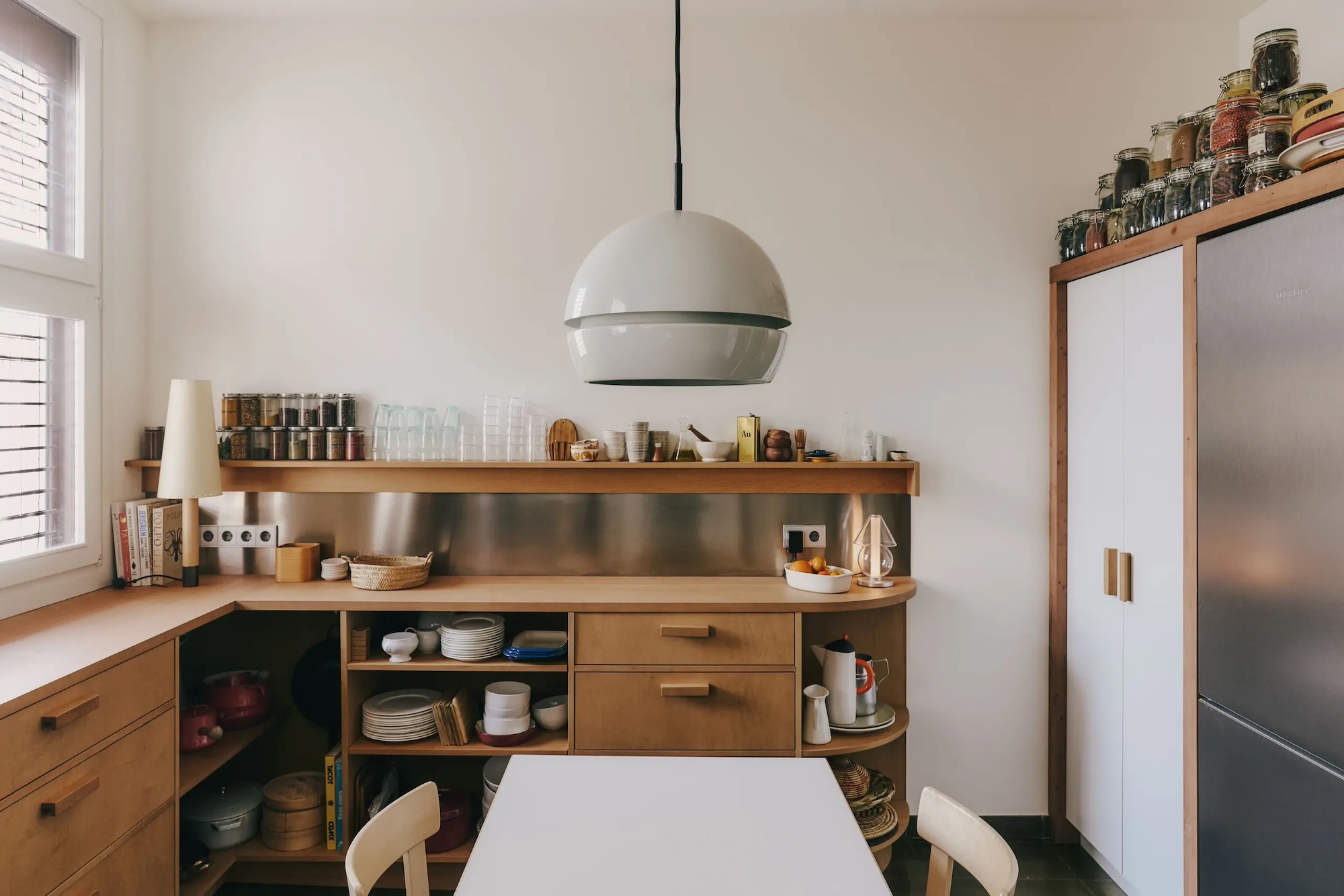
If there was only one interior design style setting the tone in 2026, it would be Japandi. Apartment Therapy's State of Home Design survey identified Japandi style as one of the year's top design aesthetics, according to insights from 140 designers - and it's easy to see why. As more people strive to create spaces that feel calming, intentional, and grounded in nature, Japandi's blend of Japanese restraint and Scandinavian warmth feels especially timely.
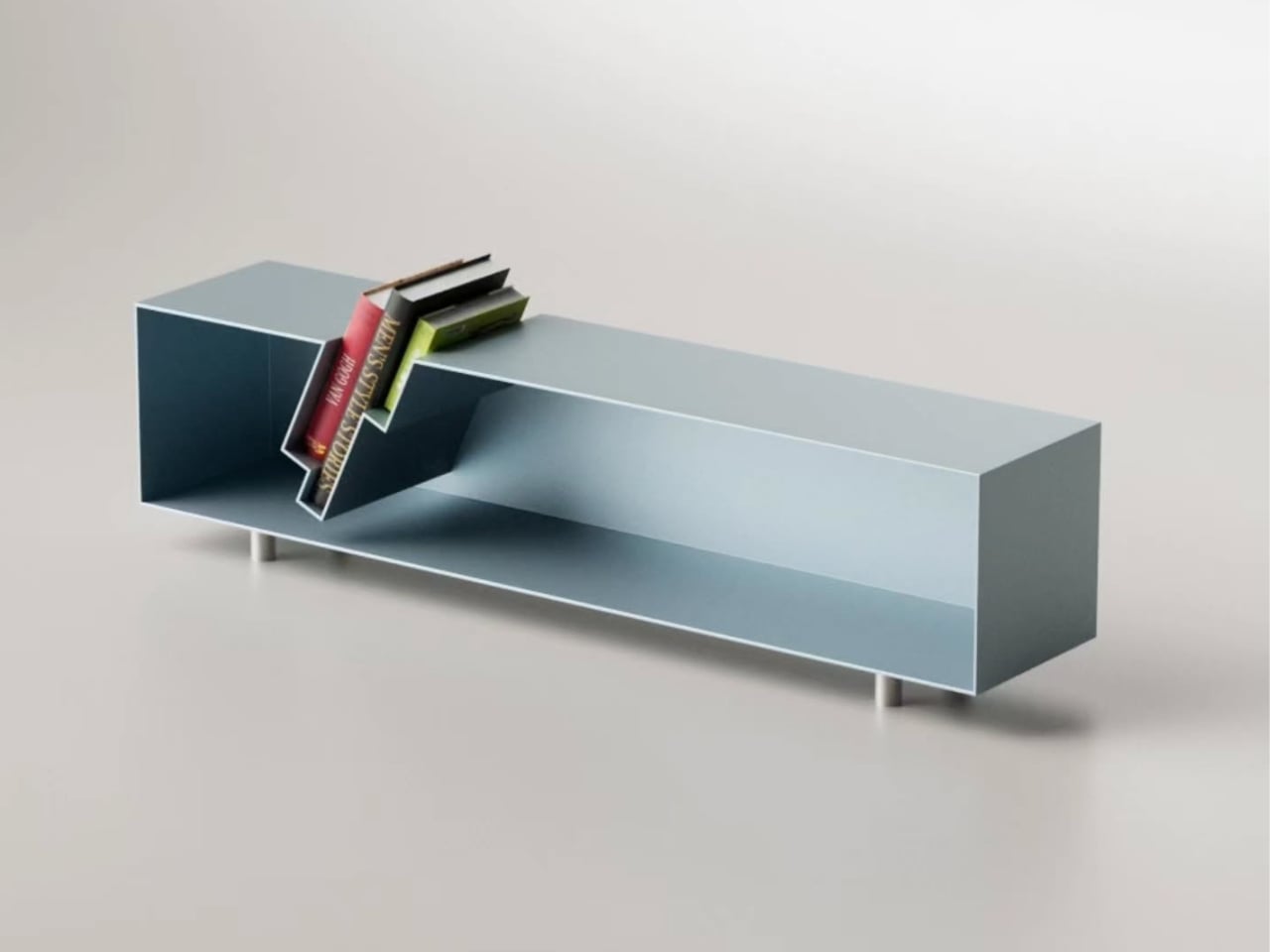
How did a material conceived for bridges, factories, and large-scale structures make its way to the living room bench, the apartment bookshelf, the café table? For centuries, metal was associated with labor, machinery, and monumentality-from the exposed structures of 19th-century World's Fairs to the productive logic of modern industry. Its presence in domestic interiors is not self-evident but rather a cultural achievement: the transformation of an industrial material into an element of everyday, intimate use, in close proximity to the body.
Japanese design has spent centuries perfecting the balance between restraint and richness. These seven gifts embody that philosophy, where every material choice and geometric decision carries intention. From transparent polycarbonate that frames music like sculpture to hand-planted bristles that honor century-old brush-making techniques, each piece reflects the considered craftsmanship that typically commands luxury prices. The precision is palpable, the materials exceptional, yet the cost remains accessible.
Furniture made from mycelium or algae can decompose in five years, sure, but a well-made antique armoire outlives empires because no one throws it away. Columns takes that logic seriously. Handcrafted in solid oak, natural leather, and horsehair, the pieces are built to last a thousand years, which sounds like marketing hyperbole until you look at the joinery, the hand stitching, and the material choices. This is furniture designed to be inherited, repaired, and remembered.