#tax-court-precedent
#tax-court-precedent
[ follow ]
#supreme-court #tax-refunds #irs #immigration-enforcement #legal-ethics #judicial-independence #tax-deductions







UK politics
fromBusiness Matters
3 weeks agoHMRC interest 'double standards' branded unfair as taxpayers face higher charges than rebates
HMRC charges taxpayers 7.75% interest on late payments but pays only 2.75% on refunds, creating a structurally unfair system with no equivalent penalties for HMRC delays.
Philosophy
fromAbove the Law
3 weeks agoYou Can't Salvage A Bad Judge By Calling Them Postmodern - Above the Law
Postmodern analysis offers useful concepts for understanding contemporary disenchantment with traditional meaning systems, exemplified by judicial figures like Lawrence VanDyke who adopt unconventional approaches to legal writing.


#judicial-independence
US politics
fromAbove the Law
3 weeks agoMorning Docket: 03.18.26 - Above the Law
Chief Justice Roberts calls for ending personal attacks on judges, while questions arise about presidential official acts; meanwhile, legal developments span judicial conduct, cryptocurrency regulation, Section 230 reform, and national security concerns.
Privacy professionals
fromwww.aljazeera.com
1 month agoUS tax agency broke privacy law approximately 42,695 times', judge says
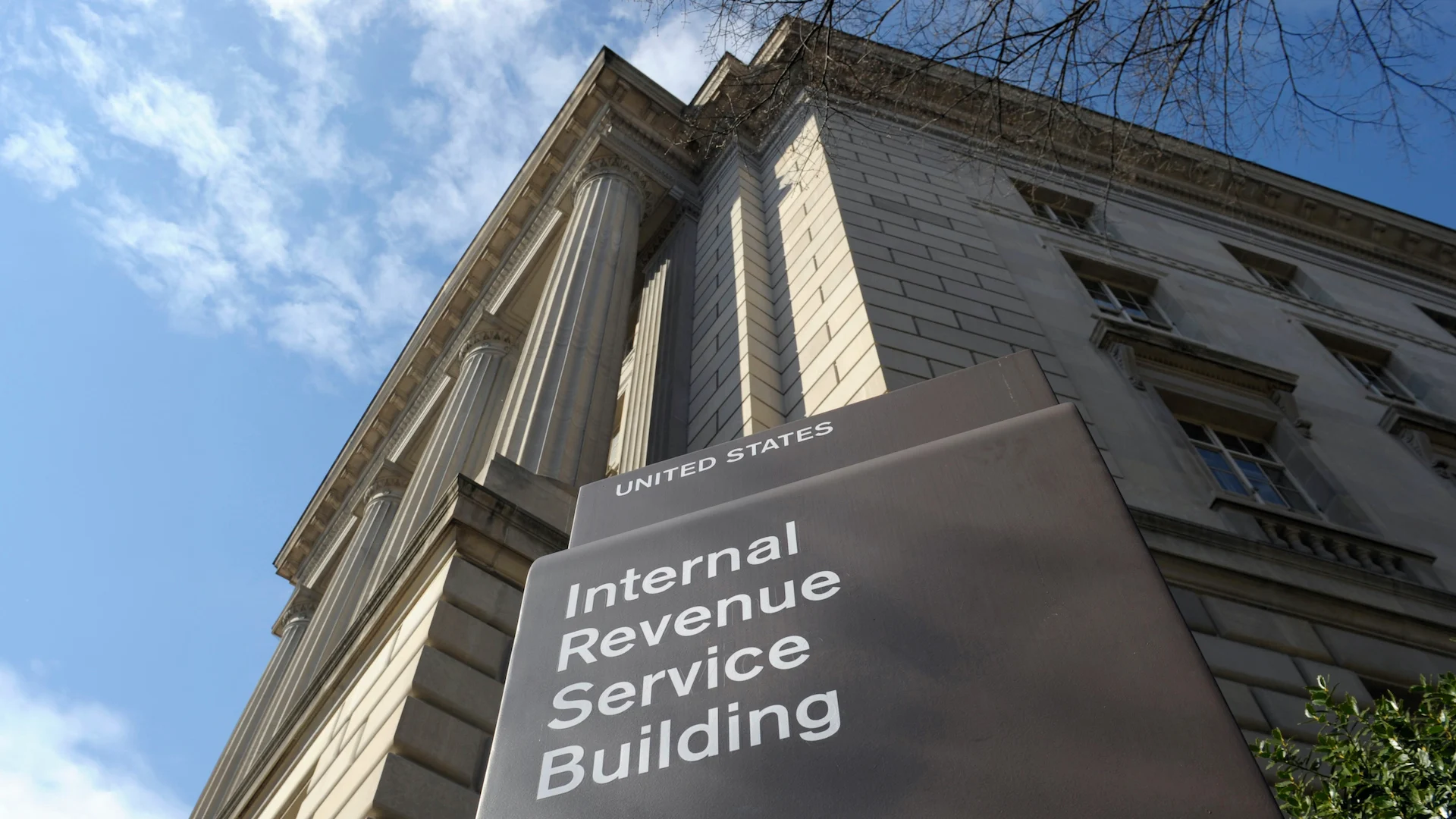
A federal judge ruled the IRS violated tax confidentiality law by disclosing taxpayer information to Immigration and Customs Enforcement approximately 42,695 times without proper authorization.


Intellectual property law
fromAbove the Law
1 month agoThe Heppner And Warner Rulings: Hobgoblin Consistency Or An Application Of Principle? - Above the Law
Warner v. Gilbarco and U.S. v. Heppner reach different conclusions on AI tool discoverability because Warner involved irrelevant materials and pro se representation, not because of conflicting privilege waiver standards.
US politics
fromBusiness Insider
1 month agoJudge clears path for refunds on Trump tariffs ruled unlawful by the Supreme Court
A federal judge ordered US Customs to recalculate import duties by disregarding Trump's IEEPA tariffs following the Supreme Court's 6-3 ruling striking them down, entitling importers to refunds.


Law
fromAbove the Law
3 weeks ago'We Are Better Than This,' Say Ninth Circuit Judges Despite All Evidence To The Contrary - Above the Law
Judge Lawrence VanDyke of the Ninth Circuit has authored inflammatory and unprofessional dissents using crude language and personal attacks against colleagues, contradicting the ABA's initial assessment of his qualifications.
Law
fromFast Company
3 weeks agoThe IRS may owe you money from the pandemic years - but you have to claim it
A federal court ruling may entitle taxpayers to refunds for penalties or interest incorrectly charged by the IRS between January 20, 2020 and July 11, 2023 during the Covid pandemic emergency period.
US politics
fromFortune
1 month agoThe IRS turned over confidential taxpayer info to ICE 'approximately 42,695 times.' That was illegal, judge says | Fortune
A federal judge ruled the IRS violated federal law by disclosing confidential taxpayer information approximately 42,695 times to Immigration and Customs Enforcement without proper authorization.

fromAbove the Law
2 months agoMorning Docket: 01.13.25 - Above the Law
* Mark Kelly hires Arnold & Porter to sue Pete Hegseth and the Defense Department for threatening to illegally slash his pension. [ The New Republic] * Jerome Powell hires Williams & Connolly to deal with DOJ threats. [ New York Times] * It's striking that critics of the Maduro capture cite specific text from the Constitution and international treaties, and the Deputy Attorney General cites "nuh uh." [ The Hill]
World news
US politics
fromwww.mediaite.com
1 month agoJudge Rules IRS Broke The Law Approximately 42,695' Times By Giving ICE Data
A federal judge ruled the IRS violated federal law approximately 42,695 times by disclosing confidential taxpayer addresses to ICE without proper verification that requests met legal requirements.
UK politics
fromBusiness Matters
2 months agoHigh Court fast-tracks judicial review into inheritance tax relief reforms
High Court ordered urgent rolled-up hearing for judicial review challenging Government's APR and BPR inheritance tax reform consultation, citing delays and alleged unlawful limited consultation.
Intellectual property law
fromPatently-O
1 month agoFive Petitions, Five Denials: The Federal Circuit's Mandamus Wall Grows Higher
The Federal Circuit rejected all mandamus petitions challenging USPTO's discretionary denial of inter partes review, establishing that such denials are not subject to judicial oversight.
fromwww.twincities.com
2 months agoIRS head announces a shake-up on the eve of the 2026 tax season
Days before the 2026 tax filing season begins, the head of the IRS announced a shake-up Tuesday, saying the personnel and operational changes are intended to improve taxpayer service and modernize the agency. The timing of the announcement coincides with a critical moment for the agency, as the IRS prepares to process millions of tax returns while simultaneously implementing major tax law changes under the tax and spending package President Donald Trump signed into law last summer.
US politics
fromBloombergtax
2 months agoSupreme Court Case Among State and Local Tax Issues to Watch
Many of those developments will continue to affect SALT in 2026 as we see renewed challenges to Public Law 86-272, a federal law that prohibits states from imposing income taxes on out-of-state businesses that only solicit sales of tangible personal property in the state. There also will be developments involving digital advertising taxes, federal tax law changes, interstate disputes, and a US Supreme Court ruling involving the government's right to take property to satisfy a tax lien.
Law
fromFast Company
2 months agoIRS announces little-known trick to get your 2026 tax returns accepted early
A new year brings a new tax filing season. With many cash-strapped Americans worried about their finances, many can't wait to file their returns. The sooner you file, the sooner your chances of getting your refund, after all. But just when can you begin submitting your tax return to the Internal Revenue Service (IRS)? That depends. Here's what you need to know about the 2026 tax filing season.
US politics



Law
fromAbove the Law
1 month agoMorning Docket: 02.09.26 - Above the Law
Numerous contentious developments: Fifth Circuit allowing indefinite detention of suspected undocumented migrants, high-profile appearances, campus censorship, market regulation, AI legal-advice concerns, and infrastructure litigation.
fromInside Higher Ed | Higher Education News, Events and Jobs
2 months agoResearchers May Be Forced to Rely on an Obscure Court
A majority of justices say this 16-judge court likely has jurisdiction over lawsuits regarding thousands of National Institutes of Health federal research grants that the Trump administration has tried to terminate, as well as other fights concerning canceled grants. If the Supreme Court sticks by its current thinking in final rulings, the Court of Federal Claims could be handling fights over countless grants that the Trump administration and future higher ed-targeting presidencies may try to cancel in the future.
Law

[ Load more ]