#tech-military-integration
#tech-military-integration
[ follow ]
#military-technology #drones #iran #cybersecurity #ukraine #artificial-intelligence #drone-warfare #us-military






#ai-regulation

Artificial intelligence
fromNextgov.com
2 weeks agoThe Pentagon's 'woke AI' problem
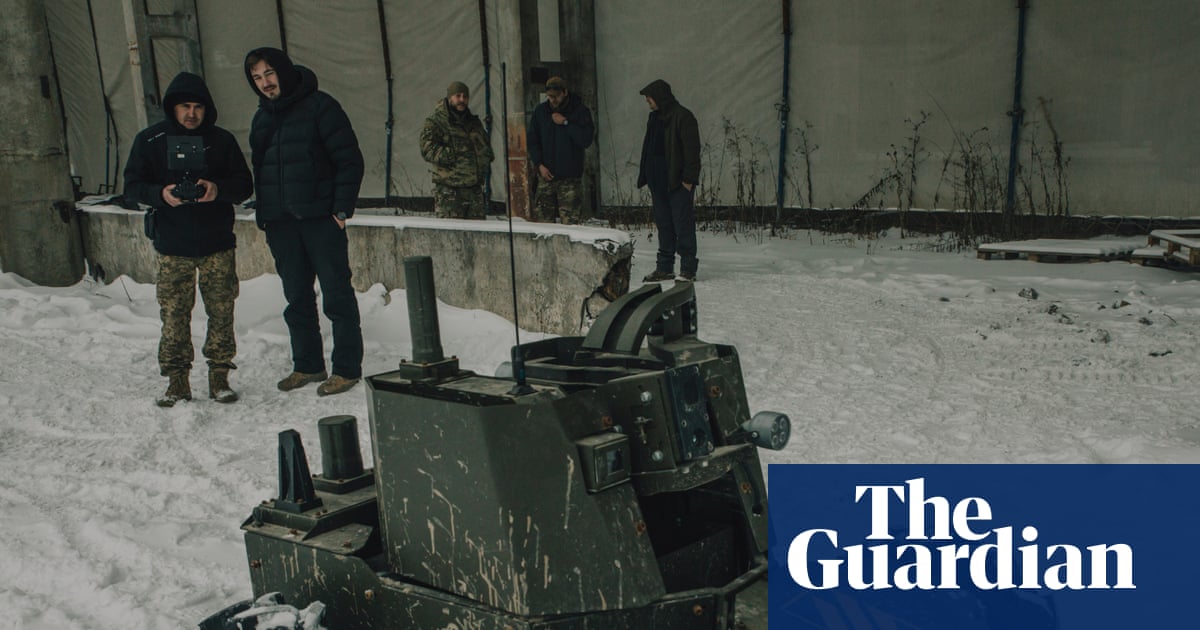
The Trump administration pressured Anthropic to expand Pentagon contract terms to include 'all lawful purposes' or face supply chain risk designation, framing the conflict as opposition to 'woke AI' despite Anthropic's extensive use in defense and intelligence operations.


#drone-warfare
World news
fromIntelligencer
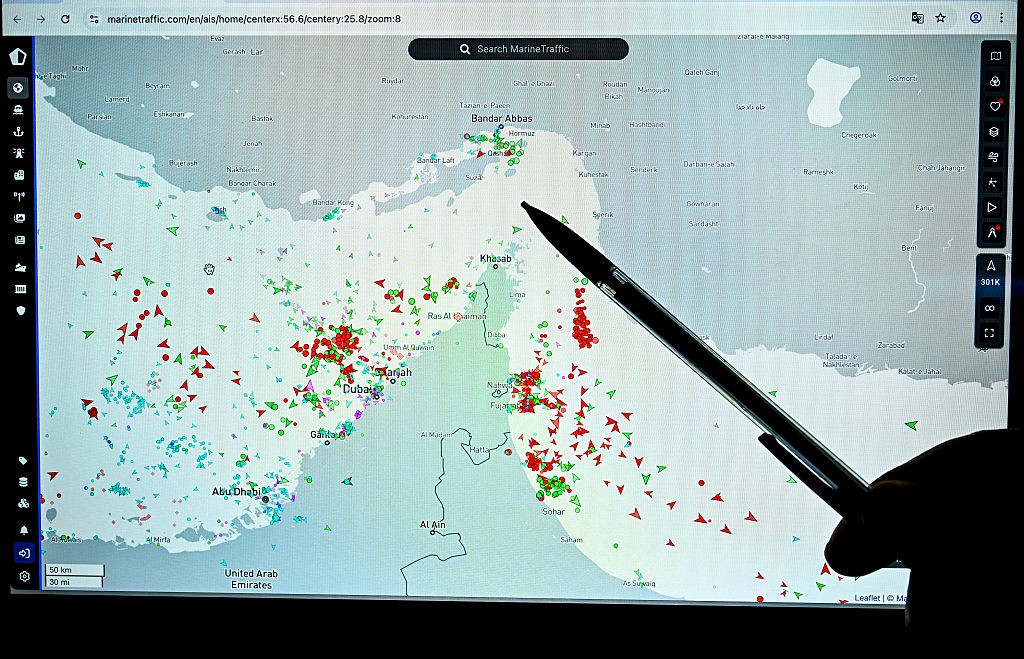
1 month agoThe Future of War Is Drones Bombing Data Centers
Iranian drone strikes on data centers in the UAE and Bahrain demonstrate a new warfare strategy targeting critical digital infrastructure, causing cascading internet outages across multiple regions and affecting major global companies.
World news
fromIntelligencer
1 month agoThe Future of War Is Drones Bombing Data Centers
Iranian drone strikes on data centers in the UAE and Bahrain demonstrate a new warfare strategy targeting critical digital infrastructure, causing cascading internet outages across multiple regions and affecting major global companies.
#ai-governance

Artificial intelligence
fromBusiness Insider
1 month agoThe government's AI standoff could decide who really controls America's military tech
The Trump administration blacklisted Anthropic over refusal to allow military use of its AI for surveillance and autonomous weapons, while OpenAI secured a Pentagon defense contract, intensifying competition over AI control in national security.
Artificial intelligence
fromBusiness Insider
1 month agoThe government's AI standoff could decide who really controls America's military tech
The Trump administration blacklisted Anthropic over refusal to allow military use of its AI for surveillance and autonomous weapons, while OpenAI secured a Pentagon defense contract, intensifying competition over AI control in national security.
fromwww.businessinsider.com
1 day agoThe US is burning through expensive missiles. DARPA is looking for cheaper ones that can be built in days, not months.
"To accelerate current weapons development timelines, DARPA is considering an alternative development paradigm to increase the nation's magazine depth and breadth."
World news
Russo-Ukrainian War
fromwww.businessinsider.com
2 days agoShahed-killing interceptor drones may look simple, but building them to keep up with the threat isn't easy
Interceptor drones are complex systems essential for countering cheap drone attacks, with Ukraine producing them at scale to meet rising global demand.
#iran
World news
fromLondon Business News | Londonlovesbusiness.com
1 day agoIran claims strike on Amazon cloud site in Bahrain as conflict escalates - London Business News | Londonlovesbusiness.com
Iran's Revolutionary Guard claims responsibility for attacking an Amazon cloud facility in Bahrain as retaliation for recent strikes on Iranian territory.
fromTheregister
5 days agoHumanoid tests humanoid robot for automotive logistics
This proof of concept in the manufacturing industry allows us to demonstrate how humanoid robots can act as extensions of an organization's operations by providing business context awareness and integration with existing workflows.
London startup
#f-15e
World news
fromLondon Business News | Londonlovesbusiness.com
1 day agoFootage shows US fighter jet being shot down as Iran 'put bounty on pilots' - London Business News | Londonlovesbusiness.com
The search for a downed F-15E Strike Eagle intensifies in Iran amid escalating tensions between American and Iranian forces.
World news
fromLondon Business News | Londonlovesbusiness.com
1 day agoPentagon confirms fighter jet shot down over Iran as rescue mission underway - London Business News | Londonlovesbusiness.com
An F-15E Strike Eagle was shot down over Iran, initiating a combat search and rescue operation for its two crew members.


History
from24/7 Wall St.
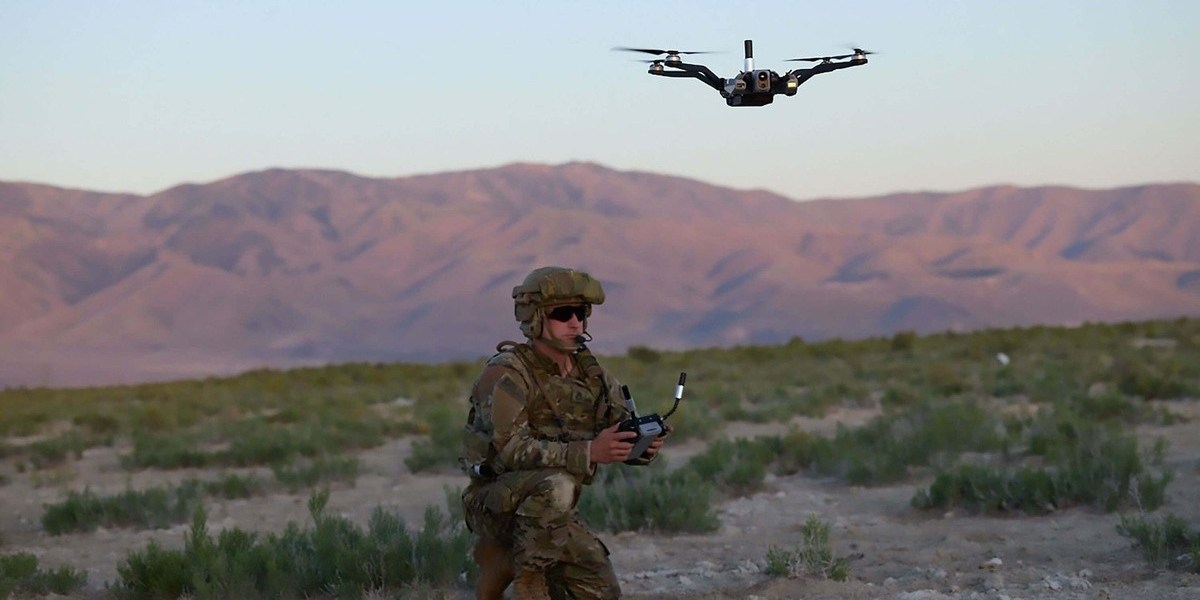
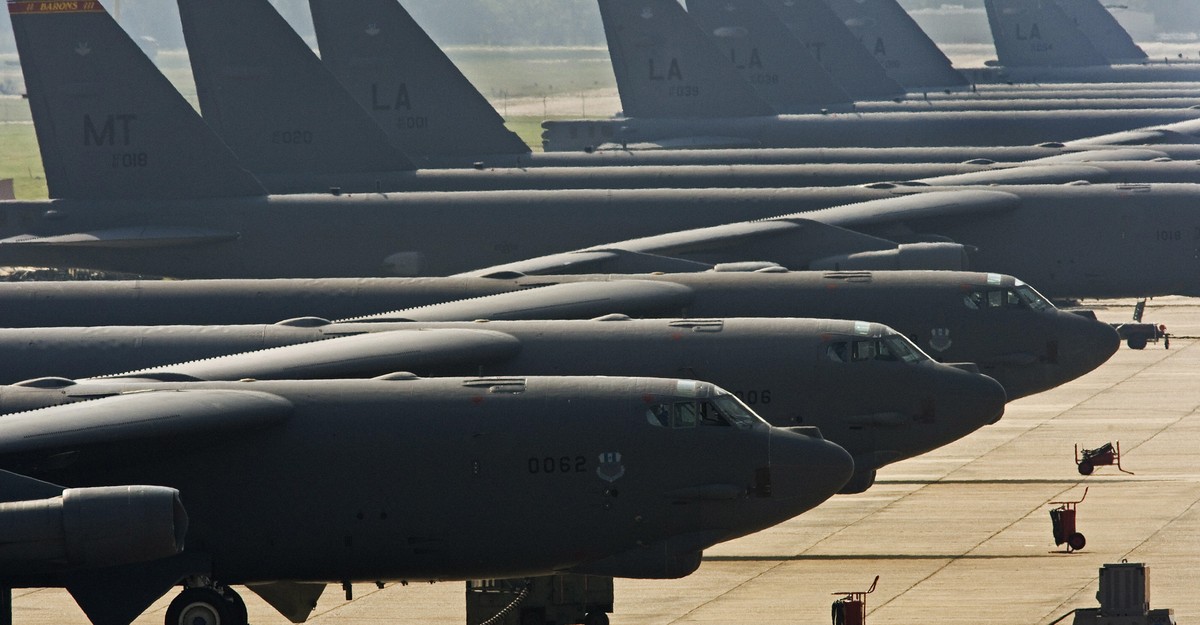
2 weeks ago25 Weapons That Changed Warfare Over the Last Century
Technological breakthroughs over the last century transformed warfare by introducing tanks, missiles, stealth aircraft, and precision-guided weapons that forced armies to continuously adapt tactics and reshape military doctrine globally.
Russo-Ukrainian War
fromwww.businessinsider.com
3 days agoUkrainian troops showed 'greater tactical imagination' than Western trainers, British officer says, pointing to their ambush tactics
Ukrainian soldiers demonstrate greater tactical creativity and flexibility compared to their Western trainers, particularly in ambush tactics.

Artificial intelligence
fromSilicon Canals
2 days agoThe $50 AI revolution: Why smaller models built for sovereignty may matter more than the trillion-dollar arms race - Silicon Canals
Frugal AI is emerging in countries like India and Kenya, focusing on smaller, efficient models due to the high costs of frontier AI.
fromThe Cipher Brief
3 weeks agoThe Future of War Is Now: What Washington Needs to Hear from the Battlefield
I have been working in Ukraine since 2019, first as an active Green Beret advising in an official capacity, then after leaving that service, directing special operations on the ground and more recently carrying hard-won lessons back to NATO before they are forgotten or overtaken by the next news cycle.
Washington DC
Intellectual property law
fromwww.theguardian.com
4 weeks agoWhat does the US military's feud with Anthropic mean for AI used in war?
Anthropic's refusal to allow Claude AI for domestic mass surveillance and autonomous weapons has triggered a Pentagon supply chain risk designation, highlighting tensions between tech company safety values and military demands.
US politics
fromNextgov.com
1 month agoIt would take the Pentagon months to replace Anthropic's AI tools: sources
The Pentagon threatens to blacklist Anthropic's Claude AI if the company refuses to remove restrictions on mass surveillance and autonomous weapons use, potentially delaying military access to advanced AI tools for months.
World politics
fromBusiness Insider
1 month agoUsed by Iran, Russia, and now the US, the cheap Shahed is reshaping modern war
The Shahed drone, an inexpensive Iranian-designed weapon, has become a defining weapon of modern conflict, adopted and copied by Russia and the United States, fundamentally changing warfare tactics and defense strategies.
fromBusiness Insider
1 month agoThere's a new US Army office 'getting in the dirt' with soldiers and trying to quickly turn their ideas into real battlefield tech
Number one is speed takes priority over perfection. We can iterate to get to operational capability. And the second is that early soldier feedback is critical in order to make sure we're getting the right technology for the future fight, and then we want to be able to prove the demand signal before we spend big dollars on programs.
US news
World news
fromwww.theguardian.com
2 weeks agoThese aren't AI firms, they're defense contractors. We can't let them hide behind their models
AI warfare systems replicate the 'fog procedure' military strategy by automating chosen blindness through algorithmic opacity, enabling violence while obscuring accountability and decision-making responsibility.
Information security
fromThe Cipher Brief
3 weeks agoThe Drone War's Real Problem Isn't Technology - It's Speed
Defense acquisition reforms implement recommended changes but fail to address the fundamental cycle-time gap between rapidly evolving adversary capabilities and the military's ability to deploy countermeasures.
Russo-Ukrainian War
fromBusiness Insider
3 weeks agoThe US Army wants to see if it can get robots to rescue wounded troops like they're doing in Ukraine
The US Army is testing ground robots to evacuate wounded soldiers in high-intensity combat, reducing risk to medical personnel and troops during dangerous battlefield movements.

Artificial intelligence
fromSilicon Canals
2 weeks agoAI companies are hiring chemical weapons experts for safety - while embedded in military systems - Silicon Canals
AI companies hire weapons experts to prevent misuse of AI systems, creating structural contradictions between safety principles and commercial deployment in military operations.
fromNextgov.com
2 months agoDOD's AI acceleration strategy
According to the Secretary of Defense Pete Hegseth's memorandum on the Strategy, this AI-first status is to be achieved through four broad aims: Incentivizing internal DOD experimentation with AI models. Identifying and eliminating bureaucratic obstacles in the way of model integration. Focusing the U.S.'s military investment to shore up the U.S.'s "asymmetric advantages" in areas including AI computing, model innovation, entrepreneurial dynamism, capital markets, and operational data.
Artificial intelligence
fromBusiness Insider
1 month agoUS Army hopes AI can slash troops' paperwork burden
The US Army's biggest AI gamble may not be on autonomous weapons, but instead whether Silicon Valley software can tackle the service's most tedious and, more often than not, grueling administrative jobs. Think less uncrewed aircraft and more behind-the-scenes tasks like recruiting, equipment maintenance, and endless gear inventories. Through a mix of new tools, redesigned workflows, and data integration, logisticians
Artificial intelligence
[ Load more ]