Arts
fromMission Local
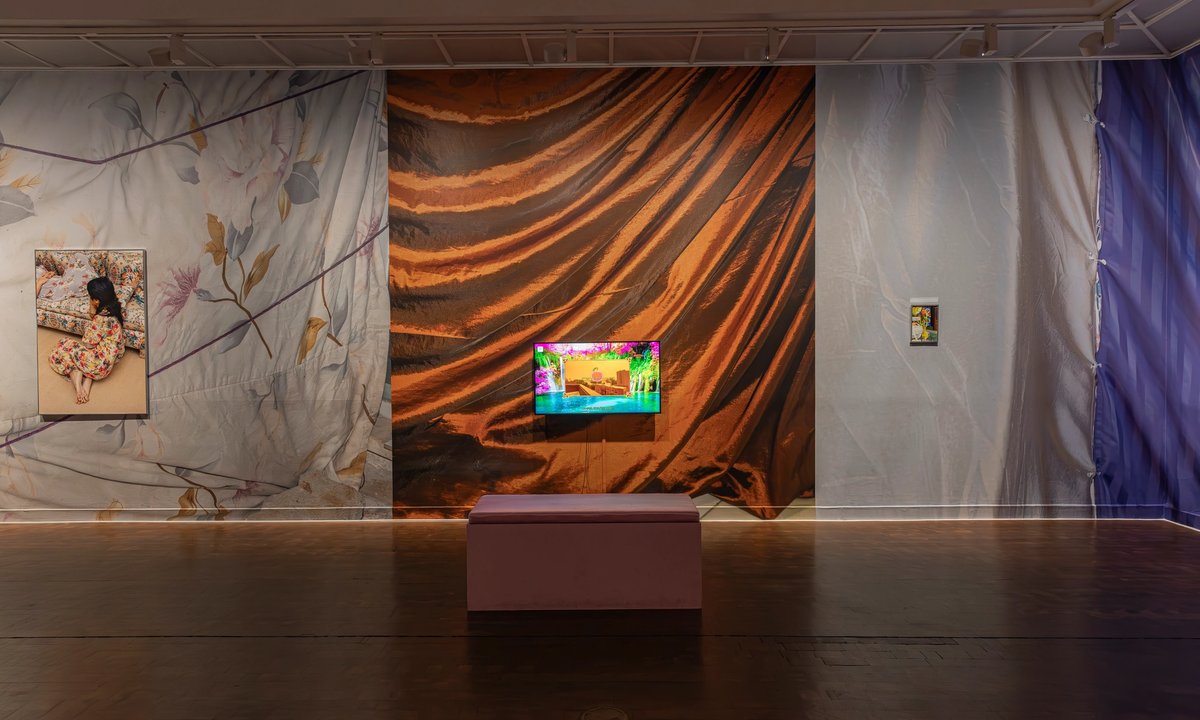
1 day agoBlood, mud and a cobweb create ache of heartbreak at Asian Art Museum
Chiharu Shiota's exhibition explores themes of personal loss and connection through intricate art pieces made from blood, mud, and yarn.
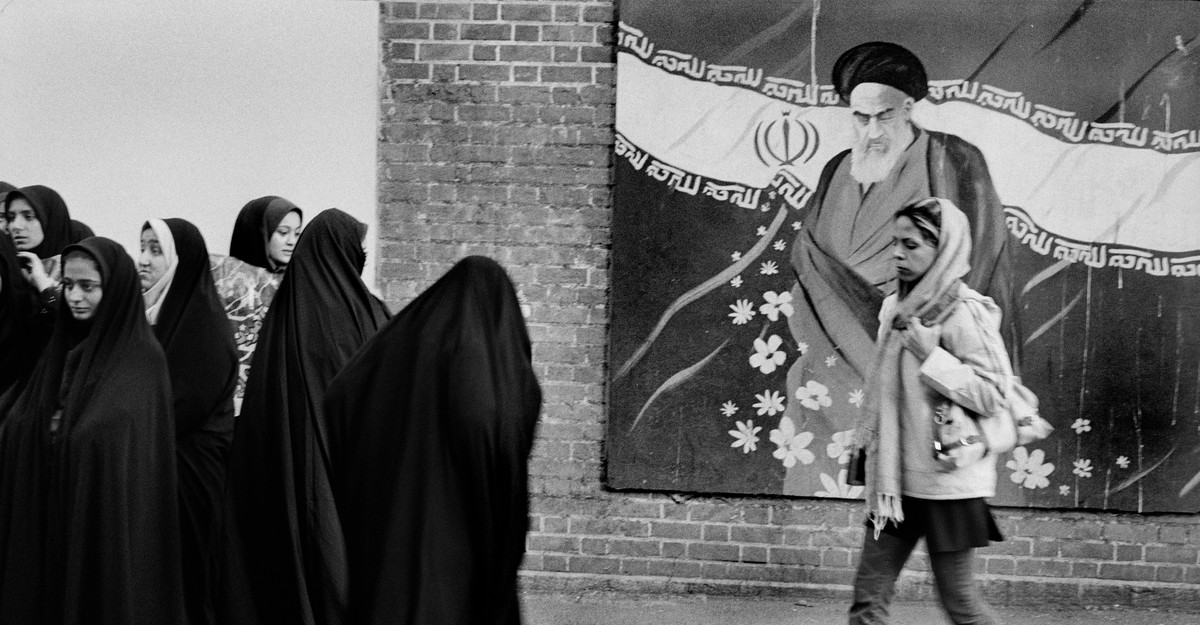
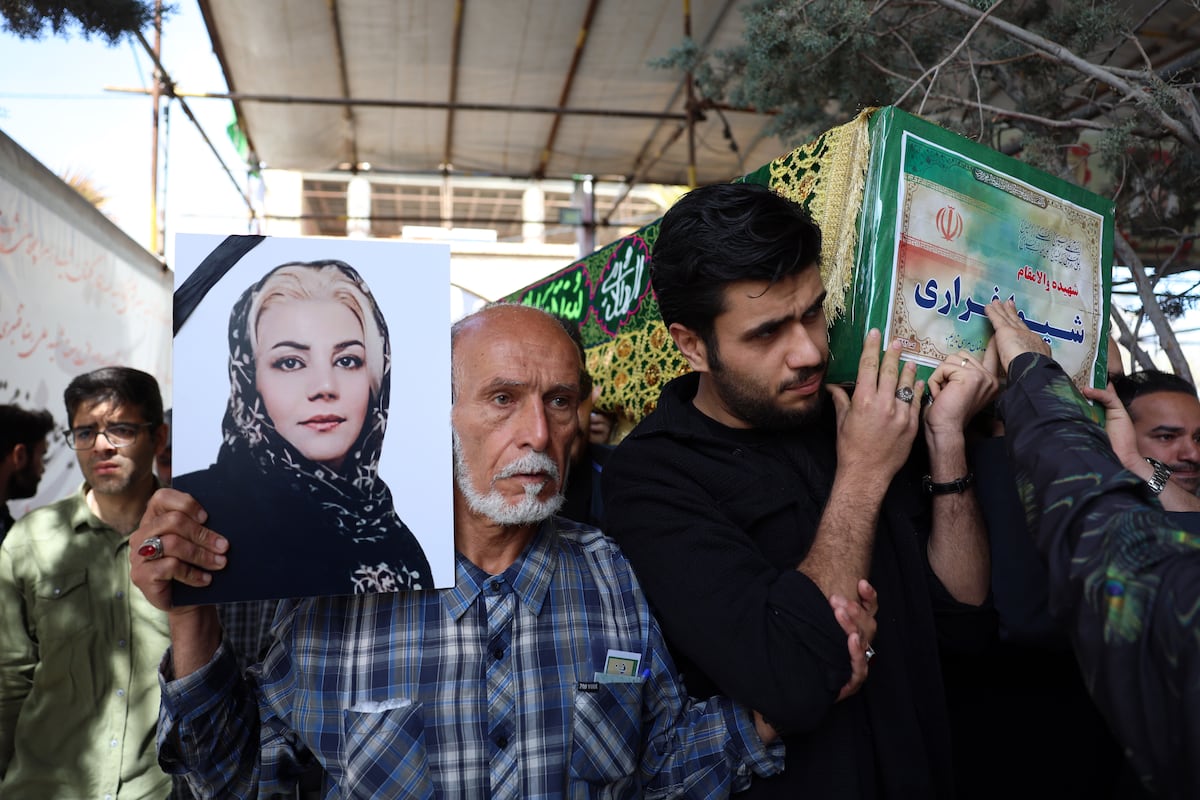
The Islamic Republic, which killed hundreds of thousands of people in Iraq and Syria, killed and tortured hundreds of thousands of Iranians in the most brutal way after all these years, and which now wants to have nuclear weapons: we, the Iranian people, who have lived with them for half a century, know how ridiculous their claim to be peaceful was.
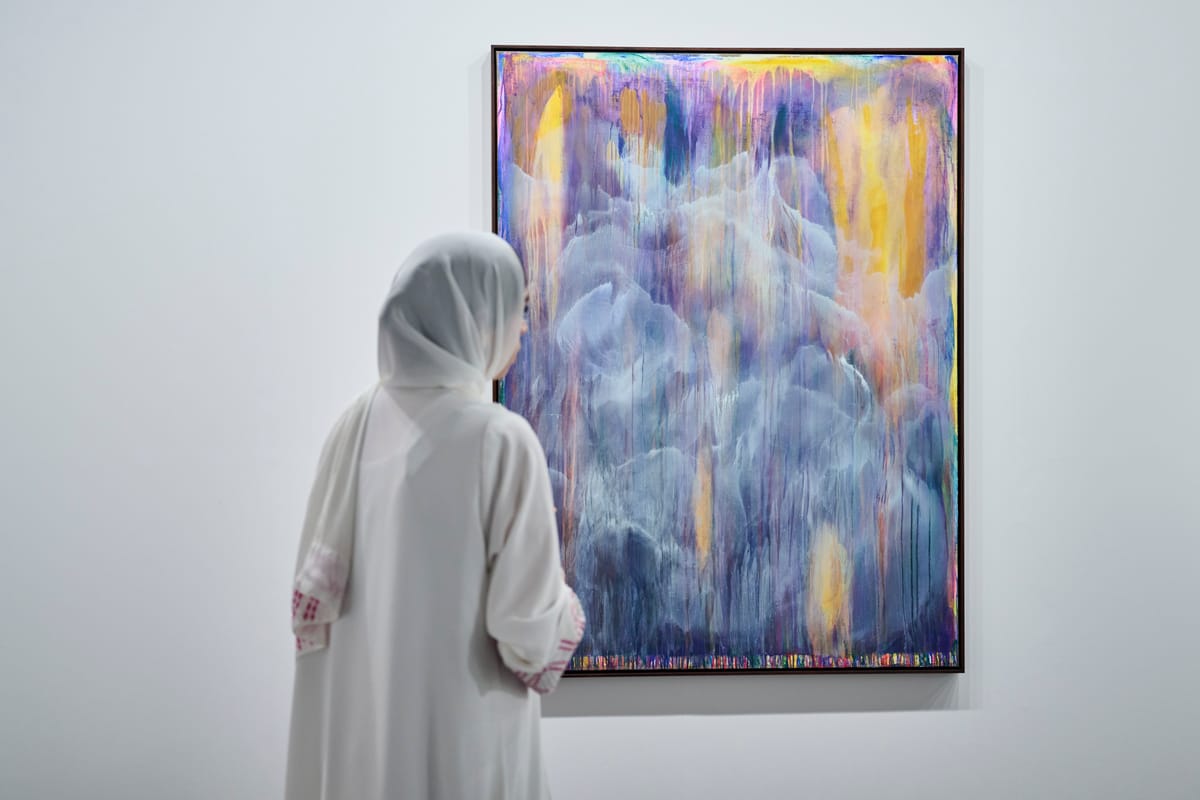
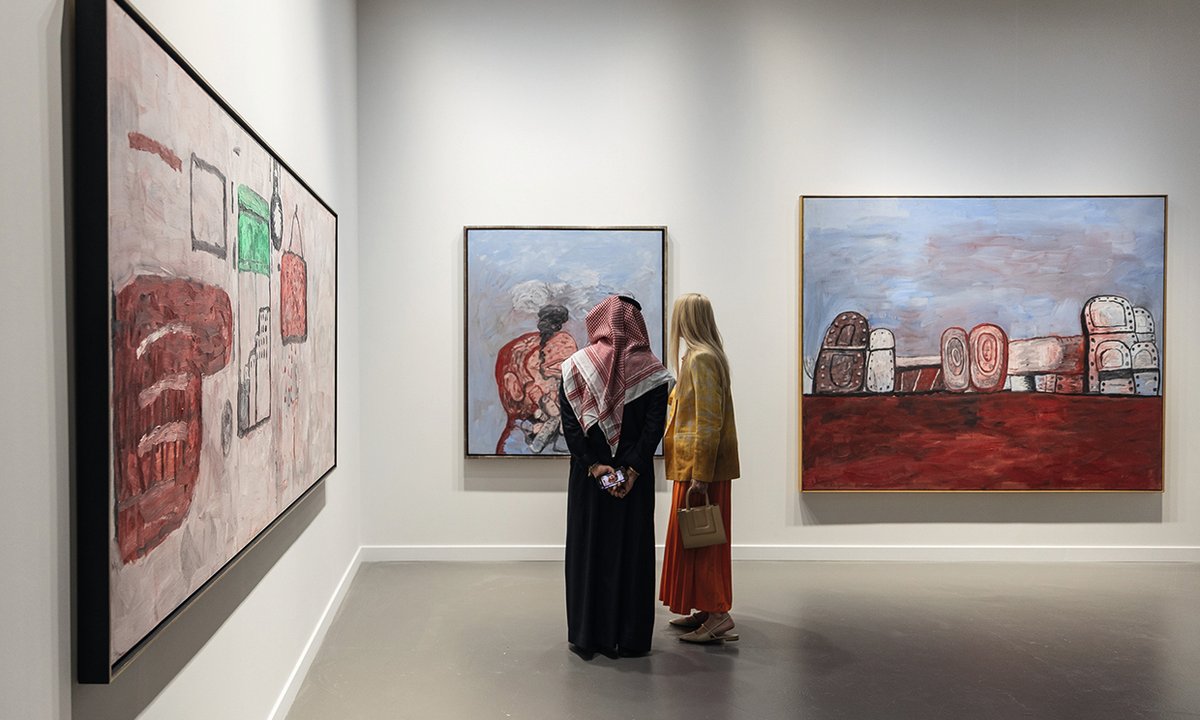
Kamrooz Aram is everywhere this year, from Mumbai Art Week to the Whitney Biennial, and critic Aruna D'Souza is grateful. She pens a beautiful meditation on his work, reading his abstract paintings as not simply a denunciation of Western modernism nor a reassertion of Islamic visual motifs, but something else entirely - something gestural, exuberant, riotous, and incomparably his own.
This targeting success surely owes much to advanced electronic surveillance and deep cyber penetration of Iran's weapons systems and infrastructure. But in this war, as in the 12-day war last year, Israel and the United States are obviously benefiting from intelligence from some Iranians themselves, who are willing to risk their lives to help bring down the Islamic Republic.
The record price in the category, $13.8m- paid last year at Christies' in New York for a painting by the Mumbai-based Modernist M.F. Husain-is more than three times what it was 20 years ago.
Hong Kong's particular and seductive Metabolist city planning is an ode to consumption as a great totalizer of culture, and to contemporary art as merely a niche commodity form among many others.
In Arash Nassiri's new moving-image commission, an insect puppet drags itself across an empty marble floor, cast in eerie blue evening light. The scene is diffused through an enormous frosted-glass cubicle, refracting and distorting the images. That sense of distortion pervades the Tehran-born, Berlin-based Nassiri's first institutional solo exhibition, A Bug's Life, which opened last weekend at London's Chisenhale Gallery-and comprises a film set within a sculptural installation.
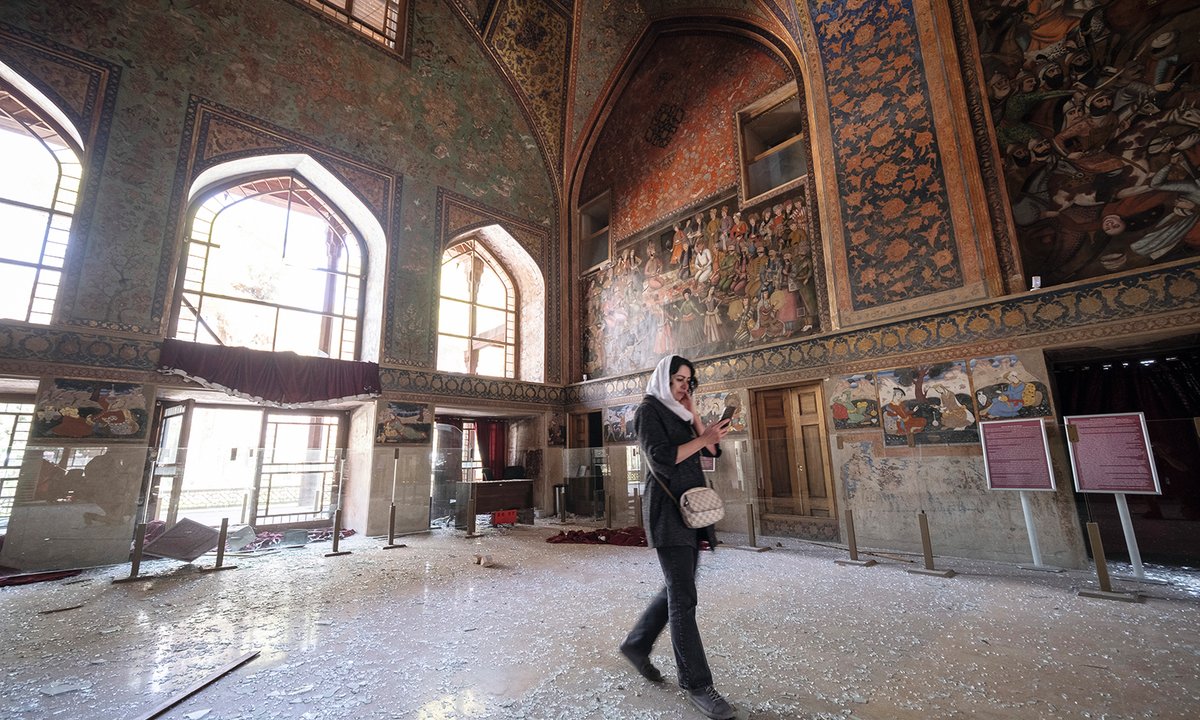
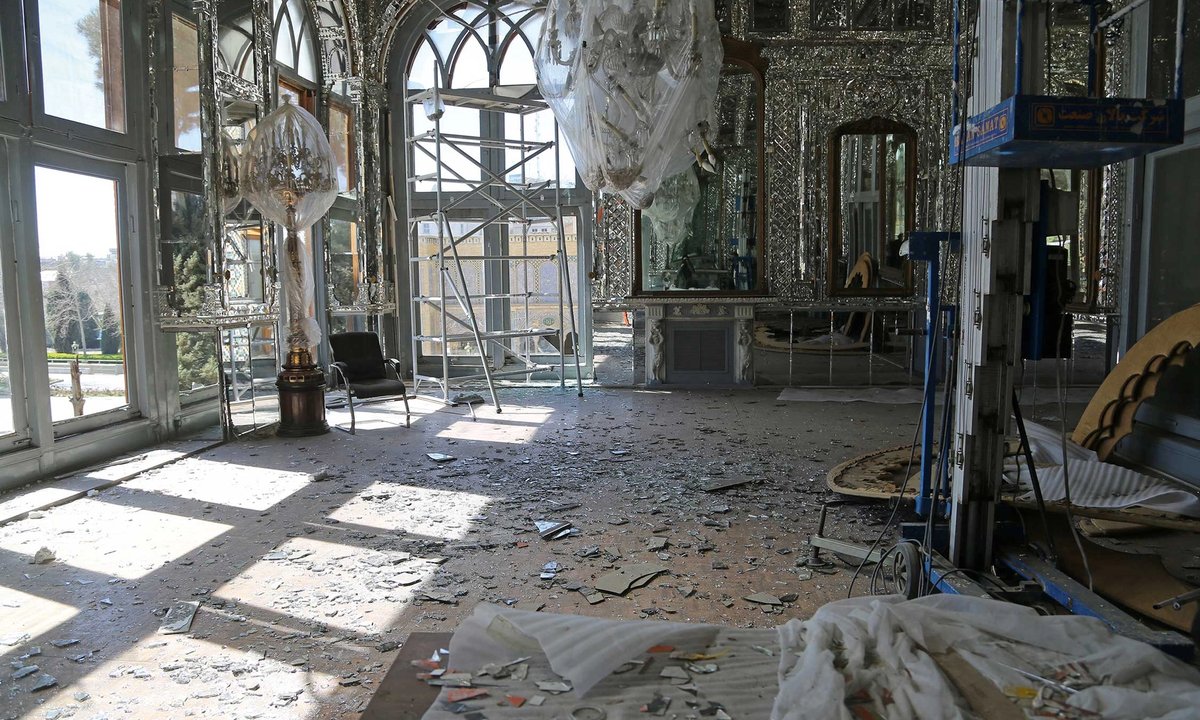
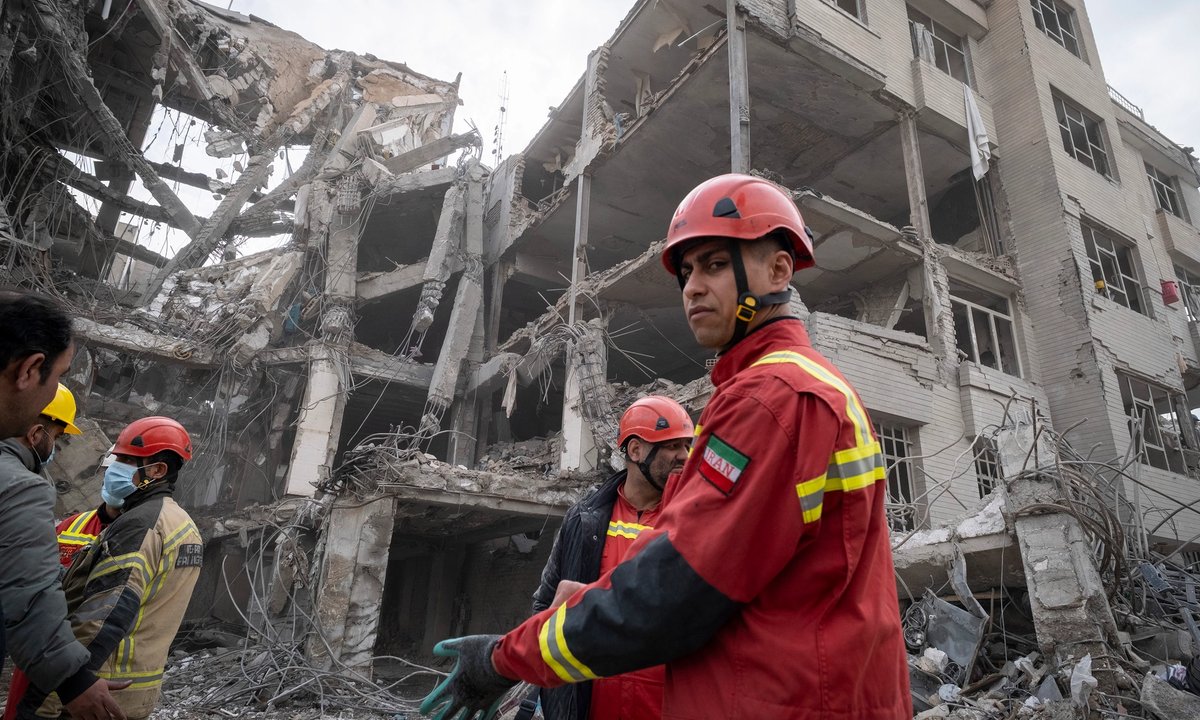
After the historical Iranian city of Isfahan was targeted by several major strikes, its governor Mehdi Jamalinejad claimed that serious damage had been inflicted even after blue shields were put on the roofs of culturally important buildings. This is an internationally recognized signal under the 1954 Hague Convention for the Protection of Cultural Property in the Event of Armed Conflict.
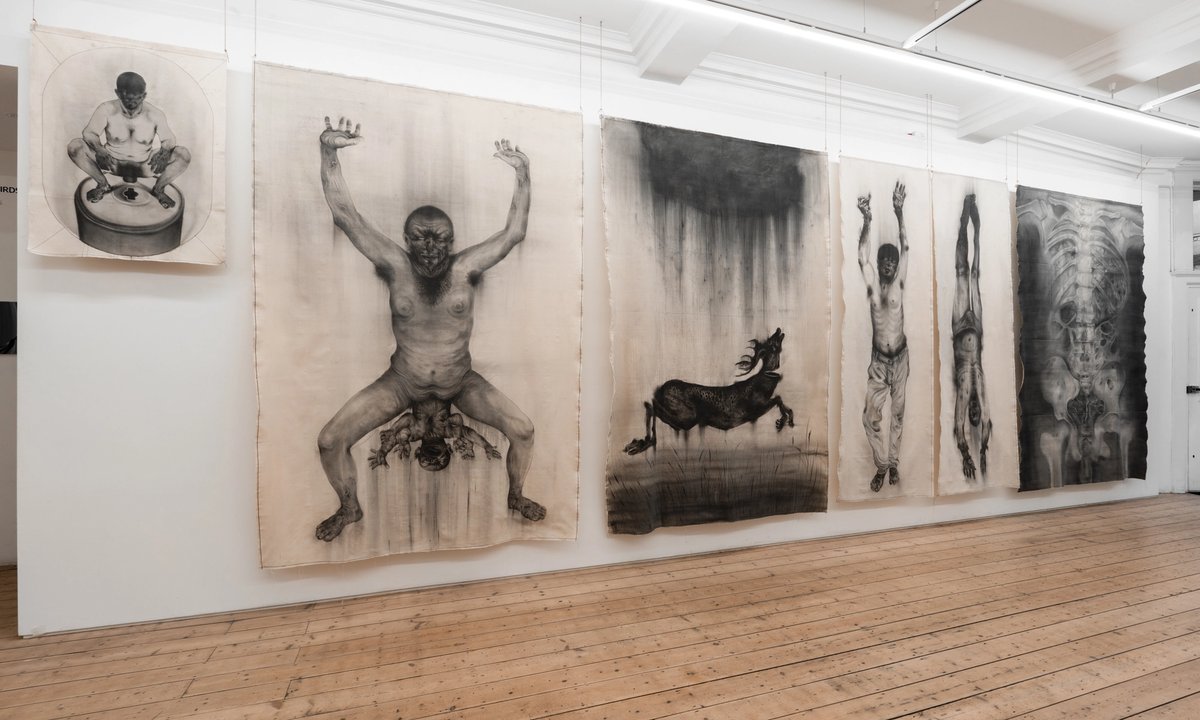
Distance does not soften the terror. It only deepens my helplessness. In moments like this, I realize that geography is not measured in miles, but in attachment. War rearranges distance. These days I find myself returning to "The Conference of the Birds," the 12th-century poem by Attar of Nishapur, seeking meaning through ancient wisdom about spiritual journeys and transformation.
In establishing the fair, a foundation (stichting in Dutch) seemed the most fitting legal entity for the purpose of creating an event 'run by dealers, for dealers... so that nobody had an advantage over anybody else.' That Tefaf operates as a not-for-profit differentiates it from other major art fair brands. There are no shareholders demanding a return, no owners to primp the thing for sale.
The gallery's inaugural presentation marked the first time Australian First Nations art had been presented at TEFAF Maastricht, and with sales totaling nearly $1.4 million, further underscored the growing relevance and interest in the category. Building on the momentum of the 2025 presentation, D Lan Galleries will now focus on works dating from the 1970s through today by artists whose practices have shaped the evolution of Australian Indigenous art.
Stephen Friedman was overdue filing when he went into liquidation on 2 February, closing his London gallery immediately (his New York venue shuttered around the same date). At the time of writing, invoices remain unpaid and artists unable to retrieve works from storage companies. In a statement, Friedman says 'all matters are now subject to the administrator's consideration'.
The terms are often conflated to portray an air of desirability and a limited opportunity. Rarity generally refers to the unusualness of an object—something that is infrequently encountered or 'rare to market.' With modern works from the past century, rarity can stem from limited original production, or the fact that many examples are held in museum or institutional collections, reducing their availability in the marketplace.
For some eminently wealthy individuals, amassing a first-class art collection is an ideal way to spend their money. And while some high-profile art collectors end up donating their collections to museums or other cultural institutions, others take a different approach, reselling their art after a certain amount of time. Which brings us to this week, when billionaire David I. Koch's collection of Western art hit the auction block at Christie's, setting a number of records in the process.
The 2025 sale came in just above its low estimate (all estimates calculated without fees), making $14.4m ($17.2m with fees) from 140 lots with a patchy 67% sell-through rate by lot. This year, by contrast, was a more concise offering, with 67 lots of fine art that landed a healthier sell-through rate of 89% and a hammer total of $15.4m ($19.5m with fees), near the pre-sale high estimate of $16.6m.
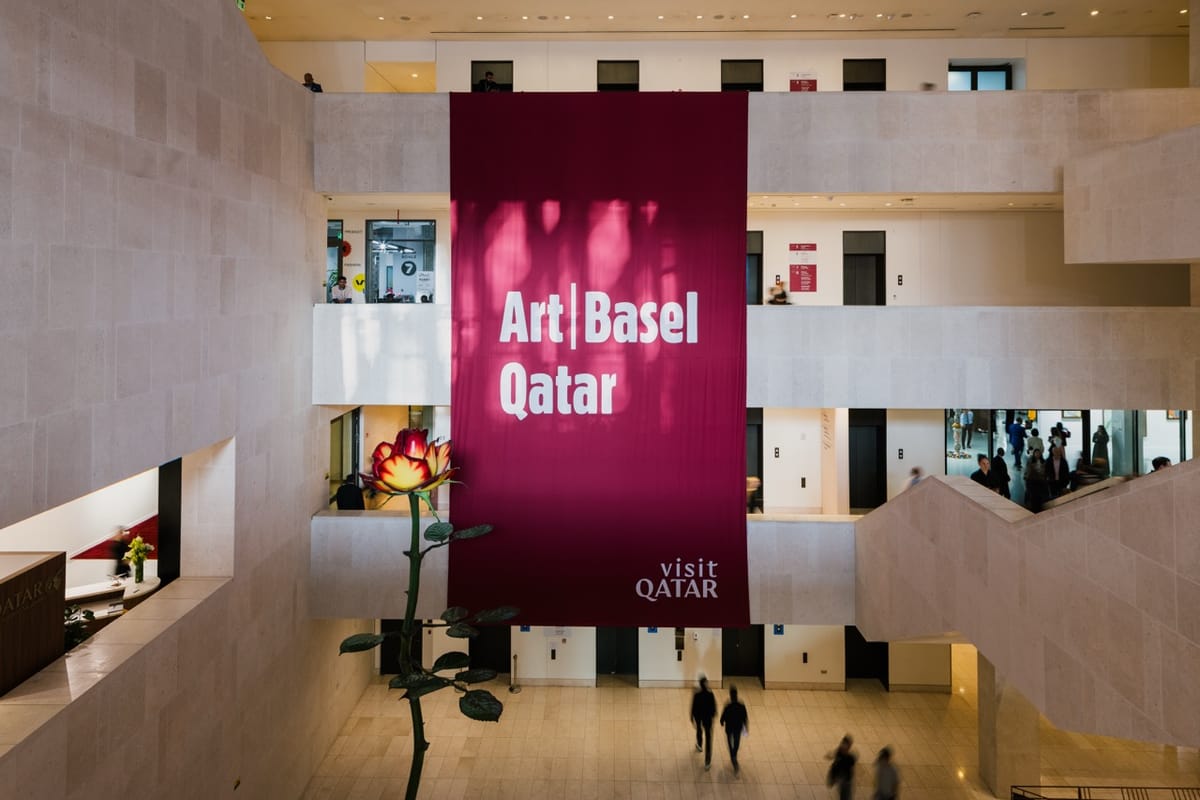
The Gulf has become an art market hot spot, but insiders say the biggest challenge facing its newest arrivals isn't how to tap the region's wealth, it's how to unlearn assumptions that they may bring with them, particularly concerning the area's money, power, and cultural depth. With Art Basel Qatar debuting next week, the region is no longer a peripheral scene but a new axis of influence for the trade.