UX design
fromMedium
9 hours agoThe invisible layer of UX most designers ignore
Designers must prioritize screen reader compatibility to ensure accessibility, as users rely on spoken content rather than visual elements.
The Matranga family built a 560-square-foot tiny house for their family of four in 2022, experiencing both love and regret about its design after four years of living there.
Cats knocking things off tables is perhaps the most documented animal behavior in human history, captured billions of times, studied by actual ethologists, and still inexplicably funny every single time.
The handle, made of frosted silicone with a clean, pill-shaped profile, changes its physical firmness based on the freshness of the food stored inside the refrigerator. When everything's fine in there, the handle feels firm to the touch. When something is going bad, it softens.
The original intent of pilotis was to create a sense of lightness that would allow circulation and light to flow beneath a structure, but contemporary requirements render thin columns insufficient for large-scale civic projects.
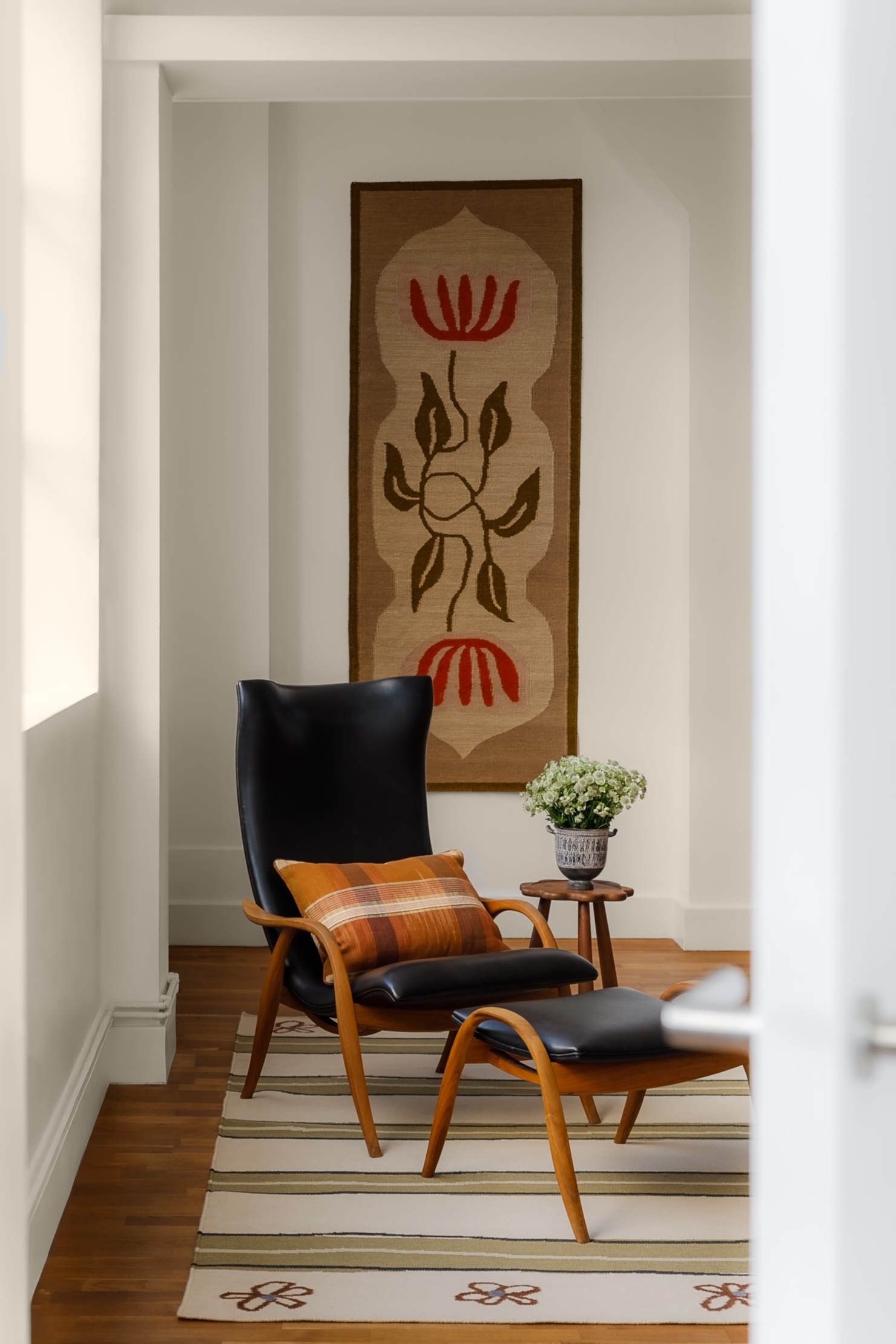
The convenience of sourcing online is fraught with more pitfalls than most of us want to admit. Try finding adequate photos of a vintage piece's condition-close-ups of the fabric, video of damaged areas, any images of a piece's rear or underside!
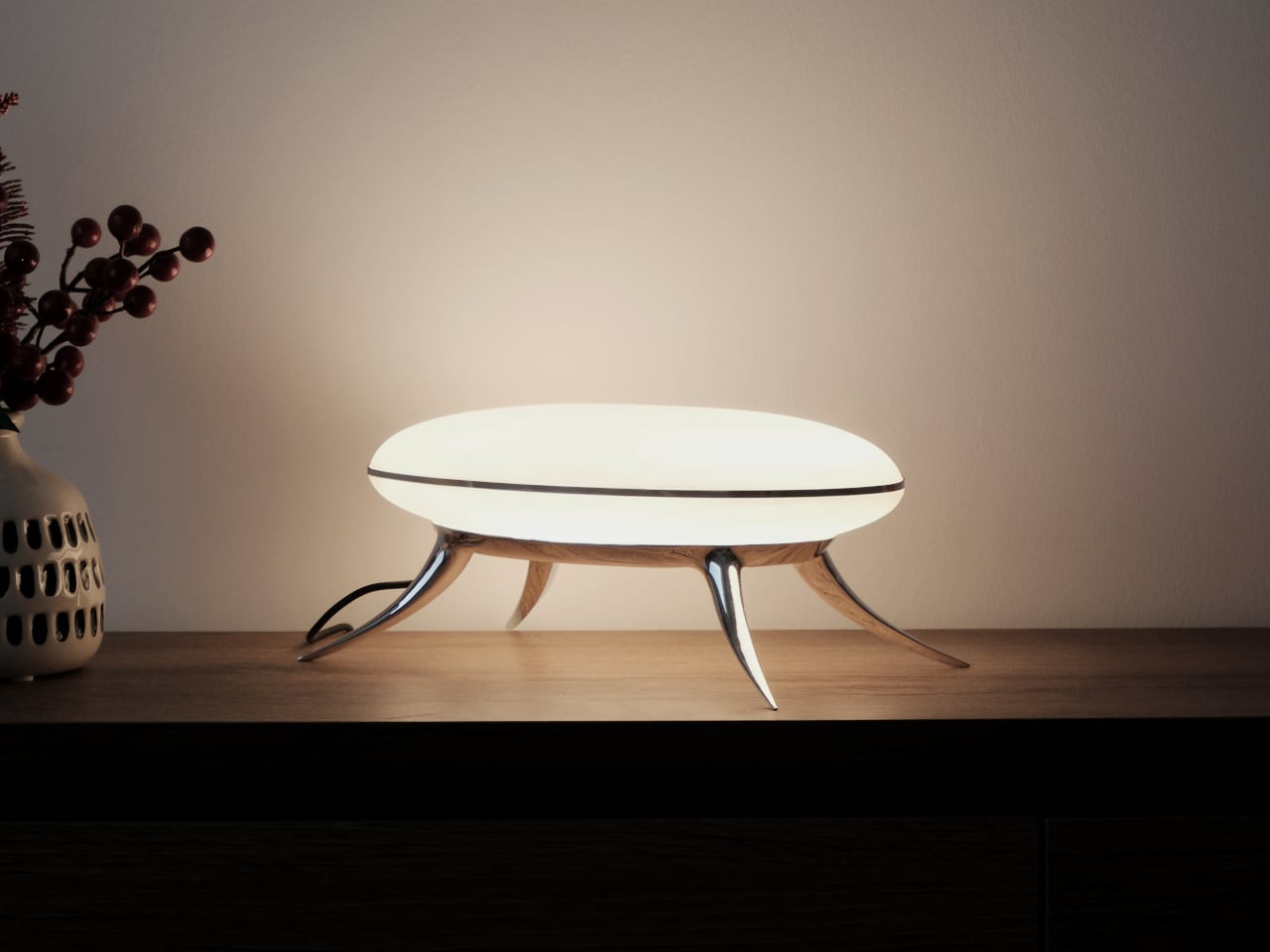
As you dim the lamp, it does not just reduce brightness. It simultaneously shifts the color temperature from a crisp, clear white toward a warm amber tone. During the day, the light is sharp and cool, the kind that supports focus and keeps you alert. As evening arrives and you begin dimming down, it moves into amber territory, which is the spectrum that does not interfere with melatonin production.
Today we are at the cusp of revolutions in artificial intelligence, autonomous vehicles, renewable energy, and biotechnology. Each brings extraordinary promise, but each introduces more complexity, more interdependence, and more latent pathways to failure. This elevates prudence to be critical. Good design recognizes what cannot be foreseen. It acknowledges the limits of prediction and control. It builds not merely for performance, but for recovery.