#thoracic-mobility
#thoracic-mobility
[ follow ]
fromwww.theguardian.com
1 day agoWild west' reformer pilates boom is causing rise in injuries, experts warn
The boom in reformer pilates has created a wild west of studios where poor regulation has resulted in inexperienced teachers and a rise in injuries, professional standards bodies have warned.
Exercise
#yoga
Yoga
fromYoga Journal
6 days agoDo You Really Need to Bend Your Knees in Certain Poses? Here's What to Know.
Tight hamstrings can hinder yoga practice, but keeping legs straight during stretches may enhance flexibility despite discomfort.
Yoga
fromYoga Journal
2 weeks agoDo Backbends Make You Nervous? Here's 5 Things You Should Know.
Backbends require both strength and flexibility, and balancing the front and back body is essential for safe practice.

fromwww.businessinsider.com
1 week agoAt 86, I still travel and I do headstands with my wife every day to stay mobile
Before I retired, I taught physics at a secondary school in China. While working as a teacher, I met my wife at an event. We were as active as the students we taught, spending our free time playing badminton, basketball, volleyball, and table tennis.
Exercise

Medicine
fromenglish.elpais.com
3 weeks agoA new interactive atlas reveals the human body in unprecedented detail
The Human Organ Atlas uses advanced HiPCT imaging to create unprecedented 3D organ reconstructions at cellular resolution, enabling researchers to link multisystem failures and disease patterns across organs.
Healthcare
fromdesignboom | architecture & design magazine
4 weeks agofoldable medical brace adapts to user's injured arm using adjustable cables
Bracesys is an adjustable foldable medical brace using Kevlar cables that adapts to individual arm sizes and healing stages, eliminating the need for custom orders or replacements.
#mlb-injury
New York Mets
fromwww.amny.com
4 weeks agoRobert Stock injury: Mets RP needs thoracic outlet syndrome procedure | amNewYork
New York Mets relief pitcher Robert Stock requires thoracic outlet syndrome surgery and will miss most of the 2026 season after shoulder discomfort emerged during World Baseball Classic play.
fromYoga Journal
2 weeks ago10-Minute Morning Yoga to Release That Nagging Tightness in Your Back
This yoga for back tightness practice starts with lying on your back. You'll take some simple but dynamic movements. Throughout the rest of the practice, you'll experience twists, forward folding, backbending, side stretching, and working all the areas of the spine-without needing to stand up.
Yoga
fromStrength Running
1 month agoCross Training and Running: How to Add Other Sports to Your Training - Strength Running
Cross training and running go together like peanut butter and jelly. If you build it into your schedule intentionally, strategically, and with a clear understanding of what you're trying to accomplish, you'll thrive. Megan makes the case that cross-training serves runners for several distinct reasons, and the right reason for you will shape how you approach it.
Running
fromInsideHook
1 month agoAre You in Alignment? How to Unlock Pain-Free Movement.
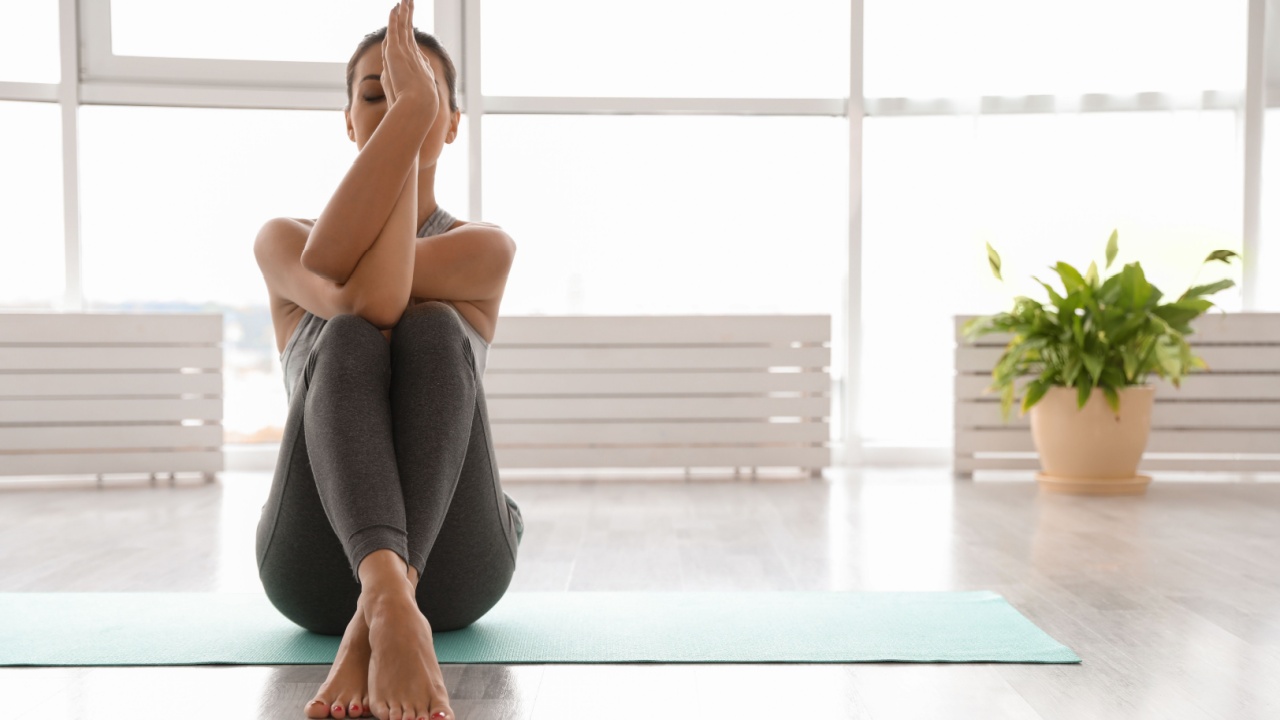
The brain is the conductor of the orchestra, the muscles are the instruments. When your body is out of alignment, the orchestra is playing out of tune. Misalignment in the musculoskeletal system is frequently the root cause of chronic pain and the resulting poor posture.
Health
fromYoga Journal
1 month agoThis Challenging Pose Frustrates Yoga Students. Here's How Gravity Can Help.
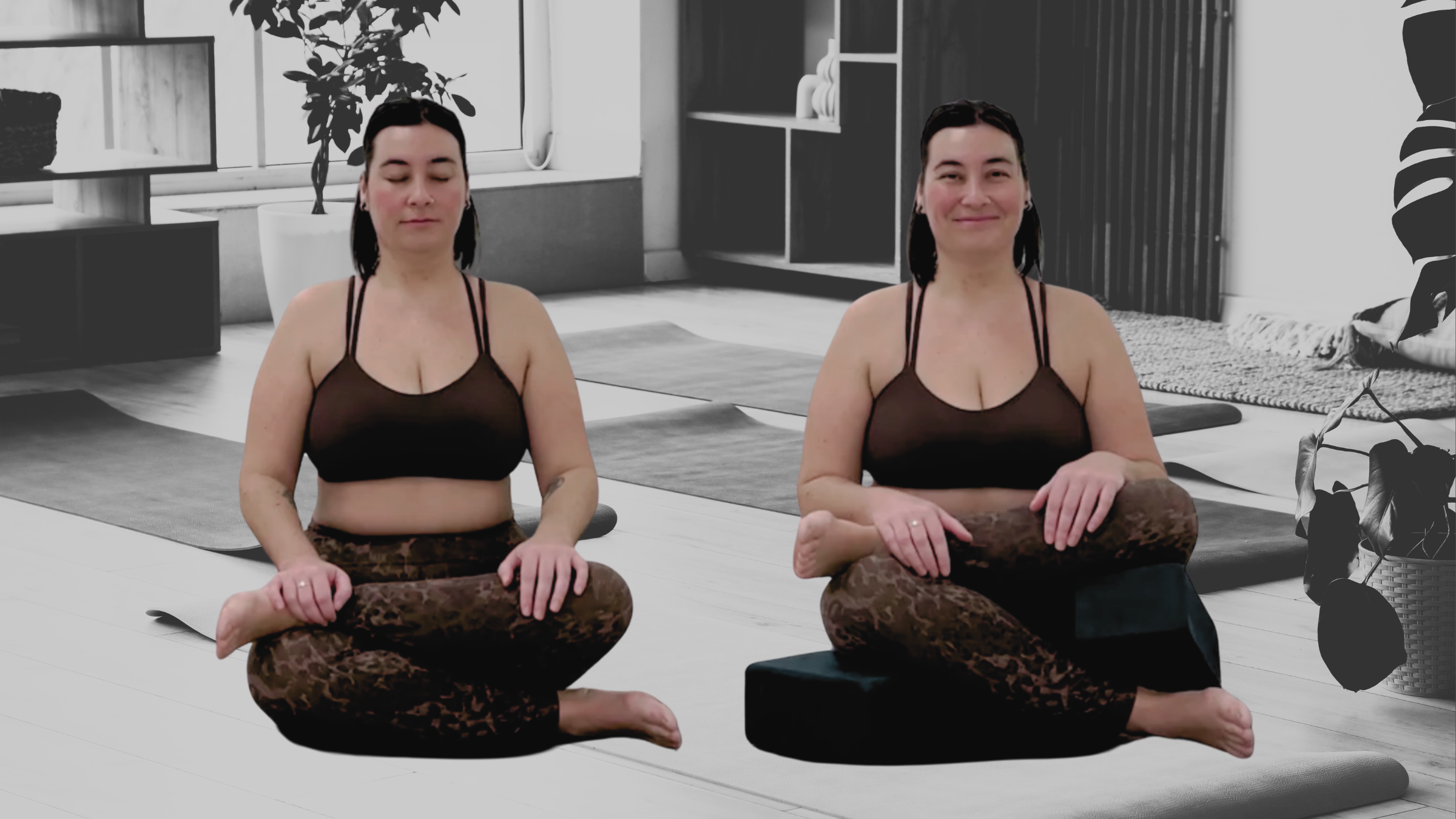
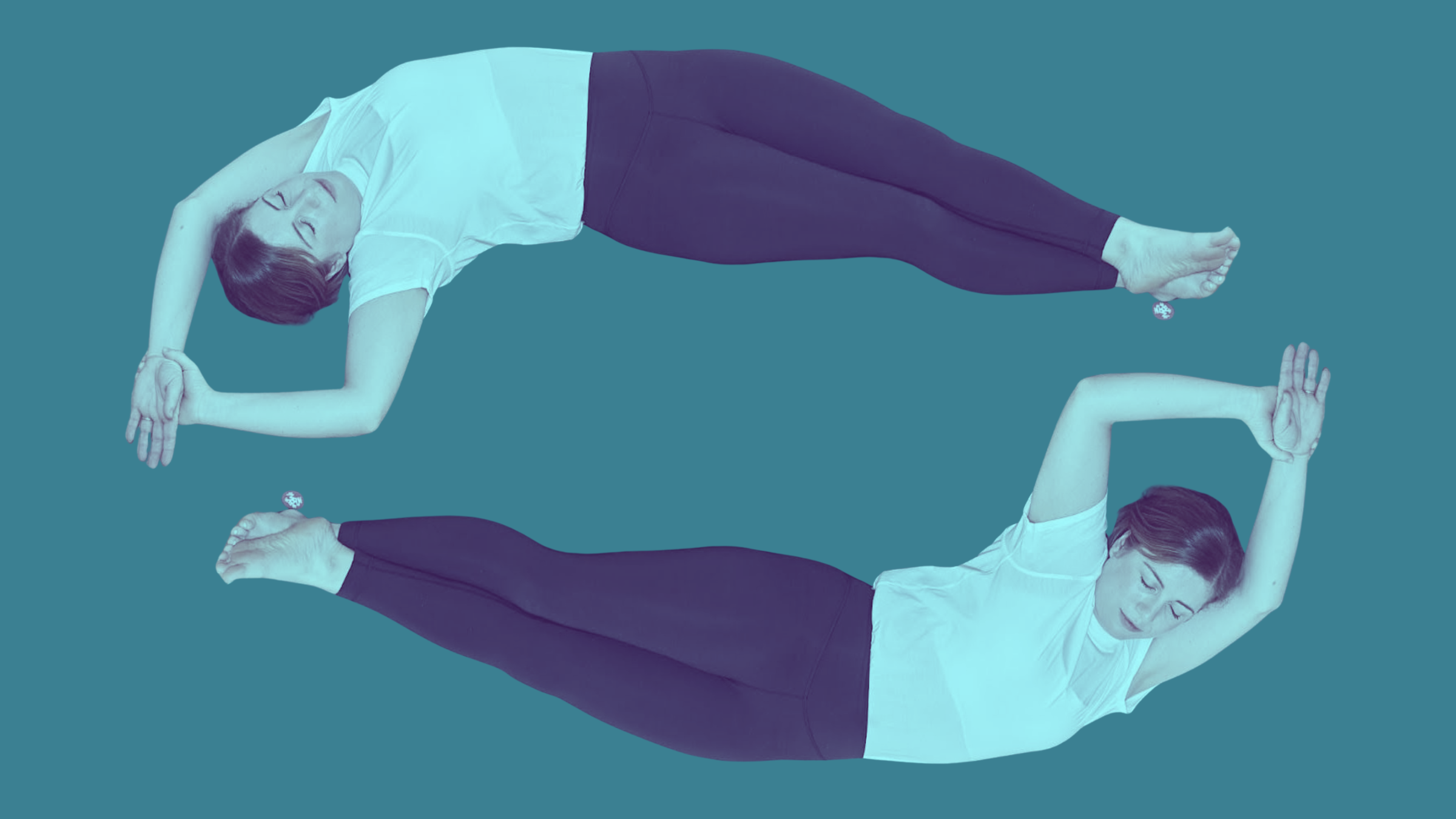
Though there are as many asanas as there are species of living creatures in the universe, the old hatha yoga manuals report there are just 32 that are beneficial for humans, and Chair Pose is included among them. Chair is essentially a half-squat, or a half-stand: The feet are flat on the floor, the shins are angled forward about 45 degrees over the feet, the thighs are almost parallel to the floor, and the torso stretches up and back with the arms reaching upward.
Yoga

fromWIRED
2 months agoWe Strapped on Exoskeletons and Raced. There's One Clear Winner
An exoskeleton is a relatively new class of wearable device designed to enhance, support, or assist human movement, strength, posture, or even physical activity. The main piece goes around your waist like a belt, and from it, a pair of hinged, mechanized splints extend down over the hips to strap onto each thigh, where they provide some robotic assistance to normal movements like walking, running, or squatting.
fromwww.bbc.com
2 months ago'Comeback starts now' - Bradley has knee surgery
"A big blow but surgery is done so the comeback starts now," he posted. "It won't be for a little while but I already can't wait to get back playing for Liverpool and Northern Ireland. Thank you for all of the support."
Soccer (FIFA)
fromBikeMag
2 months agoThe 5 Most Common MTB Injuries, According to Riders Who Learned the Hard Way
Riding a mountain bike comes with risks, and injuries are common among most riders, from minor cuts and scrapes to broken bones and more severe head trauma. But what are the common injuries from mountain biking, and what is the recovery like for the most common MTB injuries? Well, I've had most of them over the years. From the minor scrapes and bumps to the more severe head trauma, fractured bones, and ligament damage.
Bicycling
fromSherdog
2 months agoManager: Kayla Harrison Risked Paralysis if She Hadn't Undergone Surgery
Kayla's not been 100% for the last three years, Abdelaziz told Submission Radio. Since her PFL days, she always had tingling. She couldn't lift her arm... The UFC flew her to New York, and the doctors said she immediately needs surgery because if she doesn't get surgery, it could paralyze her. But immediately after the surgery, all the pain is gone.
MMA
fromDodgers Nation
2 months agoDodgers pitcher recovering from shoulder surgery provides injury update
Graterol struggled with his shoulder in 2024, landing on the injured list during spring training due to a shoulder injury. He returned to the team in September, but went straight back to the injured list, spending the majority of the Dodgers' World Series run on the sidelines. The 27-year-old returned for the World Series, though, and made three appearances. He underwent surgery shortly after the season, and missed the entirety of the 2025 season with his injury.
Major League Baseball
fromBusiness Insider
1 month agoI did nothing for my flexibility but take 2 Pilates classes a month. I improved by almost 20%, according to a 3D scan.
I got a 3D scan that measured my flexibility last August, hoping the predictably subpar results would finally inspire me to stretch more. Then, I did basically nothing. Even knowing my shoulder rotation movement was in the "red" zone - needing serious improvement if I wanted to avoid future pain - it wasn't enough to get me to devote three minutes of light stretching before my cardio and strength workouts as suggested by trainers I had spoken with.
Exercise
fromwww.bbc.com
2 months agoWhy doing a mix of exercise could be the key to longer life
Don't put all your eggs in one basket when it comes to exercise - doing a variety of different physical activities every week is the key to boosting your health and living longer, a study suggests. After tracking the weekly exercise habits of 110,000 men and women in the US for 30 years, researchers found active people who did the greatest variety of exercise were 19% less likely to die during that time than those who focused on one activity. That effect was greater than for individual sports like walking, tennis, rowing and jogging. The total amount of exercise you do is still key, experts say, but doing a range of activities you enjoy can bring lots of benefits.
Public health
fromwww.theguardian.com
2 months agoIt's such a complex little area': how to really look after your wrists
The wrist is such a complex little area, Evans says, as they have evolved to allow an extraordinary range of movement while also supporting a high level of fine motor control the wrists mean we have the capacity to do both handstands and neurosurgery. It's got eight little carpal bones they're the axis of the wrist and then you've got your radius and your ulna, which are your two forearm bones, and then that joins in with your hand bones, your metacarpals, Evans says.
Medicine
fromYanko Design - Modern Industrial Design News
2 months agoThis Kevlar Medical Brace Folds Flat Like Origami and Might Finally Kill the Plaster Cast - Yanko Design
Bracesys sidesteps all these limitations with an adjustable framework of segmented units, articulating connectors, and tension dials. The entire system weighs just 150 grams and folds flat into an envelope, yet provides rigid support comparable to traditional casts. More remarkably, clinicians can customize it to each patient's anatomy in real time, adjusting the fit as swelling decreases and healing progresses.
Medicine
fromUnofficial Networks
2 months agoHit This 10-Minute Apres Ski Stretch Routine To Ensure You're Ready For Another Day On The Slopes
Multi-day ski trips, whether you're hitting two, three, four, or more days in a row on the slopes, are a ton of fun, but people who aren't used to skiing multiple days in a row start to get pretty sore pretty quick. This 10 minute recovery stretch routine from Outdoor Adventure Training is a great way to unwind and support recovery after a long day on the slopes, and all you need is a yoga mat and a small space.
Snowboarding
fromBustle
2 months ago"Fascia" Might Just Be FitTok's Word Of The Year
According to Anouska Shenn, a certified yoga and Pilates instructor who specializes in myofascial release, fascia is the connective tissue "matrix" in your body. "It's like the scaffolding that holds everything together - bones, muscles, organs, nerves, and blood vessels - and is made up of collagen fibers," she tells Bustle.
Wellness
fromwww.scientificamerican.com
2 months agoHeal your injuries faster using motion as the new potion
When you have an acute injury, your body is sending signals through the peripheral and central nervous systems and the immune system to say, hold on, I need to stop doing this so we can allow the tissue to heal, says Ericka Merriwether, a physical therapist and pain researcher at New York University. Rest, after all, is the first part of the familiar RICE therapy, which stands for rest, ice, compression and elevation.
Health
fromScience of Running
1 month agoFit and Fast: Achieving Robustness in Training
In this episode of the On Coaching Podcast, Steve Magness and Jon Marcus discuss the concept of 'fit but flat,' exploring the phenomenon where athletes excel in metabolic fitness but fail to perform competitively due to a lack of neuromuscular coordination. Using examples like middle-distance runner Ingram Brion, the hosts delve into how metabolic training alone can lead to race failures.
Running
fromWIRED
2 months agoHow to Build a Home Pilates Setup That Feels Studio-Level
When Joseph Pilates developed what he first called Contrology in the early 20th century, there were no dedicated studios or intimidating contraptions. There wasn't even a reformer yet. (That came later, improvised from leather straps and hospital bed frames.) The idea was simple then, and it still is now: Pilates asks you to work with what you already have. Your body does the work, and a mat just makes it more comfortable.
Wellness
Medicine
fromdesignboom | architecture & design magazine
2 months agofoldable medical brace adapts to user's injured arm using adjustable cables
A foldable, reusable medical brace uses adjustable Kevlar cables and modular segments to provide precise, adaptable support and reduce pressure points during healing.
fromiRunFar
1 month agoUnderstanding and Improving Hip Efficiency, Part 1
For runners, the hips can be one of the most confounding and frustrating parts of the physiological puzzle for efficient movement. Every runner knows how crucial hip strength is - and how mobile hips are essential for both fast and pain-free running. Yet healthy, happy hips remain elusive. For many of us, our hips stay stiff no matter how much we massage and stretch them.
Exercise
Health
fromwww.theguardian.com
2 months agoBouncing back: from an ankle sprain to a shoulder pinch, experts on the best way to recover from common injuries
Address underlying imbalances with targeted, consistent movement, proper diagnosis and professional care; combine rest, sleep, nutrition and graduated training to prevent and recover from pain.
fromSilicon Canals
1 month agoPeople who stayed physically active into their 80s share these 7 movement habits they started before it became trendy - Silicon Canals
It got me thinking. While everyone's obsessing over the latest fitness trends and biohacking protocols, these folks have been consistently moving their bodies for decades. No fancy equipment, no Instagram-worthy routines, just simple habits they picked up long before movement became a multibillion-dollar industry. So I started asking around, digging into research, and talking to people who've stayed active well into their golden years. What I found wasn't revolutionary or complicated. It was refreshingly simple.
Exercise
Health
fromSilicon Canals
2 months agoWhy your balance gets worse after 55 and the simple exercise that reverses it - Silicon Canals
Balance declines after 55 from inner-ear, vision, proprioception deterioration and muscle loss, but a simple exercise can significantly restore stability without equipment.
fromYanko Design - Modern Industrial Design News
1 month ago3 Designers Built the Knee Recovery Tool 40% of Seniors Need - Yanko Design
There's something quietly radical about designing for pain. Not the dramatic, cinematic kind, but the daily grind of chronic discomfort that shapes how millions of people move through their lives. That's exactly what Madhav Binu, Kriti V, and Himvall Sindhu set out to tackle with Revive, a home-based rehabilitation device for knee osteoarthritis patients. The numbers tell a sobering story. Forty percent of India's elderly population lives with knee osteoarthritis, a condition that doesn't just hurt.
Medicine
[ Load more ]