Film
fromVulture
2 days agoThe Twist in The Drama Is Not the Problem
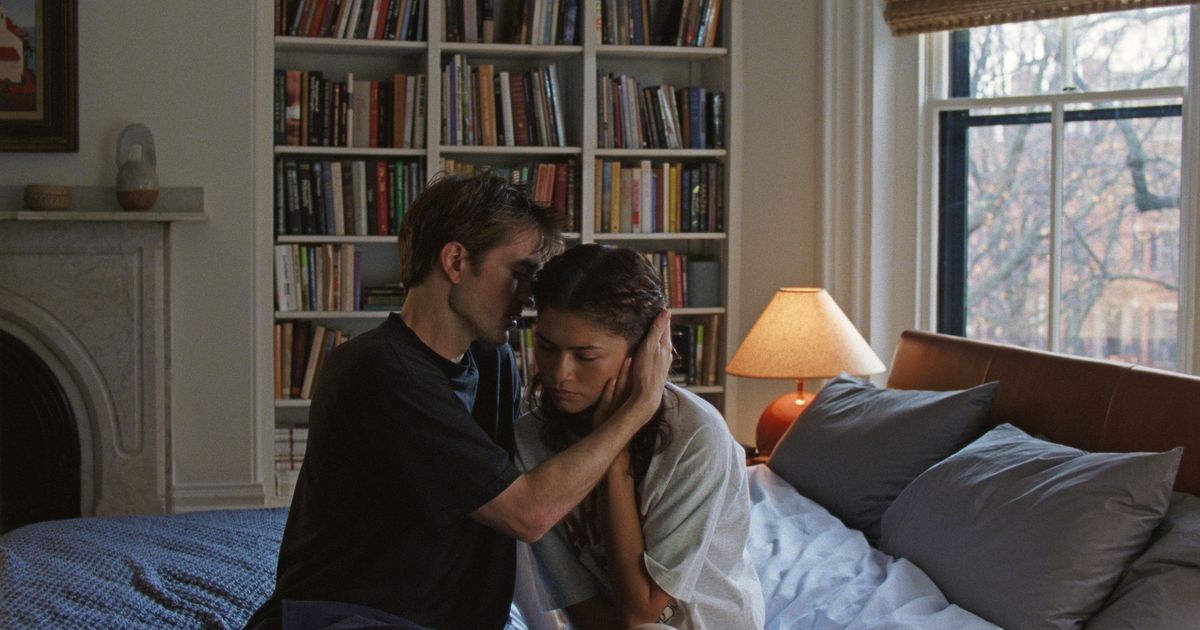
The film features a controversial plot twist involving a character's past plan for a school shooting, sparking significant online speculation and backlash.
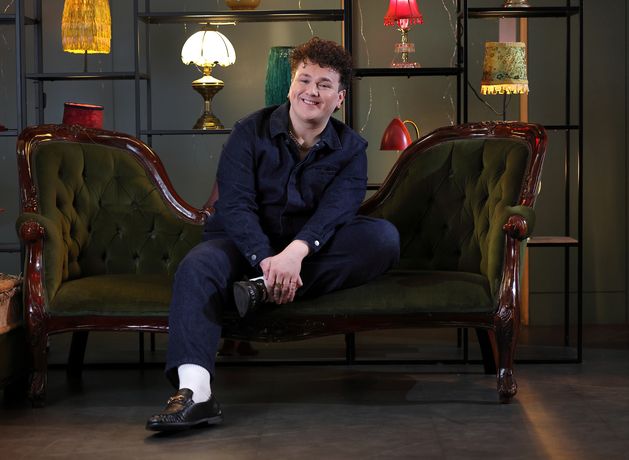
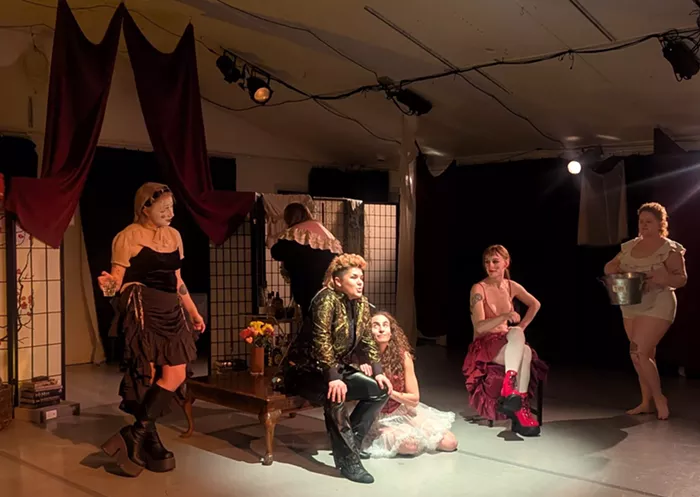
MarcAurele knew he had to strike while the iron was red-hot, so he got to writing, and in just three short weeks he was bringing the show to life, complete with a number that explored the inherent musicality of that bike scene and another that featured a chorus lauding 'gay hockey players with big butts' as if they were singing a church hymn.
Under the ABS challenge system, a team begins each game with two challenges. If a player gets an umpire's call overturned, their team retains the challenge. In effect, this means a team has unlimited challenges until they get two wrong.
I started in stand-up because it felt like the most direct way to connect with people. There's no filter. You go on stage, and you find out very quickly if something works. That shaped everything for me. It forced me to be honest. If you're not honest, the audience knows. That idea still drives how I work today.
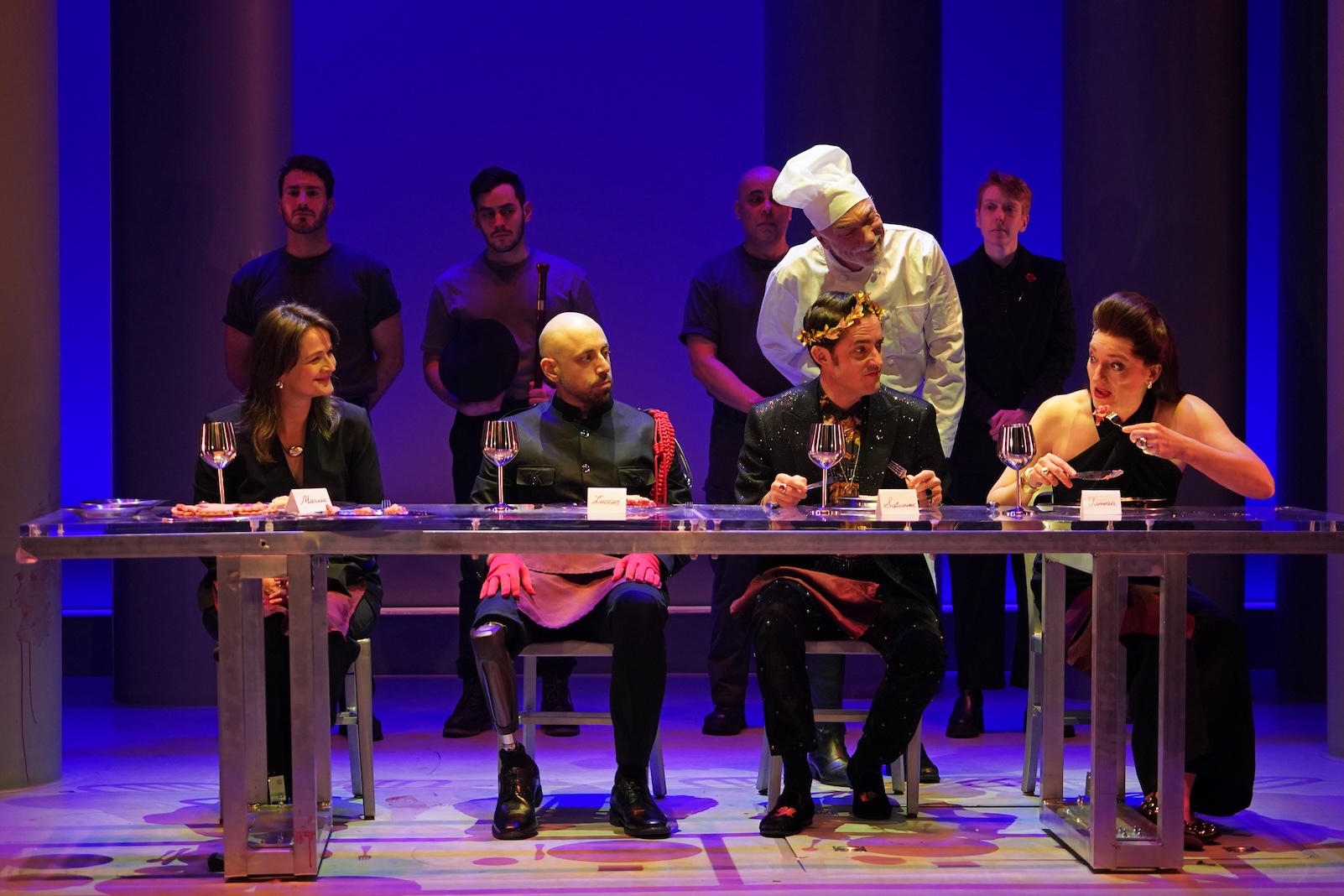
The thing is an almost-four-hour-long continuous explosion - actors dancing, grappling, and hurling furniture; the director present onstage ripping pieces out of the set; paint and blood and flowers and feathers everywhere.
His writing is incredible. The characters are real. There's so much for actors to dig into. To be able to write that way and to connect with people, you're operating on a higher plane.
The story told in Dog Day Afternoon, the classic 1975 film about a real-life 1972 Brooklyn bank heist, is also the story of Stephen Adly Guirgis's confounding new Broadway play, where the heat never rises past lukewarm.
To deny one's own experiences is to put a lie into the lips of one's own life. It is no less than a denial of the soul. The concept I stick to - my core principle - is simple: I write in plain English, and only when I actually have something to say.
The first thing you notice about undertone is how quiet it is; not just in its audio mix, but in how it's shot - primarily steady wide shots that slowly pan across empty rooms, allowing your eyes to frantically scan for something amiss. It's an understated form of filmmaking that allows for the movie's scares to hit all that much harder.
When a stranger smiles at you, you smile back. That is why, when Sir Ian McKellen ( The Lord of the Rings, X-Men, Amadeus) walked on the stage in front of me, looked me straight in the eye, and smiled at me, I smiled back. It was the polite thing to do. It was also completely unnecessary, because McKellen was not actually on the stage in front of me. He smiled at me through a pair of special glasses.
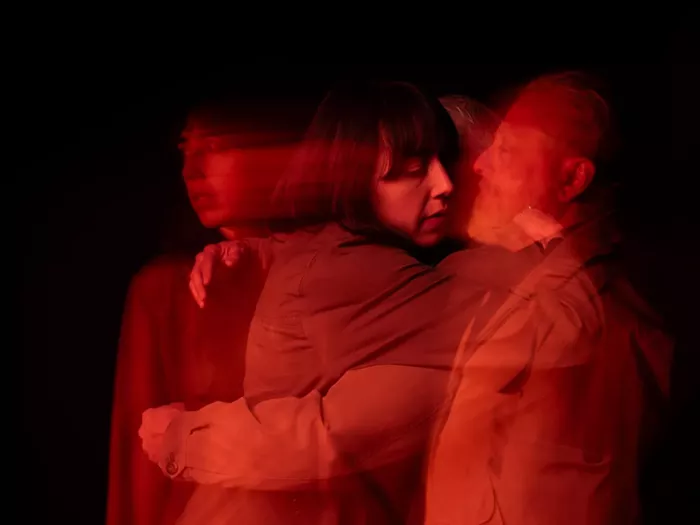
We've seen Robert Icke's Oedipus as a political thriller on Broadway last fall, Shayok Misha Chowdhury's revival of the choral Gospel at Colonus at Little Island in the summer (if you missed that, I recommend a tape of the 1985 production on YouTube), and now, Alexander Zeldin's The Other Place at the Shed, a version of Antigone turned into a bourgeois family drama.
Lucy Liu knew the instant she watched Lawrence Shou's open-call audition video that the neophyte East Bay actor would be the perfect choice to portray her troubled cinematic son in the wrenching Rosemead, inspired by a real-life Southern California tragedy. The 23-year-old Shou, a lifelong Fremont resident, won out over hundreds of others eager to play 17-year-old Joe, a troubled San Gabriel Valley area high school student with schizophrenia whose distraught mom Irene (Liu, in a transformative performance) is dying of cancer.
The short version: Hannah was married to Andrew, and Anna was married to Ryan. Then Anna and Andrew slept together and both marriages blew up. Then, six years after that, just as Andrew was finishing the manuscript of a novel closely paralleling his breakup, he found out that Hannah had beat him to the punch: Her book about a marriage-destroying affair (subtitled "A Memoir [kind of]") would be published nine months before his.