#trade-volume
#trade-volume
[ follow ]
#tariffs #strait-of-hormuz #trade-war #global-economy #trade-agreements #middle-east-conflict #trade-policy





fromLondon Business News | Londonlovesbusiness.com
3 days agoMarkets remain nervous as Iran threatens to attack US blue-chip companies - London Business News | Londonlovesbusiness.com
Warning to the invading American ruling establishment and its affiliated spy companies. You ignored our repeated warnings about the necessity of halting terrorist operations, and today, in terrorist attacks carried out by you and your Israeli allies, a number of Iranian citizens were martyred.
World news
fromLondon Business News | Londonlovesbusiness.com
4 days agoGlobal markets react to geopolitical tensions and rising energy costs - London Business News | Londonlovesbusiness.com
U.S. financial markets experienced a volatile week, largely influenced by geopolitical developments in the Middle East and fluctuations in energy prices. Investor sentiment was driven primarily by external events rather than domestic fundamentals.
Business
fromLondon Business News | Londonlovesbusiness.com
1 day agoUS dollar rose amid a rebound in geopolitical concerns - London Business News | Londonlovesbusiness.com
The US dollar returned to the upside as geopolitical fears rebounded after US President Trump's address to the nation. The rhetoric fuelled risk aversion and flows toward the dollar while oil prices surged.
US Elections
fromwww.dw.com
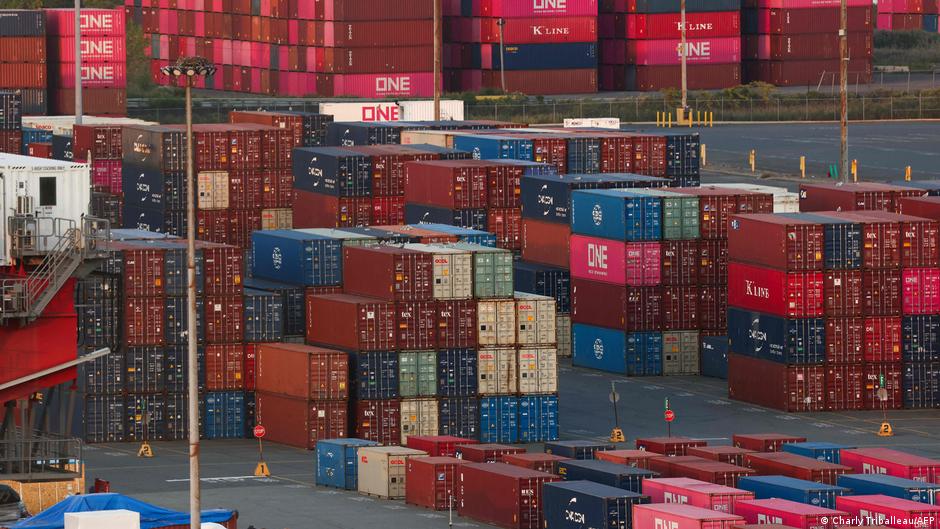
4 days agoAfter the Iran war, how fast could global trade recover?
The longer this conflict goes on, the more devastating its impact will be on the world's energy supplies, inflation and economic stability. Every extra week of disruption raises costs for consumers and businesses while growth slows.
World news
London startup
fromBusiness Matters
2 weeks agoCan the New Trade Agreement Between the UK and China Spur Business Activity in the UK: The Businesses' Perspective in 2026
UK Prime Minister Keir Starmer's January 2026 visit to China established trade agreements aimed at boosting economic growth, expanding market access, and creating investment opportunities for British companies across multiple sectors.
fromLondon Business News | Londonlovesbusiness.com
2 weeks agoThe significant events in the global economy over the past week - London Business News | Londonlovesbusiness.com
Weak performance in several service sectors offset gains in retail and wholesale trade, reinforcing concerns about the pace of economic recovery. Japan relies heavily on oil imports from the Middle East, making it particularly sensitive to disruptions in the region.
UK news

#us-china-trade-relations



World news
fromwww.dw.com
2 weeks agoUS-China trade talks 'stable' despite mutual accusations
US and Chinese trade officials concluded a two-day Paris summit with stable discussions, agreeing on agricultural purchases and proposing new trade boards while disputes over forced labor investigations and Middle East tensions persist.
fromwww.dw.com
5 days agoWTO talks end in stalemate over e-commerce
"We worked hard," WTO Director-General Ngozi Okonjo-Iweala said, adding that the US and Brazil in particular "need more time" to work out their differences over the agreement to impose levies on cross-border online orders.
World politics
Business intelligence
fromLondon Business News | Londonlovesbusiness.com
4 weeks agoMcKinsey analysis: $69bn commodity trading industry faces shorter volatility cycles - London Business News | Londonlovesbusiness.com
Commodity markets face shorter volatility cycles, requiring flexible capital allocation and AI integration for competitive advantage in a consolidating trading landscape.
European startups
fromwww.dw.com
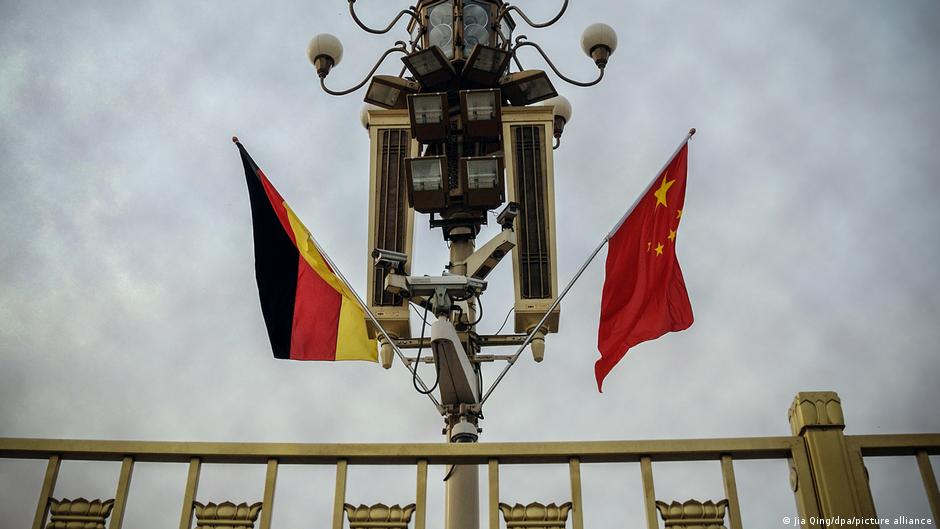
3 weeks agoUS trade probes could lead to new tariffs for EU, China
The US launched two trade investigations targeting excess industrial capacity and forced labor imports, potentially leading to new tariffs on major trading partners after the Supreme Court limited Trump's tariff authority.
fromLondon Business News | Londonlovesbusiness.com
1 month agoDollar Pauses Rally Amidst Geopolitical Tensions - London Business News | Londonlovesbusiness.com
The tensions between the United States and Iran have pushed oil prices higher, raising fears of energy-driven inflation, which helped support both the dollar and Treasury yields. The 10-year yield has climbed to its highest level in roughly two weeks.
US news


US news
fromLondon Business News | Londonlovesbusiness.com
1 month agoThe Significant Events in the Global Economy Explained - London Business News | Londonlovesbusiness.com
Supreme Court tariff reversal lifted investor sentiment and stocks, while Fed division on rates, rising inflation, and slowing GDP kept markets cautious.

fromwww.aljazeera.com
1 month agoHong Kong-linked company decries search of Panama Canal port offices
Panama Ports Company (PPC), part of the Hong Kong conglomerate CK Hutchison, said the Panamanian government acted in disregard for the rule of law. It decried what it called the latest steps to invade and take the property of PPC during a search on Thursday. It also accused authorities of entering a private storage site without notice and ignoring requests to safeguard sensitive corporate data.
World politics


fromFortune
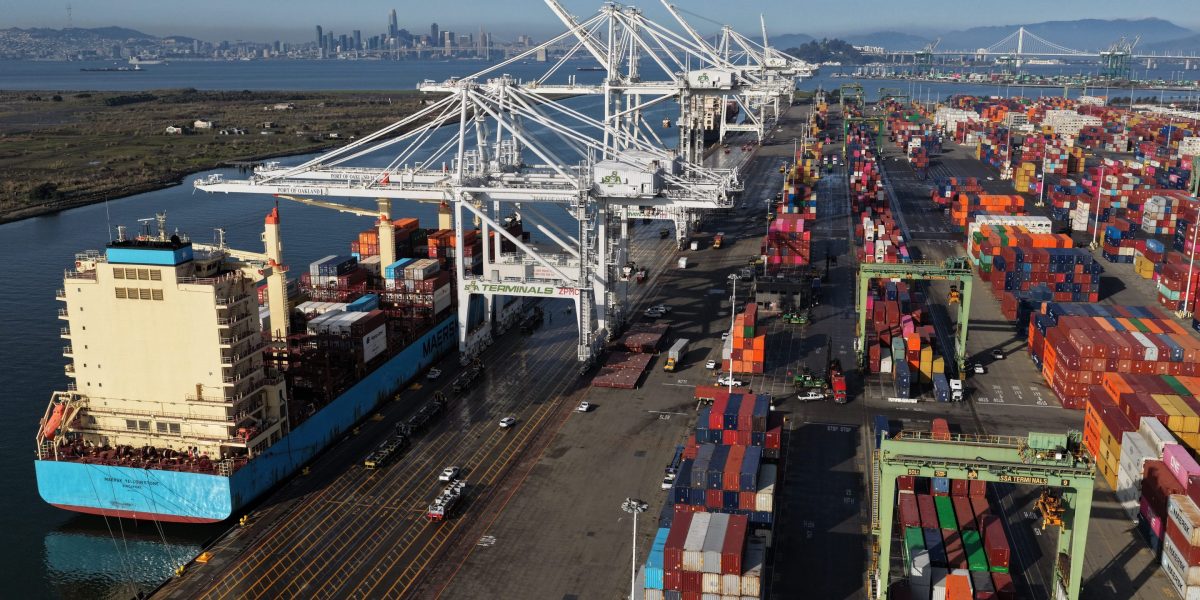
1 month ago'The Chinese have invaded us in terms of merchandise': Mexico and Argentina lead Latin America's struggles with flood of imports | Fortune
China has been flooding Latin American markets with low-priced exports, especially autos and e-commerce goods, as its exporters adjust to U.S. President Donald Trump's tariffs and geopolitical moves. The world's second-largest economy has become a major trading partner for many Latin American nations, seeking access to their abundant natural resources and growing markets while expanding its influence in a region Trump views as America's Backyard.
E-Commerce

fromBusiness Matters
2 months ago162bn of UK exports at risk as firms struggle to collect payments from US, China and India
Almost £162 billion of British exports are at heightened risk because UK firms are shipping goods to markets where collecting payment is most difficult, according to new analysis. Research from Allianz Trade shows that nearly a quarter (24%) of all UK exports are destined for three countries, the United States, China and India, which pose the greatest challenges for debt collection among the UK's top 20 export markets.
Business
Business
fromLondon Business News | Londonlovesbusiness.com
1 month agoA look at the significant events in the global economy over the past week - London Business News | Londonlovesbusiness.com
U.S. markets rotated away from large-cap technology toward smaller and value stocks amid cooling labor-market signals, mixed economic activity, and falling bond yields.
fromFortune
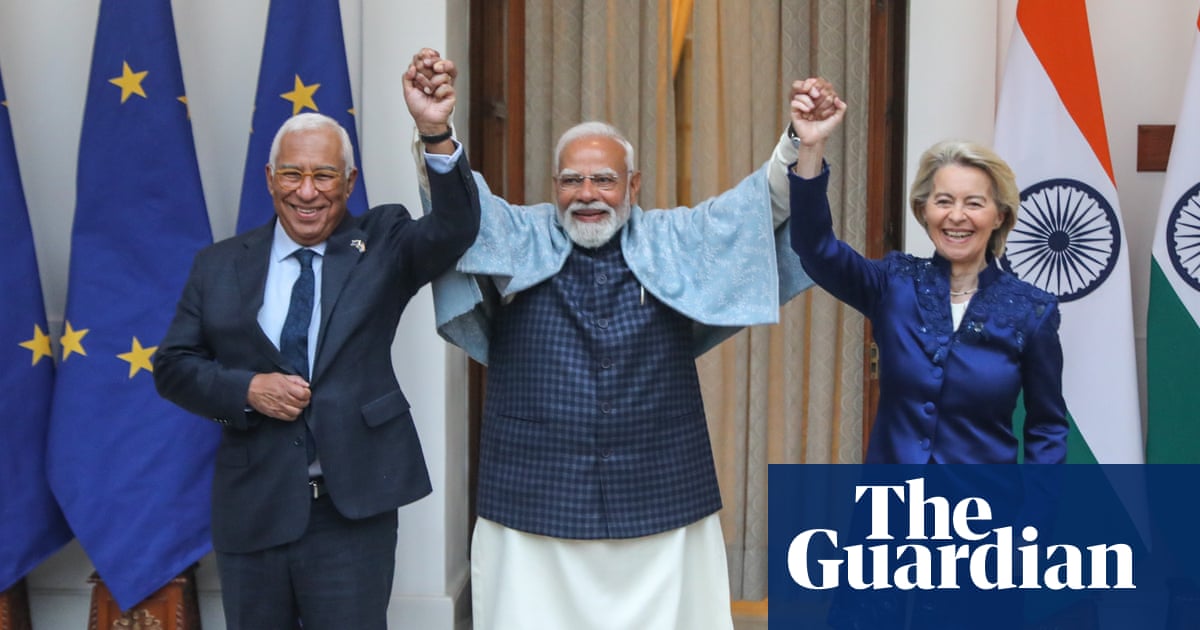
2 months agoIndia, EU reach 'mother of all' trade agreements after nearly 20 years of talks | Fortune
After nearly two decades of negotiations, India and the European Union announced Tuesday they have reached a free trade agreement to deepen economic and strategic ties. The accord, which the EU chief described as the "mother of all deals," could affect as many as 2 billion people. The deal between two of the world's biggest markets comes as Washington targets both India and the EU with steep import tariffs, disrupting established trade flows and pushing major economies to seek alternate partnerships.
Miscellaneous
fromlondonlovesbusiness.com
2 months agoThe significant events in the global economy over the past week - London Business News
U.S. financial markets began the year on a positive note, with major stock indexes reaching new highs despite ongoing geopolitical uncertainty and emerging signs of economic cooling. Investors showed renewed confidence, particularly in smaller and value-oriented companies, which outperformed the large technology-driven stocks that dominated returns in recent years. This shift suggests broader participation in the market rally and growing optimism beyond a narrow group of companies.
Business


fromFortune
2 months agoA spectre is haunting Europe - the spectre of Trump. Cue the Asian trade deals | Fortune
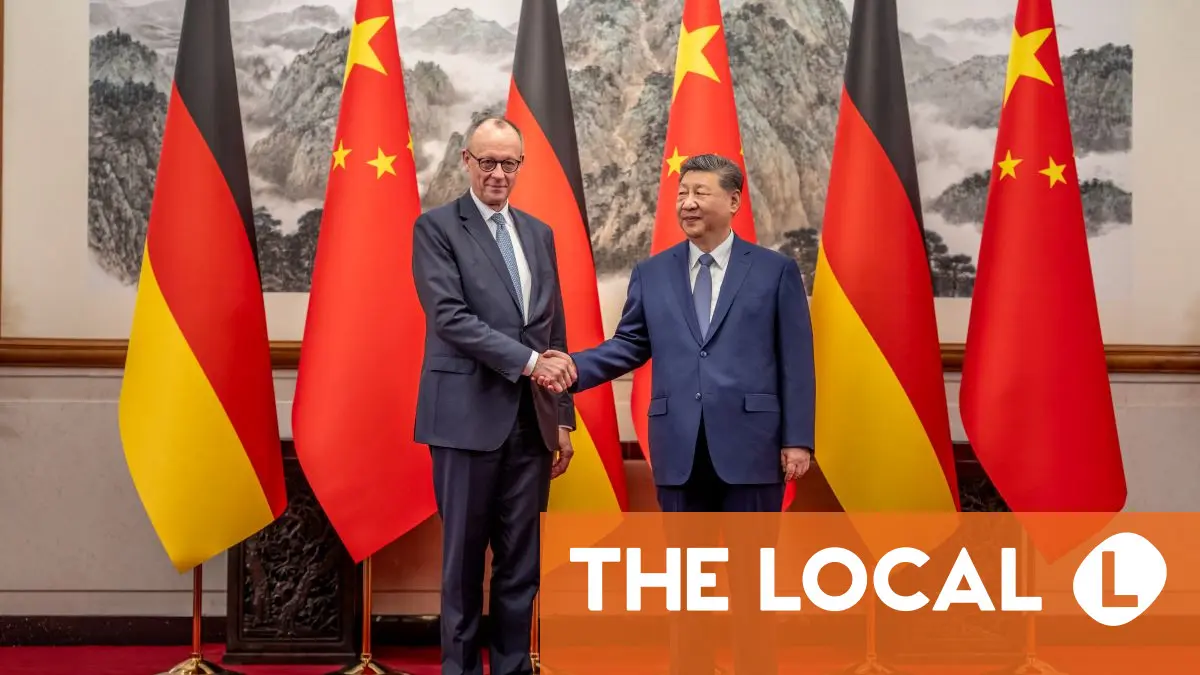
Stability. Consistency. Ever-changing complexity. With language like that, deployed in separate meetings in three Asian capitals this week, government leaders forged closer ties driven in part by a figure halfway around the world: the president of the United States. And much of the time, they didn't even mention Donald Trump's name. IN BEIJING: The U.K. and Chinese leaders called Thursday for a "long-term, stable, and comprehensive strategic partnership" between their two countries. The important words are long-term and stable. The two countries committed a decade ago to building a comprehensive strategic partnership but progress has been halting at best.
World politics
World news
fromwww.theguardian.com
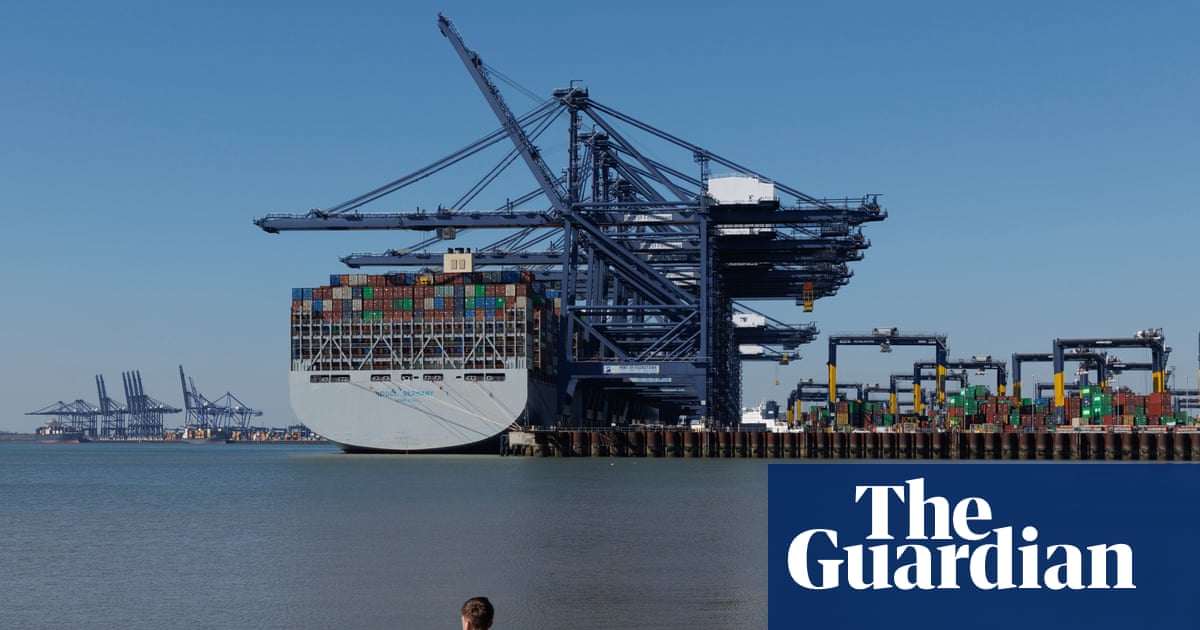
2 months agoAs US influence wanes, the Chinese trade surplus strangles manufacturing across the globe
China's massive trade surplus and export surge are destabilizing the global trading order and straining other countries' manufacturing and international economic institutions.
fromwww.dw.com
2 months agoEU, India secure historic free trade agreement
The deal would forge a market of two billion people and nearly a quarter of global GDP, according to the European Commission. Follow DW for more. EU and India conclude trade negotiations after nearly two decades of on-off negotiationsImage: Altaf Hussain/REUTERS Skip next section What you need to know EU and India have finalized a trade deal after nearly two decades of negotiations
Miscellaneous
World news
fromFortune
2 months agoBRICS could become a new pillar of global governance-if its rapid growth doesn't erode its newfound clout | Fortune
BRICS' rapid expansion risks internal incohesion and failure to reform global governance despite its vast population, resources, and strategic potential.
Miscellaneous
fromLondon Business News | Londonlovesbusiness.com
1 month agoHow much could closer UK-EU ties add to the economy? - London Business News | Londonlovesbusiness.com
UK quarterly growth stalled at 0.1%; deeper UK–EU trade alignment could lift GDP by roughly 1–2% and help reverse Brexit-related economic losses.
[ Load more ]