#train-station-renovations
#train-station-renovations
[ follow ]
#public-transit #public-transportation #transportation #architecture #public-transport #sustainability
fromwww.theguardian.com
2 hours agoHow Paris swapped cars for bikes and transformed its streets
Corentin Roudaut, who once felt overwhelmed by Paris's traffic, found renewed confidence in cycling after the establishment of a segregated bike lane on Boulevard Voltaire. He now actively participates in promoting cycling in the city, witnessing a remarkable transformation in urban mobility and safety over the last decade.
Paris food
fromwww.amny.com
21 hours agoAsk the MTA | Redbirds, cell phone service and Steinway Street construction | amNewYork
The Redbirds trace their origins to 1959, with the debut of the R26, the first of nine closely related subway car types that became synonymous with New York's transit system.
New York City
fromPadailypost
1 day agoCaltrain to close stations if transit tax doesn't pass
"Caltrain and BART would very likely be looking at shutting down passenger service," Deputy Director of Policy Development Melissa Jones said. "In that case, the agencies would be focused on maintenance, trying to secure our assets, keep everything safe while we regroup for the future."
San Francisco

fromTime Out New York
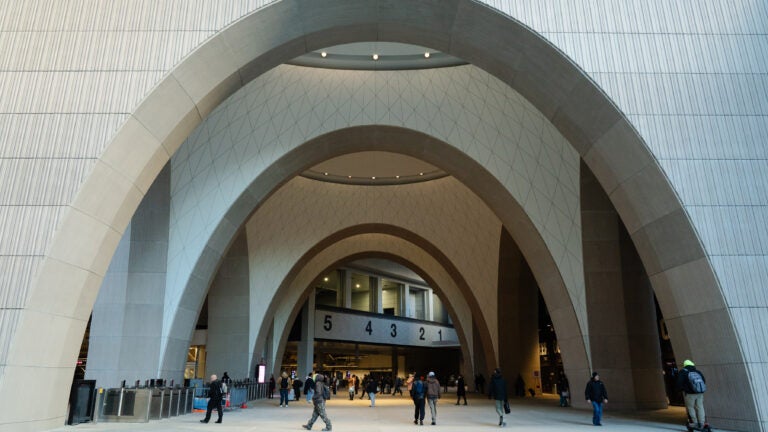
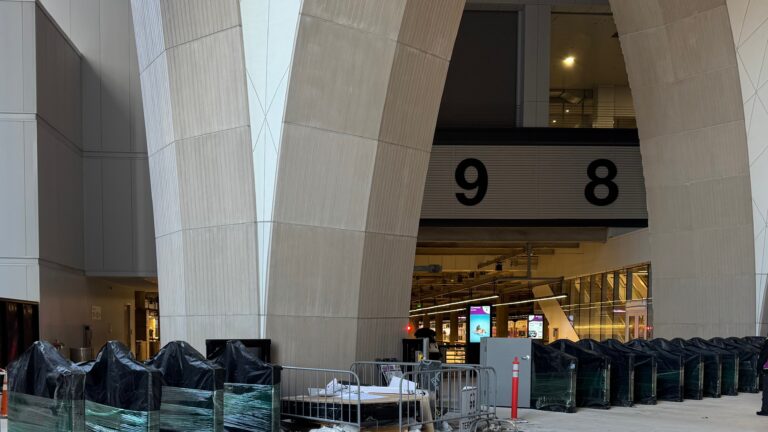
4 days agoHow realistic is it to move Madison Square Garden to fix Penn Station? Here's the not-so-simple answer.
The Grand Penn proposal would move Madison Square Garden across Seventh Avenue, onto or near the former Hotel Pennsylvania site, and use the freed-up space above Penn Station to build a much grander, roomier train hall.
New York Knicks
#mta
NYC politics
fromwww.amny.com
2 days agoTWU's 2-person subway train crew bill would derail progress, good government and business groups tell state pols | amNewYork
State legislative leaders should oppose the TWU's push for two-person crews on subway lines to allow MTA to implement one-person train operation.
New York City
fromwww.brooklynpaper.com
1 day agoFare fight: Transit advocates push for expansion of Fair Fares program at Sunset Park subway station Brooklyn Paper
Expansion of the Fair Fares program aims to make transit affordable for over 2 million New Yorkers living at or below 150% of the federal poverty level.
#architecture
London
fromYanko Design - Modern Industrial Design News
2 weeks agoSnhetta Built a Metro Station in Riyadh That Reflects the Entire City Back at You - Yanko Design
Qasr AlHokm Metro Station in Riyadh features a reflective canopy that merges urban and subway experiences, enhancing commuter interaction with the city.
fromianVisits
5 days agoShh... future Crossrail 2 trains beneath Oxford Street expected to be library-quiet
The building, an office block with shops on the ground floor, is at the eastern end of Oxford Street, just north of Soho Square, and sits above the possible route of the Crossrail 2 railway, if/when it is eventually built.
London
Canada news
fromwww.cbc.ca
4 days agoTTC has higher costs and less riders than in 2019. Winning them back won't fix financial woes, staff warn | CBC News
The Toronto Transit Commission faces declining ridership, increased costs, and reduced revenue, leading to a projected budget shortfall of half a billion dollars by 2027.
fromFast Company
5 days agoHow Paris redesigned itself to be a city of bikes-not cars
"This project is symbolic of what we've done over the last 12 years, reshaping the streets and the city," Christophe Najovski, the city's deputy mayor in charge of green spaces, stated during the opening ceremony.
Paris food
fromwww.cbc.ca
3 weeks agoInside the weird world of Toronto's transit seat upholstery | CBC News
I just moved here like a year ago and pretty much everyone I asked told me to not sit, so I don't sit. Plastic works just because it's easier to clean. Other transit systems, most recently in Seattle, have shifted away from fabric seats, citing complaints about cleanliness.
Toronto startup
fromBoston.com
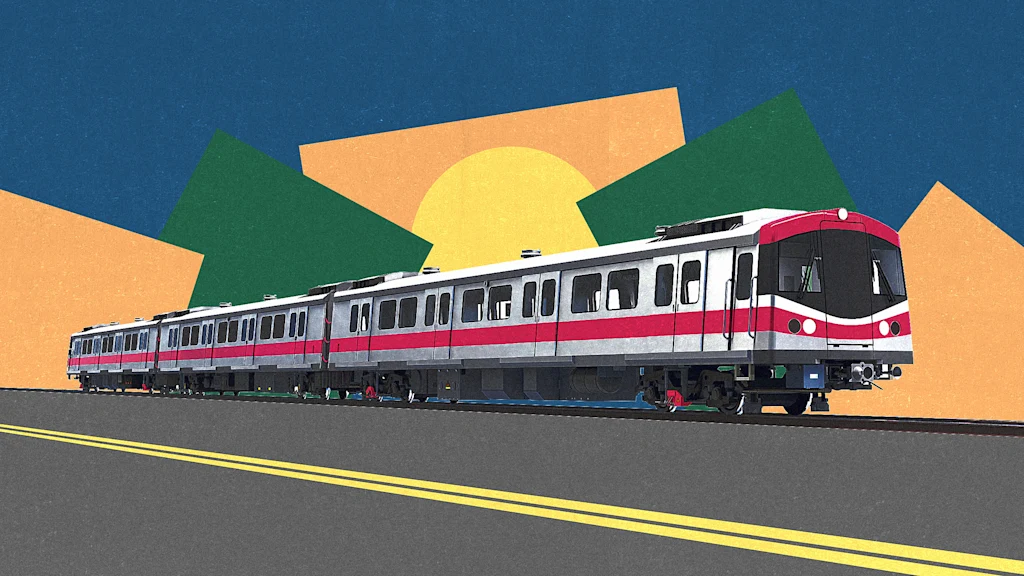
2 weeks agoRed Line car shells cleared from customs, reviving replacement project
The shells were released after U.S. Rep. Richard Neal, who represents Springfield, and Gov. Maura Healey stepped up to negotiate the release. 'For any project, we know that there are things within our control and outside our control,' said MBTA General Manager Phillip Eng, in a statement to Boston.com.
Boston
Alternative transportation
fromSustainable Bus
4 days agoNew certified Ultrafabrics collections target durability and compliance in passenger transport interiors - Sustainable Bus
Ultrafabrics launches new certified collections for passenger transport, combining durability, aesthetics, and sustainability in high-performance upholstery fabrics.
Boston
fromHoodline
2 weeks agoMTA To Announce Major Train Purchase At Brooklyn Facility
The MTA will announce a major railcar purchase at its new Sunset Park testing facility on March 19, 2026, accelerating the retirement of aging trains and deployment of newer cars across subway and commuter systems.
NYC real estate
fromGothamist
4 weeks agoTrump could transform transit in NYC with Penn Station and Sunnyside Yard plans
Trump administration's infrastructure initiatives create unprecedented opportunity for NYC's largest commuter rail expansion in a century, including through-running connections and a major new hub in Sunnyside, Queens.
fromianVisits
2 weeks agoMajor refurbishment planned for Clapham Junction station's footbridge
The main focus of the project is replacing the existing timber decking on the walkway, which has reached the end of its useful life. It will be replaced with glass-reinforced plastic panels, a more durable material designed to withstand heavy passenger use and last for many years.
Renovation
fromStreetsblog
2 weeks agoOpinion: The Federal Railroad Administration's Proposed Amtrak Restructuring is Worth Considering - Streetsblog USA
While dozens of other countries have delivered fast, modern train networks, we are stuck with a skeletal system built largely on slow, 19th-century alignments. Even developing nations are passing us by. There is growing recognition at the federal level that things need to change, but substantial and comprehensive reform would require an act of Congress.
Alternative transportation
fromForbes
1 month agoTransit-Oriented Housing On Track For Continued Growth
Once a nice-to-have niche urban design concept, TOD has become an essential part of many urban neighborhoods. It has helped address the shortage of housing by enabling the development of higher-density residential communities near transit stations. It has helped revitalize countless once-deteriorating or static urban enclaves near transit hubs by activating sidewalks near the developments. And it has spurred walking and transit use, enabling residents of TODs to reduce or eliminate automobile dependency.
Real estate
New York Islanders
fromwww.amny.com
2 months agoPenn Station redesign chief Andy Byford says he's not fully up to speed' on looming Gateway Tunnel project breakdown amNewYork
Andy Byford must catch up on warnings that a federal funding freeze could halt and derail the Gateway Tunnel project affecting Penn Station.
fromBoston.com
2 months agoNew life emerges atop Boston's South Station
Plopping a new, modern building atop a cherished, historic one is not a novel concept. In New York, the Hearst Tower rises out of a six-story Art Deco building from 1928. The Antwerp Port House, designed by architect Zaha Hadid, delicately balances a glass structure above a fire station. And using air rights to develop skyscrapers over transit hubs to fund their improvements is nothing new, either.
Real estate
fromStreetsblog
1 month agoTalking Headways Podcast: The Future of Transit - Streetsblog USA
This huge law that we've passed in 2021 - which Joe Biden said was the biggest law for public transit ever and was this enormous investment in inner city rail - ultimately panned out to have very minimal effects. There has been some increase in highway construction. But when it comes to transit investment, unfortunately the country is going in the wrong direction.
Alternative transportation
fromTime Out London
1 month agoThe controversial 1.2 billion makeover of London's busiest train station has been officially approved
Network Rail was granted planning permission by the City of London to transform the station. Liverpool Street was last redeveloped in 1991 and passenger numbers have tripled since then, making it London's busiest terminal. It's estimated that 158 million people could pass through the station in 2041. With the approved plans created by ACME architects, 'Pool Street will see it's concourse capacity increased by 76 percent while the station will be made fully accessible with step-free access from street level to all platforms including the London Underground.
Real estate
[ Load more ]