#transit-first-policy
#transit-first-policy
[ follow ]
#new-york-city #transportation-policy #transportation #urban-planning #traffic-safety #congestion-pricing
fromwww.amny.com
1 day agoAOC urges Hochul to scrap plan that would widen Cross Bronx Expressway | amNewYork
Ocasio-Cortez emphasized the need to protect the community, stating, 'On behalf of my constituents and nearly 64,000 local residents impacted by this project, I am requesting that your administration reject any plans to expand the Cross Bronx Expressway beyond its current footprint.'
NYC politics
fromStreetsblog California
2 days agoBuffy Wicks Pushes Legislation to Cut Red Tape for Transformational Bicycle and Pedestrian Projects - Streetsblog California
"Too often, California makes the best transportation projects fight the hardest for approval. AB 1976 starts to change that by modernizing outdated rules, limiting unreasonable process hurdles, and creating a clearer path to safer, more people-oriented streets," said Marc T. Vukcevich, Director of State Policy, Streets For All.
California
fromFast Company
4 days agoHow Paris redesigned itself to be a city of bikes-not cars
"This project is symbolic of what we've done over the last 12 years, reshaping the streets and the city," Christophe Najovski, the city's deputy mayor in charge of green spaces, stated during the opening ceremony.
Paris food
#fair-fares
New York City
fromwww.brooklynpaper.com
1 day agoFare fight: Transit advocates push for expansion of Fair Fares program at Sunset Park subway station Brooklyn Paper
Expansion of the Fair Fares program aims to make transit affordable for over 2 million New Yorkers living at or below 150% of the federal poverty level.
#congestion-pricing
Washington DC
fromStreetsblog
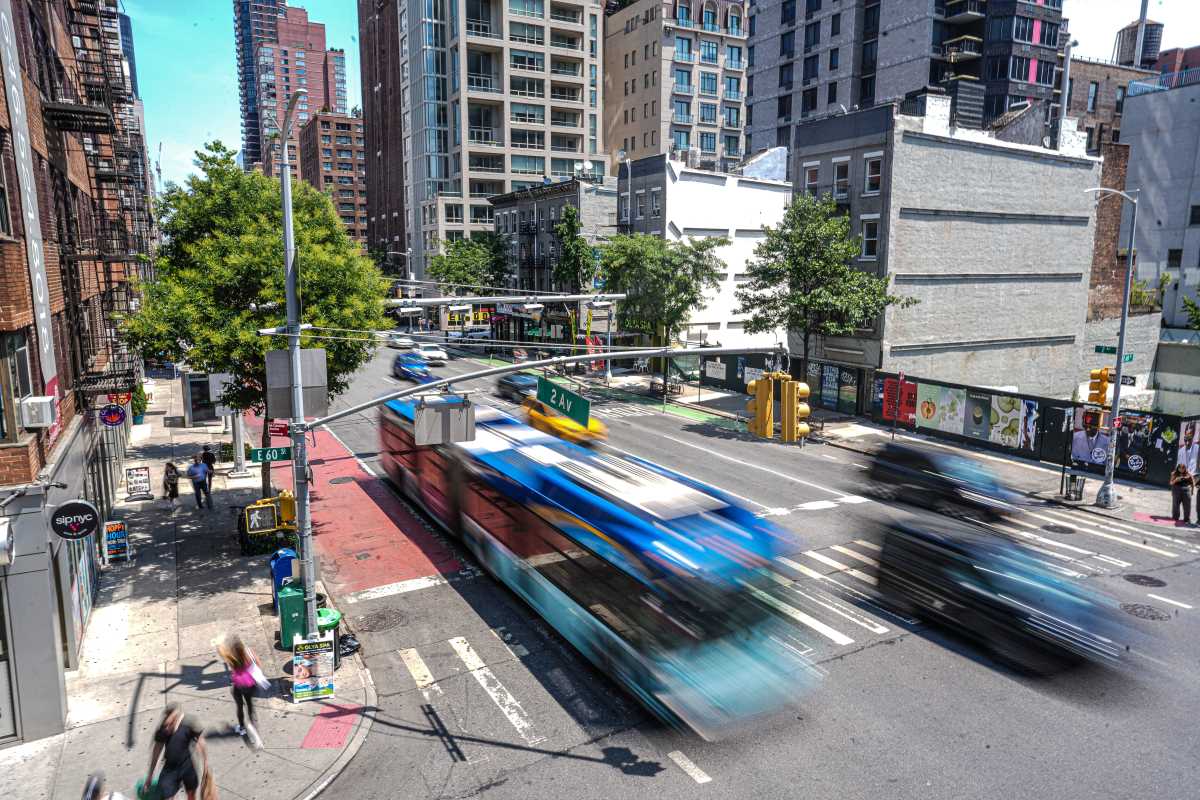
2 weeks agoAdvocates Get D.C. Mayor To Release Buried Report On The Potential Benefits Of Congestion Pricing - Streetsblog USA
Washington D.C.'s delayed congestion pricing report projects 11% traffic reduction, 30% transit increase, and $667 million in revenue, yet Mayor Bowser refuses implementation despite legal mandate to release findings.

Washington DC
fromStreetsblog
2 weeks agoAdvocates Get D.C. Mayor To Release Buried Report On The Potential Benefits Of Congestion Pricing - Streetsblog USA
Washington D.C.'s delayed congestion pricing report projects 11% traffic reduction, 30% transit increase, and $667 million in revenue, yet Mayor Bowser refuses implementation despite legal mandate to release findings.
fromStreetsblog New York City
1 day agoFriday's Headlines: Margin For Terror Edition - Streetsblog New York City
The first three months of 2026 were among the three safest first-three-month periods since records started being kept at the dawn of the Automobile Age, with only 42 fatalities from car crashes in New York City.
Alternative transportation
Austin
fromStreetsblog
2 weeks agoCouncil Leaders Push DOT In Both Directions On Streets Master Plan Goals - Streetsblog New York City
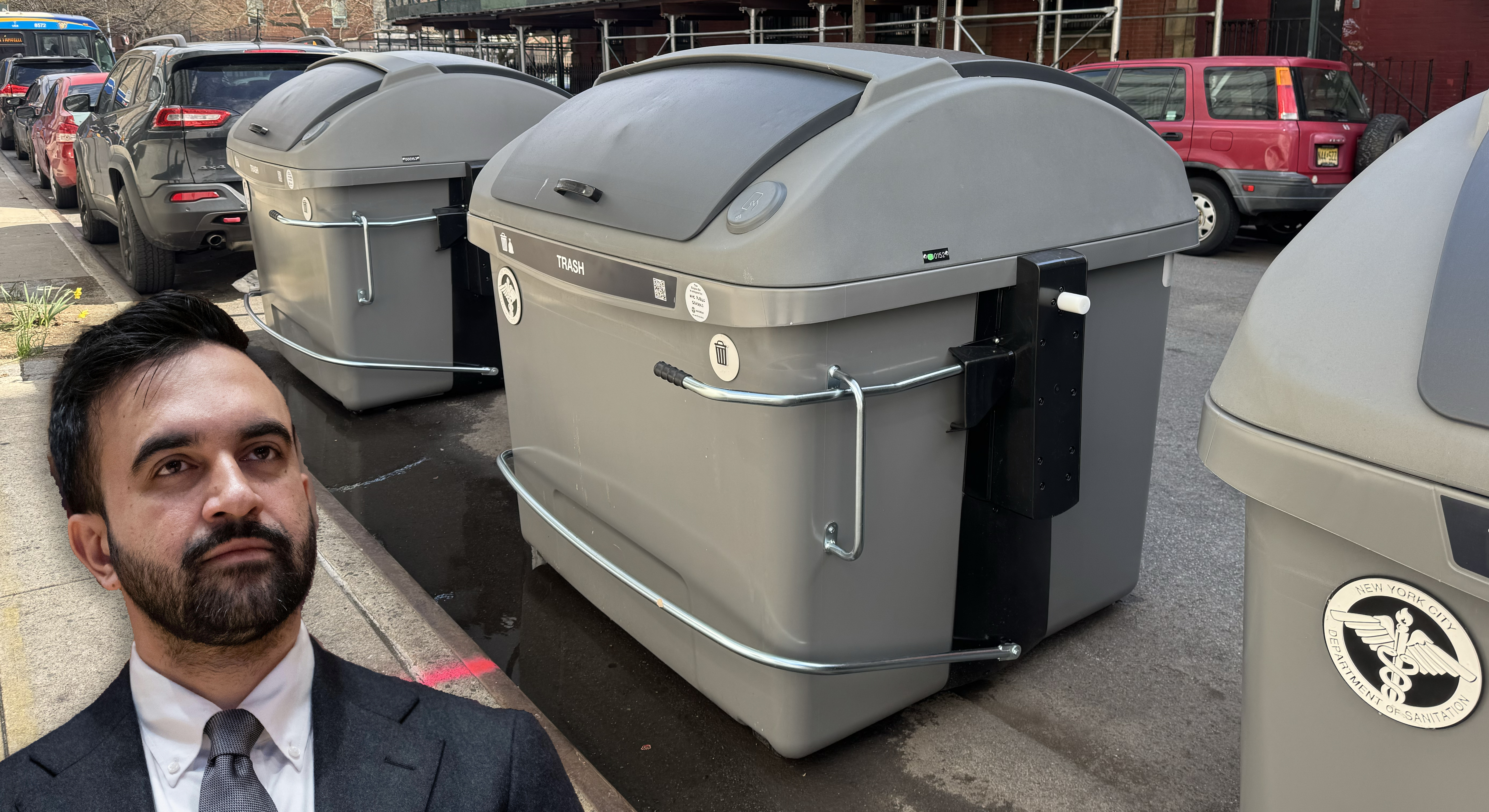
City Council Transportation Committee Chairman Shaun Abreu demands DOT meet Streets Master Plan requirements for bus and bike lanes, but faces resistance from colleagues including Finance Chair Linda Lee who opposes bike lane expansion in her district.


Alternative transportation
fromSustainable Bus
5 days agoZero-emission buses move beyond cities: intercity transition in Sustainable Bus' session at BUS2BUS - Sustainable Bus
Electrification of intercity and coach segments in Europe is advancing, requiring new infrastructure and operational strategies for zero-emission mobility.
fromStreetsblog New York City
2 days ago'Highway Therapy': Lawsuit Reveals Alarming Details Of NYPD's Rampant Car Culture - Streetsblog New York City
"It's sad, really," said Schwartz's lawyer John Scola. "It's just someone who's trying to do his job, and then, because he didn't basically bow down to the egos of Chell and Kaz, his whole life gets uprooted and he has to endure years of hardship, because these people essentially have a bruised ego."
NYC politics
#urban-planning

Brooklyn
fromNew York Post
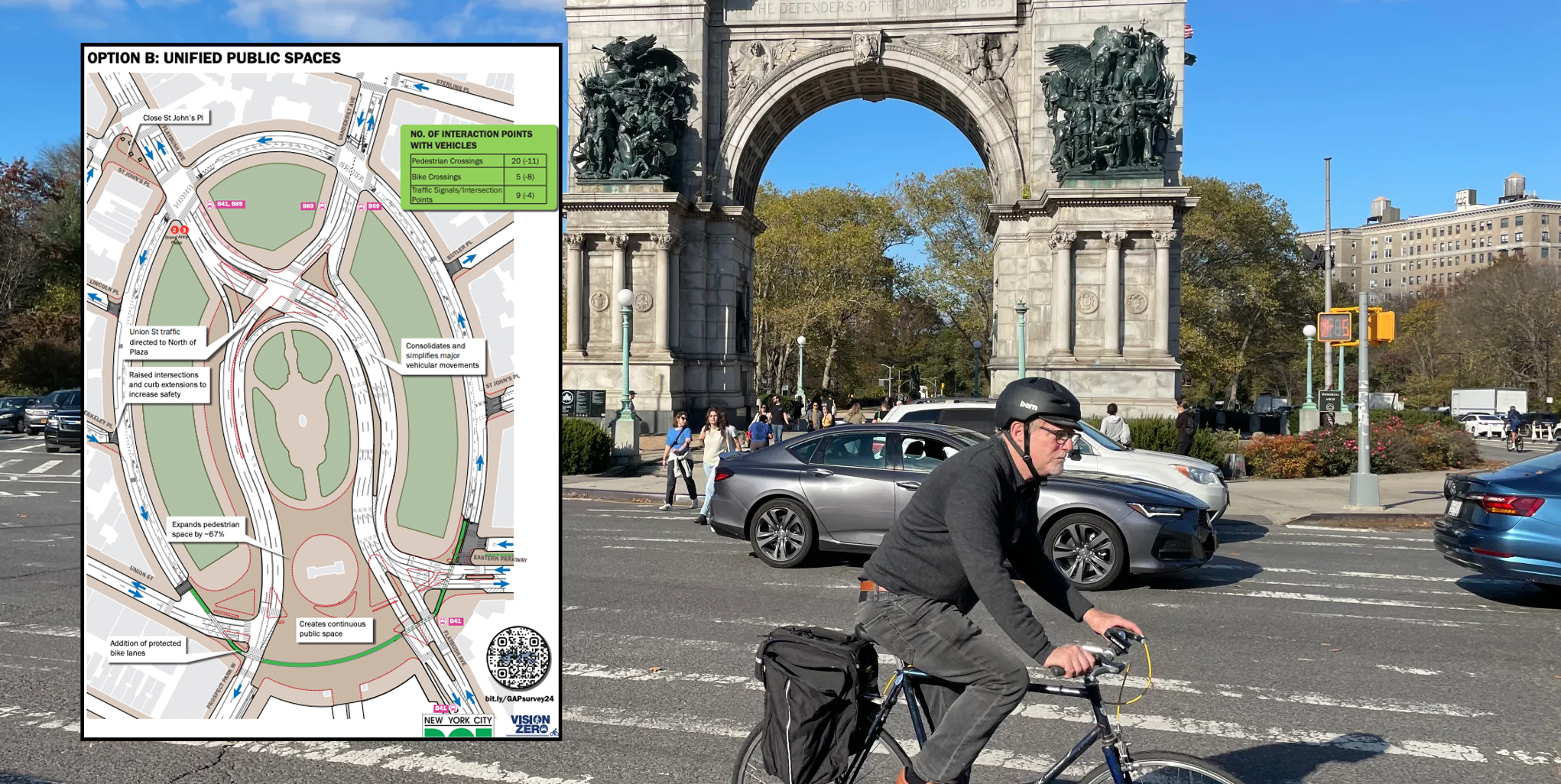
3 weeks agoExclusive | Car-hating NYC pol wants 5 million square feet of new 'pedestrian space' - critics fear 'more gridlock'
A Brooklyn councilman proposes creating 1 million square feet of annual pedestrian space over five years, requiring the city to prioritize car-free zones near transit hubs without estimating parking and lane losses.
fromStreetsblog
1 week agoWhy This State Is Fighting To Get Its First 'Active Transportation Plan' - Streetsblog USA
Missouri is the most populous state without a statewide active transportation plan, despite nearly one-third of its residents lacking a driver's license and alarming fatality rates among vulnerable road users.
Alternative transportation
Environment
fromStreetsblog
1 month agoDear Trump: the Future Belongs to the Efficient - Streetsblog USA
Life expectancy increases with energy consumption only at low levels; beyond 40-50 GJ per capita, additional energy use shows minimal health benefits and may correlate negatively in wealthy nations.
fromForbes
1 month agoTransit-Oriented Housing On Track For Continued Growth
Once a nice-to-have niche urban design concept, TOD has become an essential part of many urban neighborhoods. It has helped address the shortage of housing by enabling the development of higher-density residential communities near transit stations. It has helped revitalize countless once-deteriorating or static urban enclaves near transit hubs by activating sidewalks near the developments. And it has spurred walking and transit use, enabling residents of TODs to reduce or eliminate automobile dependency.
Real estate
Alternative transportation
fromStreetsblog
2 weeks agoWhy Some Congresspeople Want to Go Big on Greenways - Streetsblog USA
The Parks to People Act proposes $300 million in federal funding for walking and biking infrastructure as essential transportation tools, despite political opposition dismissing them as distractions.

NYC politics
fromStreetsblog
2 weeks agoThursday's Headlines: Backed into a Corner Edition - Streetsblog New York City
Governor Hochul promotes auto insurance deregulation backed by Uber and major insurers spending millions on lobbying, while facing increased scrutiny from press corps over corporate influence.
fromArchDaily
3 weeks agoMobility Justice: Urban Equity in an Era of Innovation
Every city contains two transportation systems. One is the visible network of roads, rail lines, sidewalks, and bus routes mapped in planning documents. The other is the invisible geography of privilege and exclusion embedded within it: the neighborhoods that received highways instead of parks, the communities whose bus routes were cut, the sidewalks that abruptly end at the edge of a district.
Alternative transportation
US politics
fromStreetsblog
2 months agoOpinion: Transportation Researchers Still Care About Equity. This Week They're Proving It - Streetsblog USA
A unified convening champions transportation equity as federal programs, oversight, and policies are cut, disrupted, and repurposed in ways that deepen existing injustices.
fromFast Company
2 months agoWhat is Complete Streets design and why should we all be using it?
In the 1950s, the Air Force designed cockpits for the average pilot by measuring thousands of pilots and calculating the average for ten key physical dimensions-height, arm length, torso size, etc. They assumed most pilots would be close to average in most dimensions. When researchers actually checked, they found that out of 4,063 pilots, exactly zero were average on all ten dimensions.
Cars
fromStreetsblog
3 weeks agoThursday's Headlines: Another Outlet Heard From Edition - Streetsblog New York City
Two decades ago, the state created a fund with tens of millions of dollars that was supposed to be in a lockbox to crack down on insurance fraud - but instead was funneled simply to law enforcement agencies' general operating funds. As a result only a tiny portion was spent actually fighting fraud.
NYC politics
fromStreetsblog
2 months agoWhat the 'Abundance' Agenda Could Mean For Equitable Transportation - Streetsblog USA
The new "abundance" agenda can deliver a wealth of equitable transportation options - but only if its proponents recognize how our glut of highways has contributed to the "scarcity" they say they hope to tackle, advocates are saying.Inspired by the Ezra Klein and Derek Thompson's book of the same name, "abundance" became a political buzzword across America in 2025, inspiring a universe of think-pieces and justification for a raft of deregulatory policy proposals.
US politics
fromStreetsblog
2 months agoImproving Road Safety Is A Win For The Climate, Too - Streetsblog USA
Hundreds of preventable fatalities and more than 13 million metric tons of climate pollution would be avoided by 2045 if Congress passed legislation that answered advocates' long- time demand to require state DOTs to set declining annual fatality targets - and reallocate highway money to safety projects if they don't meet those goals, according to a new analysis from Evergreen Action.
US politics
[ Load more ]