#transparent-housing
#transparent-housing
[ follow ]
#architecture #design #sustainability #interior-design #sustainable-architecture #home-design #climate-change
#tiny-house
Renovation
fromYanko Design - Modern Industrial Design News
4 days agoThis Tiny House Has 30 Feet of Glass and Feels Nothing Like a Tiny House - Yanko Design
The Shoreline Glass House redefines tiny living with spacious, light-filled design and single-floor layout, offering a unique blend of comfort and openness.
fromCN Traveller
1 day agoFinders Keepers: the best new private houses in the world
"There was so much beauty, so much more than enough for everyone, that it did appear to be a vain activity to try and make a corner in it." This quote captures the essence of Villa Beatrice, where beauty and luxury converge in a breathtaking setting.
Travel
fromArchitectural Digest
2 days agoI'm Done Sourcing So Much Online. Here's Why
The convenience of sourcing online is fraught with more pitfalls than most of us want to admit. Try finding adequate photos of a vintage piece's condition-close-ups of the fabric, video of damaged areas, any images of a piece's rear or underside!
UX design
Alternative transportation
fromSustainable Bus
3 days agoNew certified Ultrafabrics collections target durability and compliance in passenger transport interiors - Sustainable Bus
Ultrafabrics launches new certified collections for passenger transport, combining durability, aesthetics, and sustainability in high-performance upholstery fabrics.
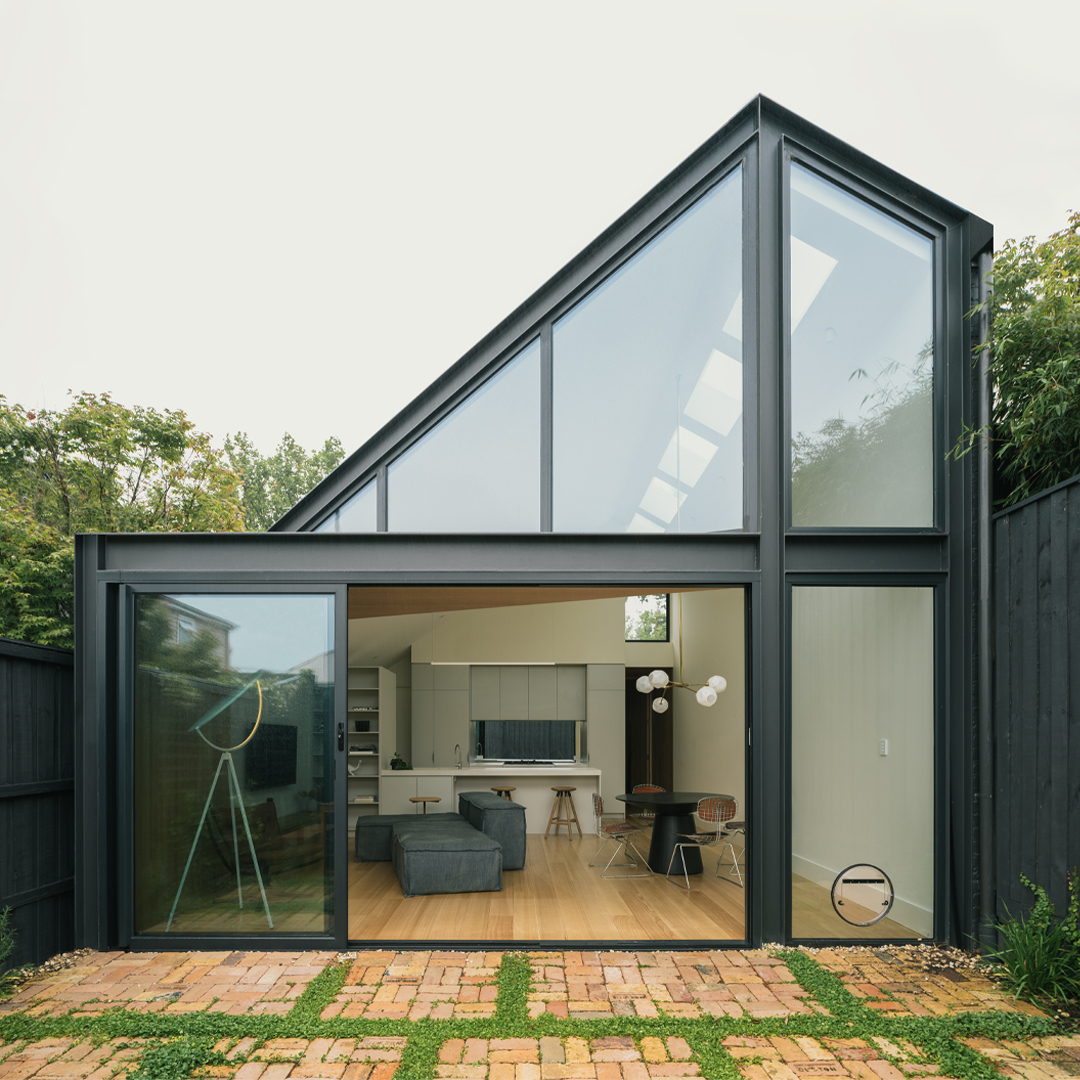
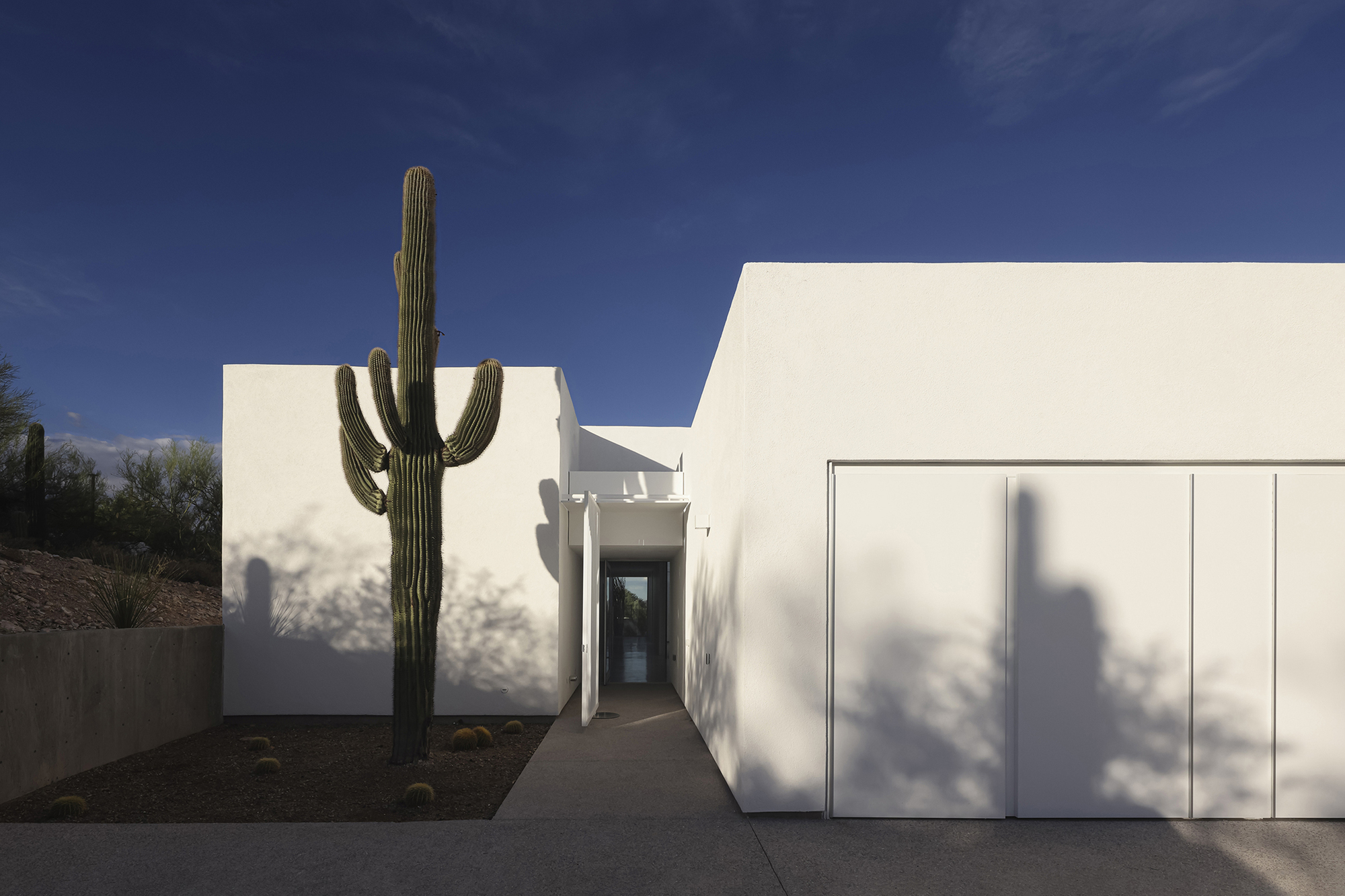
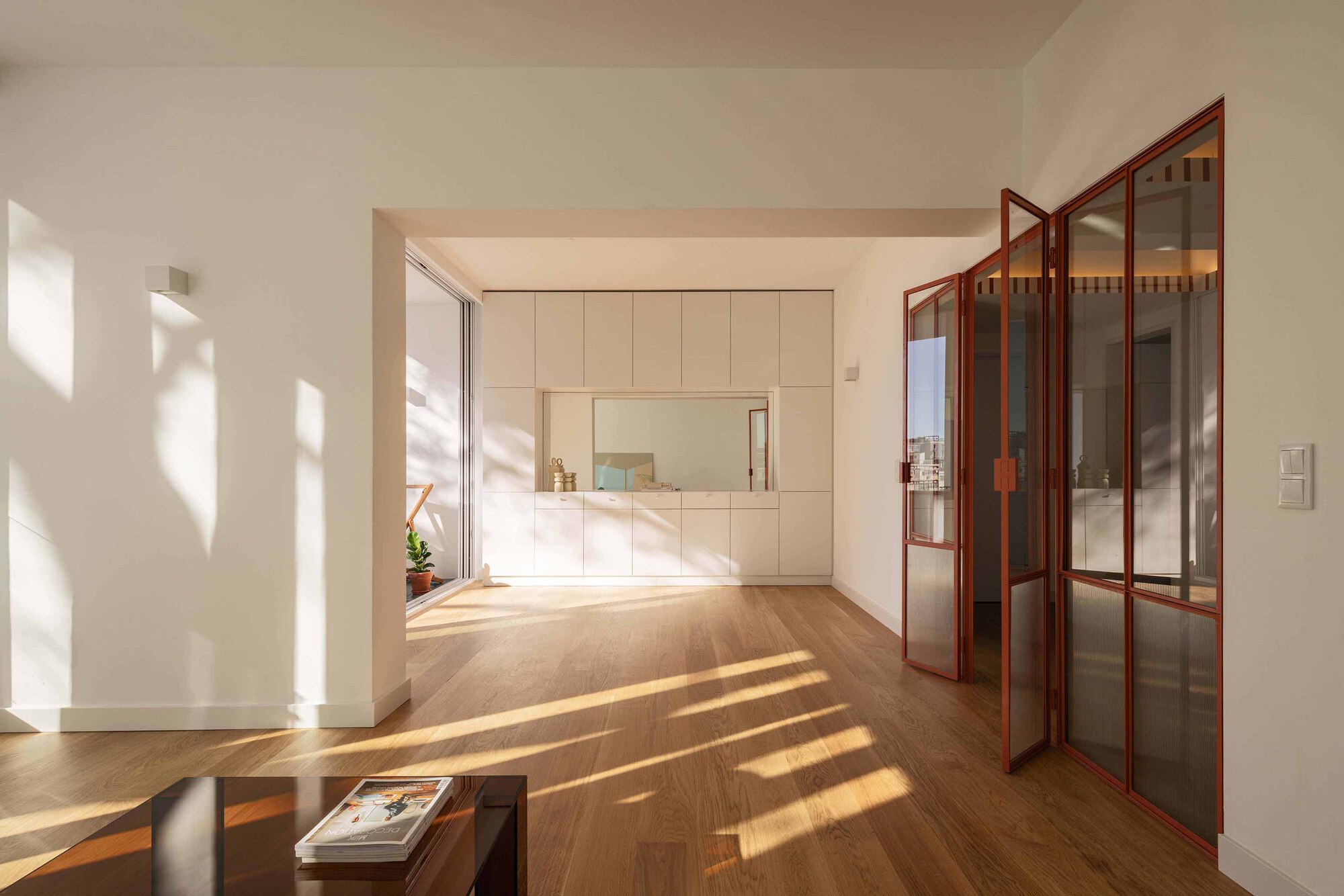
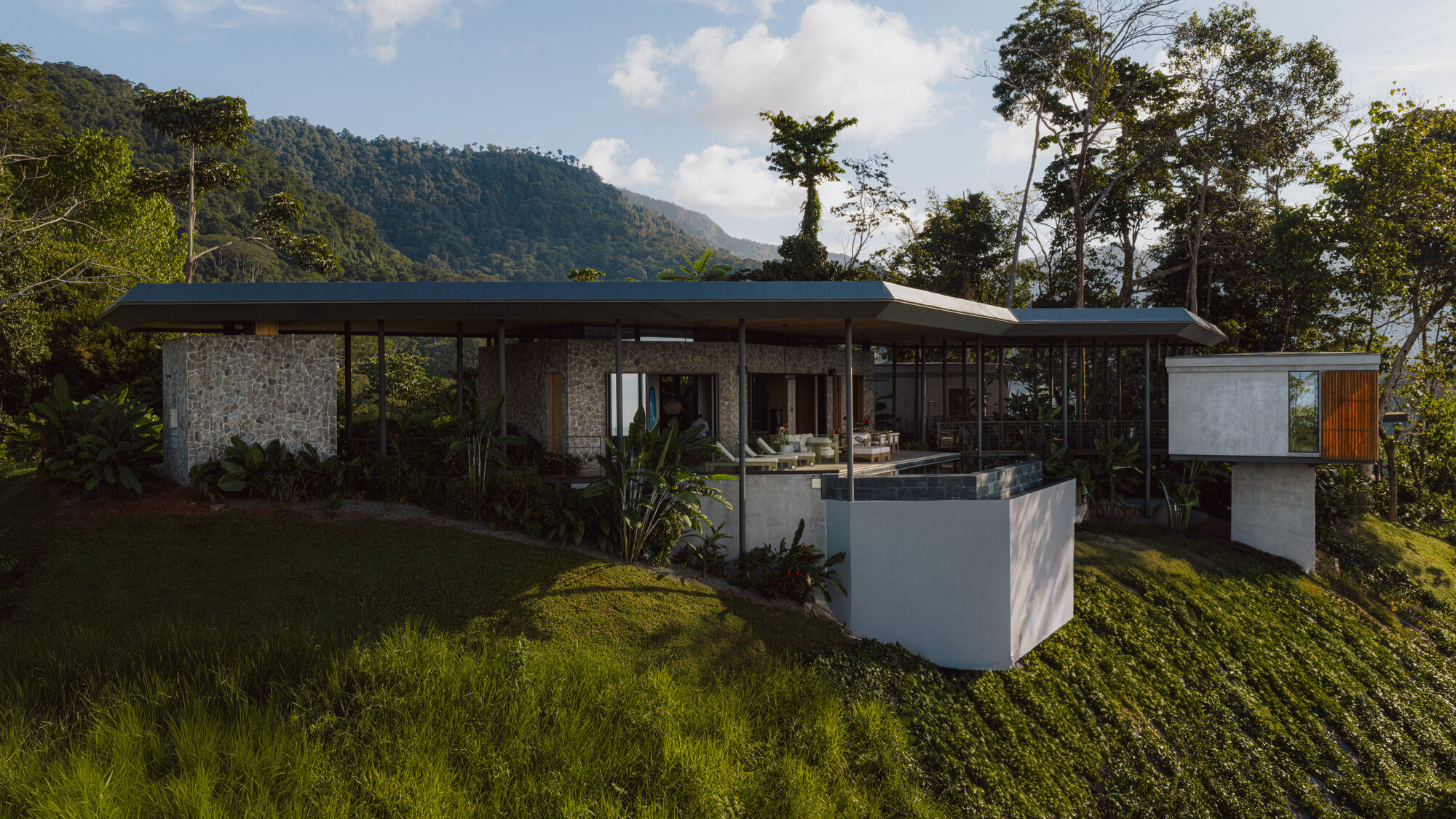
fromSan Jose Inside
2 days agoCounty and Partners Celebrate Completion of Unique Affordable Housing Project
"To address housing affordability in our community, we need all types of affordable housing options, including affordable ownership opportunities that allow individuals and families an opportunity to build equity alongside housing stability," said Santa Clara County Supervisor Betty Duong.
East Bay real estate
fromArchitectural Digest
2 weeks agoHome Design for a Longer Life: Can a House Really Promote Longevity?
When you design your home with intentionality, you are essentially 'hard-coding' healthy behaviors into your daily rhythm. Health outcomes are the result of thousands of micro-decisions—so in his own home, he prioritized spaces like the kitchen, whose open layout makes cooking a pleasure, and the gym, centrally located.
Wellness
fromArchDaily
3 weeks agoHow Architecture Is Learning to Generate Its Own Energy
Photovoltaic (PV) solar energy represents a modular technology that can be manufactured in large-scale facilities, generating economies of scale, while also being adaptable to small-scale applications. From residential rooftop systems to large-scale power generation installations, photovoltaic solar energy has established itself as a cost-effective option for electricity production in many countries around the world.
Environment
Design
fromYanko Design - Modern Industrial Design News
4 days agoBiomimetic Architecture Reaches New Heights With This Bird-of-Paradise Yoga Space - Yanko Design
Thilina Liyanage's architecture translates animal gestures into functional designs, exemplified by the Rifle Bird Yogashala inspired by the Victoria's riflebird's courtship display.
Design
fromdesignboom | architecture & design magazine
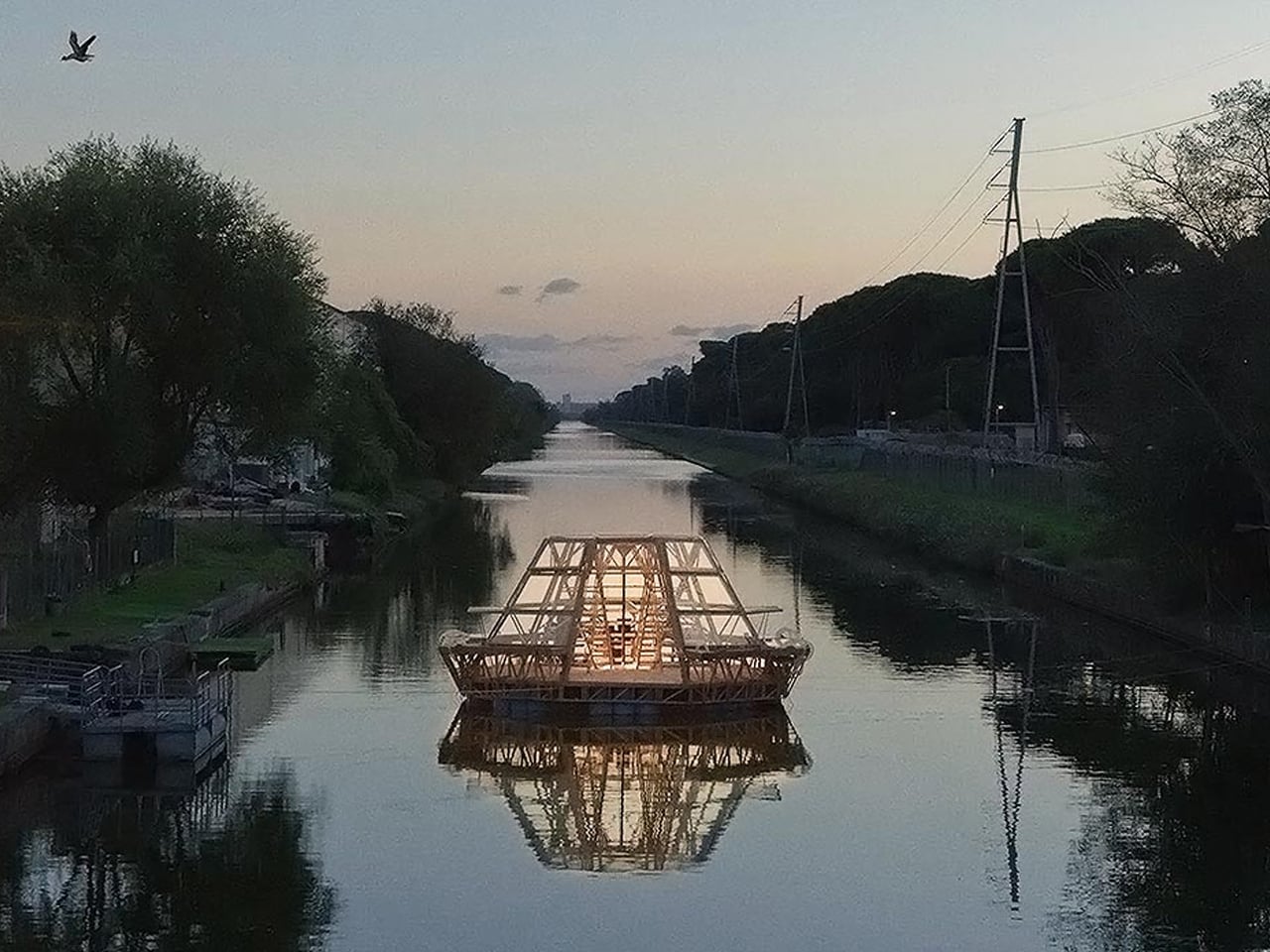
5 days agoartwork uses floating fabric corridor and bodily movement to visualize climate change
Ryo Yamada's Perception Corridor is an immersive installation in Edinburgh that explores perception and environmental awareness through a 40-meter fabric corridor.
#sustainable-architecture


Design
fromYanko Design - Modern Industrial Design News
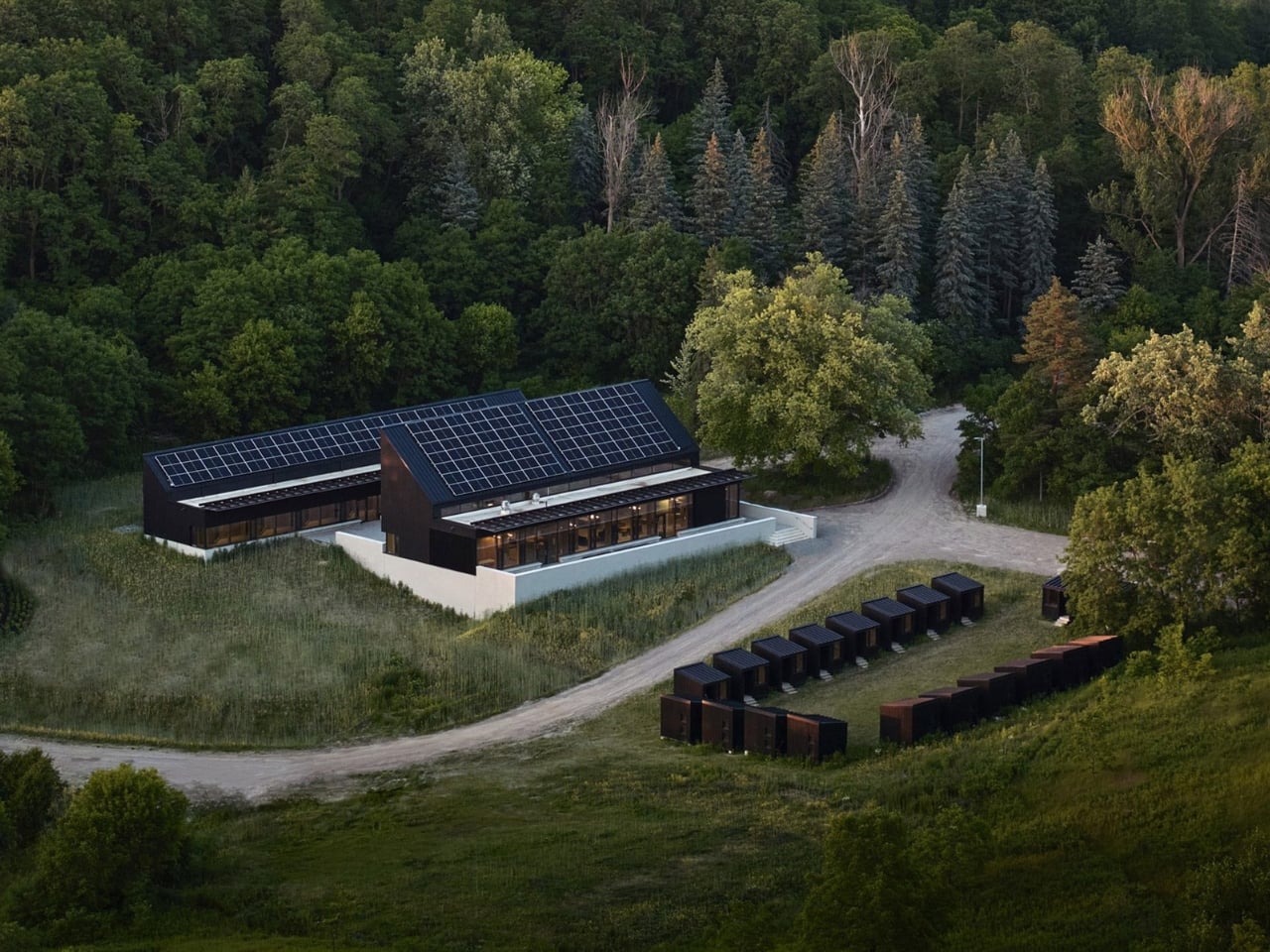
2 weeks agoA Net-Zero Research Building That Actually Respects Its Landscape - Yanko Design
University of Toronto's Koffler Scientific Reserve exemplifies intentional design where every architectural element serves both functional and aesthetic purposes, from solar-optimized shed roofs to climate-responsive shading.
Renovation
fromYanko Design - Modern Industrial Design News
2 weeks ago5 Greenhouse-Based Designs That Use 90% Less Water Than Yours - Yanko Design
Integrated greenhouse systems transform homes into self-sustaining structures that merge architecture with food production, reducing resource dependence and enhancing energy efficiency.
Environment
fromArchDaily
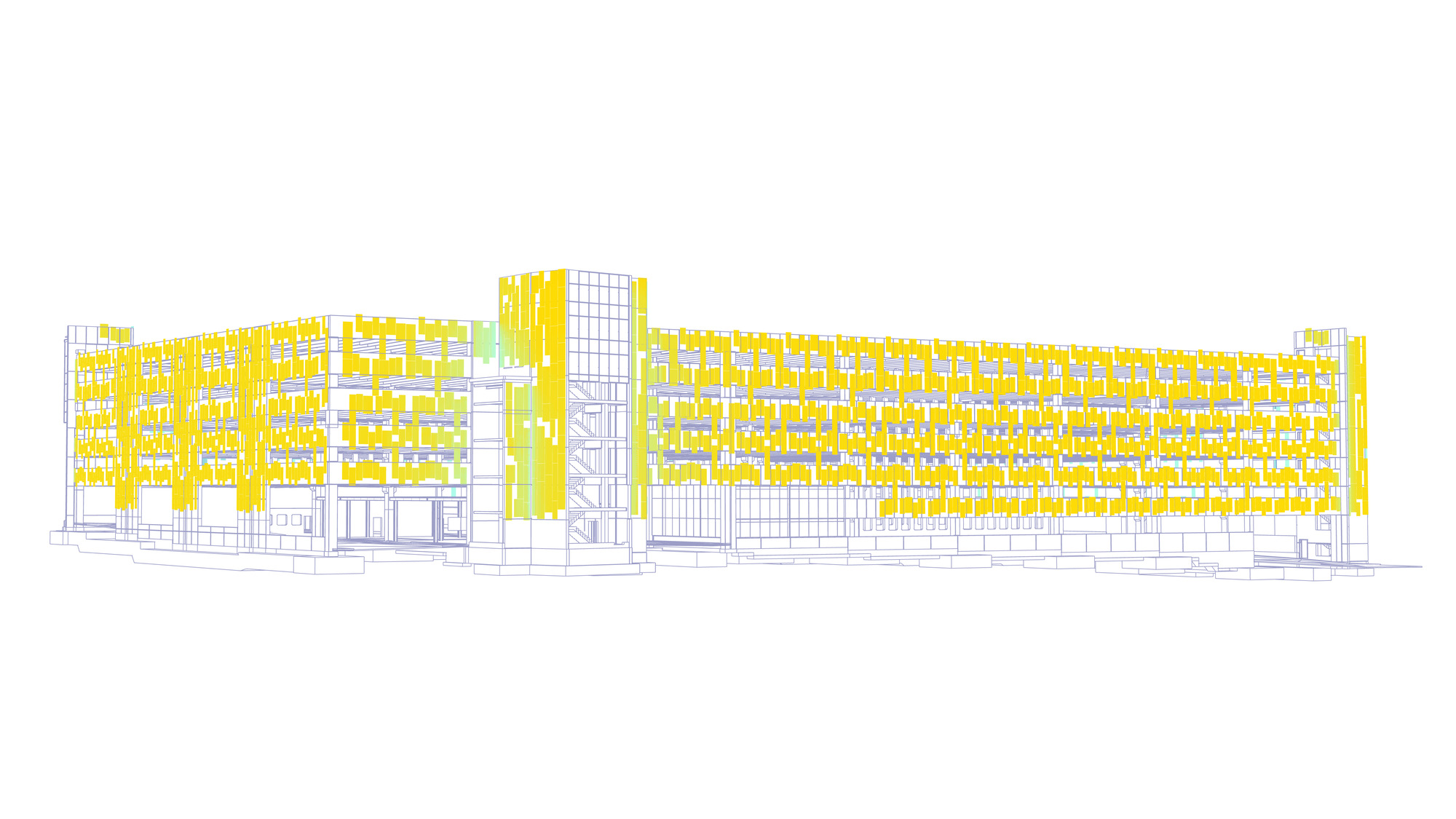
1 month agoCan Shading Become Energy? From Passive Facades to Productive Envelopes
Facades can generate significant renewable energy by integrating colored photovoltaic shutters that combine shading, daylight control, and electricity production without adding envelope complexity.
fromdesignboom | architecture & design magazine
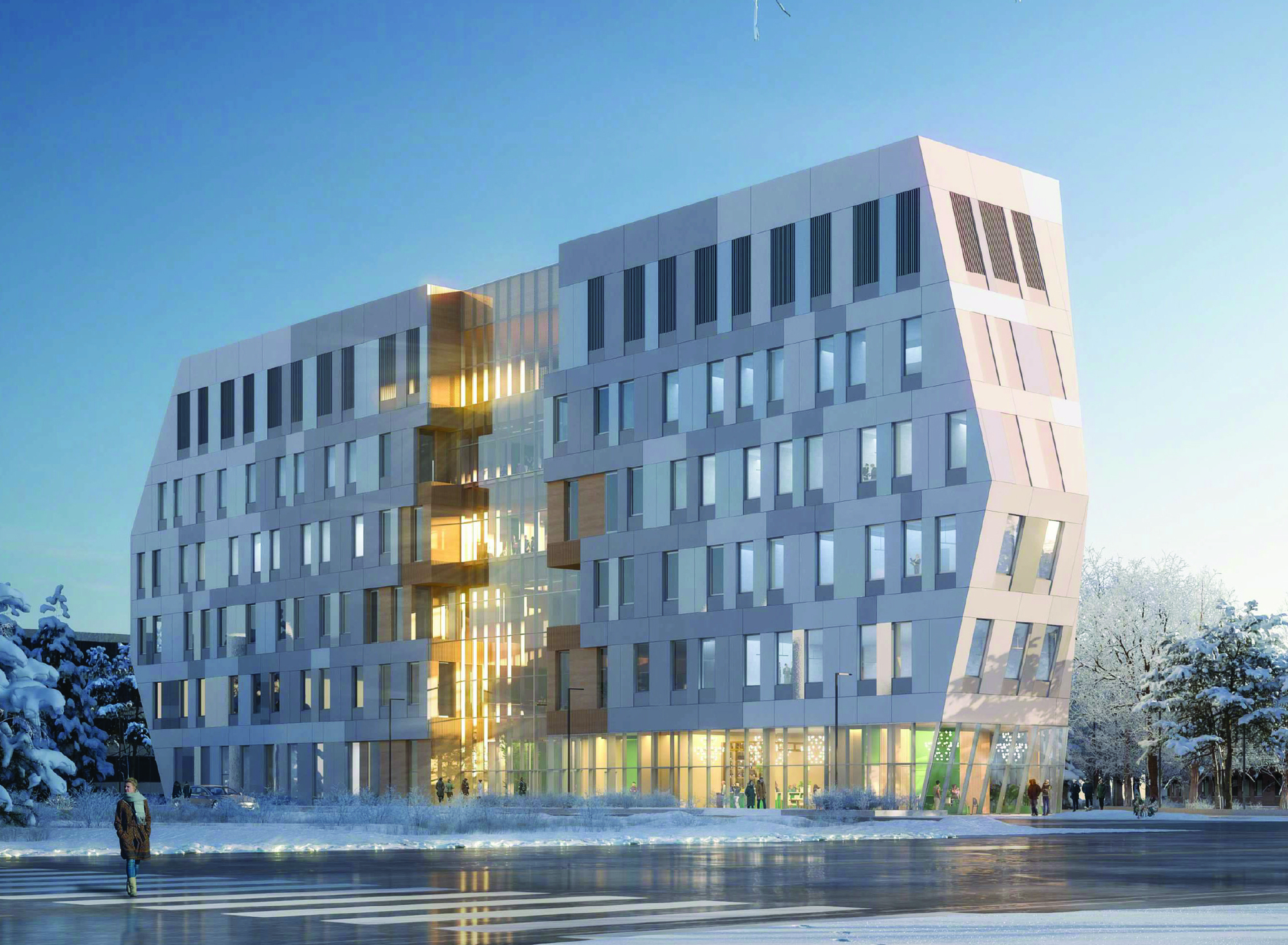
1 week agoproposal for net-zero landmark office in warsaw highlights adaptive use and ecological design
The project reimagines the structure through circular thinking, ecological strategies, and new construction technologies, embracing reuse as a model for sustainable urban development.
Renovation
fromArchDaily
1 week agoDesigning for Obsolescence in an Age of Perpetual Upgrades
In the nineteenth century, entire railway networks became obsolete almost overnight, not due to physical deterioration, but because of changes in the technical standards that supported them. The expansion of railroads across Europe and North America adopted different track gauges, and as a dominant standard gradually emerged, these infrastructures became incompatible with one another.
Renovation
Environment
fromwww.theguardian.com
1 month agoWe can learn from the old': how architects are returning to the earth to build homes for the future
Unstabilised rammed earth provides a low-carbon, locally sourced building method with thermal mass, moisture control and potential for circular construction.
Renovation
fromArchDaily
1 month agoUnderstanding U-Value: The Foundation of Energy-Efficient Envelopes
Building envelope thermal transmittance (U-value) is the fundamental metric determining energy efficiency, calculated by dividing heat flow by surface area and temperature difference to assess insulation performance.
fromArchDaily
1 month agoWhen Light Meets Energy in Glass Ceilings
From the large industrial roofs and galleries of the 19th century to the contemporary atriums of museums and public buildings, glass has been a recurring material in shaping large and monumental interior spaces. More than a technological or engineering solution, these horizontal glazed planes introduce a distinct luminous quality: light that comes from above. Unlike lateral daylight entering through façades, zenithal light is more evenly distributed, reduces harsh shadows, and lends spaces a sense of continuity and openness that is difficult to achieve otherwise.
Design
fromArchDaily
2 months agoSelf-Sufficient Facades: Where Solar Protection Meets Renewable Energy
Spaces of light and darkness are conceived to enhance circulation and spatial directionality, as well as to highlight the colors, textures, and forms of specific architectural elements. That said, the impact of natural light on building facades reveals the need to develop strategies that support energy savings, improve the thermal and visual comfort of interior spaces, and promote the reduction of carbon emissions.
Design
[ Load more ]