#transport-engineering
#transport-engineering
[ follow ]
#transportation #public-transport #sustainability #architecture #new-york-city #infrastructure #urban-planning
fromwww.amny.com
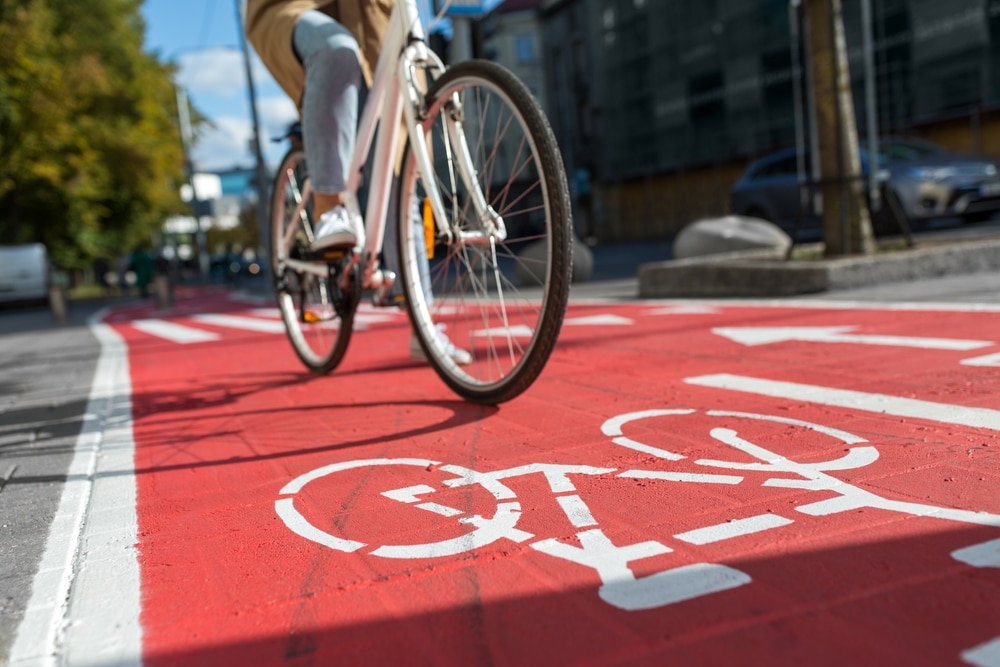
2 days agoAOC urges Hochul to scrap plan that would widen Cross Bronx Expressway | amNewYork
Ocasio-Cortez emphasized the need to protect the community, stating, 'On behalf of my constituents and nearly 64,000 local residents impacted by this project, I am requesting that your administration reject any plans to expand the Cross Bronx Expressway beyond its current footprint.'
NYC politics
Business intelligence
fromLondon Business News | Londonlovesbusiness.com
6 days agoWhy GIS matters in modern infrastructure and urban planning: Building smarter, future-ready cities - London Business News | Londonlovesbusiness.com
GIS is essential for effective urban planning, enabling data-driven decisions that enhance infrastructure and quality of life in rapidly growing cities.


fromFast Company
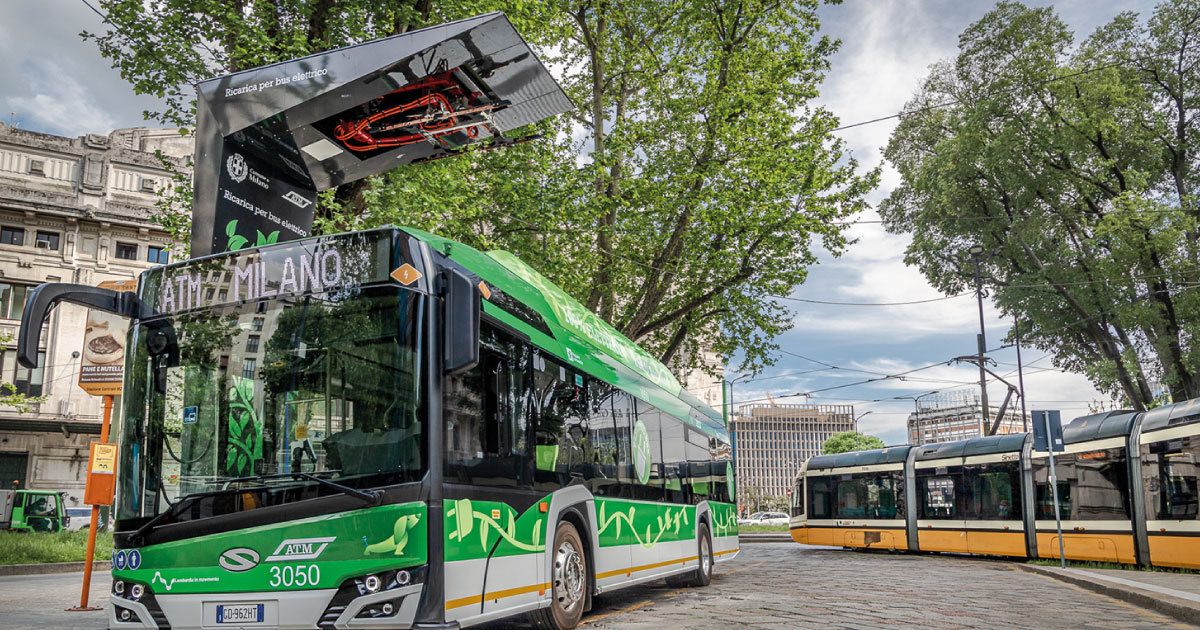
5 days agoHow Paris redesigned itself to be a city of bikes-not cars
"This project is symbolic of what we've done over the last 12 years, reshaping the streets and the city," Christophe Najovski, the city's deputy mayor in charge of green spaces, stated during the opening ceremony.
Paris food
fromStreetsblog New York City
2 days agoFriday's Headlines: Margin For Terror Edition - Streetsblog New York City
The first three months of 2026 were among the three safest first-three-month periods since records started being kept at the dawn of the Automobile Age, with only 42 fatalities from car crashes in New York City.
Alternative transportation

Artificial intelligence
fromArchDaily
1 month agoCompute Isn't Weightless: AI Infrastructure and the Architecture of the City
AI development is reshaping urban infrastructure and spatial planning in the Greater Bay Area through government-led initiatives that translate computational needs into physical zones, data centers, and specialized districts.
Europe news
fromenglish.elpais.com
1 month agoMohamed Mezghani, from the International Association of Public Transport: A traffic jam of electric cars is still a traffic jam'
European public transportation is recovering post-pandemic with increased ridership, but faces funding challenges requiring strategic investment and targeted fare policies to sustain growth.
Alternative transportation
fromSustainable Bus
4 days agoNew certified Ultrafabrics collections target durability and compliance in passenger transport interiors - Sustainable Bus
Ultrafabrics launches new certified collections for passenger transport, combining durability, aesthetics, and sustainability in high-performance upholstery fabrics.
Alternative transportation
fromSustainable Bus
6 days agoZero-emission buses move beyond cities: intercity transition in Sustainable Bus' session at BUS2BUS - Sustainable Bus
Electrification of intercity and coach segments in Europe is advancing, requiring new infrastructure and operational strategies for zero-emission mobility.
Alternative transportation
fromSustainable Bus
1 week agoWhy MENA region matters for public transport: UITP's Hashem Alhendawi highlights strategic, financial and mindset shifts - Sustainable Bus
The UITP Global Public Transport Summit 2026 in Dubai was canceled, but international dialogue in public transport will continue through ongoing collaboration and partnerships.
fromSustainable Bus
2 months agoAutonomous Systems: depot-first autonomy for smartbuses
For more than a decade, autonomous buses have been "almost ready." Demonstrations with safety drivers began around 2015, and ten years later, this is still largely what we see. The reason is not a lack of ambition - it is physics, safety, and economics. Autonomous buses on city streets are inherently difficult. They carry dozens of passengers, operate as heavy vehicles, and move through a chaotic urban environment.
Business
US politics
fromStreetsblog
2 months agoOpinion: Transportation Researchers Still Care About Equity. This Week They're Proving It - Streetsblog USA
A unified convening champions transportation equity as federal programs, oversight, and policies are cut, disrupted, and repurposed in ways that deepen existing injustices.
Alternative transportation
fromStreetsblog
2 weeks agoWhy Some Congresspeople Want to Go Big on Greenways - Streetsblog USA
The Parks to People Act proposes $300 million in federal funding for walking and biking infrastructure as essential transportation tools, despite political opposition dismissing them as distractions.
fromwww.cbc.ca
2 months agoNo single magic bullet' will fix Toronto's gridlock, new congestion officer says | CBC News
There's no one solution to fix the city's gridlock, Toronto's new chief congestion officer says as he finishes up his first week on the job. Andrew Posluns sat down with CBC Toronto on Friday to discuss the freshly created role, noting there's no magic bullet that will address the city's congestion. There are a lot of factors that feed into congestion, he said. We need to do everything we can in order to be able to mitigate and address the congestion challenges that arise.
Canada news
fromSustainable Bus
1 month agoEvolution: the practical path to autonomous buses - Sustainable Bus
It's tempting to frame autonomous driving as a single leap. In public transport, adoption tends to be incremental - because the system is built for reliability, and new capabilities have to fit into daily operations without disrupting service. That is why a practical strategy is evolution, not revolution: introduce autonomy in a defined domain, learn safely in real operations, and expand capability step-by-step.
Artificial intelligence
fromArchDaily
3 weeks agoMobility Justice: Urban Equity in an Era of Innovation
Every city contains two transportation systems. One is the visible network of roads, rail lines, sidewalks, and bus routes mapped in planning documents. The other is the invisible geography of privilege and exclusion embedded within it: the neighborhoods that received highways instead of parks, the communities whose bus routes were cut, the sidewalks that abruptly end at the edge of a district.
Alternative transportation
Artificial intelligence
fromeLearning Industry
2 months agoArtificial Intelligence In Transportation Training And Education
AI enables individualized transportation training by evaluating trainee performance, tailoring instruction, simulating real scenarios, and measuring performance for targeted improvement.
fromArchDaily
1 month agoHealth, Habitat, and Civic Infrastructure: Designing the City as a National Park
Cities around the world share a common goal: to become healthier and greener, supported by civic infrastructure that restores ecosystems and strengthens public life. The question is how to reach this. Global climate targets, local building codes, and municipal standards increasingly guide designers and planners toward better choices. Still, many cities struggle to translate these frameworks into everyday, street-level comfort and long-term ecological protection.
Environment
Environment
fromStreetsblog
2 months agoFive 'Supercool' Transportation Founders to Watch in 2026 - Streetsblog USA
Transportation start-ups accelerate decarbonization by deploying low-emission mobility options, optimizing vehicle systems, and leveraging market momentum to scale solutions ahead of 2026 policy changes.
fromBusiness Matters
1 month agoThe impact of road signs on economic development
When routes are well organized, there are clear directional signs, and speed limits become reasonable. The early installation of warning signs allows transport companies to plan deliveries more accurately and avoid delays. For businesses, time is money. When a truck carrying goods does not spend hours detouring due to an unclear traffic scheme or stuck in traffic where it could have been avoided thanks to competent traffic management, fuel costs, driver wages, and vehicle maintenance costs are reduced.
Alternative transportation
Alternative transportation
fromFast Company
1 month agoThe 'time is money' mantra is a terrible starting point for planning and designing infrastructure
Using productivity and time-as-money frameworks to justify transportation planning decisions is economically flawed and oversimplifies the complex nature of traffic congestion and urban mobility.
[ Load more ]