#transportation-data
#transportation-data
[ follow ]
#transportation #new-york-city #data-centers #autonomous-vehicles #sustainability #electric-vehicles
fromwww.theguardian.com
1 hour agoHow Paris swapped cars for bikes and transformed its streets
Corentin Roudaut, who once felt overwhelmed by Paris's traffic, found renewed confidence in cycling after the establishment of a segregated bike lane on Boulevard Voltaire. He now actively participates in promoting cycling in the city, witnessing a remarkable transformation in urban mobility and safety over the last decade.
Paris food





fromwww.theguardian.com
2 days agoWhy reducing air pollution deaths isn't just about reducing air pollution
Air pollution is the second-largest risk factor for early death globally. Traditionally, our response has focused on reducing the levels of pollution people breathe, but this is only part of the story.
Public health
fromFast Company
3 days agoSee it: Air temperatures and pollution around the world are captured in real time in these animated weather maps
We created Earth in Action to provide a lens into what's happening on our planet, as it happens. Whether it's something typical, like the current air temperature, or an extreme event like a major dust storm, we wanted to provide an opportunity for people to see them.
OMG science
fromComputerWeekly.com
2 days agoNorth America drives video telematics market to 22 million units by 2030 | Computer Weekly
The integration of cameras to enable various video-based services in commercial vehicle environments has become one of the strongest trends over recent years, in a fleet video telematics sector that is set to grow by 16% globally to 2020.
European startups
#urban-development
Business intelligence
fromLondon Business News | Londonlovesbusiness.com
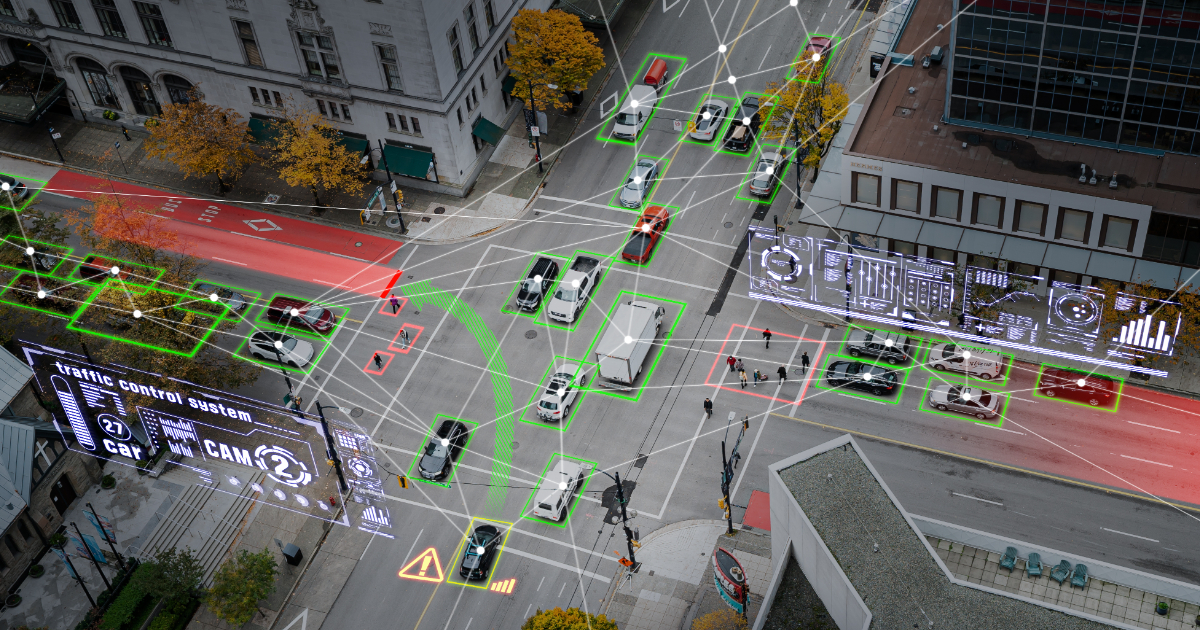
5 days agoWhy GIS matters in modern infrastructure and urban planning: Building smarter, future-ready cities - London Business News | Londonlovesbusiness.com
GIS is essential for effective urban planning, enabling data-driven decisions that enhance infrastructure and quality of life in rapidly growing cities.
Business intelligence
fromLondon Business News | Londonlovesbusiness.com
5 days agoWhy GIS matters in modern infrastructure and urban planning: Building smarter, future-ready cities - London Business News | Londonlovesbusiness.com
GIS is essential for effective urban planning, enabling data-driven decisions that enhance infrastructure and quality of life in rapidly growing cities.

fromFast Company
5 days agoHow Paris redesigned itself to be a city of bikes-not cars
"This project is symbolic of what we've done over the last 12 years, reshaping the streets and the city," Christophe Najovski, the city's deputy mayor in charge of green spaces, stated during the opening ceremony.
Paris food


fromStreetsblog New York City
2 days agoFriday's Headlines: Margin For Terror Edition - Streetsblog New York City
The first three months of 2026 were among the three safest first-three-month periods since records started being kept at the dawn of the Automobile Age, with only 42 fatalities from car crashes in New York City.
Alternative transportation
Environment
fromFortune
3 days agoData centers are so hot, their 'heat island' effect is raising temperatures up to 6 miles away and impacting 343 million people worldwide, study finds | Fortune
AI infrastructure is creating a 'data heat island effect' that raises local temperatures and impacts millions of people.
fromTravel + Leisure
1 day agoAmerica's Fastest Trains Are Here-but Rail Experts Say High-speed Travel Is Still Years Away
True high-speed rail in the U.S. is still years away despite recent advancements and public support. Rail experts emphasize that actual high-speed rail requires dedicated infrastructure and faster trains, similar to systems in Europe and Asia.
Alternative transportation
Gadgets
fromComputerWeekly.com
1 month agoConnectivity, AI drive fleet safety, productivity and decision-making | Computer Weekly
AI, connected data, and safety-focused services are transforming fleet operations, with GPS tracking adoption at record highs and AI delivering measurable safety improvements and cost reductions.
Artificial intelligence
fromArchDaily
1 month agoCompute Isn't Weightless: AI Infrastructure and the Architecture of the City
AI development is reshaping urban infrastructure and spatial planning in the Greater Bay Area through government-led initiatives that translate computational needs into physical zones, data centers, and specialized districts.
Alternative transportation
fromSustainable Bus
4 days agoNew certified Ultrafabrics collections target durability and compliance in passenger transport interiors - Sustainable Bus
Ultrafabrics launches new certified collections for passenger transport, combining durability, aesthetics, and sustainability in high-performance upholstery fabrics.
Alternative transportation
fromSustainable Bus
5 days agoZero-emission buses move beyond cities: intercity transition in Sustainable Bus' session at BUS2BUS - Sustainable Bus
Electrification of intercity and coach segments in Europe is advancing, requiring new infrastructure and operational strategies for zero-emission mobility.
Alternative transportation
fromNature
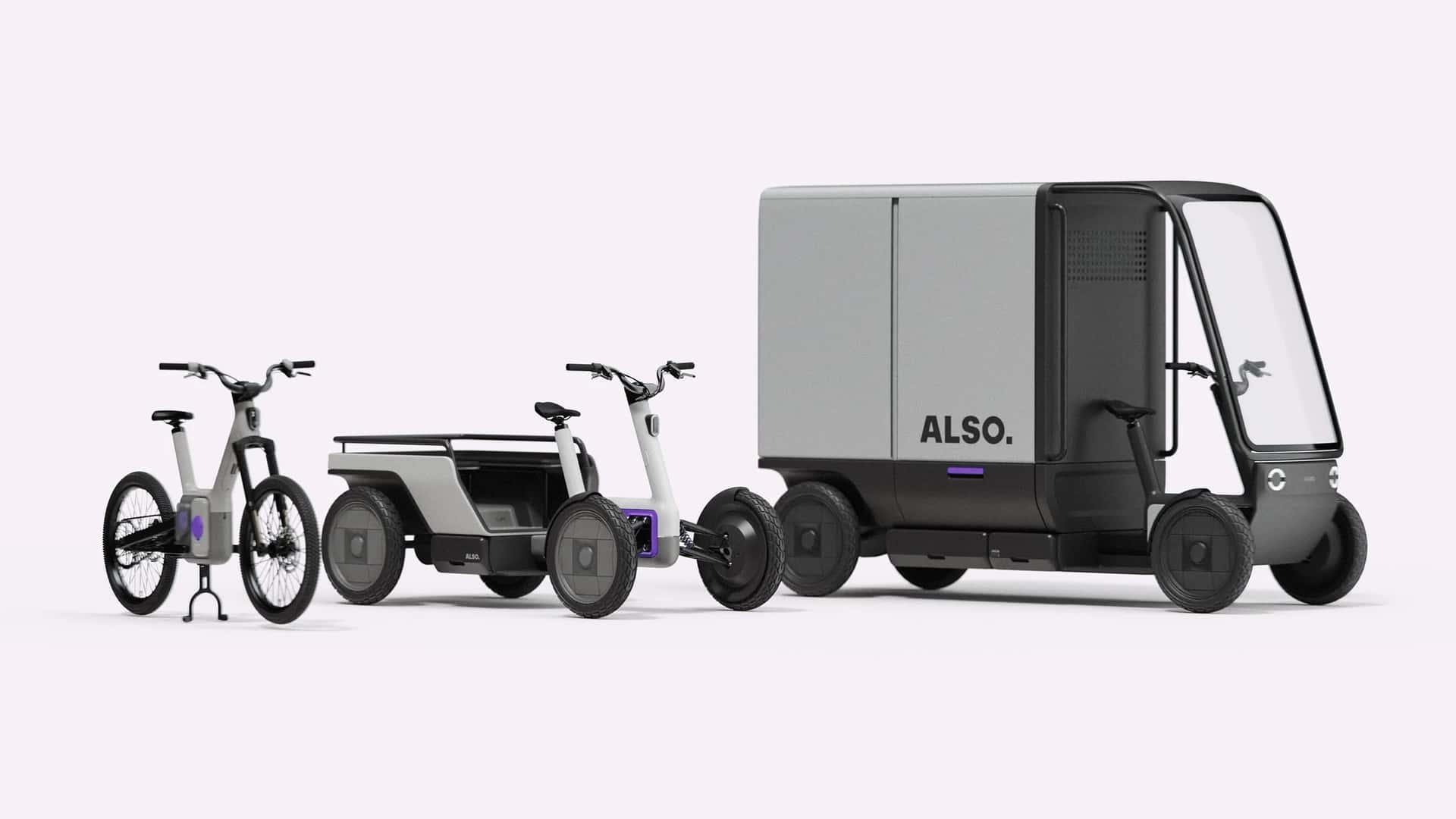
2 weeks agoAffordable mobility for all: why we need smaller, cheaper electric vehicles
Low-speed electric vehicles offer affordable, practical decarbonization for underserved populations but remain overlooked due to bias toward expensive, high-tech solutions and nationalist trade policies.
fromStreetsblog
2 weeks agoWhat If The Rising Costs of Car Dependency Were As Visible As Gas Prices? - Streetsblog USA
Because so many American cities are so heavily car-dependent, most U.S. residents have no choice but to pony up the cash and drive anyway. Indeed, even when gas prices climbed above $5 a gallon in 2022, driving did not plummet; a Time magazine analysis at the time found that 'the only time that fuel consumption really took a hit in the last 23 years was during the pandemic.'
Alternative transportation
fromArchDaily
3 weeks agoMobility Justice: Urban Equity in an Era of Innovation
Every city contains two transportation systems. One is the visible network of roads, rail lines, sidewalks, and bus routes mapped in planning documents. The other is the invisible geography of privilege and exclusion embedded within it: the neighborhoods that received highways instead of parks, the communities whose bus routes were cut, the sidewalks that abruptly end at the edge of a district.
Alternative transportation
Artificial intelligence
fromeLearning Industry
2 months agoArtificial Intelligence In Transportation Training And Education
AI enables individualized transportation training by evaluating trainee performance, tailoring instruction, simulating real scenarios, and measuring performance for targeted improvement.
fromSustainable Bus
1 month agoEvolution: the practical path to autonomous buses - Sustainable Bus
It's tempting to frame autonomous driving as a single leap. In public transport, adoption tends to be incremental - because the system is built for reliability, and new capabilities have to fit into daily operations without disrupting service. That is why a practical strategy is evolution, not revolution: introduce autonomy in a defined domain, learn safely in real operations, and expand capability step-by-step.
Artificial intelligence
[ Load more ]