#triple-camera-periscope
#triple-camera-periscope
[ follow ]
#smartphones #smartphone #camera-technology #oppo #samsung #camera #find-x9-ultra #technology #apple
#apple
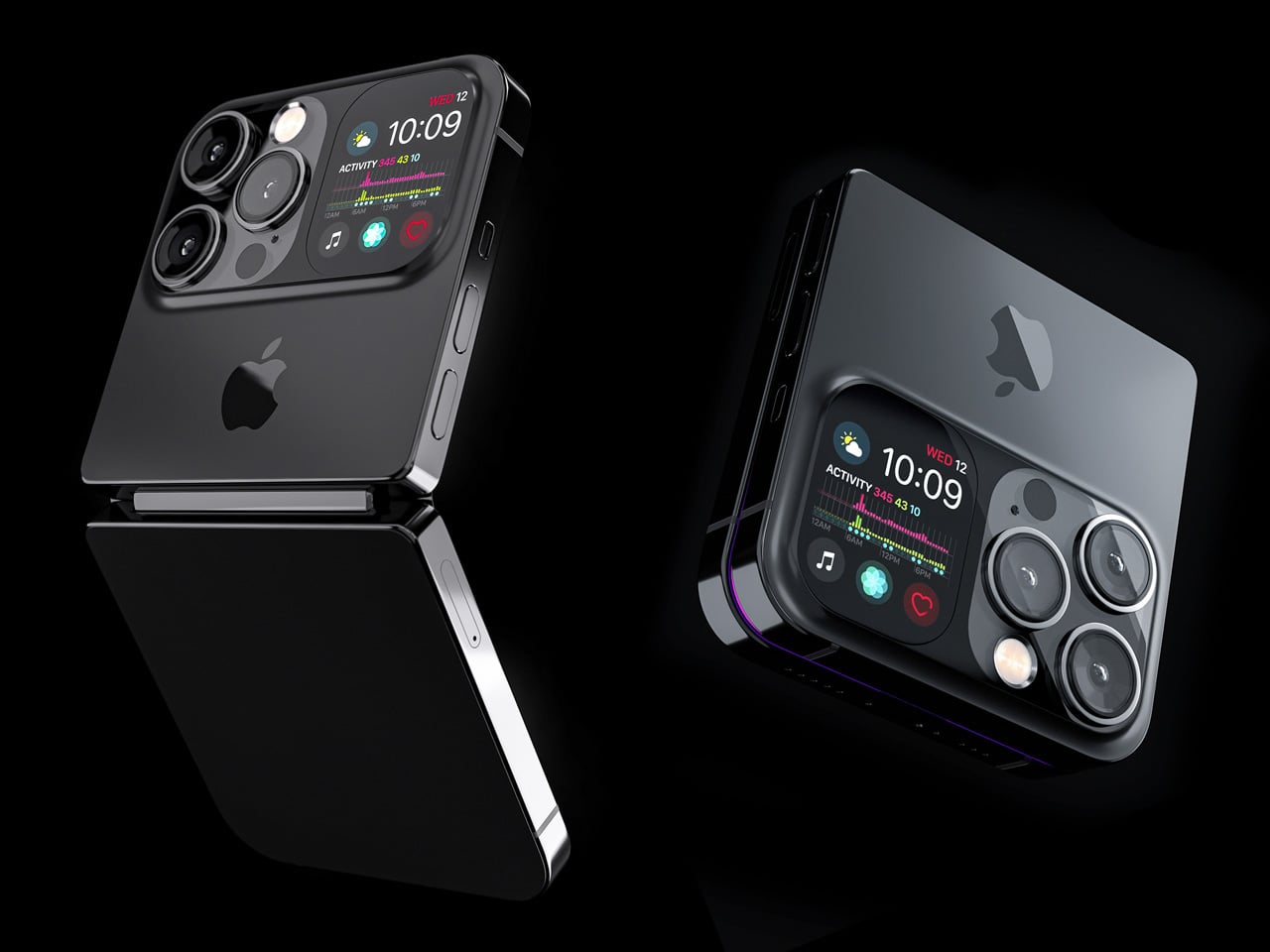
Apple
fromYanko Design - Modern Industrial Design News
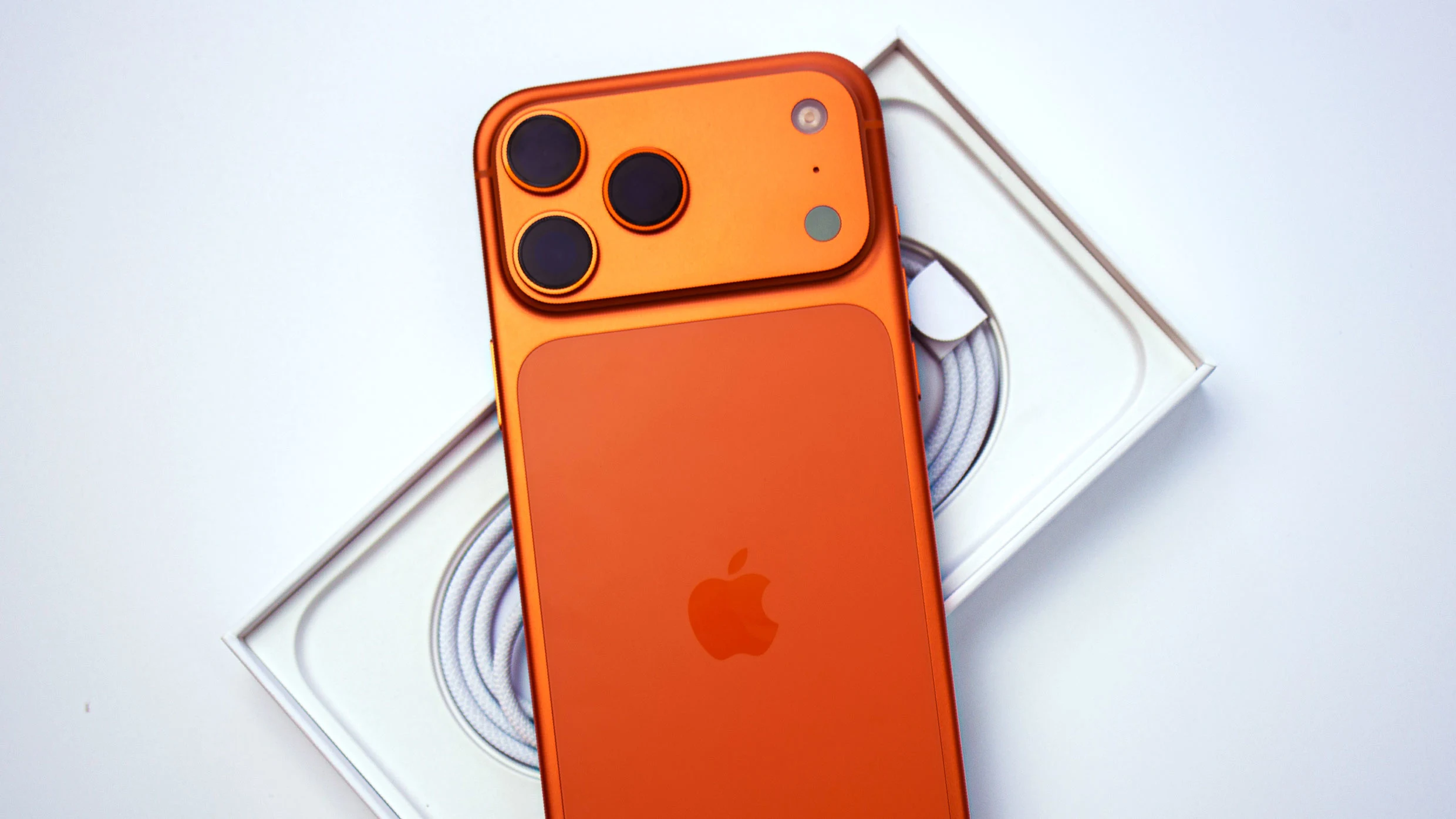
3 days agoApple Turns 50, and Its Most Ambitious Phone Hasn't Even Launched Yet - 5 iPhone Fold Concepts - Yanko Design
Apple's 50th anniversary in 2026 will feature the transformative iPhone Fold, a foldable device with advanced technology and innovative design.

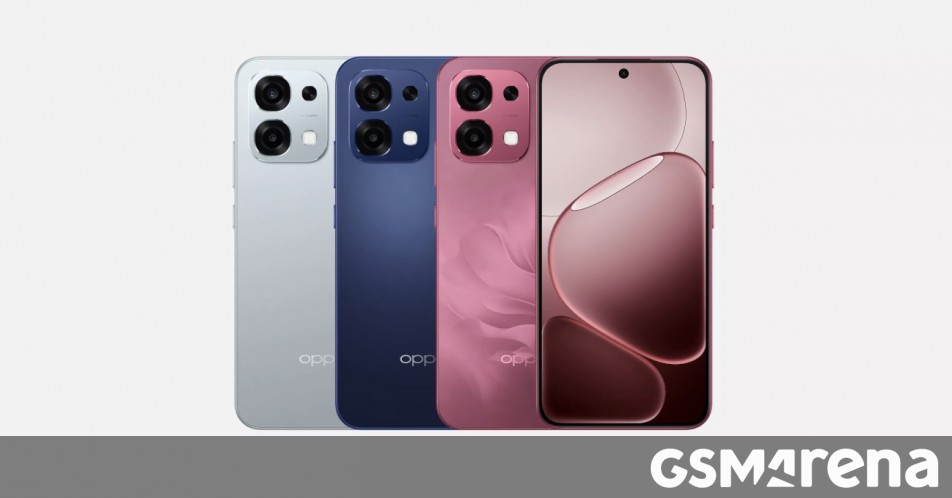
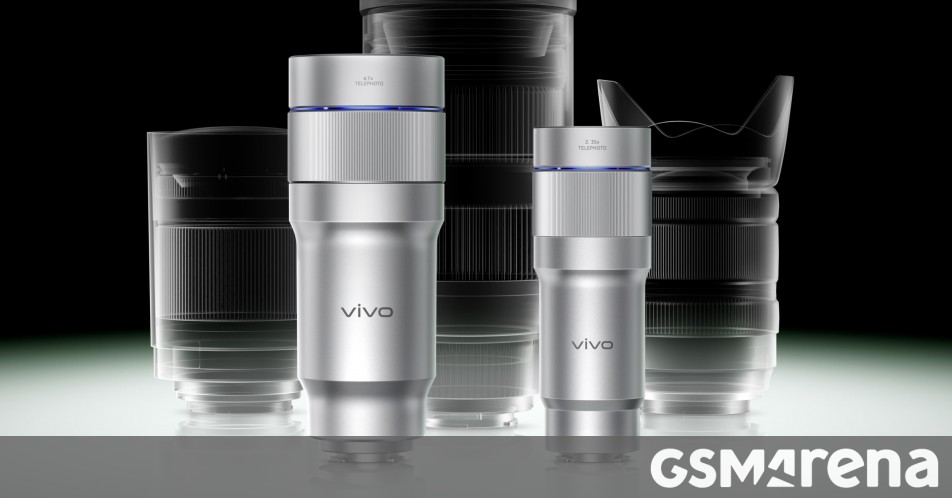
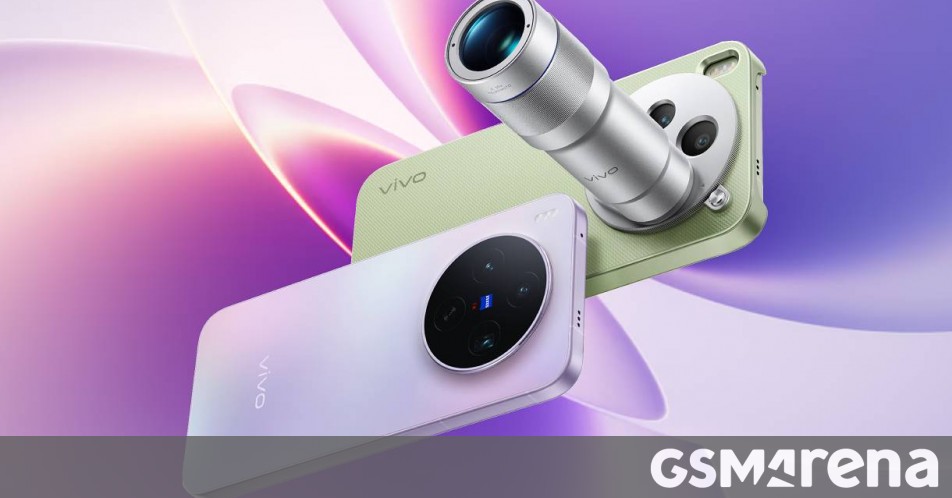


fromGSMArena.com
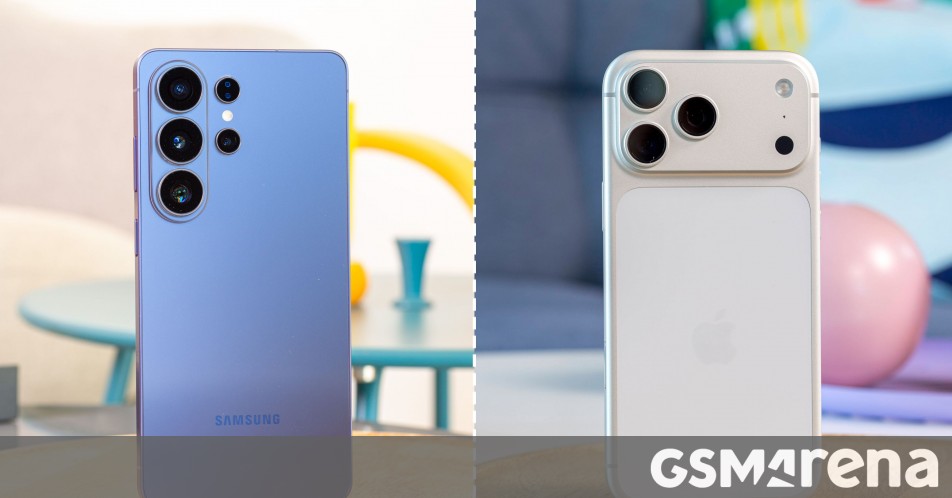
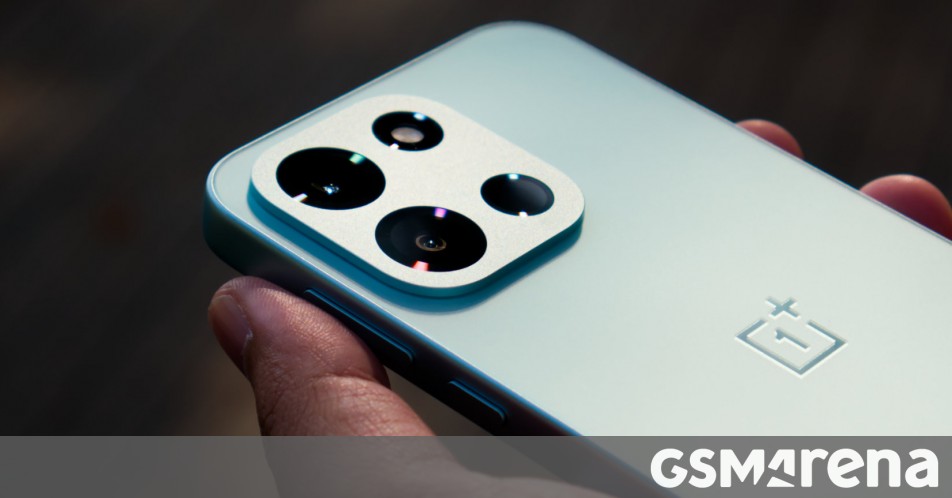
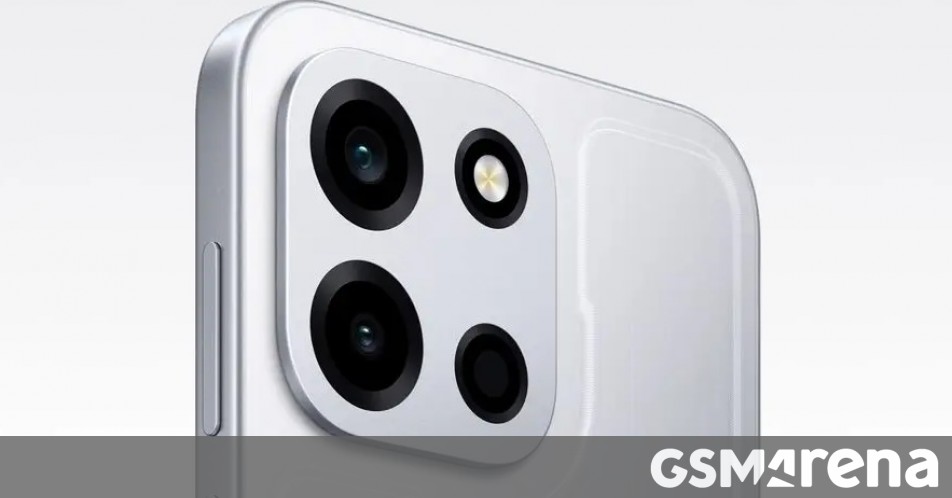
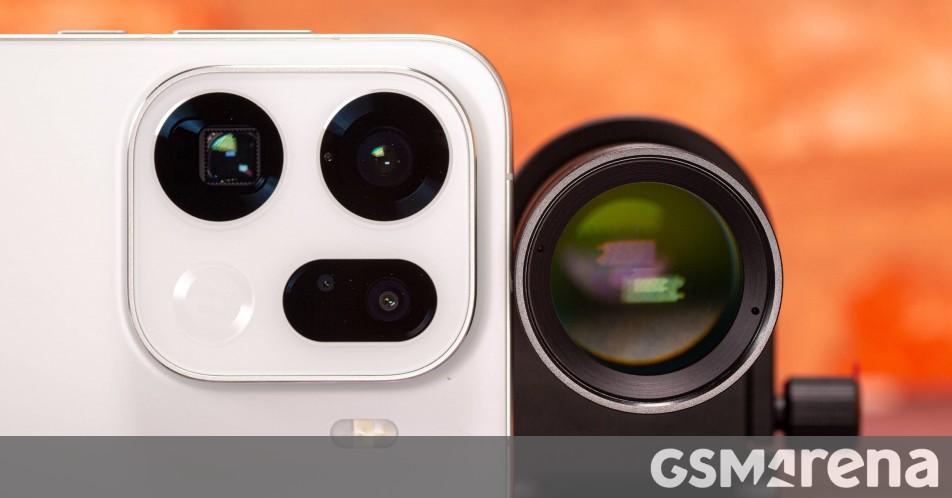
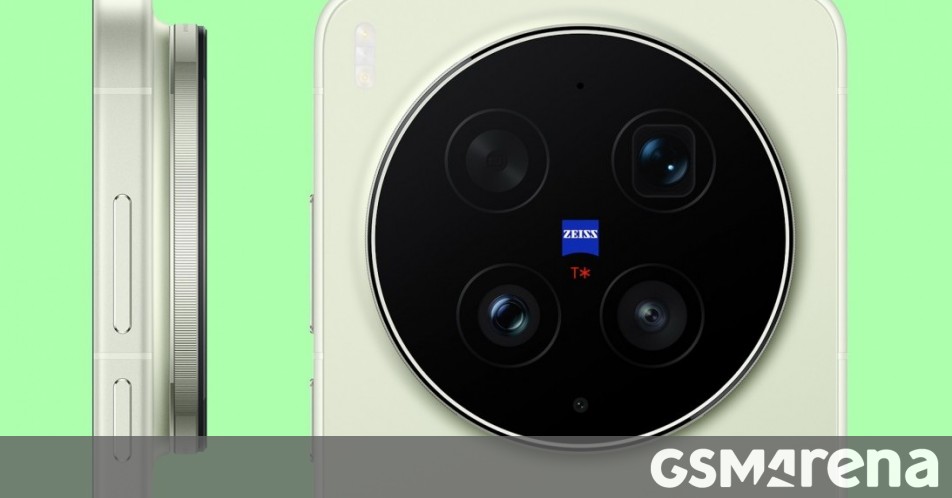
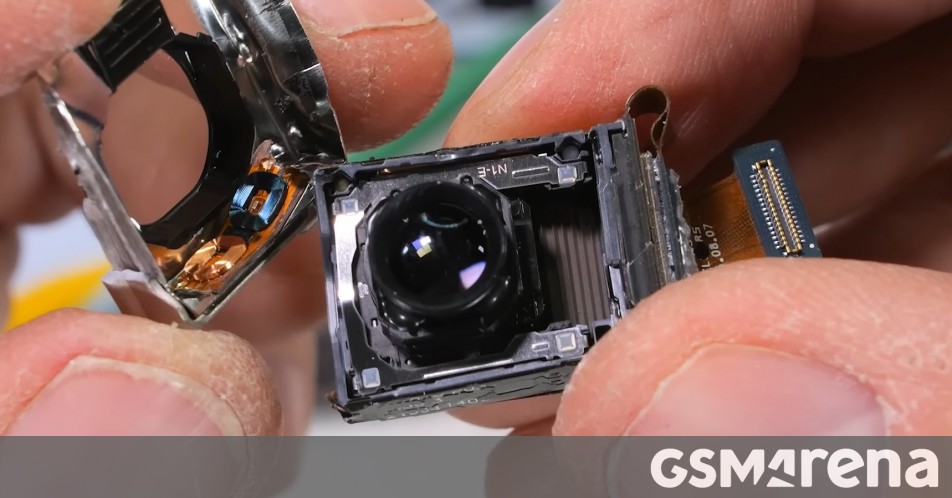
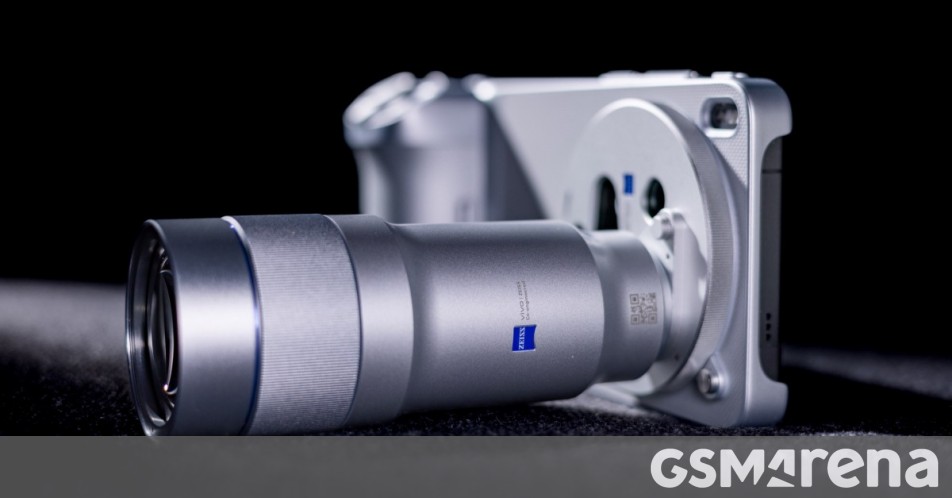
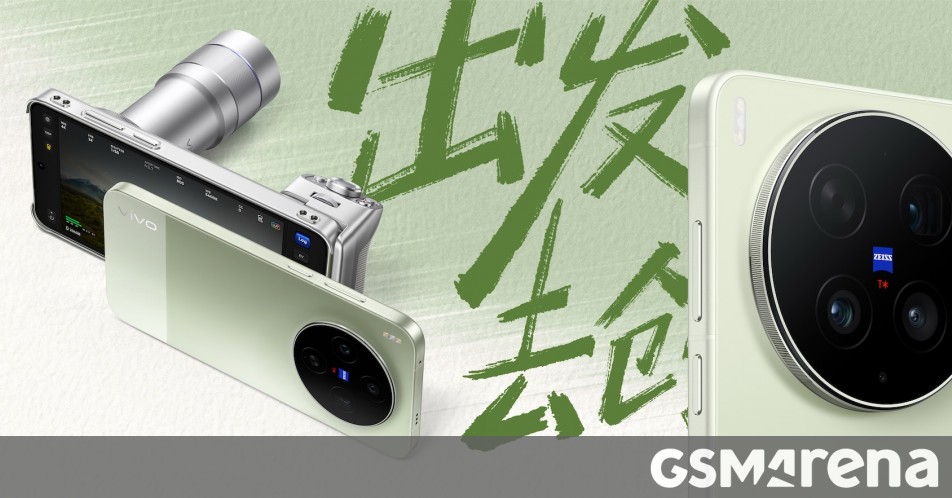
4 weeks agoThe Galaxy S26 Ultra doesn't have a periscope - here's why that matters
The S25 Ultra has a periscope lens, which uses a prism to bend the light 90°. This is pretty common especially at a focal length in this range (111mm). However, the new S26 Ultra uses a traditional lens design, the kind where the lens elements and the sensor are parallel with the phone.
Photography
Privacy technologies
fromIT Pro
1 month agoSamsung's Galaxy S26 Ultra is a big AI-powered video powerhouse - and the world's first anti-shoulder surfing smartphone
Samsung Galaxy S26 introduces Privacy Display, a pixel-level anti-shoulder surfing technology that obscures the screen from side and above viewing angles to protect user privacy.
Gadgets
fromEngadget
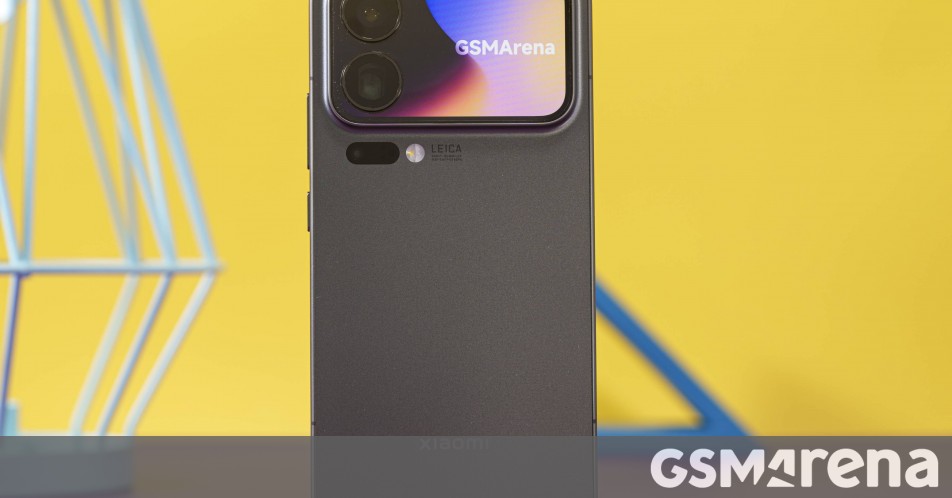
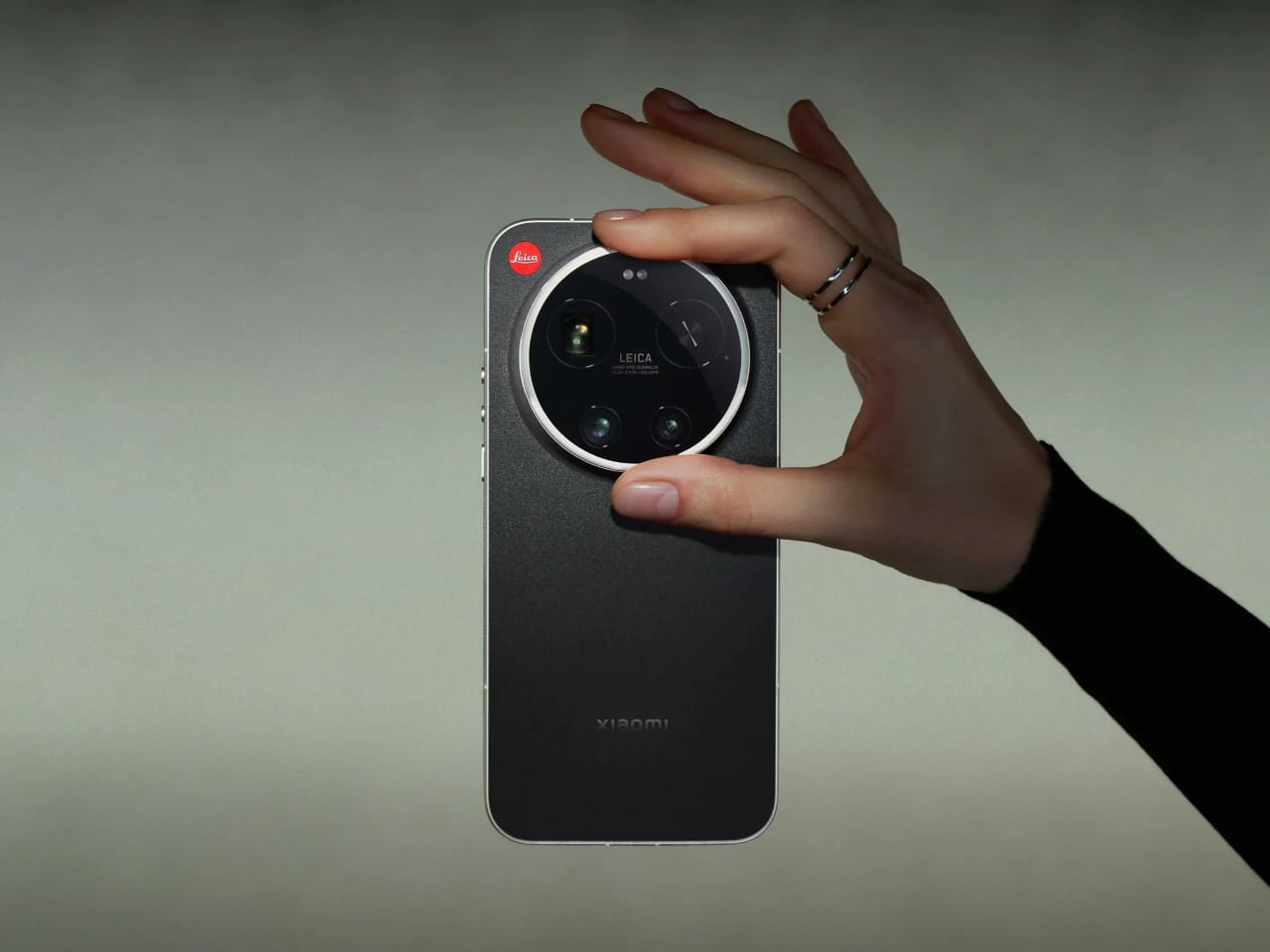
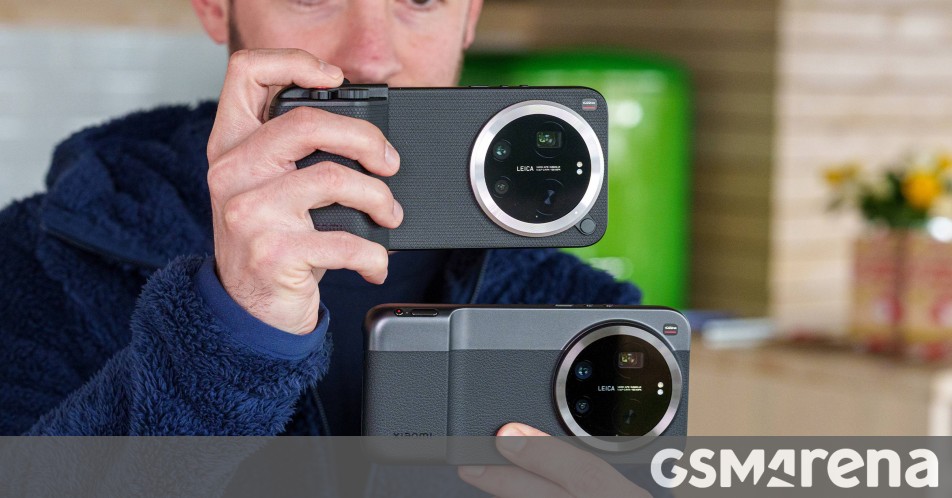
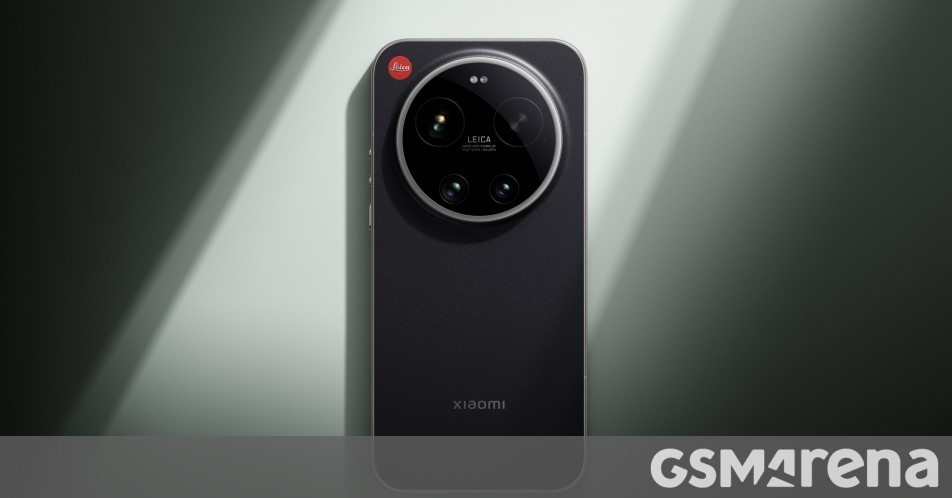
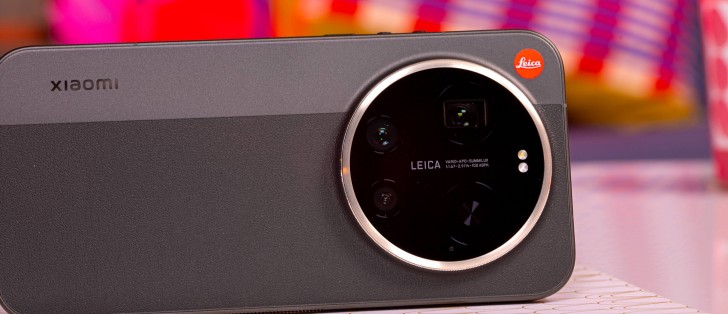
1 month agoLeica's Leitzphone by Xiaomi has a huge 1-inch camera sensor and a stylish new design
Xiaomi and Leica unveiled the Leitzphone, a deeper collaboration featuring a 1-inch camera sensor, Leica-designed interface, customizable camera ring, and single-tone design sold directly by Leica.
fromThe Verge
2 months agoThe telephoto is the only phone camera that really matters
Samsung's Galaxy S20 Ultra wasn't the first phone to feature a periscopic telephoto lens - both Huawei and Oppo beat the Korean company to it - but it was the first in the US to make such a big deal about it. Almost all of Samsung's marketing for the S20 Ultra centered on its so-called Space Zoom, its 5x optical folded periscope lens, capable of digitally zooming much further.
Gadgets
fromGSMArena.com
2 months agoWhy Camera Hardware Is Back at the Centre of Smartphone Photography
In recent years, smartphone photography has become increasingly dominated by software. Computational imaging, AI processing, and post-capture optimisation now play a central role in how images are produced. Yet as these techniques become more widespread, camera hardware is once again emerging as a key differentiator. The REDMI Note 15 Pro 5G Series reflects this shift clearly, placing renewed emphasis on sensor capability and optical fundamentals rather than relying solely on software to define image quality.
Gadgets

fromGSMArena.com
1 month agoXiaomi 18 Pro tipped to feature dual 200MP cameras
The Xiaomi 18 series is expected to debut later this year and will likely comprise a standard model alongside the Xiaomi 18 Pro. While details about the lineup remain scarce, a new leak suggests that the devices could feature a dual 200MP camera setup. According to tipster Digital Chat Station, an upcoming compact flagship with a 6.3-inch display is tipped to feature dual 200MP rear cameras.
Gadgets
fromGSMArena.com
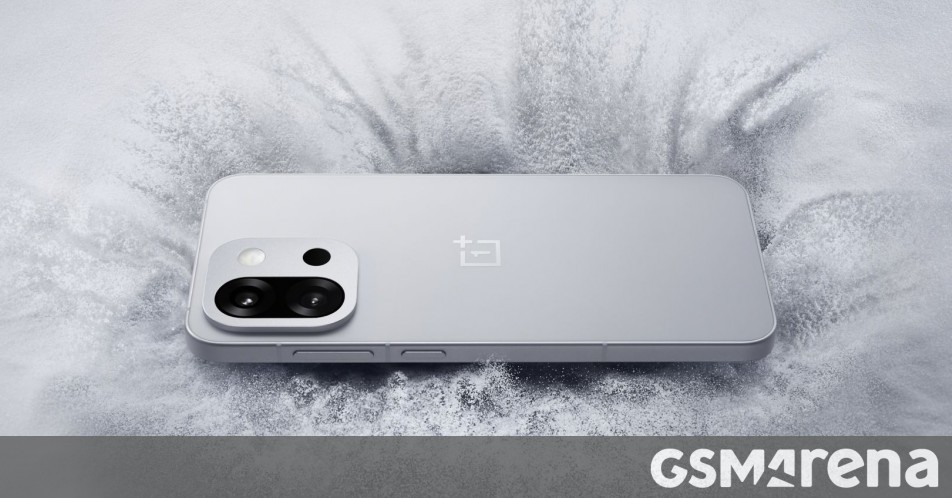
1 month agoSamsung teases the Galaxy S26 Ultra's nighttime photography chops
The teaser is all about "vibrant night even in low light", and while Samsung doesn't explicitly mention which device it's talking about, we assume it's the Galaxy S26 Ultra, since that one will have the best cameras of the trio. Of course, Samsung's competitors from China may rightly point out that you need big sensors for nighttime photography, since they can take in more light,
Gadgets
#oppo-find-x9-ultra

Mobile UX
fromGSMArena.com
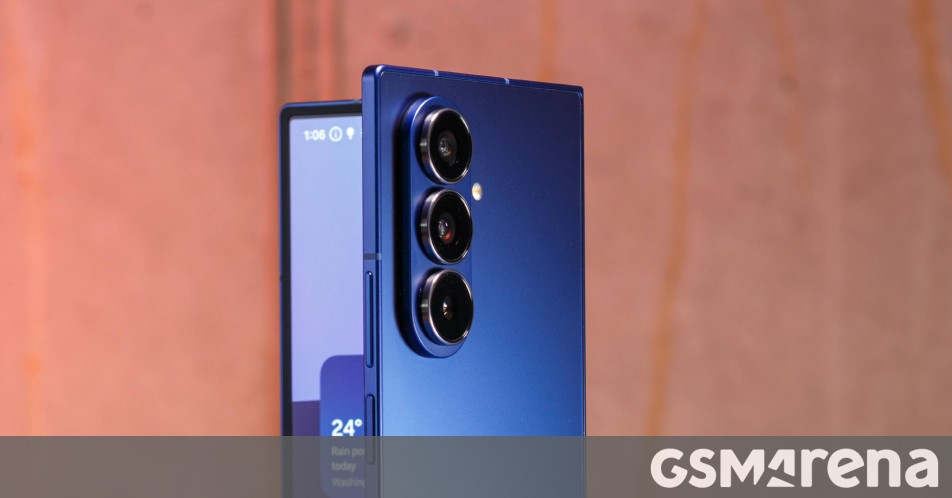
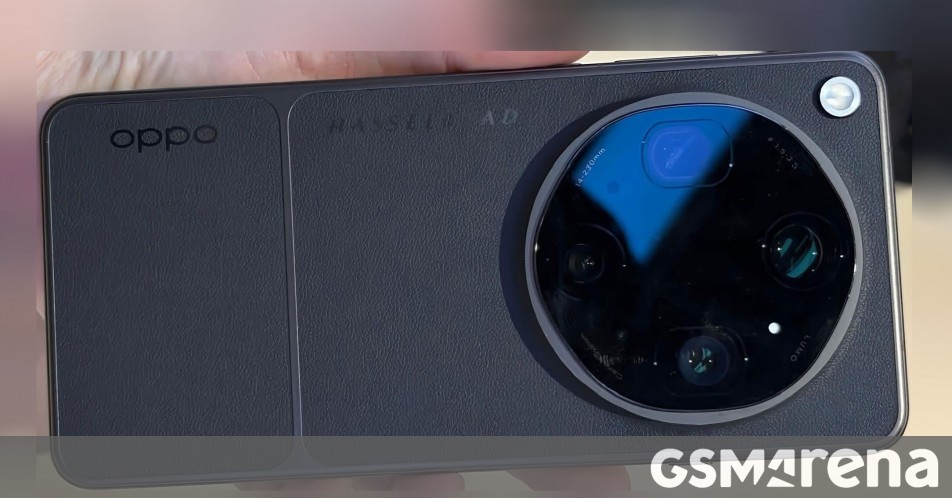
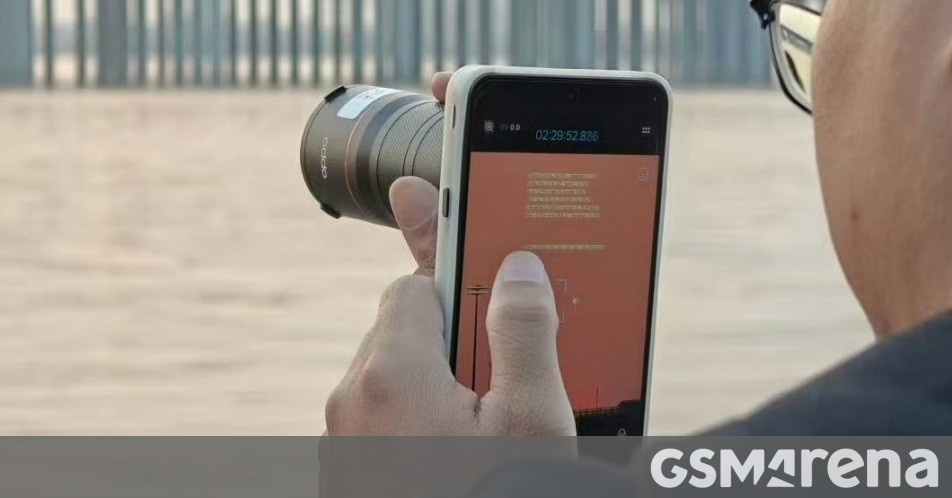
3 weeks agoOppo Find X9 Ultra's massive rear camera bump seen in leaked real-life image
The Oppo Find X9 Ultra features a thicker circular rear camera module with quad-sensor setup including 200MP periscope telephoto, 50MP telephoto with 10x zoom, 200MP primary, and 50MP ultrawide cameras.
Mobile UX
fromGSMArena.com
3 weeks agoOppo Find X9 Ultra's massive rear camera bump seen in leaked real-life image
The Oppo Find X9 Ultra features a thicker circular rear camera module with quad-sensor setup including 200MP periscope telephoto, 50MP telephoto with 10x zoom, 200MP primary, and 50MP ultrawide cameras.
fromGSMArena.com
3 weeks agoSamsung might bring a Galaxy S26 camera feature to older flagships
Virtual Aperture already works on the Galaxy S25, S25+, and S25 Ultra via the Expert RAW app, but only for the main camera. Having it available for the telephoto as well would obviously improve its usability.
Mobile UX
fromGSMArena.com
1 month agoHonor unveils Magic8 Pro Professional Imaging Kit, we try it on
The kit consists of nearly 10 individual pieces. At the center of it is a case for the Magic8 Pro. Not only does it serve its photography duties, but it has built-in Qi2 magnets and what Honor calls a radiator grille design, which helps with heat dissipation.
Mobile UX
[ Load more ]