#tunnel-project
#tunnel-project
[ follow ]
#infrastructure #hs2 #transportation #public-transport #federal-funding #gateway-tunnel #federal-funding-freeze
fromTravel + Leisure
2 days agoAmerica's Fastest Trains Are Here-but Rail Experts Say High-speed Travel Is Still Years Away
True high-speed rail in the U.S. is still years away despite recent advancements and public support. Rail experts emphasize that actual high-speed rail requires dedicated infrastructure and faster trains, similar to systems in Europe and Asia.
Alternative transportation
Business intelligence
fromLondon Business News | Londonlovesbusiness.com
6 days agoWhy GIS matters in modern infrastructure and urban planning: Building smarter, future-ready cities - London Business News | Londonlovesbusiness.com
GIS is essential for effective urban planning, enabling data-driven decisions that enhance infrastructure and quality of life in rapidly growing cities.
fromianVisits
6 days agoShh... future Crossrail 2 trains beneath Oxford Street expected to be library-quiet
The building, an office block with shops on the ground floor, is at the eastern end of Oxford Street, just north of Soho Square, and sits above the possible route of the Crossrail 2 railway, if/when it is eventually built.
London
Real estate
fromInc
2 weeks agoWhy Connectivity Is the New 'Location' in Commercial Real Estate
Digital infrastructure and connectivity now rival or surpass traditional location as the primary factor determining real estate value for business properties, with 96% of U.S. business leaders willing to pay premium prices for reliable connectivity.

Alternative transportation
fromStreetsblog
2 weeks agoWhy Some Congresspeople Want to Go Big on Greenways - Streetsblog USA
The Parks to People Act proposes $300 million in federal funding for walking and biking infrastructure as essential transportation tools, despite political opposition dismissing them as distractions.
#gateway-tunnel-project
Washington DC
fromwww.amny.com
3 weeks agoGateway Tunnel: Federal judge partially tosses suit from commission, opens door for feds to claw money back from rail project | amNewYork
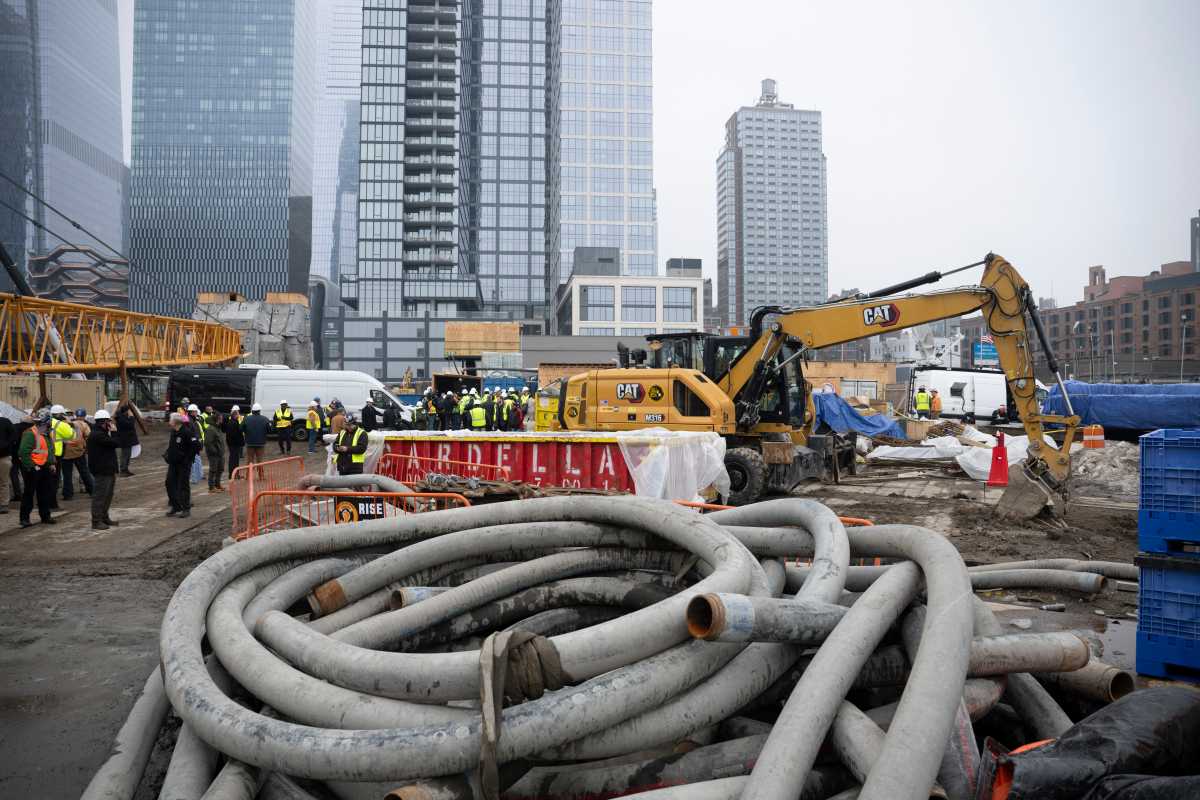
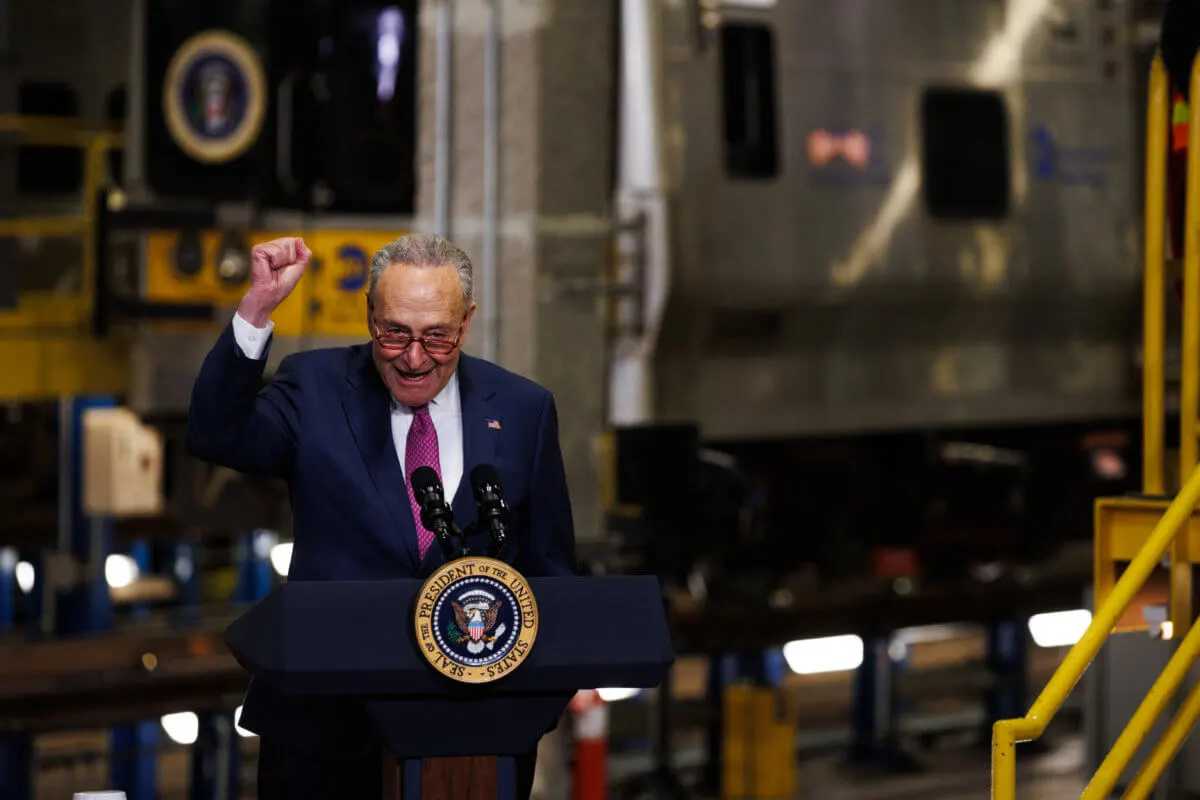
A federal judge ruled the Trump administration's funding withhold for the $16 billion Gateway Tunnel project was a contract breach, but dismissed the case as moot after funds were restored.
Washington DC
fromwww.amny.com
3 weeks agoGateway Tunnel: Federal judge partially tosses suit from commission, opens door for feds to claw money back from rail project | amNewYork
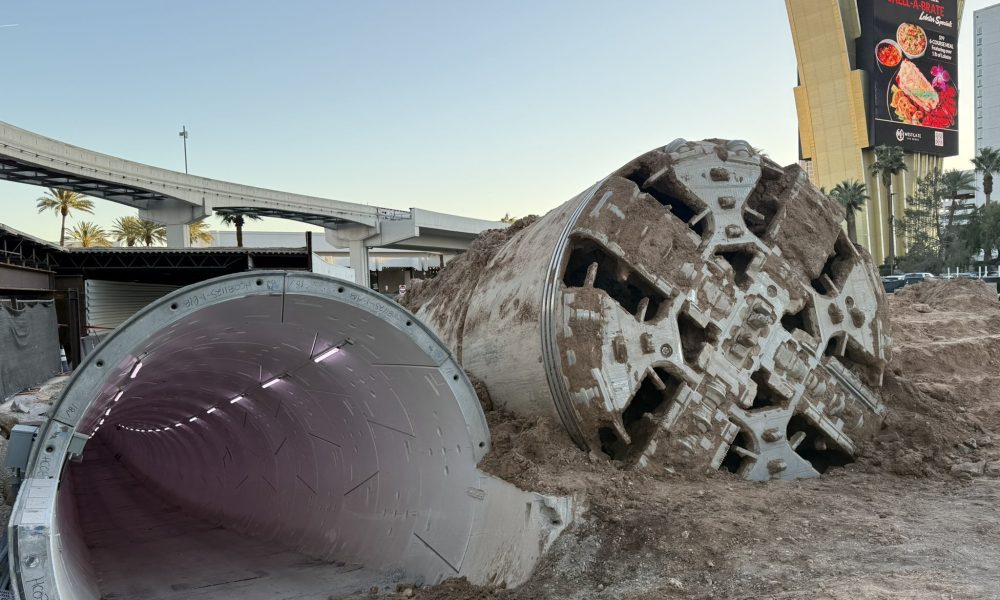
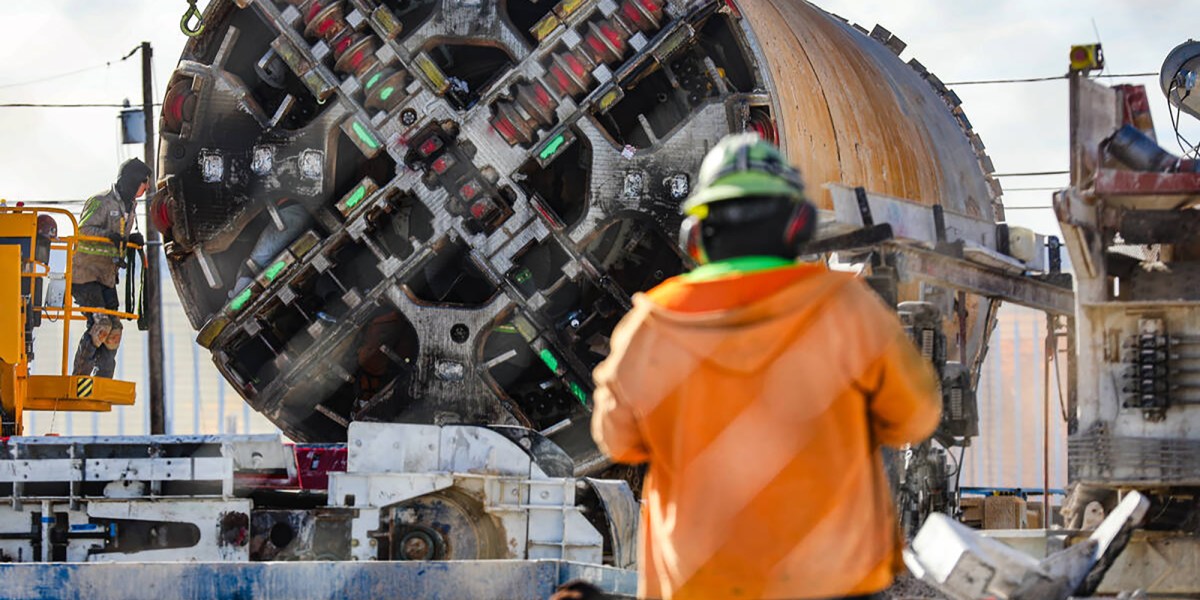
A federal judge ruled the Trump administration's funding withhold for the $16 billion Gateway Tunnel project was a contract breach, but dismissed the case as moot after funds were restored.
#infrastructure-development

Silicon Valley
fromBusiness Insider
4 weeks agoPanama City wants Elon Musk's Boring Company to build a tunnel beneath its famous canal
Panama City mayor Mayer Mizrachi proposed a pedestrian tunnel under the Panama Canal to Elon Musk's Boring Company, and the city was selected as a finalist in the company's Tunnel Vision challenge.
London
fromianVisits
3 weeks agoGiant TBM starts digging tube-train sized tunnel beneath the Thames
A 270-tonne tunnel boring machine has begun excavating a 2.2-kilometre electricity cable tunnel beneath the River Thames in east London, replacing infrastructure from 1969 and expected to complete by 2029.
Artificial intelligence
fromArchDaily
1 month agoCompute Isn't Weightless: AI Infrastructure and the Architecture of the City
AI development is reshaping urban infrastructure and spatial planning in the Greater Bay Area through government-led initiatives that translate computational needs into physical zones, data centers, and specialized districts.
London
fromianVisits
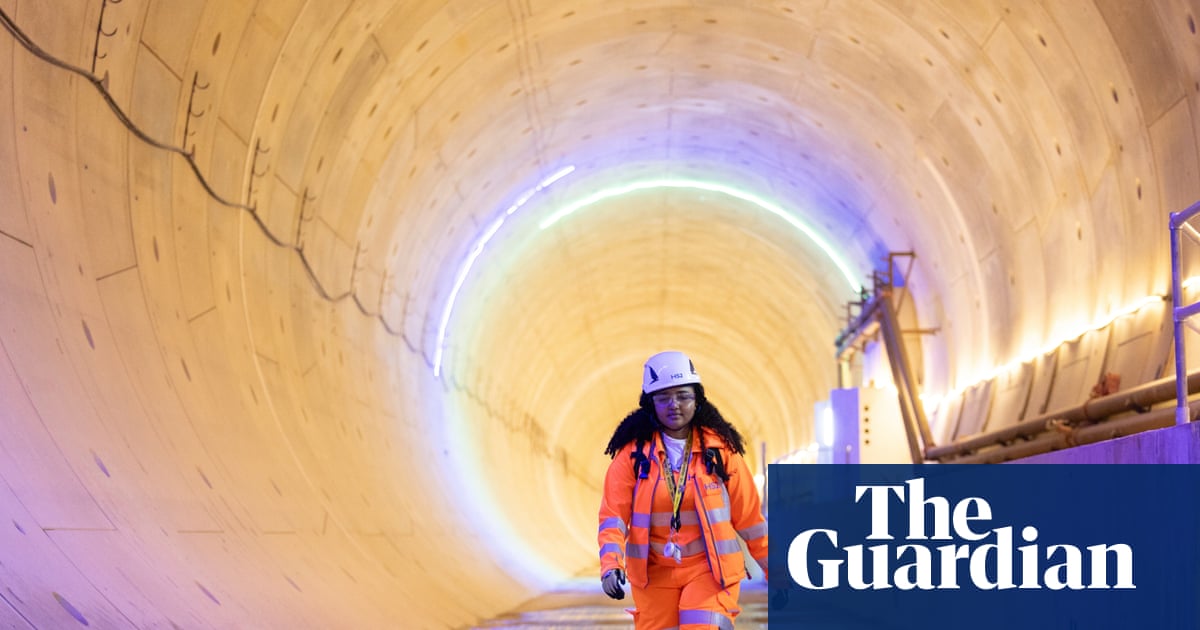
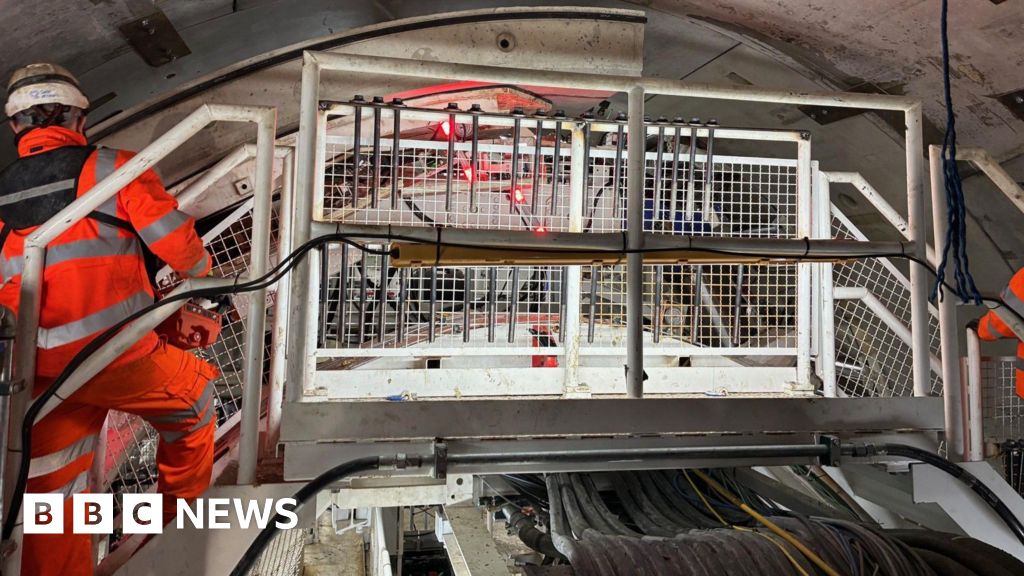
2 weeks agoInside the giant machine digging HS2's railway tunnels to Euston station
HS2's final tunnel boring machine began digging the second tunnel from Old Oak Common to Euston, with the machine's front section remaining permanently underground as trains will eventually pass through it.
fromBusiness Matters
1 month agoThe impact of road signs on economic development
When routes are well organized, there are clear directional signs, and speed limits become reasonable. The early installation of warning signs allows transport companies to plan deliveries more accurately and avoid delays. For businesses, time is money. When a truck carrying goods does not spend hours detouring due to an unclear traffic scheme or stuck in traffic where it could have been avoided thanks to competent traffic management, fuel costs, driver wages, and vehicle maintenance costs are reduced.
Alternative transportation
fromianVisits
3 weeks agoTfL taps our largest nuclear fusion reactor to power the London Underground
TfL currently uses about 1.6 terawatt hours (TWh) of electricity each year, making it the largest single electricity consumer in London. Once operational, the solar installations could supply up to 65,000 megawatt hours (MWh) of renewable electricity each year - equivalent to roughly two-thirds of the Victoria line's annual power consumption.
London
Alternative transportation
fromFast Company
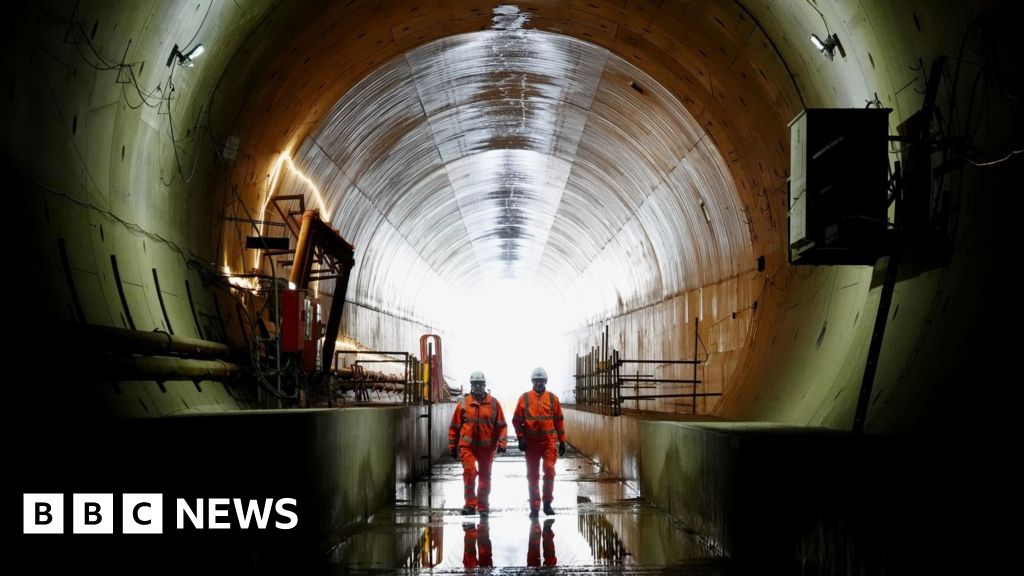
1 month agoThe 'time is money' mantra is a terrible starting point for planning and designing infrastructure
Using productivity and time-as-money frameworks to justify transportation planning decisions is economically flawed and oversimplifies the complex nature of traffic congestion and urban mobility.



London
fromianVisits
1 month agoWest London Orbital railway plans take another step forward
West London Orbital railway project secures £6.65 million funding to advance planning toward a 2026 public consultation, with potential to deliver 25,000 homes, 11,500 jobs, and reduce annual car trips by 650,000.


Travel
fromianVisits
2 months agoRailway engineering works close lines, but unlock a little-used bit of track near Twickenham
SWR services between New Malden, Twickenham and the Shepperton branch will be partially replaced by buses from 14–17 February 2026 while signalling and level crossing work takes place.
fromwww.cbc.ca
2 months agoNo single magic bullet' will fix Toronto's gridlock, new congestion officer says | CBC News
There's no one solution to fix the city's gridlock, Toronto's new chief congestion officer says as he finishes up his first week on the job. Andrew Posluns sat down with CBC Toronto on Friday to discuss the freshly created role, noting there's no magic bullet that will address the city's congestion. There are a lot of factors that feed into congestion, he said. We need to do everything we can in order to be able to mitigate and address the congestion challenges that arise.
Canada news
fromLondon Business News | Londonlovesbusiness.com
2 months agoThe modern plumbing contractor is no longer just fixing pipes - London Business News | Londonlovesbusiness.com
There was a time when plumbing work stayed politely behind the walls, noticed only when something went wrong. That era is over. Today's plumbing contractor sits at the crossroads of infrastructure, housing stability, climate stress, and technology that finally works the way it should. The job still involves grit and know-how, but it also requires foresight, communication, and a willingness to run a smarter business without losing the human touch. That mix is what separates contractors who stay busy from those who stay booked.
Business
fromGothamist
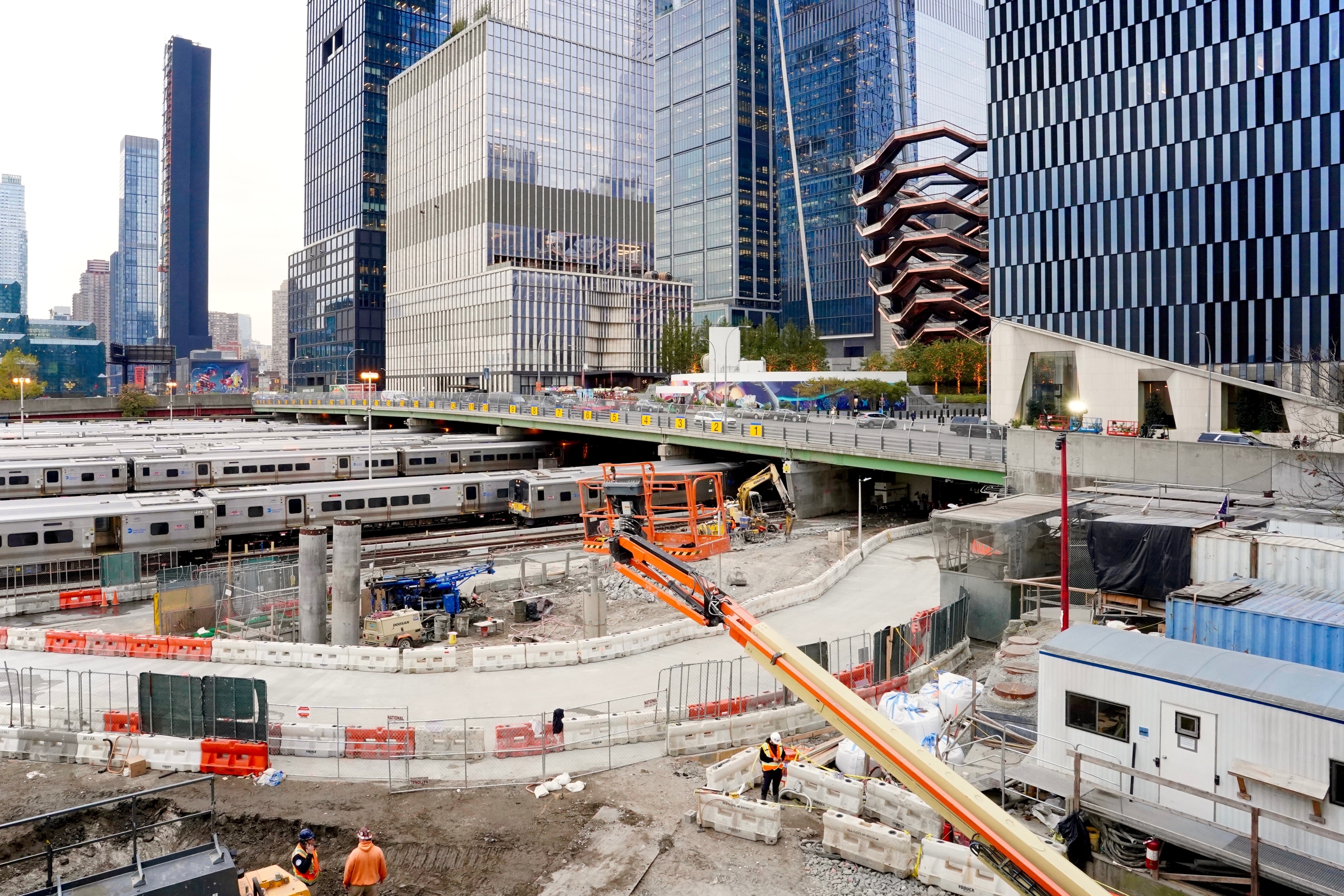
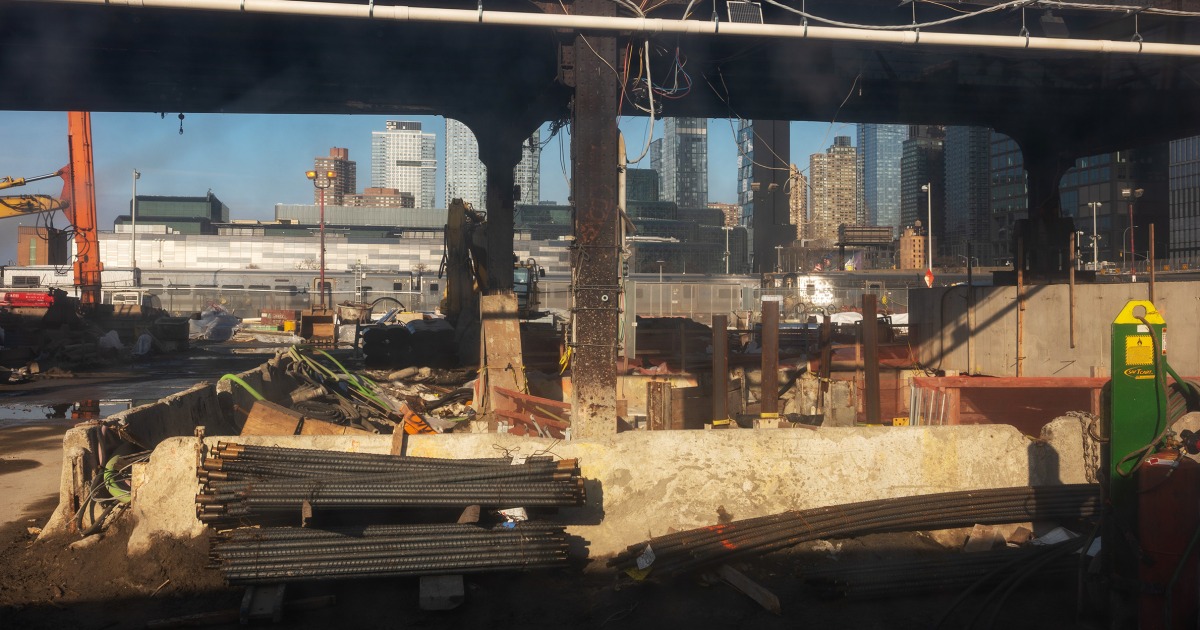
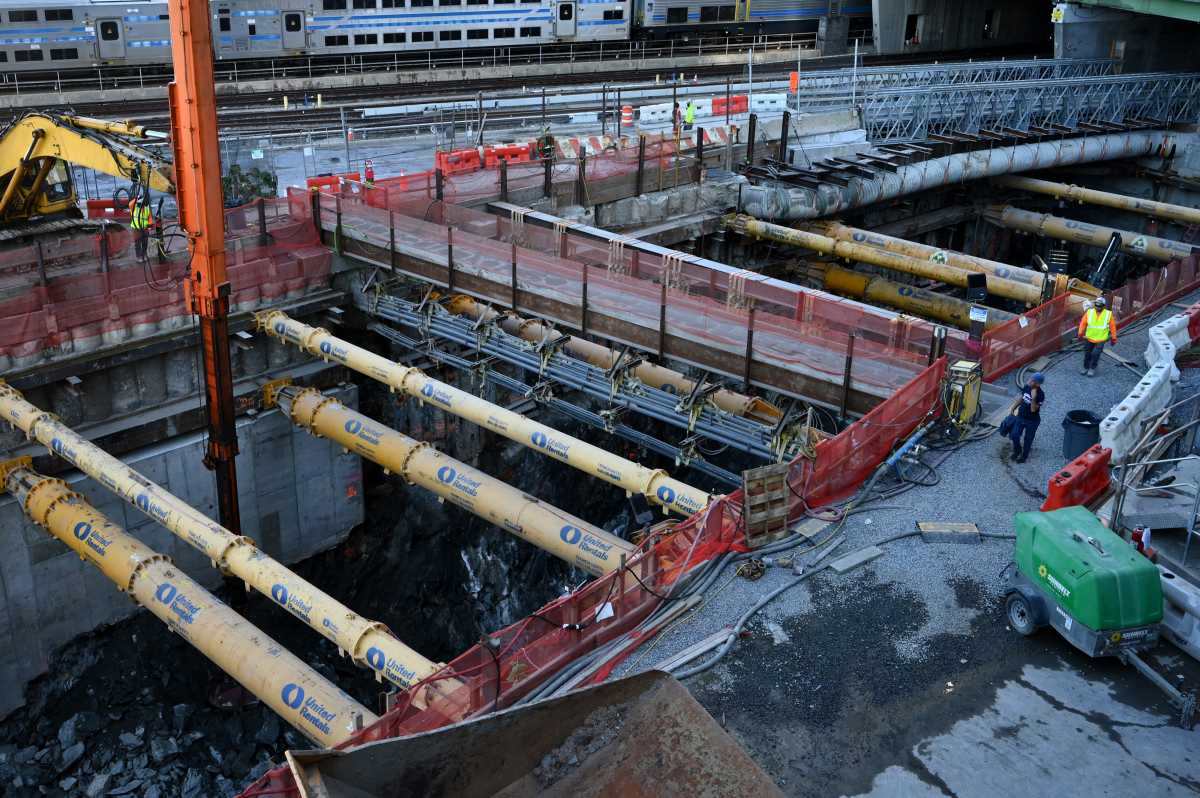
1 month agoGateway Hudson River tunnel funds are flowing, but no shovels are in the ground
Construction remains paused for now and we continue to work with our contractors to plan how to deploy these funds in the most effective way and get workers back on the job to resume some construction as soon as possible,
US politics
fromArchDaily
1 month agoHealth, Habitat, and Civic Infrastructure: Designing the City as a National Park
Cities around the world share a common goal: to become healthier and greener, supported by civic infrastructure that restores ecosystems and strengthens public life. The question is how to reach this. Global climate targets, local building codes, and municipal standards increasingly guide designers and planners toward better choices. Still, many cities struggle to translate these frameworks into everyday, street-level comfort and long-term ecological protection.
Environment
fromArchDaily
2 months agoUnearthing the Ground: Architecture and the Politics of the Subterranean
Beneath the visible surface of cities lies an invisible architecture. Subways, tunnels, water systems, data cables, and bunkers form a dense network that sustains urban life while remaining largely unseen. The ground beneath our feet is not a void but a complex territory that holds the infrastructures, memories, and anxieties of our age. In recent years, as land becomes scarce and climate pressures intensify, architects and urbanists have turned their gaze downward, rediscovering the subterranean as both a physical and conceptual frontier.
Design
fromBrooklyn Eagle
1 month agoGateway tunnel commission sues DOT as shutdown deadline nears
MANHATTAN - THE GATEWAY COMMISSION SUED the U.S. Department of Transportation, alleging the agency is withholding $205,275,358 in contractually required payments for the $16 billion Hudson River rail tunnel project and forcing a potential work stoppage Feb. 6 that could cost about 1,000 jobs, reports The case, filed in the U.S. Court of Federal Claims, comes as the Gateway Development Commission warns its credit line is exhausted and contractors may be unable to keep building sites active on both sides of the river.
Brooklyn
fromTime Out New York
1 month agoPortal Bridge work could disrupt NJ Transit, Amtrak commutes
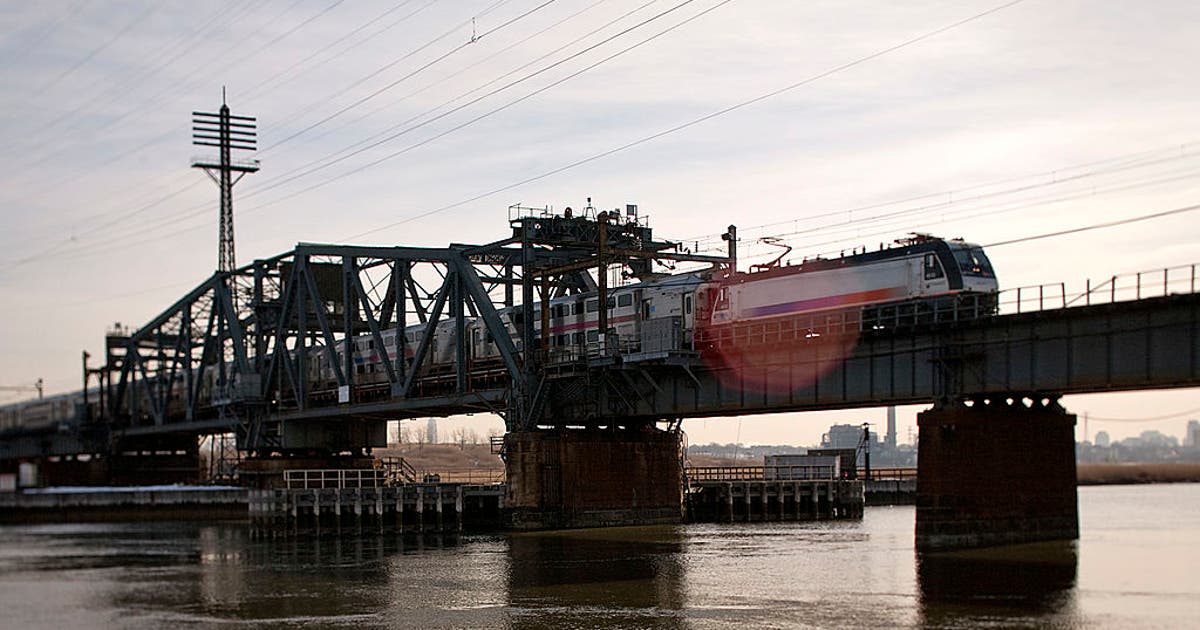
The temporary chaos begins as Amtrak performs what engineers call a "cutover," transferring tracks and electrical systems onto the new fixed-span bridge over the Hackensack River. The old swing bridge, which is more than a century old, has long been a commuter villain, infamous for getting stuck after opening for maritime traffic. At times, workers have even resorted to sledgehammers to force its locking mechanism back into place, which ultimately causes ripple effects across the entire Northeast Corridor.
US news
fromTESLARATI
1 month agoElon Musk's Boring Company signs deal to begin Dubai Loop project
The Boring Company signed a partnership agreement with Dubai Roads and Transport Authority on the sidelines of the World Governments Summit 2026 to start the implementation of the Dubai Loop, as per the tunneling startup in a blog post. The agreement was signed on behalf of Dubai RTA by Mattar Al Tayer, director general and chairman of the Board of Executive Directors, and on behalf of The Boring Company by James Fitzgerald, the startup's global vice president of business development.
Tech industry

fromAol
2 months ago10 U.S. Bridges That Engineers Say Are "Structurally Deficient"
A bridge failure might sound like something from a blockbuster, but real damage usually creeps in slowly. Across the nation, engineers watch thousands of bridges that remain open, yet are far from their best condition. "Structurally deficient" is not a death sentence, but it signals repairs can no longer wait. These 10 bridges handle massive traffic and are a serious concern nationwide today.
US news
US politics
fromwww.mediaite.com
1 month agoTrump Reportedly Demanded His Name on Penn Station in Exchange for Unfreezing Tunnel Project Funds
President Trump conditioned releasing $16 billion for a New York–New Jersey rail tunnel on renaming Penn Station and Dulles Airport after himself, a demand that was rejected.
[ Load more ]