#turkish-economy
#turkish-economy
[ follow ]
#inflation #oil-prices #middle-east-conflict #iran #iran-war #geopolitical-tensions #strait-of-hormuz
World politics
fromLondon Business News | Londonlovesbusiness.com
22 hours agoWhen monetary policy intersects with Middle East crisis - London Business News | Londonlovesbusiness.com
Monetary policy and geopolitical dynamics are causing significant volatility in the U.S. Dollar Index and Treasury yields, reflecting market corrections rather than structural weaknesses.
fromLondon Business News | Londonlovesbusiness.com
21 hours agoGeopolitical tensions and energy volatility shape global markets - London Business News | Londonlovesbusiness.com
Major indices, including the Nasdaq Composite, S&P 500, and Dow Jones Industrial Average, all recorded gains, with the Nasdaq delivering its strongest weekly performance since November.
Europe news
Europe politics
fromRadioFreeEurope/RadioLiberty
22 hours agoHungary's Orban Visits Pipeline As Serbian Intelligence Pushes Back On Claims Blaming Ukraine
Hungarian Prime Minister Viktor Orban inspected the TurkStream gas pipeline after a foiled sabotage attempt, linking it to potential election interference.
fromwww.businessinsider.com
3 days agoYour produce bill is about to get pricey as the Iran war jacks up US food costs
"Fresh food and perishables are almost like the canary in the coal mine," when energy prices go up, according to Vidya Mani, an associate professor at the University of Virginia's Darden School of Business.
Agriculture



fromFortune
4 days agoCountries are turning to 'structurally more resilient' energy sources as oil and gas crisis deepens, UN renewables chief says | Fortune
"A more decentralized energy system, with a growing share of renewables and more market players, is structurally more resilient. Countries that invested in the energy transition are weathering this crisis with less economic damage, as they boost energy security, resilience and competitiveness."
Environment
fromLondon Business News | Londonlovesbusiness.com
5 days agoUS dollar rose amid a rebound in geopolitical concerns - London Business News | Londonlovesbusiness.com
The US dollar returned to the upside as geopolitical fears rebounded after US President Trump's address to the nation. The rhetoric fuelled risk aversion and flows toward the dollar while oil prices surged.
US Elections
fromDigiday
6 days ago'Predictability has become a luxury': As the Iran war drags on, ad markets are starting to sweat
BlackRock CEO Larry Fink said high oil prices for a sustained period would trigger a 'steep and stark recession' - one that could wipe out nearly $50 billion in ad spend this year and another $44 billion the next.
Marketing
World news
fromLondon Business News | Londonlovesbusiness.com
1 hour agoDollar holds firm amid ongoing geopolitical uncertainty - London Business News | Londonlovesbusiness.com
The dollar remains stable amid geopolitical tensions, with demand as a safe-haven asset and rising Treasury yields supporting its value.


fromLondon Business News | Londonlovesbusiness.com
4 days agoRecord number of investors buy gold on Iran war price crash - London Business News | Londonlovesbusiness.com
"Private investors have seized on gold's price drop. Gold's sudden retreat has given buyers the chance to reset the clock back before January's historic price spike."
Business

fromConde Nast Traveler
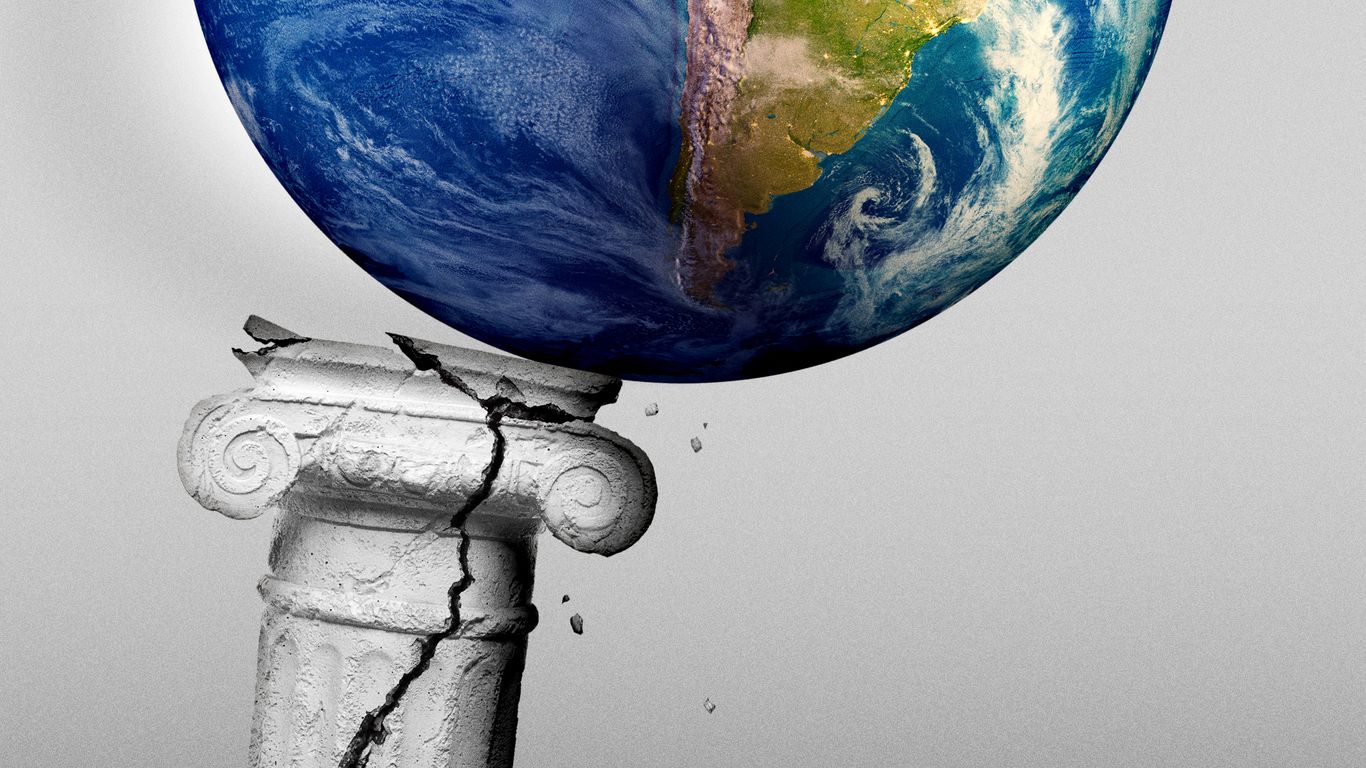
2 weeks agoWhy Cruise Fares Could Get More Expensive Amid the Iran War
"Fuel surcharges are not a stranger to the cruise industry," says Leslie Fambrini, a travel specialist. This indicates that such fees have been previously implemented and are part of the industry's pricing strategies.
Travel




World news
fromLondon Business News | Londonlovesbusiness.com
22 hours agoThe UAE's policies fuel serenity amid geopolitical uncertainty - London Business News | Londonlovesbusiness.com
The UAE's crisis management showcases efficiency and inclusivity, emphasizing support for expatriates and residents during recent disruptions.
fromLondon Business News | Londonlovesbusiness.com
22 hours agoDollar volatile amid changing geopolitical conditions - London Business News | Londonlovesbusiness.com
The geopolitical backdrop in the Middle East remained tense after renewed threats to Iranian infrastructure from President Donald Trump, although reports of a potential deal could limit the demand for the dollar.
World news
#oil-markets
World politics
fromLondon Business News | Londonlovesbusiness.com
5 days agoCrude oil between geopolitical escalation and dollar pressure - London Business News | Londonlovesbusiness.com
Geopolitical factors and monetary conditions are significantly influencing global oil prices, reflecting uncertainty rather than traditional supply and demand.
World politics
fromwww.theguardian.com
5 days agoA third inflationary shock in less than a decade is coming: who will pay the price this time around? | Aditya Chakrabortty
Daniel Yergin highlights the vulnerability of global oil supplies through the Strait of Hormuz and the consequences of military actions against Iran.
fromAxios
1 week agoBorrowing costs are surging amid Iran war
The pricing of 10-year inflation-protected Treasuries implies inflation of 2.34% over the next decade, up only slightly from 2.25% pre-war. In other words, only about a fifth of the rise in the 10-year yield this month is accounted for by investors anticipating higher inflation.
Business
Travel
fromConde Nast Traveler
1 month agoIs it Safe to Travel to Turkiye? What to Know Amid the Conflict in Iran
Turkey remains largely safe for tourists despite regional conflict, with most popular destinations operating normally under Level 2 travel advisory, though southeastern provinces near Iran border are restricted.
fromwww.aljazeera.com
4 days agoHow war on Iran turned Pakistan's LNG surplus into a looming shortage
At the start of this year, Pakistan had more imported liquefied natural gas (LNG) than it could use, with demand falling from a peak of 8.2 million tonnes in 2021 to 6.1 million tonnes by late 2025. The government sold excess gas shipments to other countries and shut down domestic gas wells to prevent pipelines from bursting under oversupply.
World news
#energy-crisis
World politics
fromThe Washington Post
2 weeks agoEconomic fallout of U.S.-led war is hitting the rest of the world harder
Global energy crisis from Middle East conflict causes severe economic hardship worldwide, with developing nations experiencing sharper fuel price increases and shortages than the United States.
fromwww.dw.com
1 week agoAfter the Iran war, how fast could global trade recover?
The longer this conflict goes on, the more devastating its impact will be on the world's energy supplies, inflation and economic stability. Every extra week of disruption raises costs for consumers and businesses while growth slows.
World news
World news
fromLondon Business News | Londonlovesbusiness.com
5 days agoDollar extends pullback amid softer labour signals and easing risks - London Business News | Londonlovesbusiness.com
The dollar weakened due to softening monetary policy expectations and reduced demand as a safe-haven asset amid easing Middle East tensions.
[ Load more ]