#unlawful-information-gathering
#unlawful-information-gathering
[ follow ]
#surveillance #fbi #cybersecurity #fourth-amendment #privacy #location-data #data-privacy #data-brokers





fromComputerworld
14 hours agoA core infrastructure engineer pleads guilty to federal charges in insider attack
Rhyne's attack involved unauthorized remote desktop sessions, deletion of network administrator accounts, and changing of passwords, showcasing significant security vulnerabilities.
Information security
fromwww.dw.com
2 days agoHungary's Watergate: Secret service spied on opposition
Many have described it as a 'return to dictatorship and Communist times.' The intelligence service is said to have tried to recruit technicians in charge of maintaining the party's IT system, in order to access internal party information and use it to rig the election.
Europe politics
#first-amendment
US politics
fromElectronic Frontier Foundation
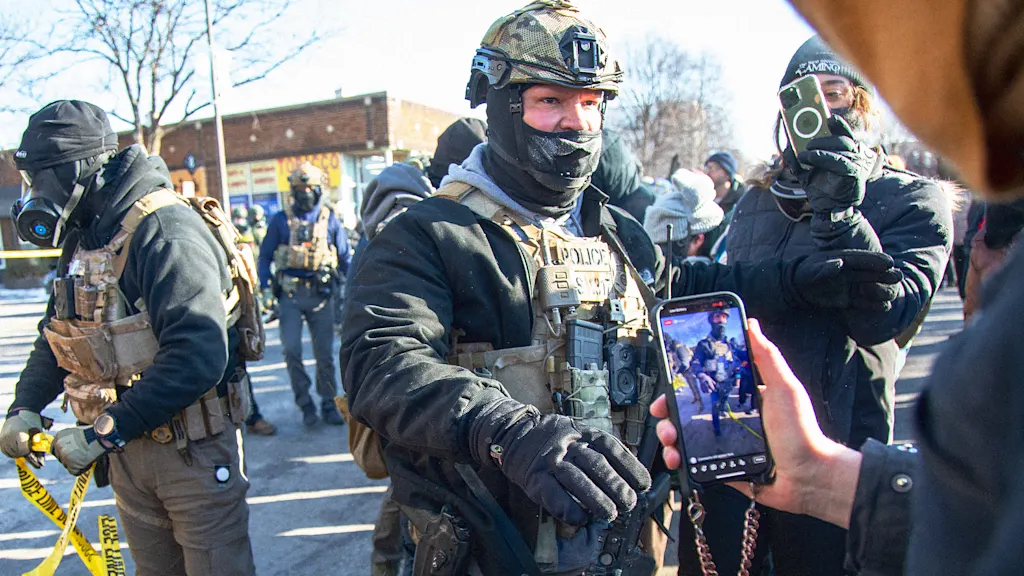
10 hours agoThe FAA's "Temporary" Flight Restriction for Drones is a Blatant Attempt to Criminalize Filming ICE
The Trump administration's flight restriction limits the First Amendment right to record law enforcement using drones near ICE and CBP vehicles.
US politics
fromElectronic Frontier Foundation
10 hours agoThe FAA's "Temporary" Flight Restriction for Drones is a Blatant Attempt to Criminalize Filming ICE
The Trump administration's flight restriction limits the First Amendment right to record law enforcement using drones near ICE and CBP vehicles.
fromTheregister
16 hours agoNHS staff resist using Palantir software
One official reportedly described Palantir as 'ethically bankrupt' in justifying his refusal to use the software, and noted that he knows of coworkers who deliberately slow their work pace when forced to use the system.
EU data protection
Privacy professionals
fromSilicon Canals
21 hours agoA fintech app asked users for their passports - then left 360,000 files unprotected for five years - Silicon Canals
A money transfer app exposed over 360,000 sensitive files on a public server for nearly five years, including unencrypted personal documents.
fromThe American Conservative
3 weeks agoThey're Watching You
Private detection and spying on people was only a cottage industry by comparison with what it is today, when everything happens, if not in the glare of publicity exactly, at least within the purview of electronic surveillance of one kind or another. Surveillance is to us what electricity was to James Thurber's aunt, that is to say leaking all over the house.
Right-wing politics
fromWIRED
1 day agoCBP Facility Codes Sure Seem to Have Leaked Via Online Flashcards
The public Quizlet set contained information about alleged codes for specific facility entrances. 'Checkpoint doors code?' asked one card, with a specific four-digit combination listed in response.
Privacy professionals
#government-surveillance



Privacy professionals
fromTheregister
1 month ago70 US lawmakers demand probe into ICE's data purchases
Seventy US lawmakers demand investigation into whether DHS agencies illegally purchased Americans' location data without warrants, as ICE resumes purchases despite prior findings of illegal activity.
#fbi-surveillance

Privacy professionals
fromwww.theguardian.com
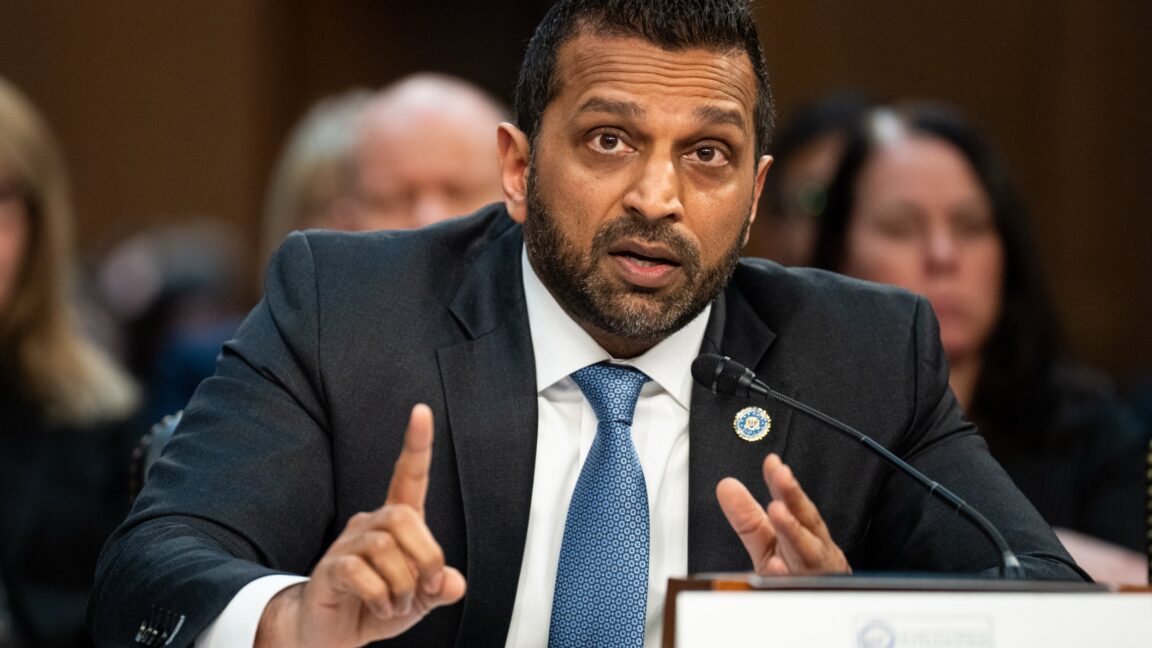
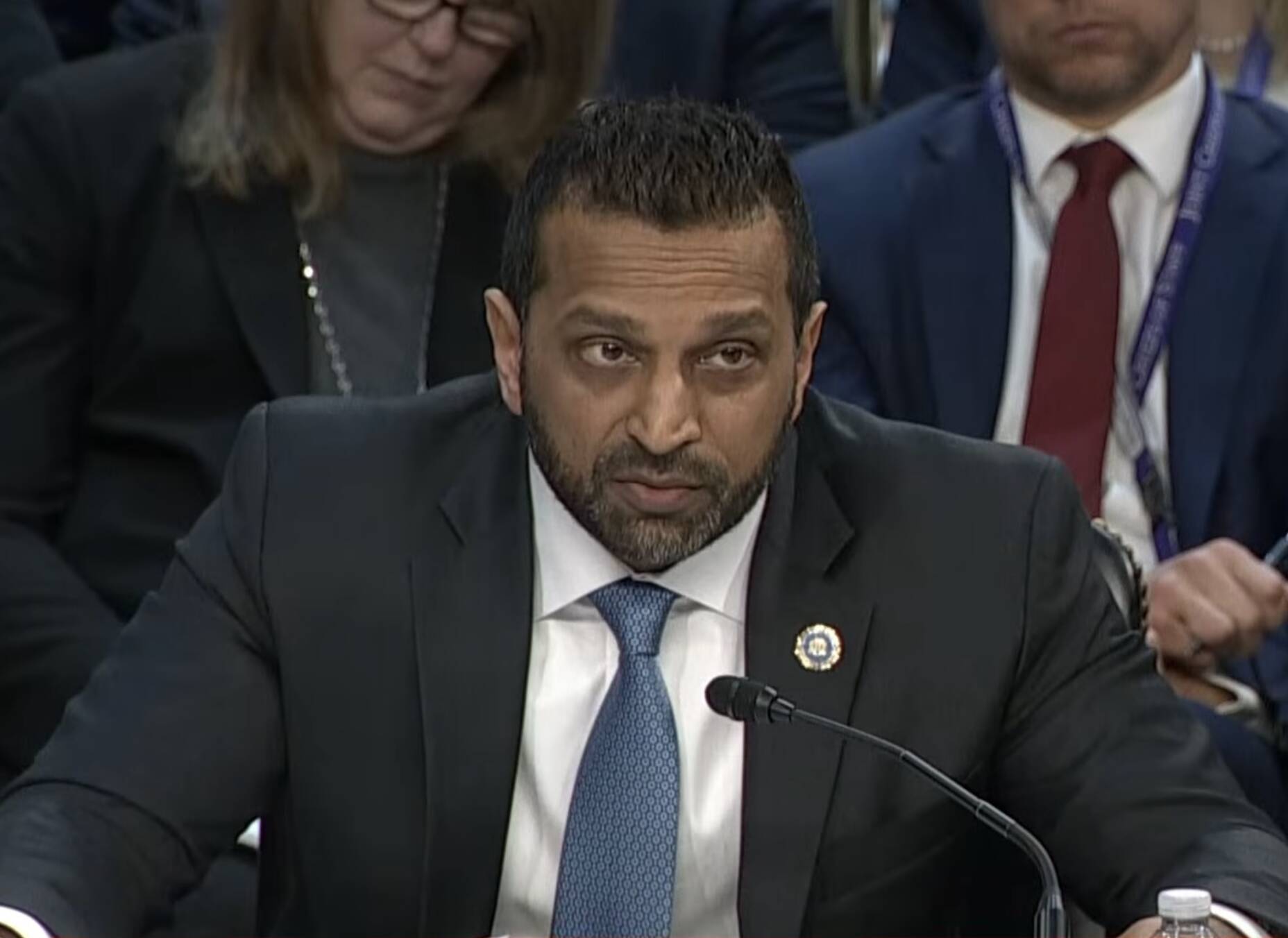
2 weeks agoWhy is the FBI buying people's location data and how is it using the information?
The FBI resumes purchasing commercially available location data on Americans, circumventing warrant requirements and Fourth Amendment protections against warrantless surveillance.
Privacy professionals
fromwww.theguardian.com
2 weeks agoWhy is the FBI buying people's location data and how is it using the information?
The FBI resumes purchasing commercially available location data on Americans, circumventing warrant requirements and Fourth Amendment protections against warrantless surveillance.
Privacy professionals
fromArs Technica
2 weeks agoFBI started buying Americans' location data again, Kash Patel confirms
The FBI has restarted purchasing Americans' location data without warrants, with Director Kash Patel defending the practice as valuable for national security despite previous claims of stopping it.
Privacy professionals
fromTheregister
2 weeks agoPatel dodges question about FBI buying location data
FBI Director Kash Patel admitted the agency purchases commercially available information from data brokers, potentially including location data, which Senator Wyden argues violates the Fourth Amendment without warrant requirements.
Information security
fromEmptywheel
2 months agoI Con the Record Admits All This Spying Also Serves Counterintelligence
The Intelligence Community uses online anonymity and networking tools to collect foreign intelligence, including counterintelligence and cybersecurity, while asserting legal limits on targeting US citizens.
Privacy professionals
fromTechCrunch
2 weeks agoFBI is buying location data to track US citizens, director confirms | TechCrunch
The FBI has resumed purchasing Americans' location data and personal information from commercial data brokers to support federal investigations, bypassing traditional warrant requirements.
Privacy technologies
fromFuturism
1 month agoAll These Ring Cameras Are Creating a "Surveillance Nightmare," Critics Say
Widespread consumer Ring doorbells create a massive civilian surveillance system that threatens privacy, enables law enforcement access, and disproportionately harms marginalized communities.
Privacy professionals
fromWIRED
3 weeks agoUS Lawmakers Move to Kill the FBI's Warrantless Wiretap Access
Bipartisan Congress members introduced legislation requiring FBI warrants for backdoor searches of Americans' communications, aligning with a 2025 federal court ruling against warrantless surveillance practices.
Privacy professionals
fromNextgov.com
3 weeks agoFBI queries of Americans' data under FISA 702 rose 35% in 2025
FBI searches of Americans' data collected under Section 702 of FISA increased 35% from December 2024 to November 2025, while the percentage of searches returning relevant information declined significantly.
fromNextgov.com
1 month agoDomestic surveillance fears loom over Congress debate to renew spying power
While the authority is legally limited to foreign intelligence, it can sweep in Americans' texts, emails and phone calls when they communicate with overseas targets. Those incidental collections - which have sometimes been followed by unauthorized searches of Americans' communications - have been extensively documented by government oversight bodies in recent years. The findings fueled reforms adopted when Congress last renewed the authority in April 2024.
US politics
Privacy professionals
fromDataBreaches.Net
1 month agoHacktivists claim to have hacked Homeland Security to release ICE contract data - DataBreaches.Net
Hacktivists claiming to be 'Department of Peace' breached DHS and leaked contracts between the agency, ICE, and over 6,000 companies including defense and tech firms.
fromEmptywheel
2 months agoWarrants for Innocent People Are Not Like Warrants for Suspects
As you know, Section 215 authorities are not interpreted in the same way that grand jury subpoena authorities are, and we are concerned that when Justice Department officials suggest that the two authorities are 'analogous' they provide the public with a false understanding of how surveillance is interpreted in practice.
fromFuturism
1 month agoThe Department of Homeland Security Is Demanding That Google Turn Over Information About Random Critics
"Don't play Russian roulette with [this man's] life," Jon told lead DHS prosecutor, Joseph Dernbach, in the email. "Err on the side of caution. There's a reason the US government along with many other governments don't recognise the Taliban. Apply principles of common sense and decency." Five hours later, per WaPo, Jon received a response - not from Dernbach or the DHS, but from Google.
Privacy professionals
[ Load more ]