#urban-delivery-logistics
#urban-delivery-logistics
[ follow ]
#amazon #sustainability #transportation #last-mile-delivery #e-bikes #electric-vehicles #new-york-city
#amazon
European startups
fromSilicon Canals
3 days agoQuick commerce has a $11.3B funding collapse and 40+ dead startups. Amazon is betting on it anyway. - Silicon Canals
Amazon launched a 30-minute delivery service in select U.S. locations, expanding its quick commerce offerings amid challenges in the retail landscape.



fromABC7 San Francisco
1 day agoAmazon, UPS, FedEx, USPS add temporary fuel surcharges to offset extra costs
"Transportation costs are a big factor there. Every company that is involved and has logistics and they have to pay for gas, either they have to absorb this cost, or they will charge the third party that will provide this service. I'm not surprised this is happening, because at some point, Amazon will say we cannot absorb all this cost."
Alternative transportation



Relationships
fromBusiness Insider
3 weeks agoWe went from being a 2-car household to just sharing one. So far, the benefits have outweighed the inconvenience.
Sharing a car after totaling one vehicle improved communication, reduced expenses, and preserved independence while helping save money for major life goals.
Real estate
fromInc
2 weeks agoWhy Connectivity Is the New 'Location' in Commercial Real Estate
Digital infrastructure and connectivity now rival or surpass traditional location as the primary factor determining real estate value for business properties, with 96% of U.S. business leaders willing to pay premium prices for reliable connectivity.
Washington DC
fromEntrepreneur
2 weeks agoAmazon Plans to Slash USPS Shipments by Two-Thirds. Here's What That Means for the Postal Service.
Amazon plans to reduce USPS package shipments by two-thirds by fall, threatening the financially struggling postal service that delivered over one billion Amazon packages last year.
fromEngadget
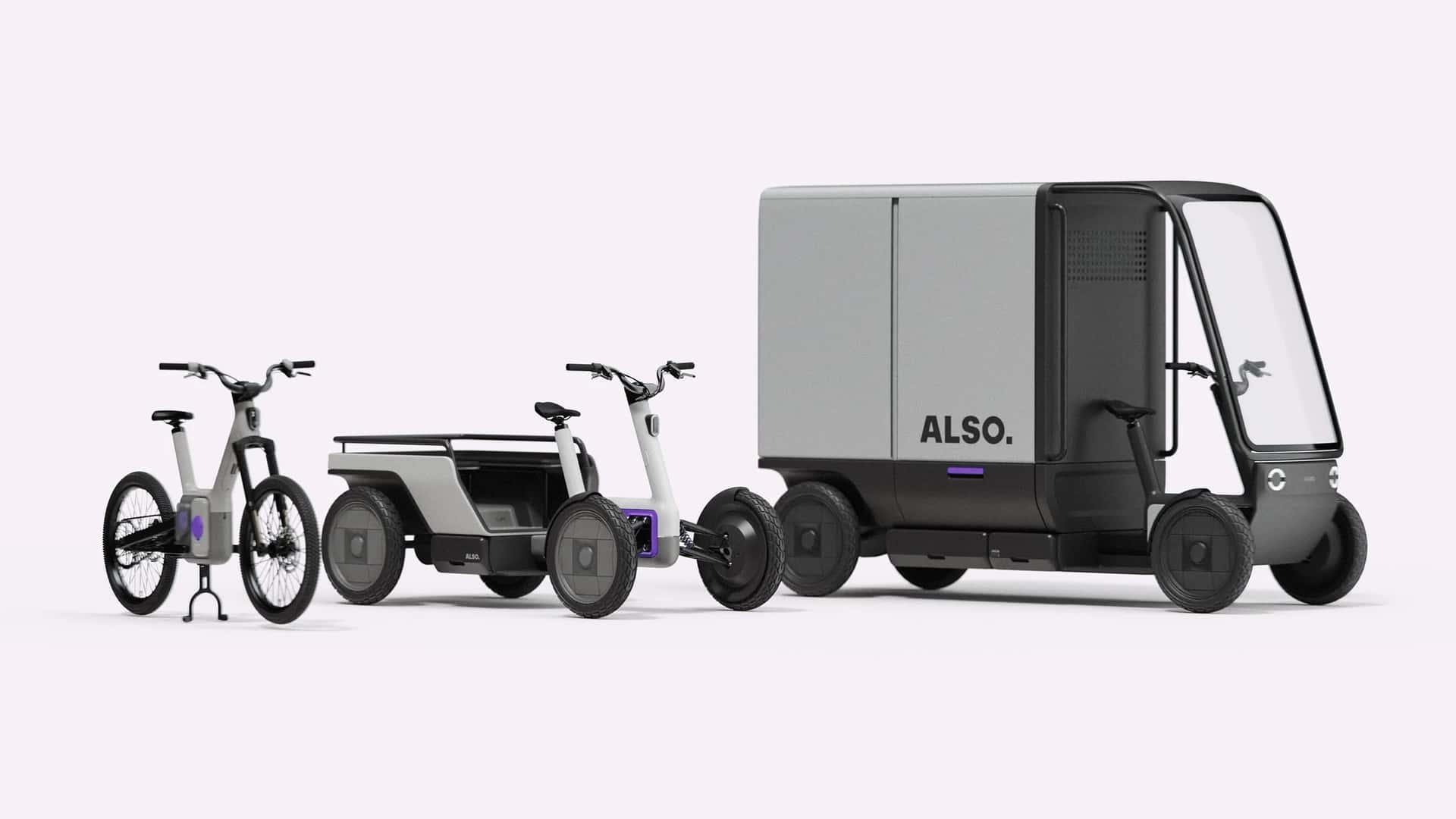
6 days agoDoorDash partners with Rivian spinoff Also for autonomous delivery vehicles
DoorDash's investment in Also aims to develop and accelerate the deployment of autonomous delivery at scale, focusing on areas not yet fully solved for, including intersections of roadways and bike lanes.
Toronto startup
#amazon-delivery
E-Commerce
fromEngadget
3 weeks agoAmazon launches one- and three-hour delivery options in the US
Amazon launched one-hour and three-hour delivery options across 2,000+ locations, covering 90,000 products including essentials and discretionary items, with costs ranging from $5-$20 depending on membership and speed.
fromThe Mercury News
3 weeks agoDoorDash robots headed for Fremont streets
The little red four-wheeled delivery vehicle is expected to operate near Fremont's Downtown and City Center, an area centrally located near a high density of restaurants, apartments and other businesses in the city. Manufactured by Sonic Manufacturing Technologies in Fremont, DoorDash Dot can travel up to 20 miles per hour. It has built-in cup holders and enough cargo space to fit an extra-large pizza and a case of water.
Toronto startup
Alternative transportation
fromSustainable Bus
6 days agoNew certified Ultrafabrics collections target durability and compliance in passenger transport interiors - Sustainable Bus
Ultrafabrics launches new certified collections for passenger transport, combining durability, aesthetics, and sustainability in high-performance upholstery fabrics.
E-Commerce
fromBusiness Matters
3 weeks agoThe Hidden Costs of DIY Shipping: When to Switch to an Ecommerce Shipping Platform
DIY shipping becomes a business bottleneck as order volume grows, consuming excessive time and increasing errors while established shipping platforms automate processes and enable scalability.
Alternative transportation
fromNature
2 weeks agoAffordable mobility for all: why we need smaller, cheaper electric vehicles
Low-speed electric vehicles offer affordable, practical decarbonization for underserved populations but remain overlooked due to bias toward expensive, high-tech solutions and nationalist trade policies.


fromSocketsite
9 years agoSelf-Driving Truck Tech Headed for San Francisco's Waterfront
It has been almost three years since the Port of San Francisco awarded TMG Partners the redevelopment rights for San Francisco's Pier 38, with TMG winning over the Port with a pitch that emphasized the speed with which they planned to act and an "immediate revitalization" of the pier with a mix of public, office and maritime uses. But Pier 38, which has been shuttered since 2011, remains red tagged and inactive.
San Francisco
fromSustainable Bus
2 months agoAutonomous Systems: depot-first autonomy for smartbuses
For more than a decade, autonomous buses have been "almost ready." Demonstrations with safety drivers began around 2015, and ten years later, this is still largely what we see. The reason is not a lack of ambition - it is physics, safety, and economics. Autonomous buses on city streets are inherently difficult. They carry dozens of passengers, operate as heavy vehicles, and move through a chaotic urban environment.
Business
fromArchDaily
3 weeks agoMobility Justice: Urban Equity in an Era of Innovation
Every city contains two transportation systems. One is the visible network of roads, rail lines, sidewalks, and bus routes mapped in planning documents. The other is the invisible geography of privilege and exclusion embedded within it: the neighborhoods that received highways instead of parks, the communities whose bus routes were cut, the sidewalks that abruptly end at the edge of a district.
Alternative transportation
frominsideevs.com
1 month agoHow Pedal-Assist Mini-Trucks Are Transforming Cities
Climbing onto the Honda Fastport eQuad is, quite literally, just like getting on a bicycle, except easier. With four wheels and broad diamond-plate running boards on either side, ingress and egress is as simple as swinging my leg over and stepping on and off the pedals, no kickstands involved. This makes sense, as the e-bike-based mini box-truck has been custom designed and constructed by the Japanese transportation company for the constant stop-and-go of urban e-commerce package delivery.
Cars
Artificial intelligence
fromeLearning Industry
2 months agoArtificial Intelligence In Transportation Training And Education
AI enables individualized transportation training by evaluating trainee performance, tailoring instruction, simulating real scenarios, and measuring performance for targeted improvement.

fromForbes
1 month agoFrom Click To Doorstep: Why Delivery Experience Is The Last Brand Impression
That's a problem. Without a doubt, a great website and top-level marketing will help generate new sales, but it's the delivery experience that warrants future ones. This is because today's consumer not only has options for where they'll buy but also a high set of expectations. What's more, they remember the way a product arrives at their doorstep more than how it was sold.
E-Commerce
[ Load more ]