#us-global-leadership
#us-global-leadership
[ follow ]
#trump #iran #nato #us-foreign-policy #iran-war #donald-trump #international-relations #iran-conflict
#us-military
World news
fromIrish Independent
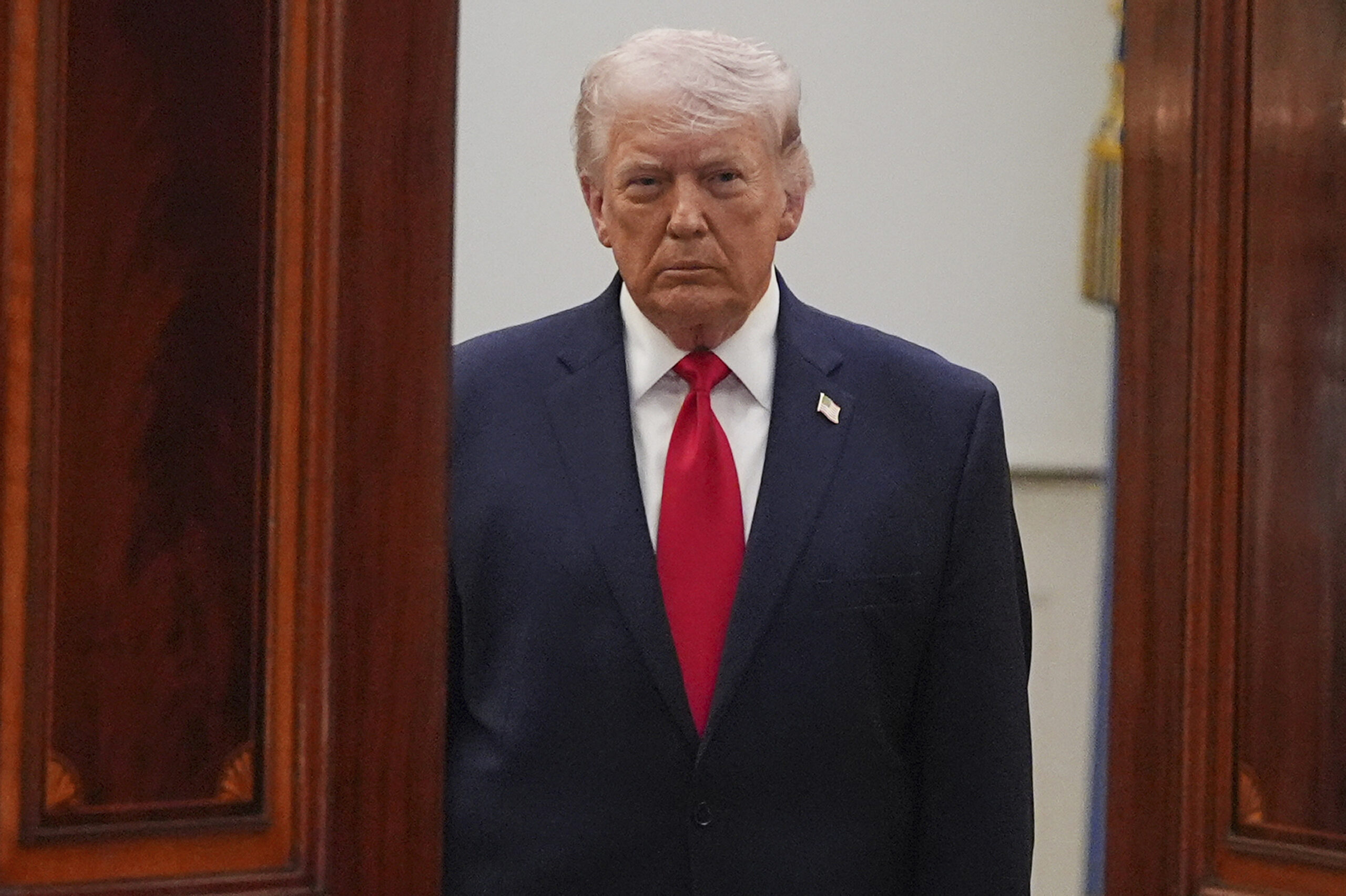
17 hours ago'Tuesday will be power plant day and bridge day' - Donald Trump says US will target Iran's infrastructure this week
A US service member missing after an Iranian attack has been rescued, according to Donald Trump, who confirmed the individual is injured but recovering.

#trump
Russo-Ukrainian War
fromLondon Business News | Londonlovesbusiness.com
2 days agoTrump's Ukraine threat is not what it seems, but it reveals a deeper strategic shift - London Business News | Londonlovesbusiness.com
Trump's threat to halt weapons supplies to Ukraine reflects leverage over European allies rather than a complete withdrawal of support.
US Elections
fromAxios
1 day ago"We're fighting wars": Trump bets his presidency on the Pentagon
Trump's budget prioritizes military spending, significantly cutting non-defense programs amid declining approval ratings and rising gas prices.
Russo-Ukrainian War
fromLondon Business News | Londonlovesbusiness.com
2 days agoTrump's Ukraine threat is not what it seems, but it reveals a deeper strategic shift - London Business News | Londonlovesbusiness.com
Trump's threat to halt weapons supplies to Ukraine reflects leverage over European allies rather than a complete withdrawal of support.




#donald-trump
World politics
fromwww.theguardian.com
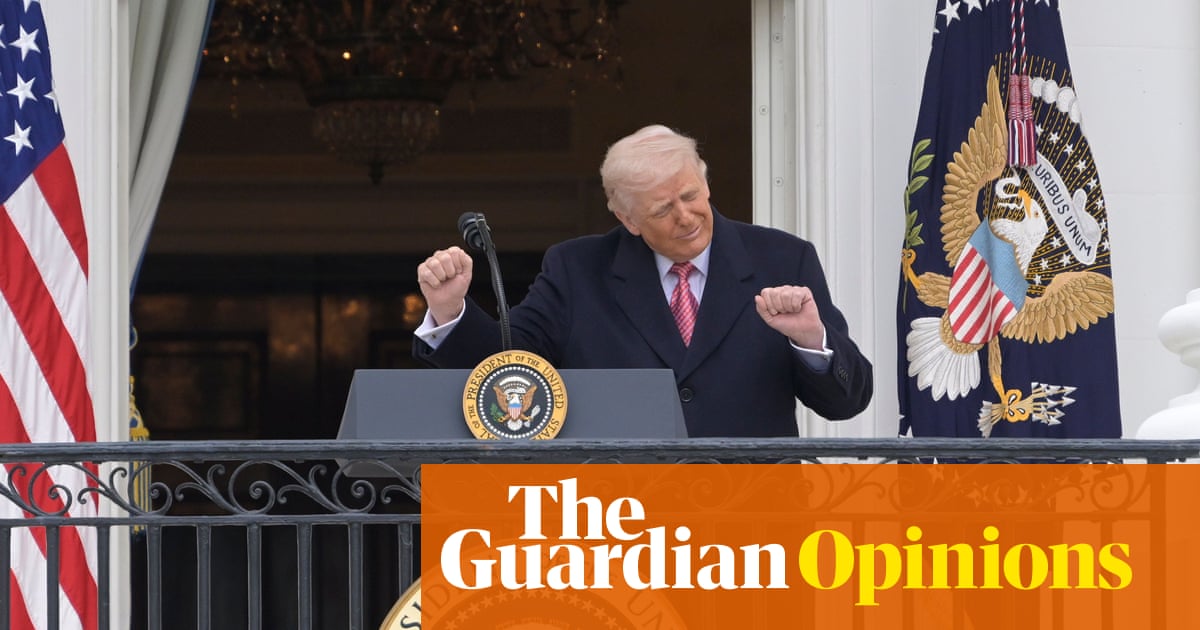
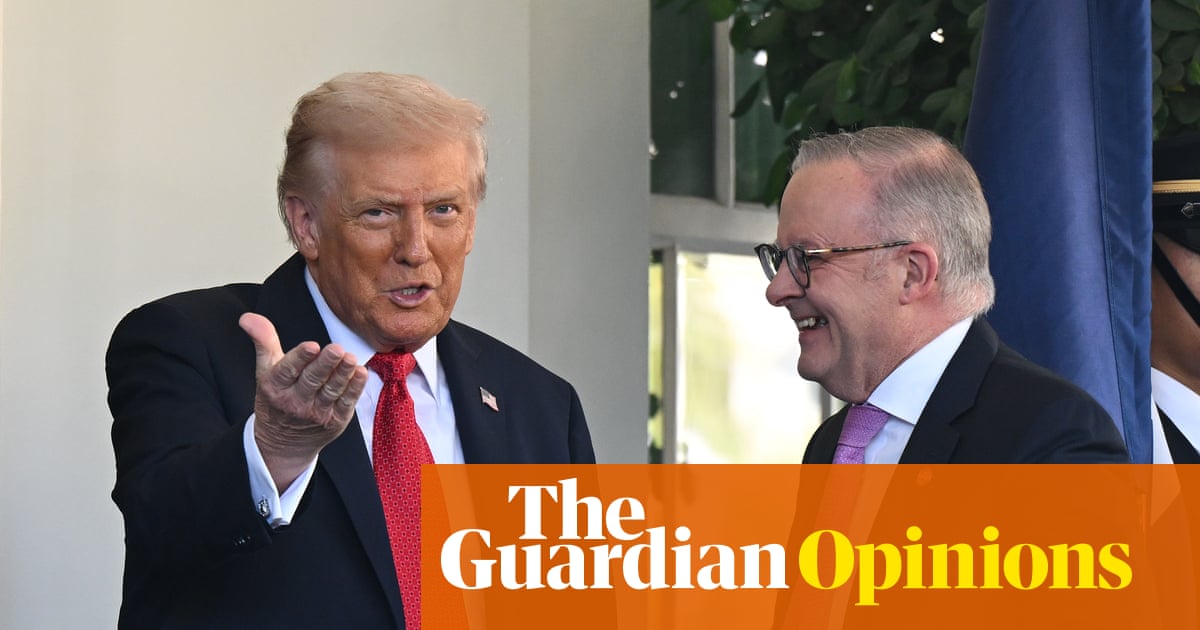
6 days agoTrump is impotently railing against the US's allies. Albanese is right to avoid the president's global catastrophe | Allan Behm
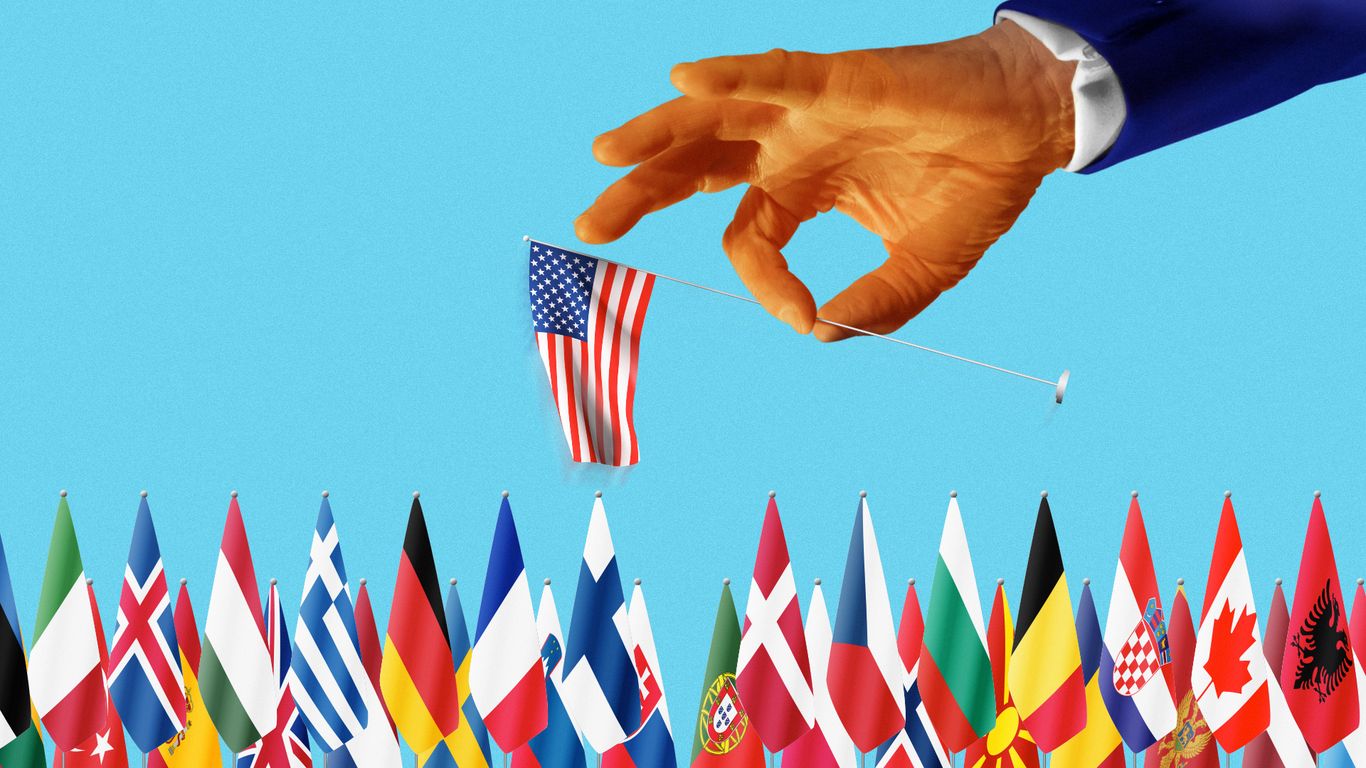
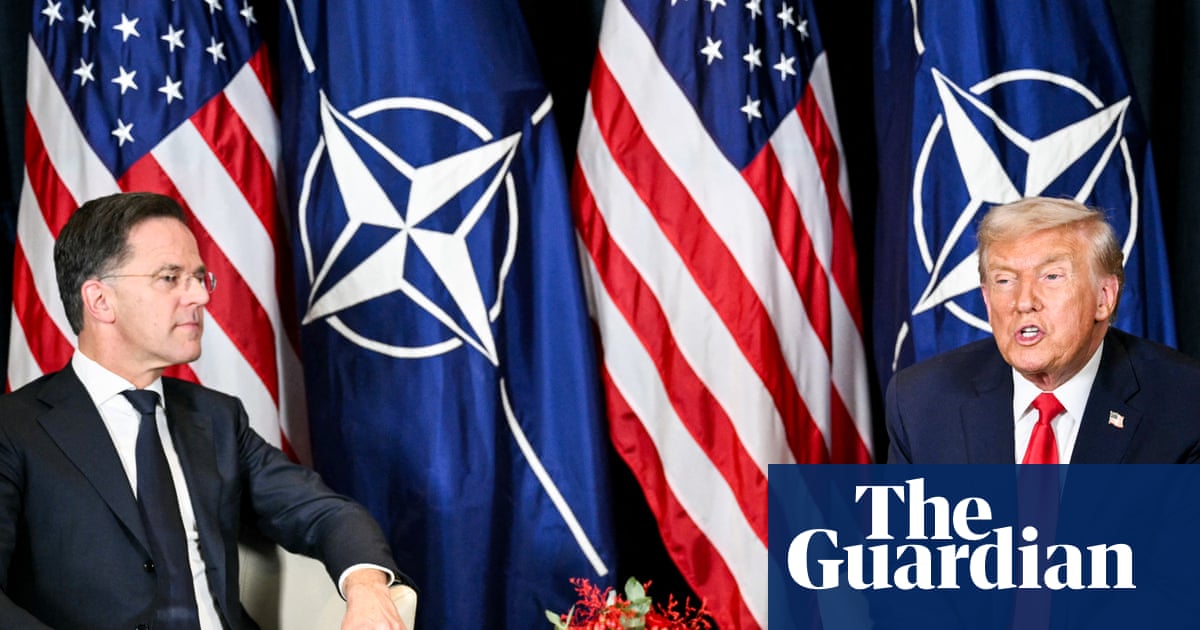
Donald Trump's behavior and threats towards NATO allies reflect his frustration and lack of effective options in the ongoing geopolitical crisis.
France politics
fromwww.theguardian.com
3 days agoYou have to be serious': Macron criticises Trump's mixed messages about Nato and Iran
Emmanuel Macron criticized Donald Trump's inconsistent statements on the Iran war and NATO, emphasizing the need for stability and seriousness in international relations.
World news
fromLondon Business News | Londonlovesbusiness.com
1 day agoUS Senator is 'convinced' Trump 'will use overwhelming military force' against Iran - London Business News | Londonlovesbusiness.com
Senator Lindsey Graham supports President Trump's ultimatum to Iran, threatening military action if they do not comply by April 6.

fromFortune
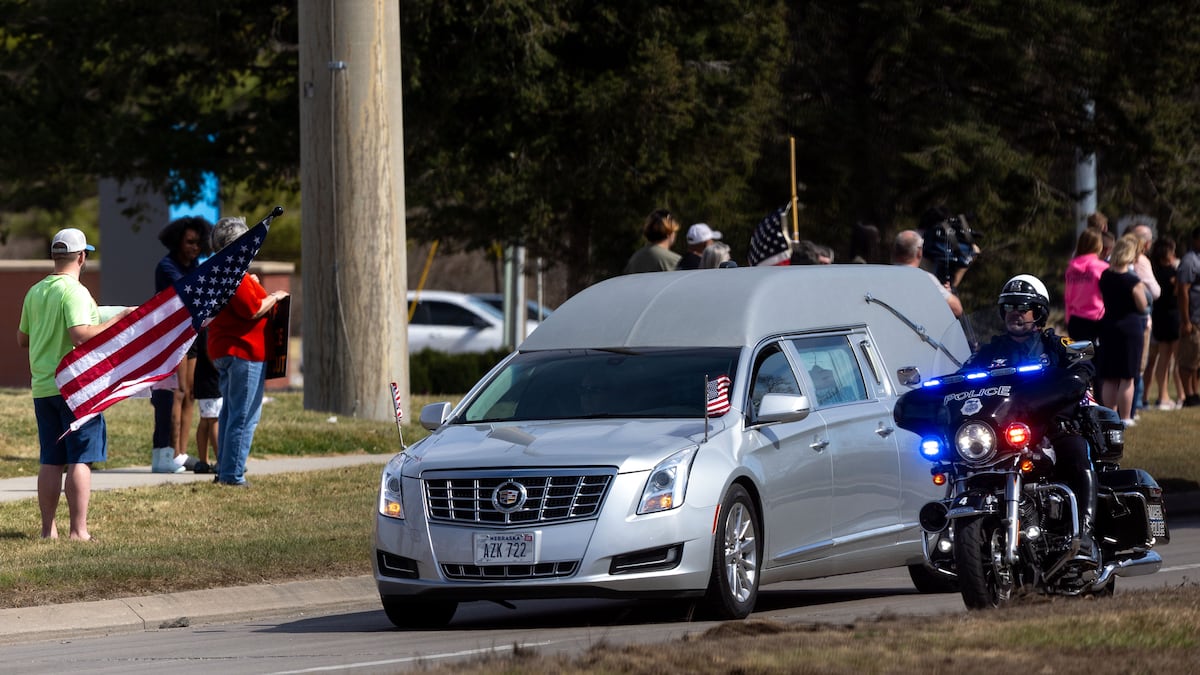
1 day agoThe World Cup is supposed to be an economic windfall. But 'you're seeing a lot of headwinds' now | Fortune
"The influx of visitors will likely generate billions of dollars in economic activity, benefiting the hospitality, transportation, and retail sectors. Host city hotels anticipate record occupancy, and local businesses will benefit from increased visitor traffic."
World news
fromJezebel
2 weeks agoThe U.S. Is So Over World Peace It Erased the Olive Branch from the Dime
For a nation whose founding symbols were carefully engineered around the balance of peace and war, that omission is hard to read as accidental. Dropping the olive branch from the dime isn't just a design choice: it's a cultural signal.
Washington DC
fromwww.aljazeera.com
6 days agoG7 ready to take necessary measures' to ensure energy market stability
We stand ready to take all necessary measures in close coordination with our partners, including to preserve the stability and security of the energy market, said the G7 in a statement after a teleconference.
World news
EU data protection
fromComputerworld
1 month agoUS orders diplomats to push back on data sovereignty
The US government directs diplomats to oppose data sovereignty laws globally, viewing them as threats to free data flows and AI development, while European support for such restrictions grows due to privacy and surveillance concerns.
World politics
fromwww.theguardian.com
5 days agoTrump is flailing in Iran. Every word he says adds to the muddle | Ted Widmer
Kennedy's effective communication contrasts sharply with Trump's divisive rhetoric during wartime, highlighting the importance of presidential words in uniting or dividing nations.
Europe politics
fromenglish.elpais.com
2 weeks agoThe EU is preparing to slam the door on Trump and cling to multilateralism
EU leaders prioritize multilateralism and rules-based order while addressing energy price surges and geopolitical instability driven by US-Iran conflict and Trump's foreign policy.
Europe politics
fromLondon Business News | Londonlovesbusiness.com
2 weeks agoTrump is dominating the war conversation, this should concern us all - London Business News | Londonlovesbusiness.com
Trump's policies on Ukraine military aid and Russia sanctions create uncertainty and undermine European security, shifting global conversation away from Russia's invasion toward concerns about US leadership.
World politics
fromwww.theguardian.com
2 weeks agoDear allies of America, please don't confuse our president for us | Robert Reich
Trump's unilateral military actions alienated traditional U.S. allies who refused participation, revealing a distinction between Trump's isolation and broader American values aligned with democratic nations and international institutions.

fromwww.theguardian.com
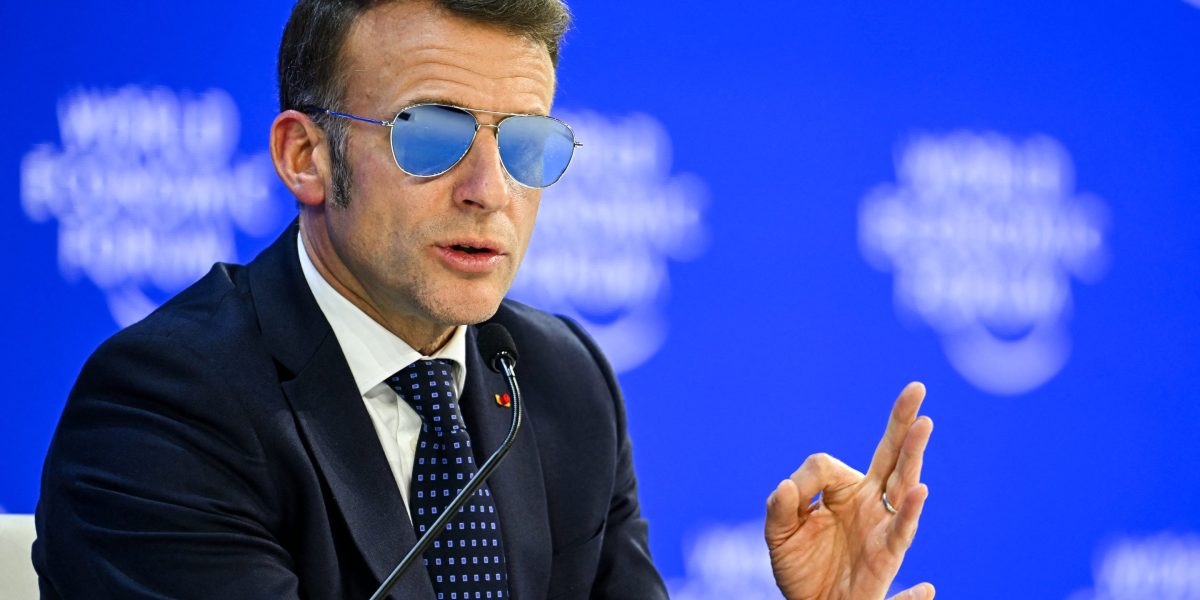
1 month agoThe world order we're leaving behind may be replaced by no order at all
The Canadian prime minister, Mark Carney, inspired a wave of enthusiastic nodding among the cosmopolitan crowd gathered in Davos last month when he took to the podium and proclaimed that the world order underwritten by the United States, which prevailed in the west throughout the postwar era, was over. The organizing principle that emerged from the ashes of the second world war, that interdependence would promote world peace by knitting nations' interests together in a drive for common security and prosperity, no longer works.
World news
fromwww.aljazeera.com
2 months agoWhy is the US quitting international organisations?
There are more signs that the United States is disengaging from the global order established after World War II. President Donald Trump has ordered his administration to pull out of more than 60 agencies, half of them part of the United Nations. Trump argues that being a member of these organisations is contrary to his country's interests. The secretary of state went as far as saying they're useless or wasteful.
World news
fromwww.eastbaytimes.com
2 months agoUS will exit dozens of international organizations as it further retreats from global cooperation
Most of the targets are U.N.-related agencies, commissions and advisory panels that focus on climate, labor and other issues that the Trump administration has categorized as catering to diversity and woke initiatives. The Trump Administration has found these institutions to be redundant in their scope, mismanaged, unnecessary, wasteful, poorly run, captured by the interests of actors advancing their own agendas contrary to our own, or a threat to our nation's sovereignty, freedoms, and general prosperity, the State Department said in a statement.
US politics
fromwww.esquire.com
2 months agoTrump Says His Morality Is the Only Thing Stopping Him from Exerting Global Power
At the beginning of The Sting, veteran con-man Henry Gondorff explains the way of the big con to ambitious rookie Johnny Hooker, who wants to play for a vicious mobbed up New York banker. It's not like playing winos in the street. You can't outrun [the guy]. . . . You gotta keep his con even after you take his money.
US politics
fromIntelligencer
2 months agoTrump vs. America's Allies
It might seem obvious enough, one year into Donald Trump's second term, that he will leave behind an enormously destructive-and plenty durable-domestic legacy. He is the president who urged on a violent insurrection, transformed a major political party into his personal cult, and yanked America in a far more nativist direction. The old free-trading Republicans are now full converts to Trump's manic tariff regime. Meanwhile, the Supreme Court and the federal judiciary are stacked with Trump appointees, validating his right-wing policy.
US politics
fromemptywheel
2 months agoTime to Unplug the American Century and Restart the Machine - emptywheel
Three of the four things that gave Trump a foothold, in my opinion, were failures in this century (the fourth is the legacy of slavery and the organized political violence that replaced it). The other three, though, are the War on Terror, the financial crisis, and social media. (COVID was the final catalyst, I think; having moved during the height of COVID, I can't express how much worse the US dealt with it than much of the EU.)
World news
[ Load more ]