#us-regional-warming
#us-regional-warming
[ follow ]
#climate-change #snowpack #california #heat-wave #drought #wildfires #extreme-weather #environmental-impact #weather





#wildfires
Environment
fromwww.scientificamerican.com
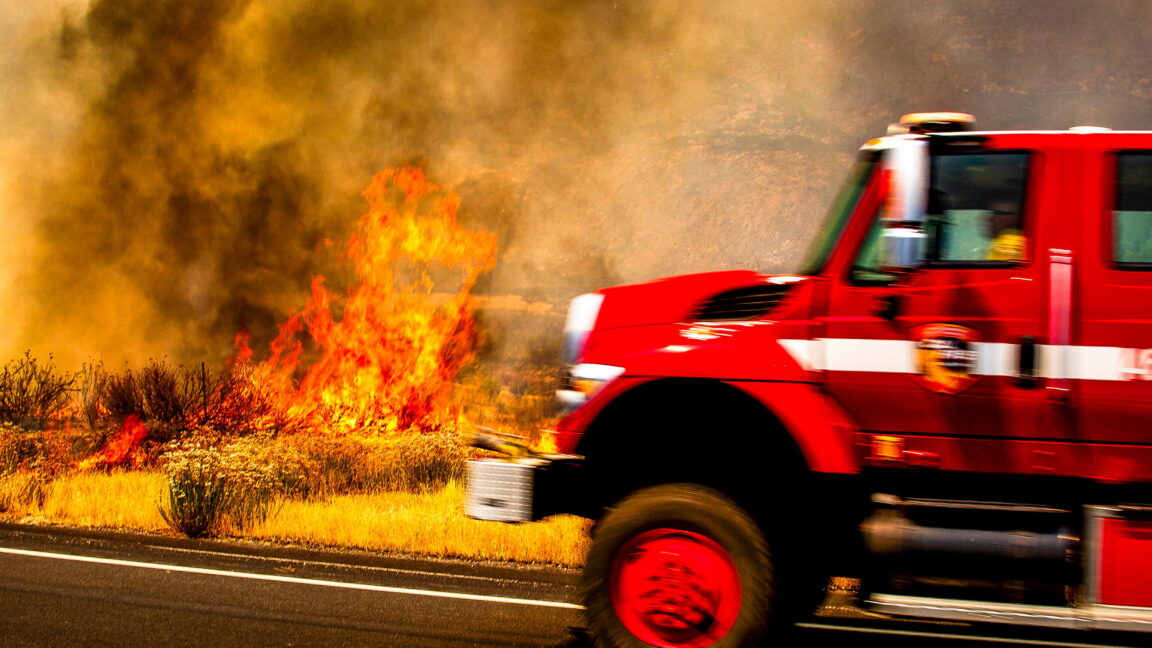
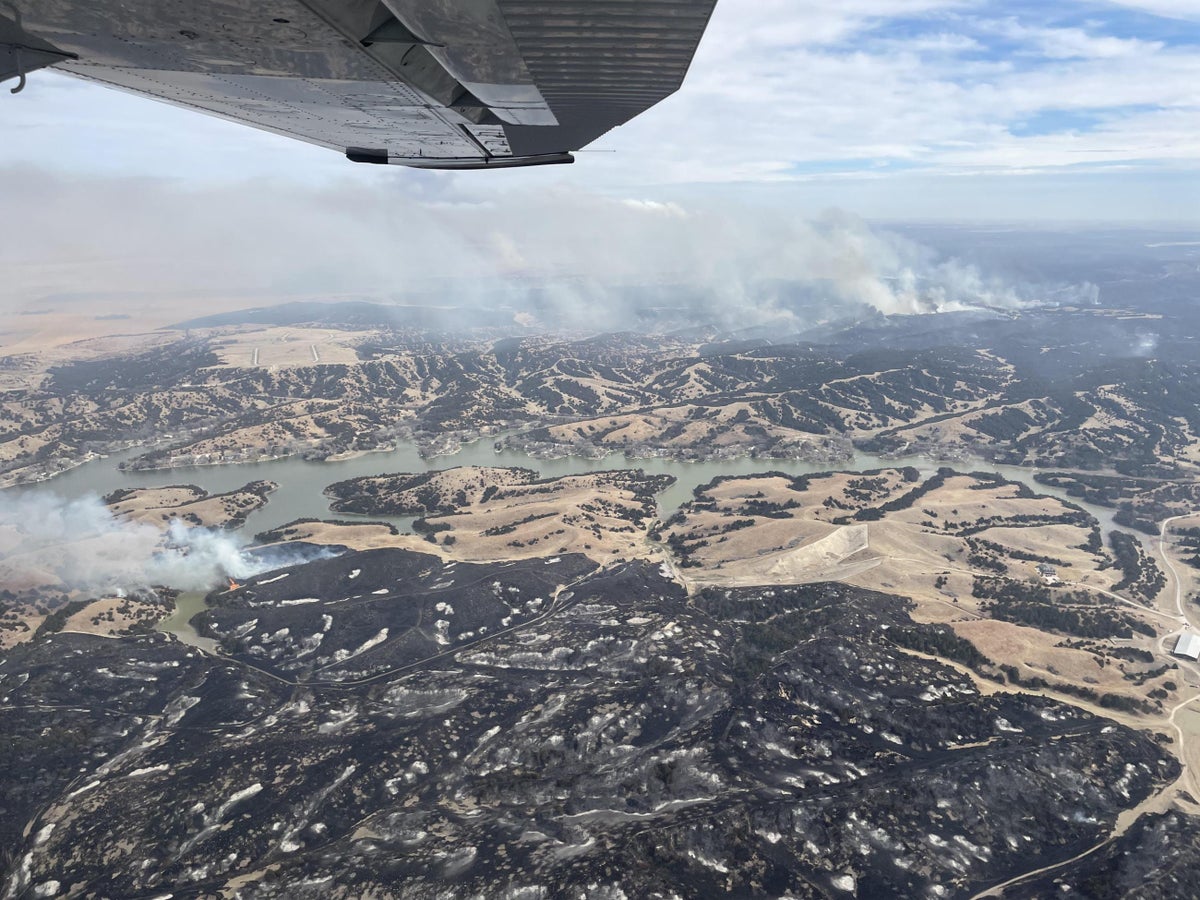
2 weeks agoNebraska is battling its largest wildfires in history. Worse may be yet to come
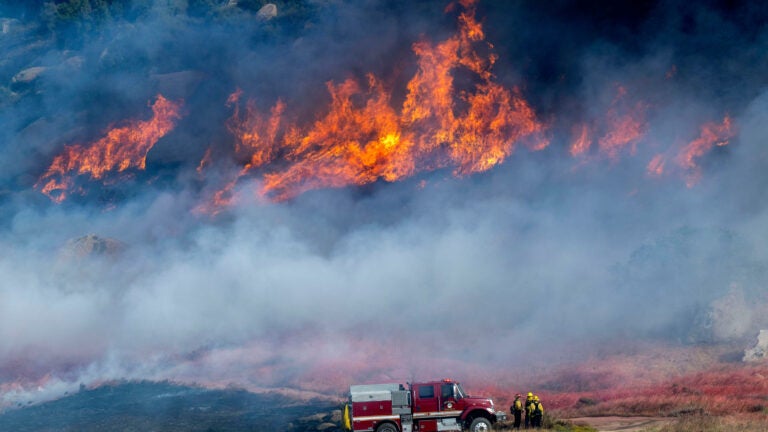
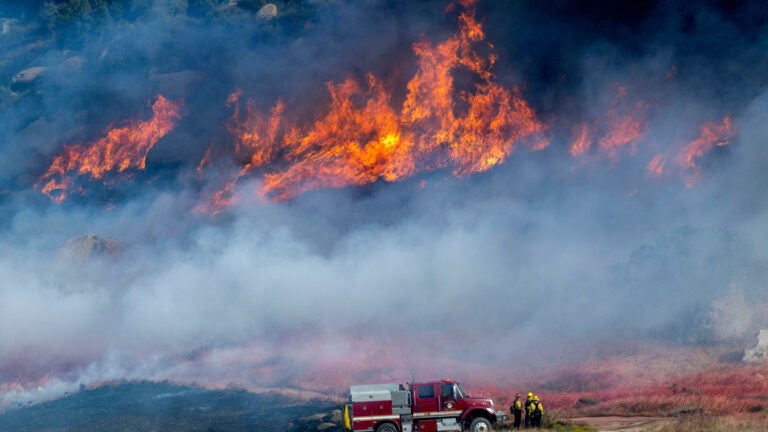
Nebraska experiences its largest wildfires in history, burning 800,000 acres with at least one death, driven by extreme heat, low humidity, high winds, and severe drought.
fromFuturism
1 day agoEPA Now Values Human Lives at $0
When lives are assigned a higher dollar value, stricter pollution standards tend to clear the 'economic efficiency' sniff test, resulting in cleaner air. But that improved air quality comes at the expense of America's industrial industries, which have to invest in pricey systems to reduce the amount of these pollutants they spew down to acceptable levels.
US Elections
fromwww.theguardian.com
2 days agoWhy reducing air pollution deaths isn't just about reducing air pollution
Air pollution is the second-largest risk factor for early death globally. Traditionally, our response has focused on reducing the levels of pollution people breathe, but this is only part of the story.
Public health


fromFast Company
4 days agoSee it: Air temperatures and pollution around the world are captured in real time in these animated weather maps
We created Earth in Action to provide a lens into what's happening on our planet, as it happens. Whether it's something typical, like the current air temperature, or an extreme event like a major dust storm, we wanted to provide an opportunity for people to see them.
OMG science
fromHigh Country News
4 days agoForest Service overhaul sows confusion, concern - High Country News
"Nobody is asking for this. None of the farm groups want this. No one in conservation wants this. Nobody." Robert Bonnie, former Forest Service undersecretary, highlights widespread opposition to the reorganization.
Washington DC

#heat-wave

San Francisco
fromABC7 San Francisco
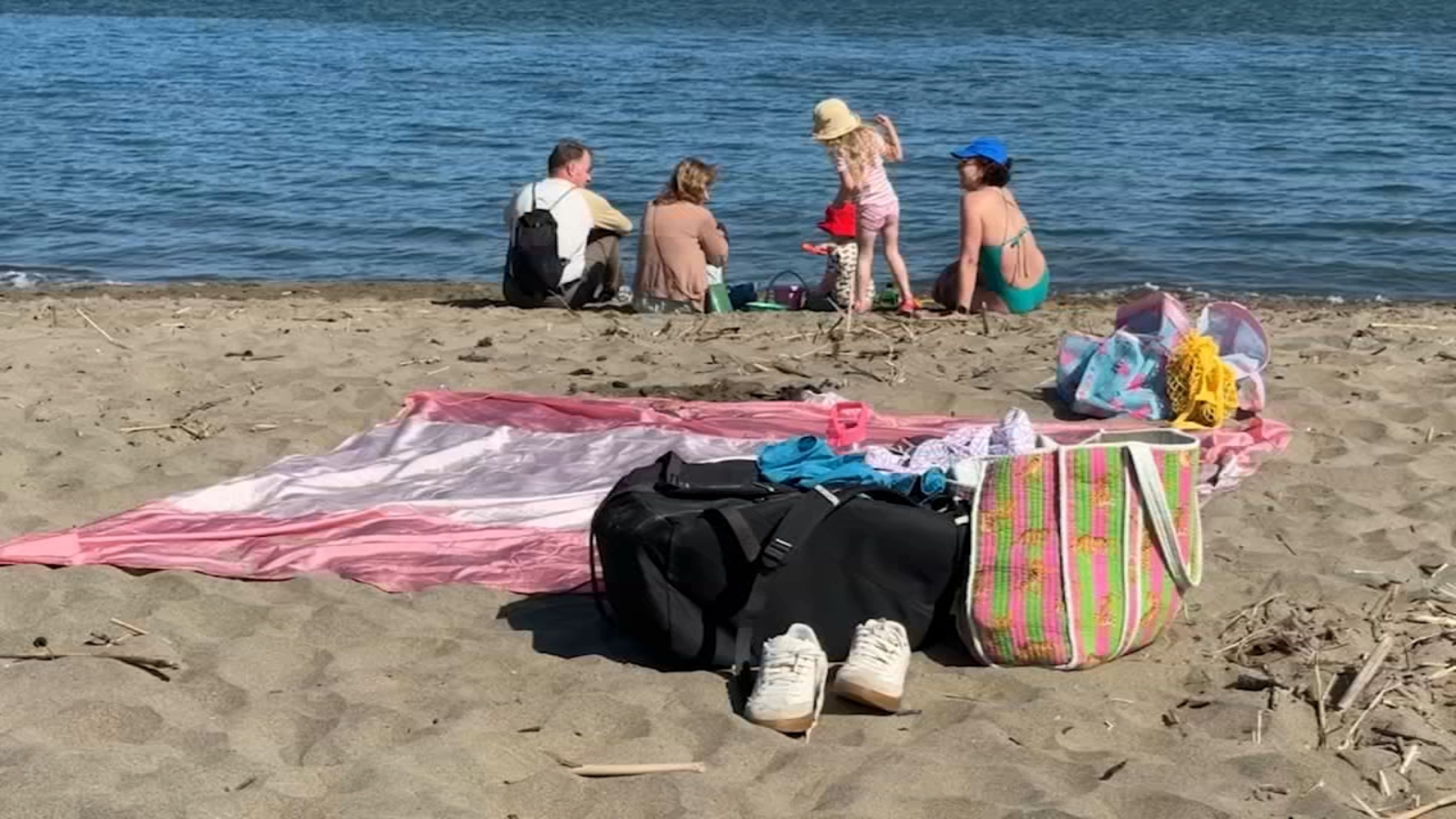
2 weeks agoHere are some ways to prepare as record-breaking March heat hits the Bay Area
The Bay Area faces an unprecedented March heat wave with record-breaking temperatures and a heat advisory through Friday, prompting officials to urge residents to take safety precautions.
fromLos Angeles Times
2 weeks agoSouthern California's heat wave hasn't peaked yet and it's already breaking records
During this heat wave, "not only are daily temperature records likely to be broken across the region, but even the high temperature records for any day in the entire month of March," the National Weather Service said in a Tuesday morning forecast.
Los Angeles
fromThe Washington Post
2 weeks agoIt's so hot in the West that temperatures may even break April records soon
Not only will temperatures break March monthly records, but this heatwave will even break April records. Over the next week, around 800 high temperature records are forecast to be neared, tied or broken at 165 locations in Western and Central states - some by more than 10 degrees - with unusual warmth set to linger into late March.
US news
Environment
fromFortune
4 days agoData centers are so hot, their 'heat island' effect is raising temperatures up to 6 miles away and impacting 343 million people worldwide, study finds | Fortune
AI infrastructure is creating a 'data heat island effect' that raises local temperatures and impacts millions of people.
fromHigh Country News
3 weeks agoA shrinking Colorado River is forcing farms to change - High Country News
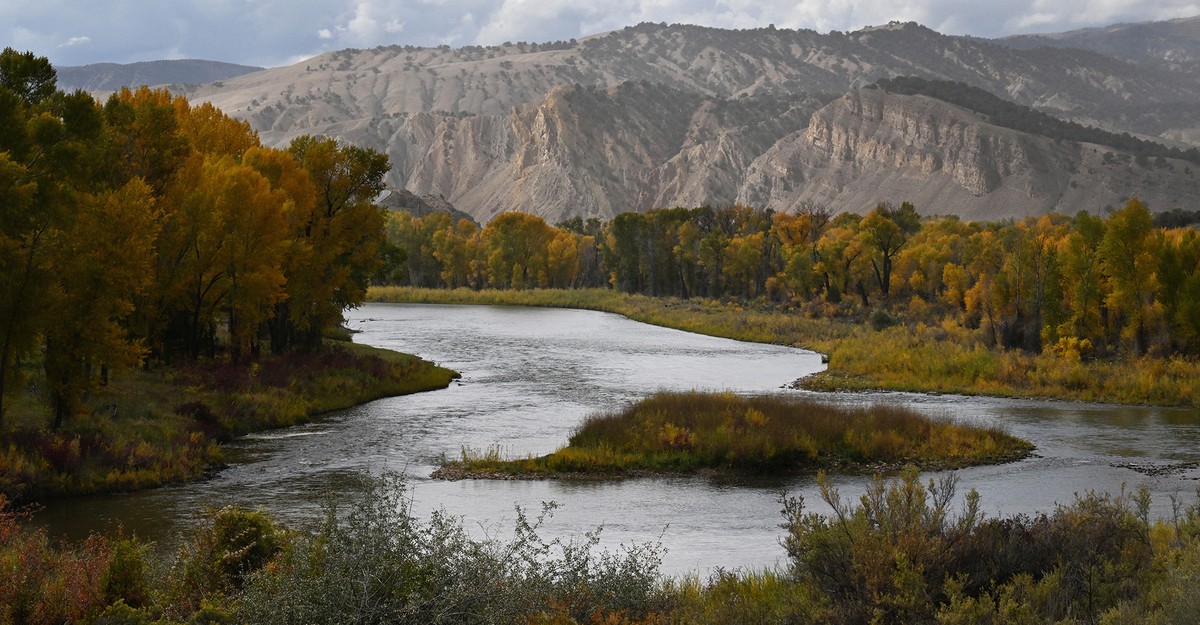
The Colorado River is an interconnected system, sustained by Rocky Mountain snowpack, rainfall and groundwater. It is fragile, and under increasing stress. Two and a half decades into this century, the river that built the modern West has 20% less water flowing through it than it did on average in the last century. As heat and drought intensify, so do the stakes: Failure to recognize the severity of changing conditions, managing the river in parts without considering needs of the whole and inadequate planning for long-term shortages put the future of all the basin at risk.
Agriculture
#extreme-heat

Environment
fromwww.theguardian.com
3 weeks agoBlistering early-season heatwave threatens California and other western states
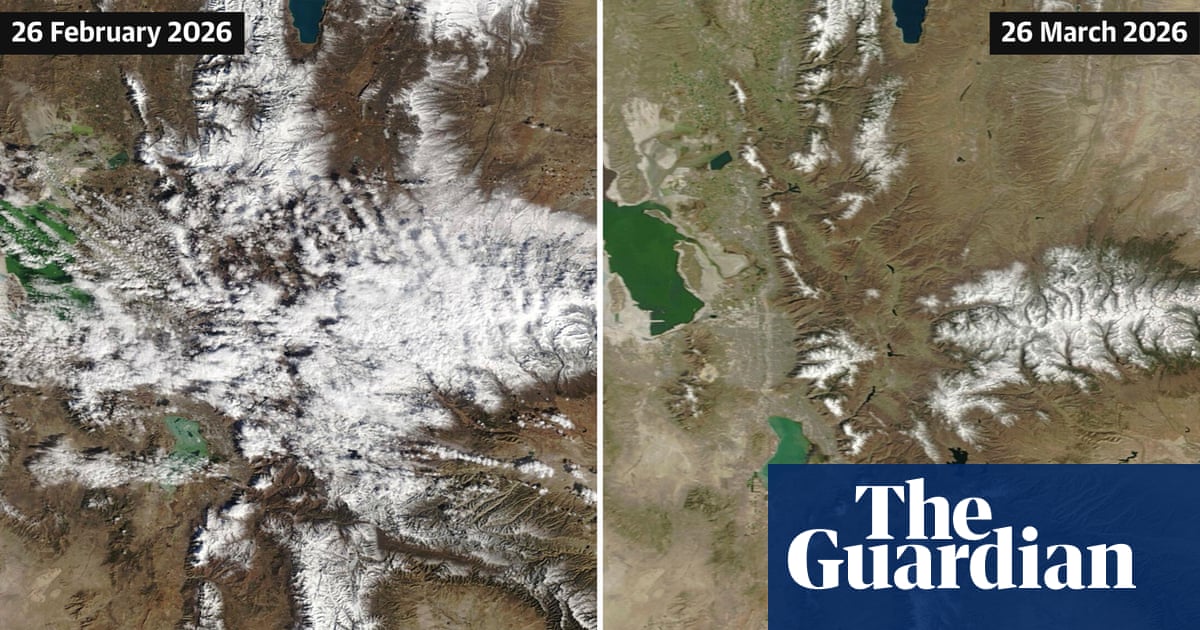
An early-season heatwave will bring temperatures 20-30°F above normal across western US states, threatening daily and all-time March records while intensifying drought concerns amid record low snowpack.
Environment
fromwww.theguardian.com
3 weeks agoBlistering early-season heatwave threatens California and other western states
An early-season heatwave will bring temperatures 20-30°F above normal across western US states, threatening daily and all-time March records while intensifying drought concerns amid record low snowpack.
fromwww.npr.org
3 weeks agoSnow and wind batter parts of US, with threat of thunderstorms and tornadoes
Successive punches of snow, wind and severe weather are "going to impact the eastern half of the United States," AccuWeather senior meteorologist Tyler Roys said in an interview. Beyond the threat to lives and property, "whether it's wind gusts from a squall line, blizzard or snow, or just wind because of the storm, you're looking at several major airports being impacted."
US news
fromSFGATE
4 days agoHawaii storms produced enough rain to fill 3 million Olympic swimming pools
The powerful March storms that drenched Hawaii produced more than 2 trillion gallons of rain and pushed precipitation levels to as much as 3,000% above normal in a 14-day period for this time of year.
Environment
#california-water-crisis
Agriculture
fromwww.pressdemocrat.com
1 month agoLow snowpack, higher temperatures cause concern for Bay Area scientists, farmers
California needs significant March rain and snow to restore water resources after an unusually warm winter, despite February storms improving reservoir levels to 70-80% capacity.
Environment
fromLos Angeles Times
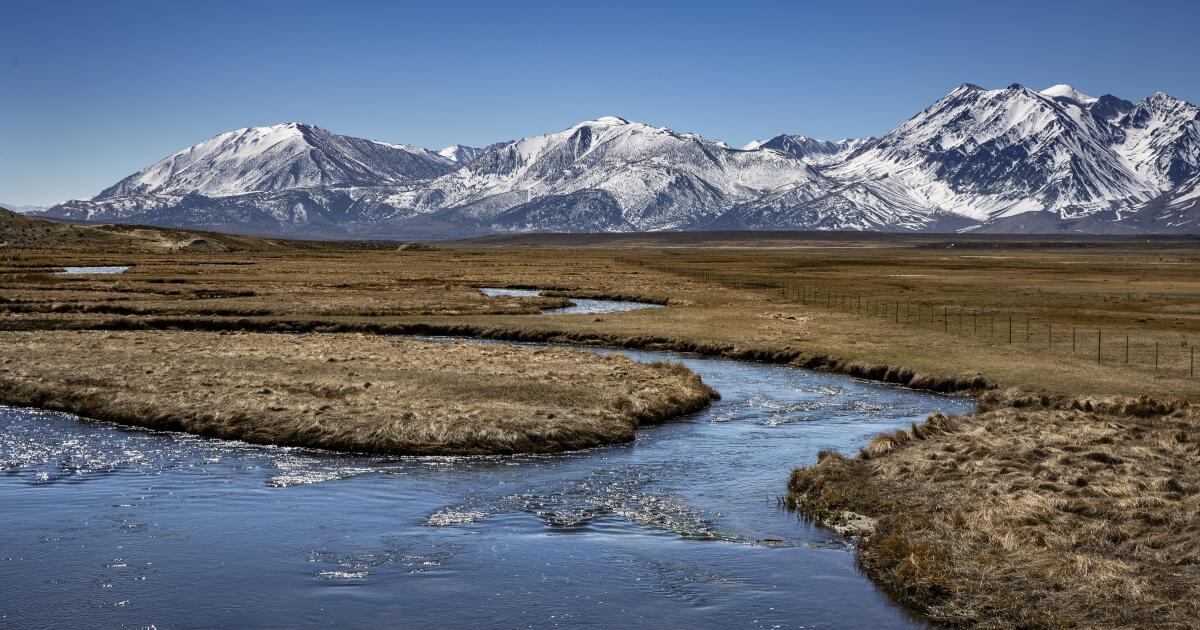
2 weeks agoCalifornia's snowpack was already meager. Now comes an extraordinary heat wave
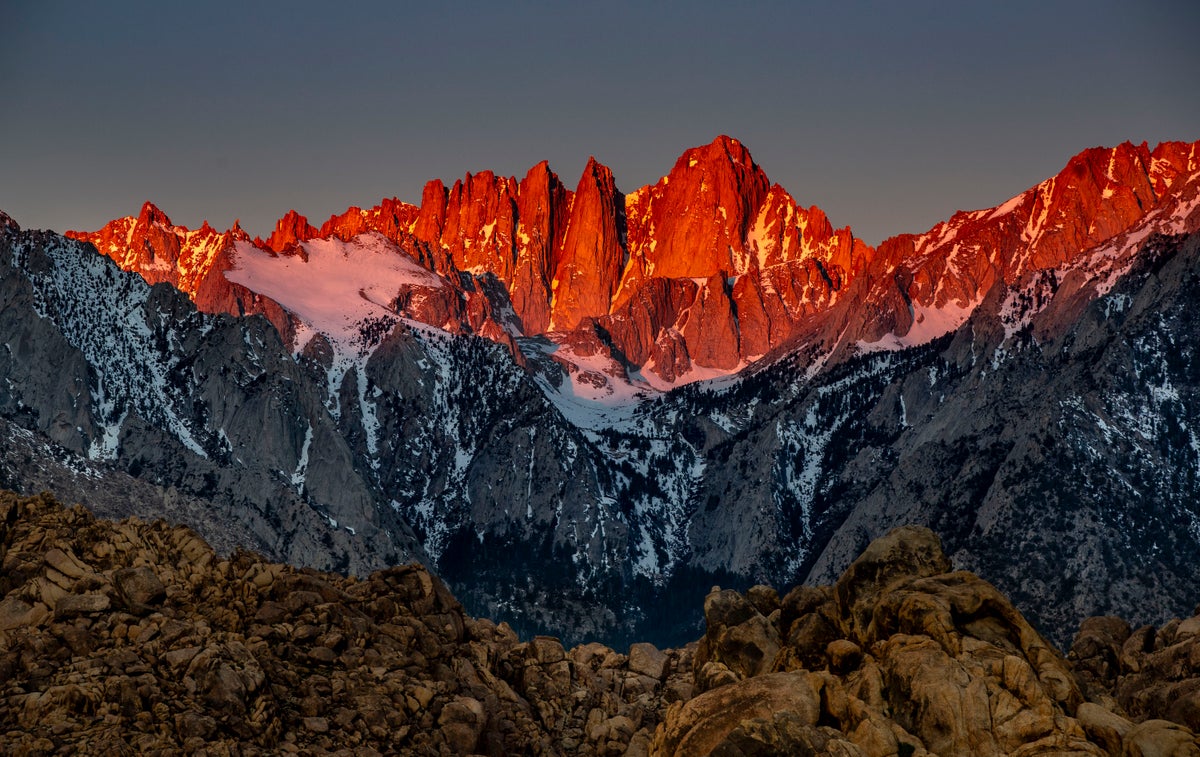
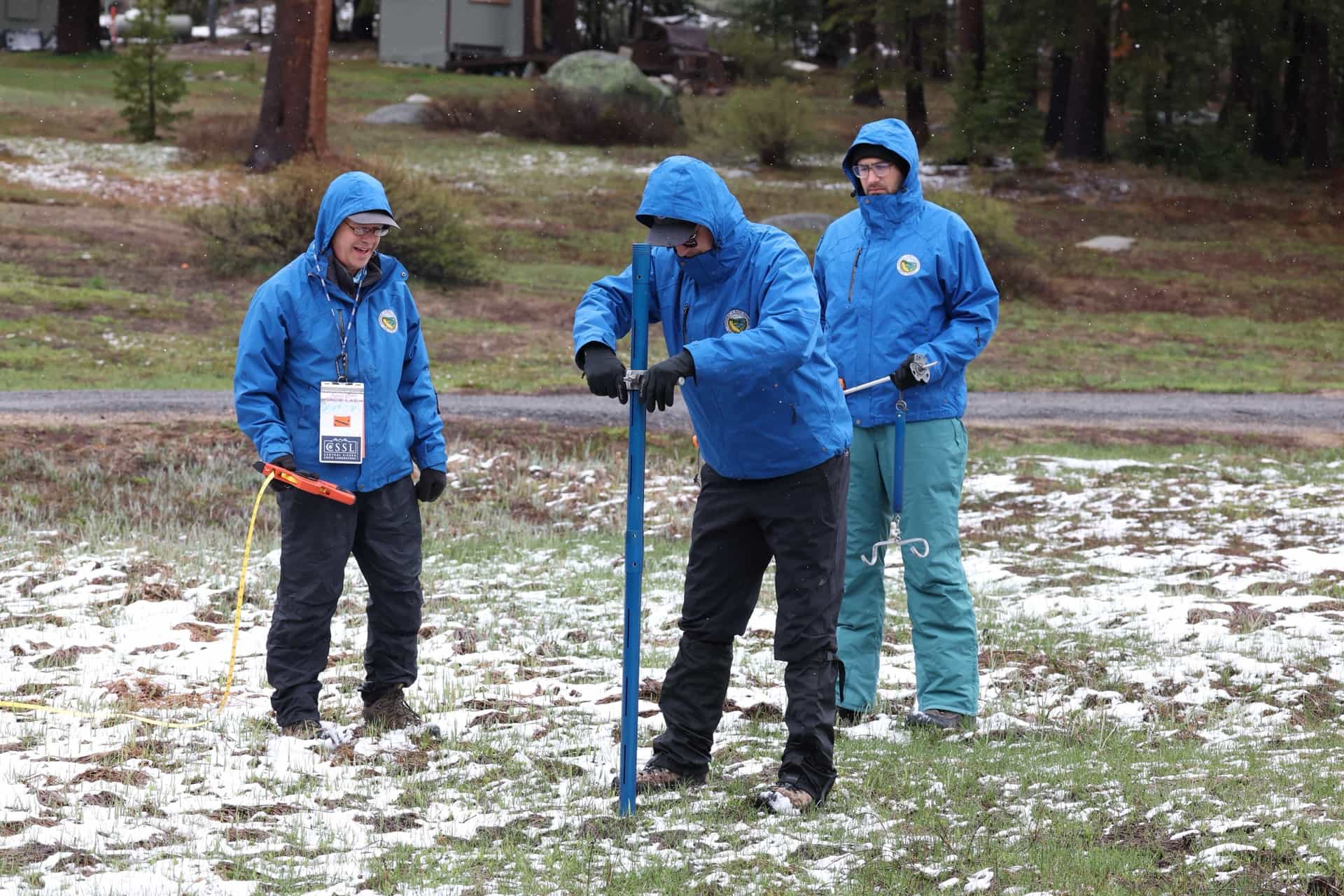
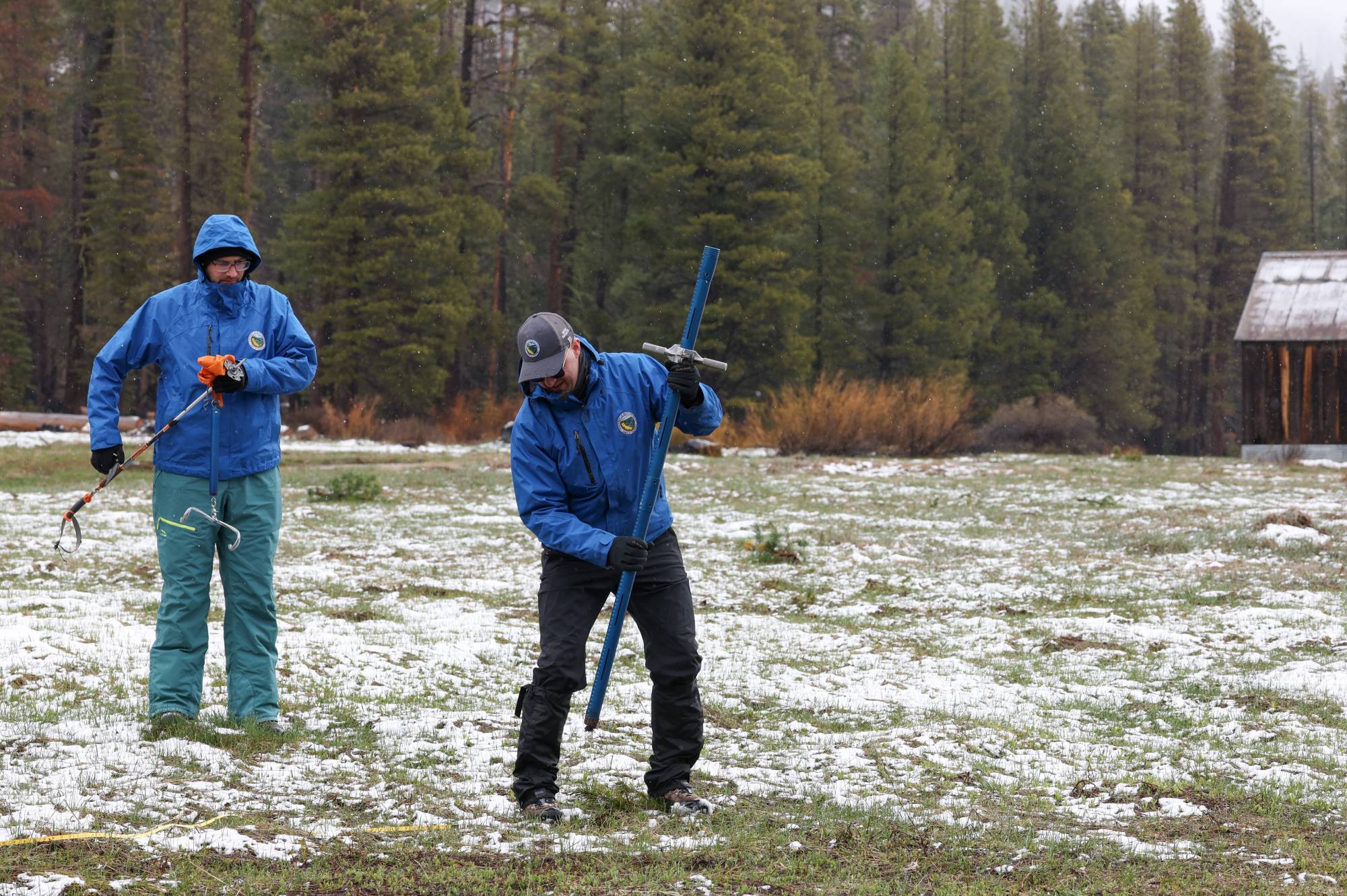
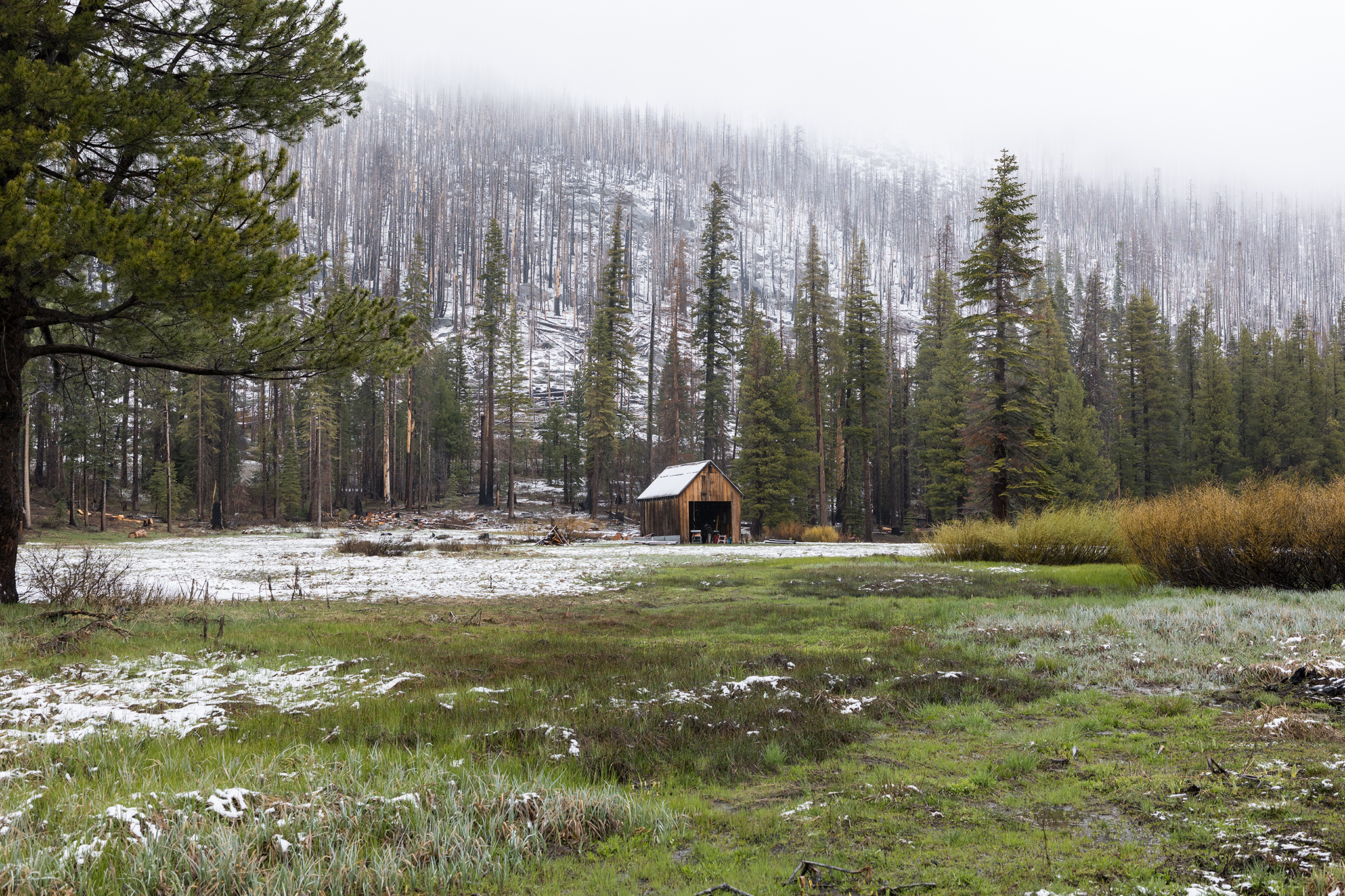
California's Sierra Nevada snowpack is at 48% of average due to an extremely warm winter, with rapid melting accelerated by an incoming heat wave threatening the state's water supply.
fromwww.theguardian.com
1 month agoExtreme heat lab: enduring the climate of the future
"So whenever people think about hot weather, they always talk about the temperature," he says. "There's two issues with that. First of all, most people don't realise that the temperature is measured in the shade. So if you're in direct solar radiation, the amount of heat stress you're exposed to is much greater as it will stress your body out a lot more."
Public health
Environment
fromwww.theguardian.com
3 weeks agoA sobering preview': extreme heat now affects one in three people globally, study finds
One-third of the world's population now lives in areas where extreme heat severely restricts safe daily activities, with elderly people experiencing over 900 hours annually of heat-limited outdoor time.
fromNature
1 month agoThe world is getting hotter faster - its pace nearly doubled in the past decade
Because the past three years have shattered temperature records, researchers have been exploring whether global warming is accelerating, and if so, why. Many scientists agree that the rate at which it is increasing has picked up. This is mainly because of a reduction in air pollution following the introduction of fuel regulations for international shipping (which has resulted in fewer pollutant particles that reflect sunlight into space and seed insulating clouds).
Environment

[ Load more ]