#utility-reform
#utility-reform
[ follow ]





#power-grid


SF politics
fromFortune
5 days agoHyperscalers often lack the "aptitude" on power as the political push picks up to expedite grid connections and pipelines | Fortune
Federal efforts to expedite power grid interconnections face challenges due to hyperscalers' communication issues and lack of understanding of processes.
European startups
fromFortune
4 days agoEmerald AI and Nvidia aim to offer the fast pass for data center grid connects, partnering with power producers and raising new funds | Fortune
Emerald AI aims to enhance grid flexibility for data centers, reducing peak power consumption while maintaining high reliability.
Los Angeles
fromLos Angeles Times
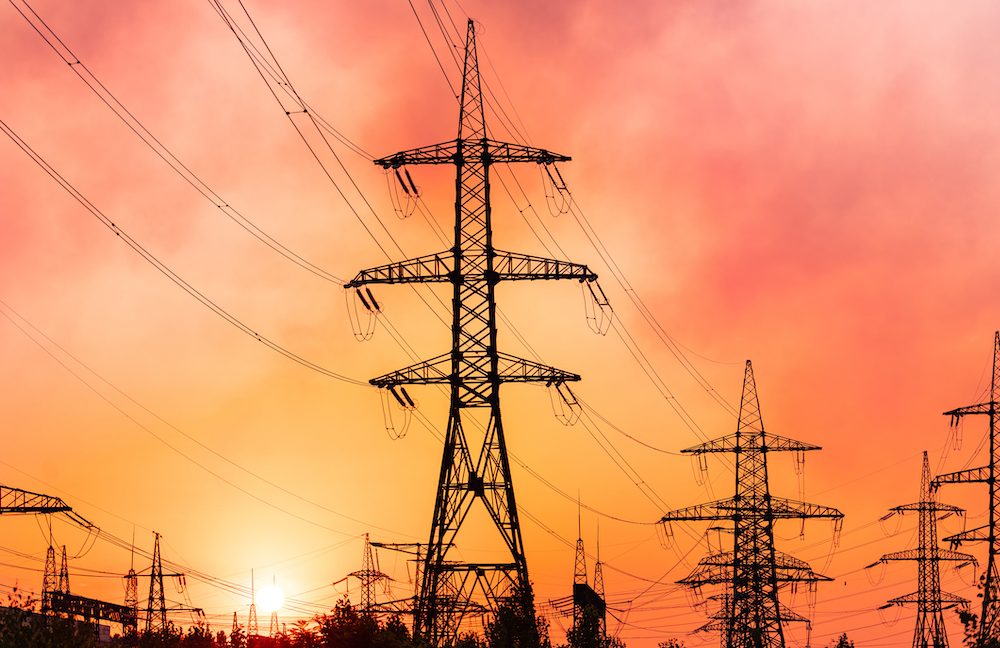
2 weeks agoHundreds of Edison customers, courthouse lose power during scorching SoCal heat wave
A power outage affecting 447 Southern California Edison customers near LAX knocked out the Los Angeles County Airport Courthouse, forcing urgent cases to relocate to other courthouses until power restoration by 6 p.m.
#renewable-energy
Environment
fromEarth911
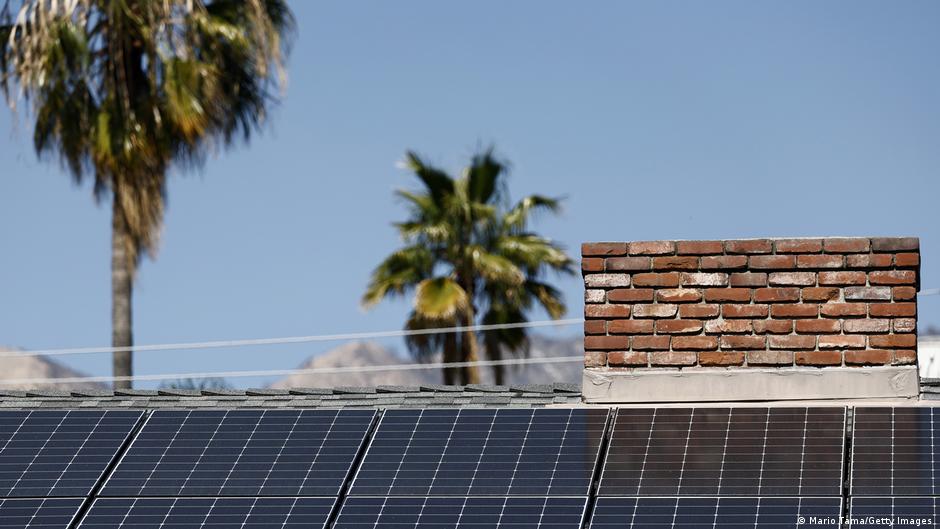
5 days agoSustainability In Your Ear: Schneider Electric's Steve Wilhite Maps the Renewable Energy Transition
The global energy system is shifting to distributed renewables and digital optimization, with a significant gap between corporate sustainability ambitions and delivery capabilities.
Environment
fromEarth911
5 days agoSustainability In Your Ear: Schneider Electric's Steve Wilhite Maps the Renewable Energy Transition
The global energy system is shifting to distributed renewables and digital optimization, with a significant gap between corporate sustainability ambitions and delivery capabilities.
US news
fromwww.npr.org
3 weeks agoEasy-to-use solar panels are coming, but utilities are trying to delay them
Plug-in solar panels that connect to standard outlets are gaining traction in the U.S. as a cost-effective alternative to traditional rooftop solar, though utility opposition based on safety concerns is slowing legislative adoption.
fromTechCrunch
3 weeks agoGoogle and Tesla think we're managing the electrical grid all wrong | TechCrunch
The group points out, correctly, that the grid is designed for brief bursts of high demand; most of the time there's lots of capacity that goes unused. Utilize thinks that should change. The group argues that smarter ways to use that capacity already exist. Utilize name checks a number of those solutions, including battery storage, demand response, and virtual power plants, all of which have emerged en masse over the last decade, but remain under utilized.
Toronto startup
Tech industry
fromFortune
2 weeks ago"A bend in the trajectory": U.S. data center development has hit snags because the power grid is approaching its limits to support them | Fortune
Data center development slowed significantly in Q4 2025, with capacity additions dropping 50% quarter-over-quarter, signaling that unlimited AI-driven growth projections may not materialize due to power infrastructure constraints.
California
fromLos Angeles Times
3 weeks agoFuel, energy prices raise the pressure as California officials take next steps on climate
California's cap-and-invest climate program faces opposition over concerns it could increase energy costs while tightening emissions caps and reducing free allowances to industrial facilities.


#utility-rate-hikes

Tech industry
fromFortune
1 month agoYour utility bills keep going up. Here's everyone you can blame-AI data centers included | Fortune
Electric and natural gas bills surged as major inflation drivers in 2025, with utilities requesting record $31 billion in rate hikes amid aging infrastructure, climate impacts, and AI data center demand.
#electricity-prices
Environment
fromFortune
2 weeks agoYour electricity bill keeps rising. Here's what's actually causing it-and how to fix it | Fortune
Rising retail electricity prices stem from structural issues including surging demand, increased infrastructure spending, and regulatory models that reward utility overspending, while proposed fixes like rate freezes and permit blocks would worsen the problem.
Environment
fromFortune
2 weeks agoYour electricity bill keeps rising. Here's what's actually causing it-and how to fix it | Fortune
Rising retail electricity prices stem from structural issues including surging demand, increased infrastructure spending, and regulatory models that reward utility overspending, while proposed fixes like rate freezes and permit blocks would worsen the problem.
fromEngadget
2 weeks agoStates are suing the EPA for relinquishing its role as a greenhouse gas emissions regulator
The lawsuit specifically argues that the EPA's decision to rescind a 2009 study that determined greenhouse gases are dangerous to public health was illegal. The study, which is the source of what's called the "Endangerment Finding," was one of several justifications - along with things like the Clean Air Act - for the agency's ability to regulate emissions.
Environment
Environment
fromArs Technica
2 weeks agoCoal plant forced to stay open due to emergency order isn't even running
The Trump administration uses emergency orders to keep uneconomical coal plants operational despite cheaper renewable and natural gas alternatives, citing grid reliability while data shows minimal actual energy contribution.
fromSFGATE
2 months agoA big change is coming to your PG&E bill. Here's what it means.
The change, which follows a 5% rate cut that went into effect Jan. 1, comes on the heels of rising tensions between the utility, its customers and Bay Area leaders. Multiple blackouts just before Christmas and New Year's Day left tens of thousands of San Francisco residents without electricity for several days, drawing widespread attention and even prompting some government officials to call for a shift away from PG&E infrastructure.
San Francisco
fromwww.amny.com
2 months agoPower struggle: Why the New York Power Authority is taking heat over cutbacks on renewable energy amNewYork
Yet four years away from that deadline, not only is the Empire State 15 gigawatts (GW) shy of its goal but also investments in renewable energy are dipping. On Dec. 19, 2025, Gov. Kathy Hochul signed the Public Renewables Transparency Act, sponsored by Assembly Member Sarahana Shrestha (D-Ulster County), to open up the New York Power Authority's (NYPA) conferral process
New York City
fromSan Jose Spotlight
2 months agoFact Brief: Do Santa Clara residents pay a fraction of what San Jose residents pay for electricity? - San Jose Spotlight
San Jose Spotlight is an award-winning nonprofit newsroom dedicated to fearless journalism that disrupts the status quo, uplifts marginalized voices, holds power to account and paves the way for change.
US news
fromLos Angeles Times
1 month agoCalifornia wants millions of heat pumps. High power bills might get in the way
An all-electric, energy-efficient alternative to gas-burning furnaces, heat pumps are widely seen as the climate-friendly home heater of choice. They can do double-duty as both home heaters and AC units and are pretty good at maintaining a constant temperature inside a home without the blast-then-cool-off cycle typical of a furnace.
Environment
fromLos Angeles Times
2 months agoWildfire victims decry state law protecting utilities from cost of disasters they cause
Southern California Edison says that with the help of those state laws it expects to pay little or even none of the damage costs of the Eaton fire, which its equipment is suspected of sparking. But in recent filings to state officials, fire victims and consumer advocates say the law has gone too far and made the utilities' unaccountable for their mistakes, leading to even more fires. "What do you think will happen if you constantly protect perpetrators of fires," said Joy Chen, executive director of the Eaton Fire Survivors Network.
California
fromFast Company
1 month agoHow to meet the surging energy demand without needing as much new electricity
When Specian dug into the data, he discovered that implementing energy-efficiency measures and shifting electricity usage to lower-demand times are two of the fastest and cheapest ways of meeting growing thirst for electricity. These moves could help meet much, if not all, of the nation's projected load growth. Moreover, they would cost only half-or less-what building out new infrastructure would, while avoiding the emissions those operations would bring.
Environment
fromwww.npr.org
1 month agoIt's been five years since catastrophic Texas blackouts. How much has changed?
Sade Hogue was five months pregnant with her second daughter when her home lost power during a deadly 2021 winter storm that left millions of Texans without power or heat for days. Hogue and her family went to stay with relatives who still had electricity. Then, a few days later, they also lost power. "Not only are you worried about you, but you're worried about the unborn child because you don't know what the effects of this freeze is doing to the child as well,"
Environment
[ Load more ]