#vancouver-goldeneyes
#vancouver-goldeneyes
[ follow ]
#conservation #bald-eagles #birdwatching #wildlife-conservation #wildlife #wildlife-rescue #bald-eagle
fromGothamist
1 day agoRock it like a woodcock: This Bryant Park bogsucker is NYC's latest 'it bird'
"It's the way they walk. That's what the main attraction is," said self-described amateur birder Sheeba Garg, who traveled to Bryant Park specifically to see the American woodcock during its migration.
NYC music

fromSFGATE
1 day agoSeabirds are dying in large numbers along California beaches
"They didn't even try to fly away. They just feebly made noise," a woman told the Santa Barbara Independent on Saturday after spotting over two dozen dead or dying cormorants near Goleta Beach. "A few were on their stomachs, wings spread [and] gasping for breath.... Heartbreaking."
Miami Marlins


fromMail Online
5 days agoBritain has just 20 years to save its wildlife, experts warn
'Our results show that the next 20 years are critical,' lead author Dr Rob Cooke told the Daily Mail. 'By around 2050, we reach a point where the choices we make on emissions and land use will largely determine whether Britain moves towards a much more degraded or a much more nature‑positive future.'
Environment

London politics
fromwww.independent.co.uk
2 weeks agoMarket town pledges to save butterflies from shocking decline in UK first
Gillingham becomes the first UK local authority to commit to a nationwide challenge reversing butterfly population decline through habitat protection, pesticide elimination, and light pollution reduction.
Renovation
fromDesign Milk
3 weeks agoA North Vancouver Residence and Pool House Connected by Landscape
Two combined North Vancouver lots create a unified landscape where a main residence, pool house, and greenhouse function as integrated moments within continuous terrain rather than separate structures.
Miscellaneous
fromwww.npr.org
3 weeks agoCome along with some geese as they migrate back from their southern winter havens
Geese migrate northward from late February to May following the 'green wave' of vegetation growth and warming temperatures, traveling along four major North American flyways to reach summer breeding grounds with less resource competition.
fromwww.mercurynews.com
4 weeks agoAccessible walks bring the joys of birding to people with mobility and other limitations
It's an opportunity for people to get out and see birds without pressure, no matter how long it takes or how many birds we see, said OBara, a retired nurse who has been leading the accessible outings for three years. She said disabled people often cannot keep up on traditional outings, especially when competitive birders are focused on checking off a list of the greatest possible number of species.
Skiing
fromHigh Country News
1 month agoCoyotes and cougars and rats, oh my! - High Country News
An unnamed tourist saw it and told Aidan Moore, who works for Alcatraz City Cruises. Moore told SFGATE that he was initially skeptical, but the guest's iPhone footage left little room for doubt. The video shows, not a sea lion or an otter, but an actual Canis latrans, doggedly dogpaddling, then clambering out of the water, noticeably shaky and struggling to settle tired paws on the craggy rocks.
California
fromwww.theguardian.com
2 weeks agoSmall changes in how we garden can make a big difference to birds | Letter
Around a third of UK gardeners use pesticides, and our studies found that house sparrow numbers, for example, were nearly 40% lower in gardens where the pesticide metaldehyde was used. By reducing pesticide use, you can actively encourage birds back into your outdoor spaces, as they rely on invertebrates such as slugs and snails as natural prey.
Pets
fromwww.theguardian.com
1 month agoI did it. I actually saw a Cetti's warbler | Lev Parikian
Cetti's warblers barely existed in Britain in my childhood, with just a handful of sightings. But since the first breeding record in 1972 they've made inroads. Nowadays, if I visit a watery reserve and don't hear one, I write a strongly worded letter of complaint to the relevant authorities.
London music
fromFOX Weather
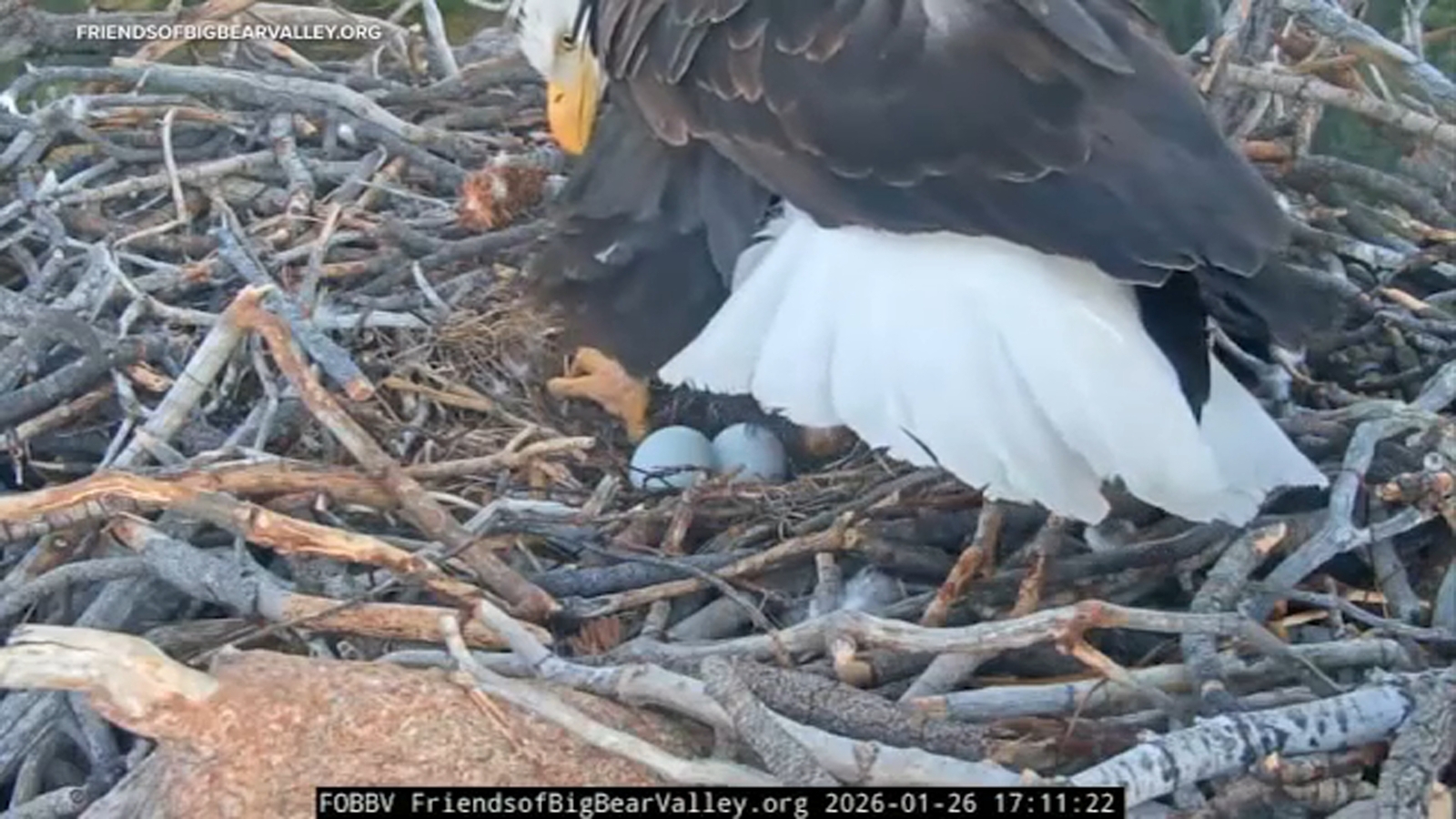
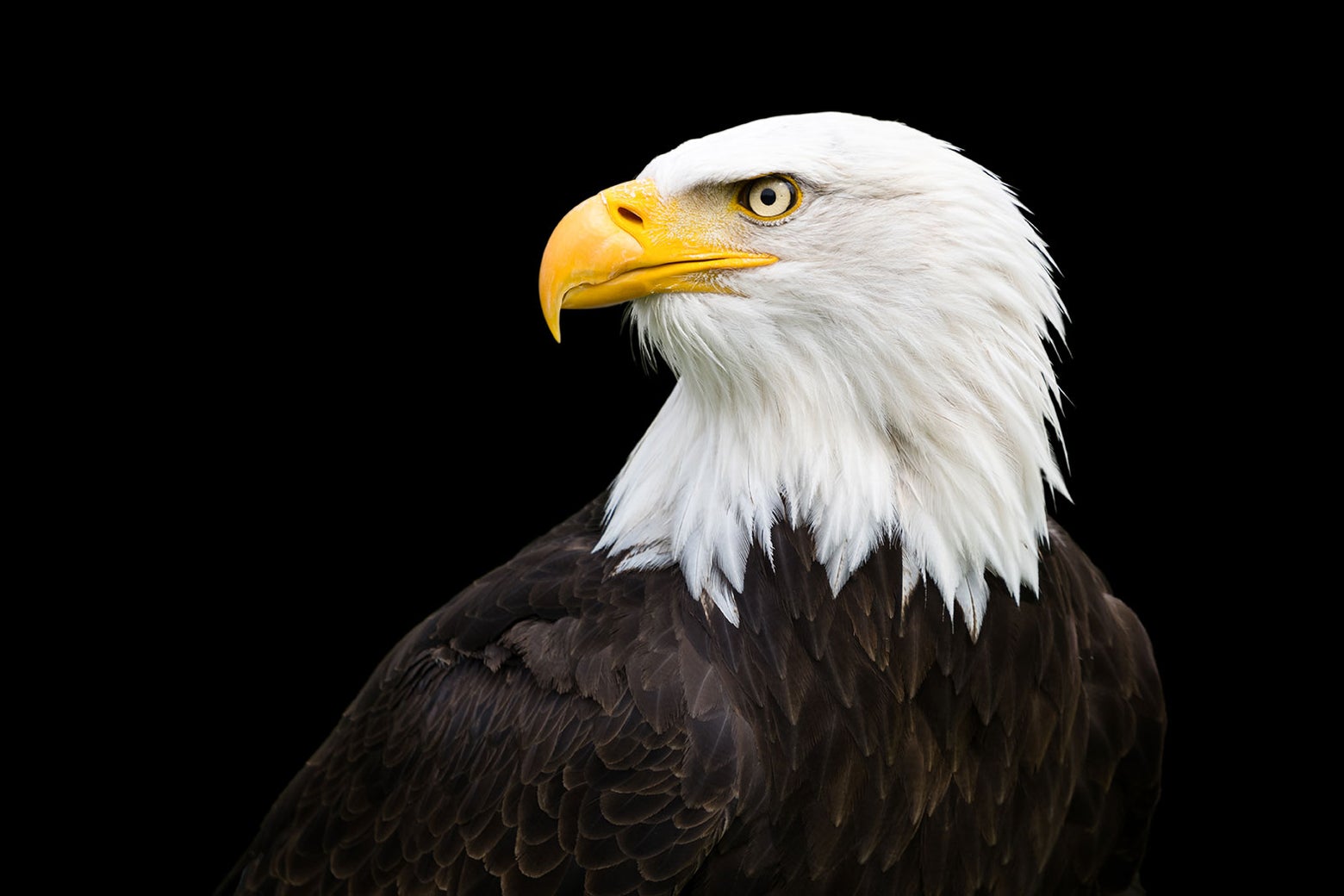
1 month agoSee it: Injured bald eagle floating on ice in Hudson River rescued by NYPD
Video showed officers Michael Russo and Patrick Memi along with Sargeant Michael Amello and Detective Nicholas Martin in their boat pulling up to the eagle on the river. The bird was screeching in distress as the officers used a pole to keep the ice chunk near their boat and worked to catch the animal. "His claw's bleeding, too," one of the officers said as they grabbed a catch pole and carefully put it over the bird's body.
New York City
Snowboarding
fromSnowBrains
2 months agoWhite Wilderness Heliskiing, BC, Ordered To Shut Down After 9 Years Without Proper Approval - SnowBrains
White Wilderness Heliskiing was ordered to cease operations in BC's Agricultural Land Reserve for improper land use but continues operating despite lacking approvals.
fromwww.theguardian.com
1 month agoFeeling chirpy: how listening to birdsong can boost your wellbeing
Previous research has shown that people feel better in bird-rich environments, but Christoph Randler, from the University of Tubingen, and colleagues wanted to see if that warm fuzzy feeling translated into measurable physiological changes. They rigged up a park with loudspeakers playing the songs of rare birds and measured the blood pressure, heart rate and cortisol levels (a marker of stress) of volunteers before and after taking a 30-minute walk through the park.
Mental health
fromwww.theguardian.com
1 month agoWe feel kinda bad when a solo bird shows up': Canada sees its first European robin but how did it get there?
On a quiet Montreal street of low-rise brick apartment buildings on one side and cement barrier wall on the other, a crowd has gathered, binoculars around their necks and cameras at the ready. A European robin has taken up residence in the neighbourhood, which is sandwiched between two industrial areas with warehouses and railway lines and, a few blocks away, port facilities on the St Lawrence River.
Miscellaneous

fromwww.theguardian.com
2 months agoCanada aquarium that threatened to kill its whales wants to sell them to US
Marineland, the Canadian amusement park and aquarium which has threatened to kill its captive whales, wants government approval to sell the belugas to the United States after its China export proposal was rejected, according to an official and a former trainer. The former tourist attraction near the famed Niagara Falls has been mired in controversy for years. Twenty animals, including 19 belugas, have died at the park since 2019, according to a tally by the Canadian Press.
Canada news


Environment
fromTravel + Leisure
2 months agoThis Coastal City Was Just Named the 'Greenest' in the World-and It's an Eco-friendly Dream for Nature-loving Travelers
Vancouver ranks as the world's most eco-friendly city due to abundant green space, high renewable energy use, clean air, efficient public transportation, and strong bikeability.
Environment
fromThe Oaklandside
2 months agoRestored Richmond marsh is a haven for all kinds of birds, from rare ducks to hovering kites
Volunteers braved rainy conditions for a record Christmas Bird Count at Dotson Family Marsh, led by an experienced birder emphasizing local history and birdwatching skills.
Environment
fromThe Oaklandside
1 month agoAn endangered seabird gets help from the East Bay Parks - and a small army of volunteers
Volunteer restoration using sparse ground cover and crushed oyster shells supports recovery of the endangered California least tern by improving nesting conditions and predator visibility.
fromwww.theguardian.com
2 months agoWe thought they would ignore us': how humans are changing the way raptors behave
Many people look up to admire the silhouette of raptors, some of the planet's largest birds, soaring through seemingly empty skies. But increasingly, research shows us that this fascination runs both ways. From high above, these birds are watching us too. Thanks to the development of tiny GPS tracking devices attached to their bodies, researchers are getting millions of data points on the day-to-day lives of these apex predators of the skies, giving us greater insight into where they hunt and rest.
Environment
[ Load more ]