#vat-rebate
#vat-rebate
[ follow ]
#middle-east-conflict #germany #inflation #fuel-prices #energy-prices #windfall-tax #eu #cost-of-living


UK politics
fromLondon Business News | Londonlovesbusiness.com
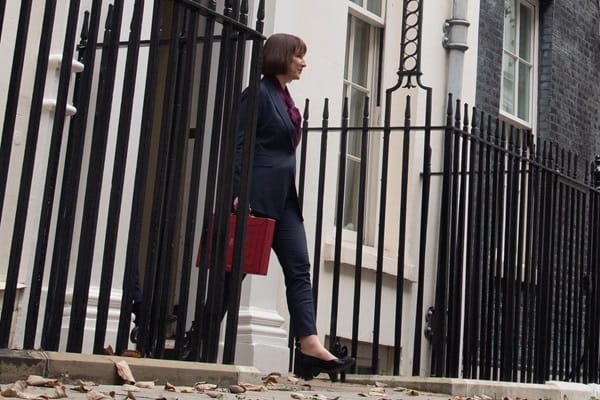
1 week agoReeves under pressure to scrap fuel duty rise as Europe shields motorists - London Business News | Londonlovesbusiness.com
Chancellor Rachel Reeves faces pressure to reconsider a planned fuel duty increase amid rising oil prices and calls for government intervention.
France news
fromThe Local France
2 days agoUS tax returns, solar panels and helplines: 6 essential articles for life in France
Americans in France must file two tax returns annually, utilize English-speaking helplines, navigate medical access, consider solar panel installation, and learn to express condolences in French.


UK politics
fromwww.bbc.com
2 weeks agoGreens push for billions to be spent on energy support if bills rise
The Green Party leader calls for the government to set aside billions of pounds to support households against potential energy bill rises from Middle East conflict, funded through capital gains tax increases and energy firm profit taxes.
#eu-capital-markets-integration
Europe politics
fromThe Local Germany
3 weeks agoWhat you should know about the EU's plan to tap your savings
The EU revives its decade-old capital market integration plan, now called the Savings and Investments Union, to compete with the US and China while addressing market fragmentation and investment barriers.
Europe politics
fromThe Local France
3 weeks agoWhat you should know about the EU's plan to tap your savings
The EU revives its decade-old capital market integration plan, now called the Savings and Investments Union, to compete with the US and China while addressing market fragmentation and investment barriers.
Germany news
fromwww.dw.com
2 weeks agoGermany considers windfall tax amid rising fuel prices
German fuel prices surged due to Iran conflict disrupting global oil supplies, with diesel rising 42 eurocents and petrol 27 cents per liter since late February, prompting government caution on relief measures.
Europe politics
fromwww.thelocal.com
3 weeks agoWhat you should know about the EU's plan to tap your savings
The EU revives its decade-old Capital Markets Union plan, now called the Savings and Investments Union, to compete with the US and China by unifying fragmented national financial markets and redirecting €10 trillion in citizen savings from bank deposits into investments.
fromIrish Independent
3 weeks agoRevenue urges taxpayers to claim back money they are owed via MyAccount
So far this year, Revenue has paid out €637m in tax refunds to well over half-a-million taxpayers. Average refunds are nearly €1,000 for this year, new figures show, but more money is likely to be available to more PAYE workers. People got money back because of their employers taking too much income tax and for claims for tax reliefs like spending on GPs and prescriptions.
Retirement
EU data protection
fromCointelegraph
1 month agoHow EU Crypto Tax Laws Are Set to Work in Practice
The EU's DAC8 directive expands tax transparency for cryptocurrency by requiring platforms to report user identity, tax residency, and transaction data to authorities starting January 1, 2026, with automatic information exchange among member states.
UK politics
fromIndependent
3 weeks agoTaoiseach hints at tax cut to help with rising cost of fuel but rules out carbon tax delay
Government backbenchers express concern about political consequences of high fuel prices, while the Taoiseach considers excise duty cuts but rules out delaying carbon tax increases.
Germany news
fromThe Local Germany
2 weeks agoEconomists warn German government is misusing investment spending
Germany's infrastructure spending fund is largely redirecting existing budget allocations rather than creating new investments, with 86-95% of borrowed money funding day-to-day expenses instead of infrastructure projects.
fromTechzine Global
4 weeks agoNscale sets European record: 2 billion raised in funding round
Nscale has now raised over $4.5 billion across equity rounds in less than six months. The capital funds Nscale's vertically integrated AI infrastructure, consisting of GPU compute, networking, data services, and orchestration software, with expansion planned across Europe, North America, and Asia.
European startups
#digital-sovereignty

European startups
fromComputerworld
1 month agoGov't IT spending seen as key to building Europe's tech ecosystem
European governments are shifting from US technology suppliers to open-source alternatives to achieve digital sovereignty and reduce dependency, with public sector IT spending driving this transition.
fromBusiness Matters
1 month agoBusinesses curb growth to duck VAT threshold, HMRC data suggests
Under current rules, once a business exceeds £90,000 in taxable turnover, it must register for VAT and charge 20 per cent on most goods and services. Registration also brings quarterly reporting requirements and compliance costs, often requiring specialist accounting support.
UK politics
fromCointelegraph
1 month agoHow EU Crypto Tax Laws Are Set to Work in Practice
Starting Jan. 1, 2026, updated reporting obligations require crypto platforms operating in the EU or serving EU users to provide detailed information on users and their transactions to tax authorities. This change aligns digital assets more closely with the transparency requirements long established in conventional finance.
EU data protection

Business
fromLondon Business News | Londonlovesbusiness.com
2 months agoMaking Tax Digital is 90 days away and some people still likely to be caught out warns Affinia - London Business News | Londonlovesbusiness.com
From 6 April 2026, individuals with combined gross income over £50,000, including self-employment and rental income, must comply with Making Tax Digital.
Europe news
fromIrish Independent
1 month agoTaoiseach plays down idea of Ukraine war-style tax cuts on fuel as companies deny 'price gouging'
Home-heating oil prices surged up to 26% in four days following Middle East tensions, prompting government investigation into potential price gouging despite industry denials and adequate supply from North Sea sources.
fromLondon Business News | Londonlovesbusiness.com
2 months agoLast minute tips for using your ISA allowance - London Business News | Londonlovesbusiness.com
This tax year (2025/26), you can add up to £20,000 to one ISA or split the money between several of the various types; the most used being Cash ISAs and Stocks & Shares ISAs. Whichever type of ISA you invest in you pay no income or capital gains tax (CGT) on the returns - no matter how much they are.
Business
fromBusiness Matters
2 months agoOne million miss HMRC tax return deadline as penalties begin
HMRC said 27,456 taxpayers filed in the final hour before the midnight cut-off at the end of Saturday, after the tax authority kept helplines open and extended webchat services over the weekend in a bid to help late filers. The busiest period for online submissions was between 5pm and 6pm on Saturday. In total, 475,722 people filed on the final day, bringing the overall number of submissions for the 2024-25 tax year to around 11.5 million.
UK news
fromwww.thelocal.at
2 months agoWhat Austria's new lower VAT on food could mean for your shopping bill
Austria's government has agreed on a list of everyday foods that will be taxed at a lower VAT rate from July, in a move it said should reduce prices for households and slightly dampen inflation. According to ORF, the Council of Ministers approved the product range on Wednesday after intensive discussions. The reduced VAT rate of 4.9 percent, down from ten percent, is set to apply from July 1st. The government also set an upper cost limit of 400 million for the measure, ORF reported.
Miscellaneous
fromwww.npr.org
2 months agoWe've been hearing about the EU's economic 'bazooka.' Here's what it is
As tensions simmer between the European Union and the U.S. over the Trump administration's trade policies and its play for Greenland, we've been hearing about the EU's economic "bazooka." What is it? AILSA CHANG, HOST: Things are quite tense right now between the U.S. and the European Union. Sources of that tension include the Trump administration's trade policies and its play for Greenland, which, in turn, has led to talk about the EU's anticoercion mechanism, also known as its economic bazooka.
Miscellaneous
Europe politics
fromwww.theguardian.com
2 months agoThe Guardian view on Europe's payments problem: sovereignty starts at the till | Editorial
Europe needs a sovereign, state-backed payment infrastructure like India's UPI to avoid dependence on US-controlled card networks and vulnerability to sanctions.
Miscellaneous
fromLondon Business News | Londonlovesbusiness.com
2 months agoInflation reaches target in the Eurozone as unemployment rate ticks down - London Business News | Londonlovesbusiness.com
Eurozone inflation returned to the ECB's 2.0% target in December; core inflation eased to 2.3% and unemployment fell to 6.3%.
fromLondon Business News | Londonlovesbusiness.com
2 months agoECB keeps rates on hold despite below-target inflation - London Business News | Londonlovesbusiness.com
The European Central Bank (ECB) held its key interest rates unchanged following the February meeting of the Governing Council, in line with Cebr projections. This marks the fifth consecutive hold, despite a below-target inflation reading of 1.7% in January, the lowest level since 2021. The decision to hold rates also comes despite a recent Euro rally against the dollar, which is expected to add disinflationary pressure through cheaper imports and weigh on growth by making the bloc's exports more expensive.
Miscellaneous
[ Load more ]