#victorian-buildings
#victorian-buildings
[ follow ]
#interior-design #architecture #heritage-preservation #london #historic-preservation #cultural-heritage

fromLos Angeles Times
2 days agoFor the derelict Wadsworth Chapel, a 125-year-old landmark in West L.A., is a rehab in the works?
"When I see this, I'm thinking hallelujah. It's the first real indicator that the VA is willing to step up and get that chapel restored, which frankly I think is their responsibility."
Non-profit organizations
#interior-design

Boston real estate
fromArchitectural Digest
4 days agoBroadway Actress Barrett Wilbert Weed Turned Her Brooklyn Heights Apartment Into a Victorian Dollhouse
Compelling interiors rely on collaboration between character and setting, as demonstrated in Barrett Wilbert Weed's Brooklyn Heights home restoration.
Remodel
fromApartment Therapy
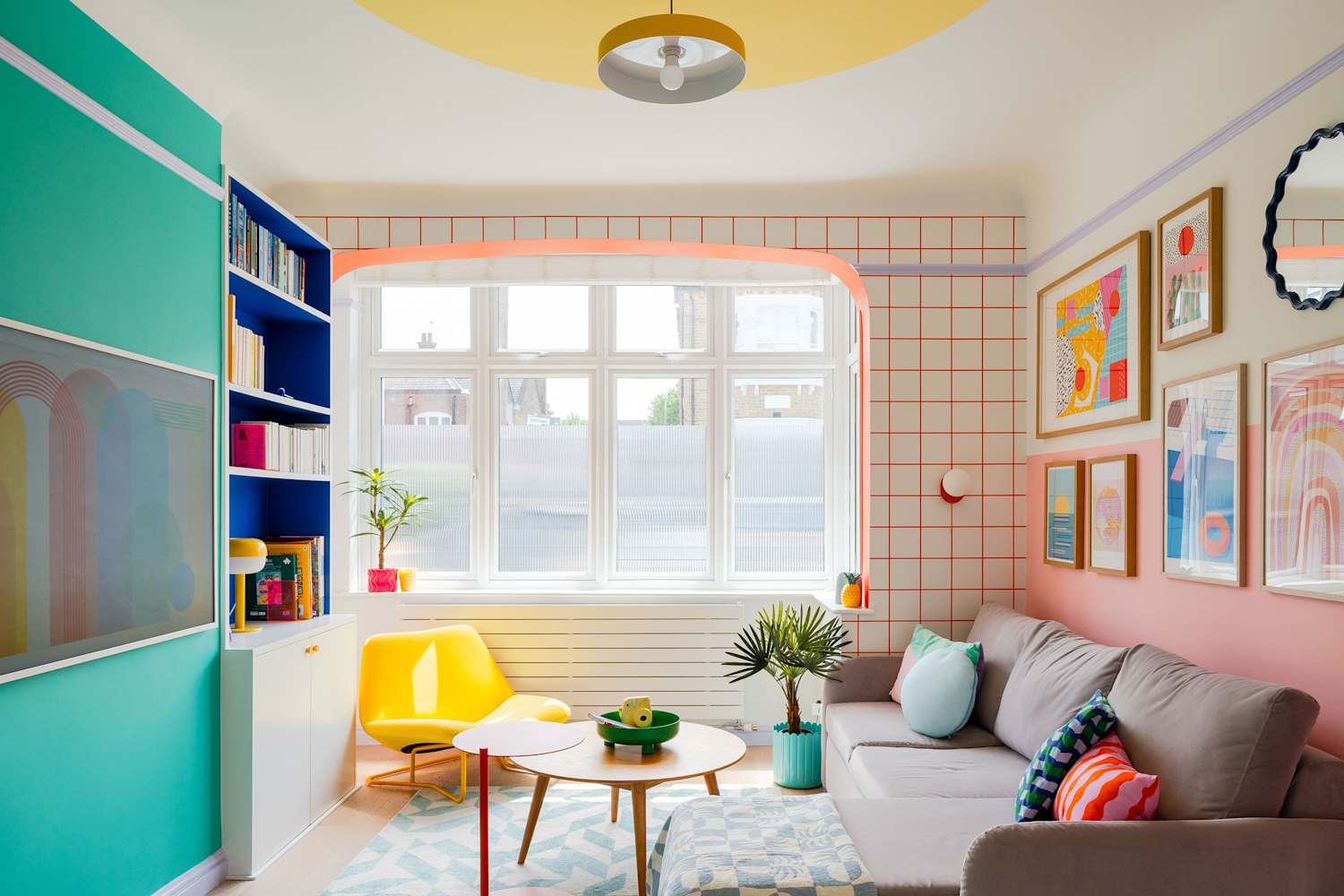
1 month agoThis London House Was All Gray - But a Bright, Joyful Color Refresh Changed Everything
A London family transformed their gray, uninspiring 1,300-square-foot home into a vibrant, joyful space through strategic color-forward interior design without structural renovation.
Remodel
fromApartment Therapy
3 weeks agoA 183-Year-Old Brooklyn Brownstone Had Its Character Stripped Out - So a Designer Brought It Back
A Brooklyn Heights brownstone was transformed by removing walls, raising ceilings, and restoring historic architectural details to reclaim its original grand proportions and character.
fromianVisits
2 weeks agoLittle Holland House: The arts and crafts home open to visitors once a month
It's not a house of outstanding art, being a self-taught carver whose skills evidently advanced over the years, as you can see the evolution from fairly rough carving on the stairs to the very skilled work in the living room. He also created the paintings on the walls - talented chap - but never finished the carving in the living room, as his time finally ran out.
Renovation
fromianVisits
4 weeks agoThe church with anti-aircraft guns: Kilburn's unusual naval relics removed
The Grade II listed building is on Historic England's Heritage at Risk Register and is currently recorded as being in poor condition. The national Marine Society and Sea Cadets (MSSC), which held the lease, has confirmed that it can no longer meet the building's repair obligations and will surrender the lease so that restoration can be carried out by new occupants.
London music
Renovation
fromArchitectural Digest
3 weeks agoA Victorian House in East London Reinterprets French Style Through Rose-Colored Glasses
Soft curves, mirrors, and architectural details transform a narrow Victorian house into a sophisticated, fluid living space with carefully curated furnishings and artistic touches.
fromLos Angeles Times
10 years ago'Downton Abbey' dowager's house and acreage sells in Surrey, England
Twelve weeks after coming on the market, the Surrey house used to portray the home of actress Maggie Smith's character, Lady Violet Crawley, found a buyer and recently closed along with several adjacent properties for nearly $9 million. Known as Dower House on the TV series, it was built around 1686.
Boston real estate

fromLos Angeles Times
15 years agoModern notes grace a historic pedigree
Designed by noted residential architect Roland E. Coate, the home was built in 1926 for Annie Wilson, daughter of pioneering Southern California businessman and politician Benjamin Wilson, for whom Mt. Wilson is named. The gently sloping 1-acre-plus property was once part of the vast holdings of George S. Patton, father of the famed U.S. general.
LA real estate
Renovation
fromwww.bbc.com
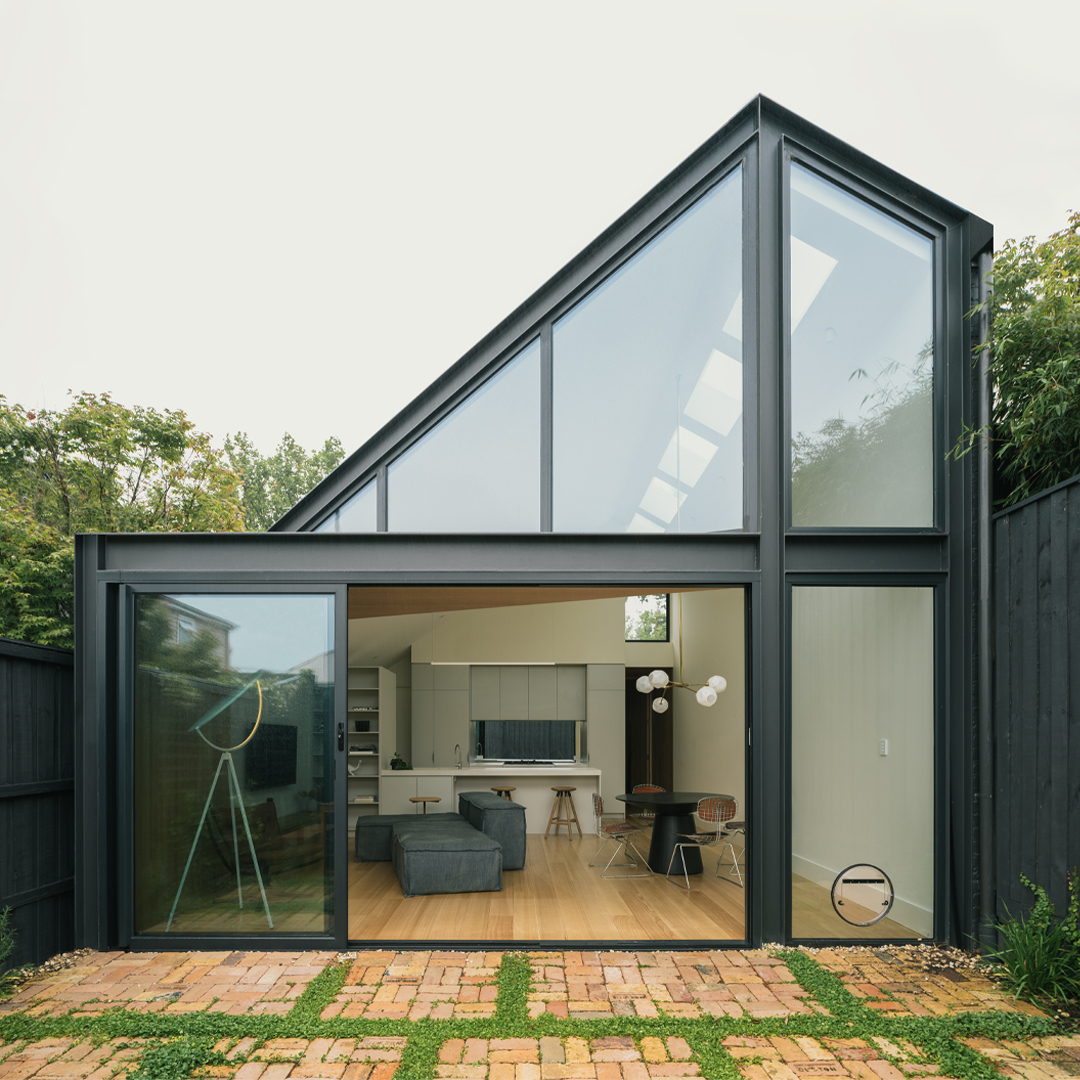
4 weeks agoThe house hidden in the garden of a Catford terrace
Architects Will and Sogand Howard built a modern home in a neighbor's garden in London, demonstrating how small urban plots can address housing shortages through creative land use and direct outreach to homeowners.
London politics
fromwww.standard.co.uk
1 month agoTower of London 'at-risk of serious harm' under draft plan for Square Mile
Historic England warns that the City of London Corporation's City Plan 2040 poses serious risks to the Tower of London's preservation due to excessive development scale and location.
Arts
fromArchDaily
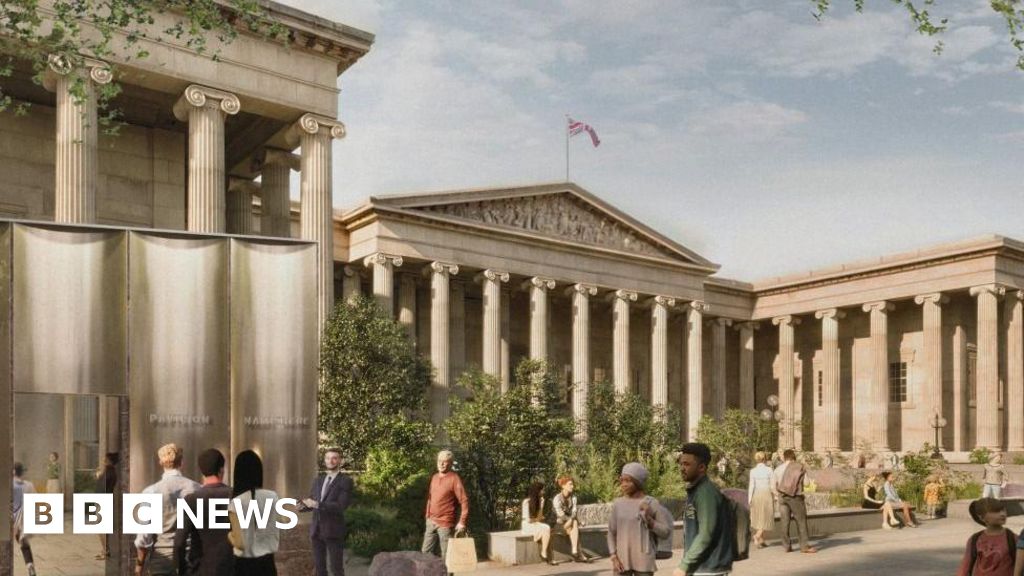
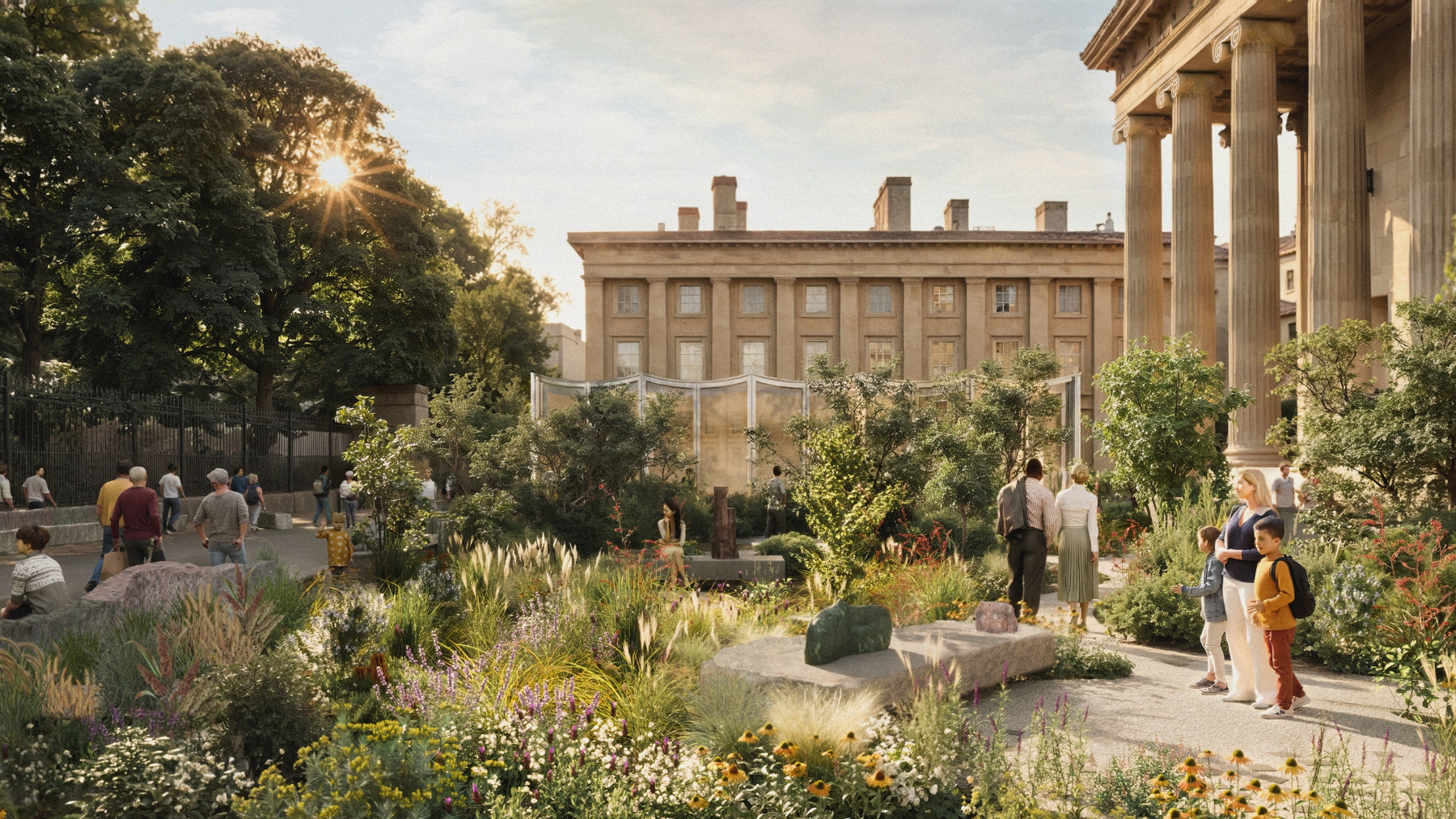
1 month agoLondon's Brutalist Heritage and Australia's New City: This Week's Review
Architecture increasingly emphasizes social responsibility, adaptive cultural projects, heritage protection, and large-scale urban planning aligning infrastructure, resilience, and long-term civic agendas.
London
fromTime Out London
2 weeks agoLondoners, you can now decorate your homes with a new collection of iconic patterns from London transport history
Kirkby's 'Underground Vol. III' collection recreates eight archival London Transport seat designs from the 1910s-1990s as velvet moquette fabrics for home use.
fromianVisits
2 months agoLondon Alleys: Buckingham Mews, Victoria, SW1
Despite its proximity to one of London's busiest tourist attractions, its back street location is remarkably quiet and peaceful. Leading off Stafford Place, it was originally, and unsurprisingly, called Stafford Mews, as it was built as stabling for houses on Buckingham Gate, facing the palace. Constructed around 1860, the stables were simple two-storey houses, built initially with stables at the ground and accommodation above.
Real estate
London
fromTime Out London
3 weeks agoOne of London's most spectacular houses is opening to the public next month
The Cosmic House, a rare Grade I-listed postmodernist building in Kensington designed by Charles Jencks and Sir Terry Farrell, opens to the public on April 22 with an Isaac Julien film installation.
fromTime Out London
1 month agoThis London icon that was once voted 'Britain's ugliest building' has just been protected for future generations
These days, brutalist buildings are among London's most celebrated works of architecture. But it hasn't always been this way. Back in 1967, the Southbank Centre, one of the city's most striking examples of the style, was voted Britain's ugliest building by readers of the Daily Mail. In the latest indicator of just how much times have changed, today (February 10) the Southbank Centre has been awarded listed status by the Department for Culture Media and Sport.
History
Renovation
fromArchitectural Digest
1 month agoA Victorian Row House in Sydney Goes from Dilapidated to Decidedly Mediterranean
A Victorian row house in Potts Point underwent extensive renovation including two additional floors, facade restoration, and interior modernization while preserving original architectural features and creating an elegantly neutral backdrop for antique furnishings and European design elements.
Books
fromianVisits
2 months agoNew book reveals the overlooked modern architecture of Britain's Big Four railways
Interwar Big Four railway architecture transformed from ornate Neo‑Classical to Streamline Modernist mainline stations now comprehensively photographed and catalogued in a limited hardback.


Real estate
fromLondon Business News | Londonlovesbusiness.com
2 months agoExploring a mews house in Central London - London Business News | Londonlovesbusiness.com
Central London mews houses combine historic architectural charm with modern luxury, offering secluded, characterful, and highly desirable residential properties and strong investment potential.
fromwww.bbc.com
2 months agoQueen Elizabeth II statue will be standing and not on horseback
"After careful research and thought, my design for the Queen's monument will emphasise her role as head of state and proudly follows a sculptural tradition that shows kings and queens from the House of Windsor in a standing position," said Jennings. The previous horse-riding images had been for illustrative purposes only to show the size, scale and location rather than the final design, says the Cabinet Office.
Miscellaneous
Renovation
fromwww.standard.co.uk
1 month agoNeighbours at war over plans to build over last surviving' Georgian entrance at 1.6m Greenwich home
A proposed two-floor extension to a Georgian listed house in Greenwich would destroy the last remaining example of architect Michael Searles' distinctive recessed entrance bay design, sparking heritage concerns and neighbour disputes.
fromianVisits
2 months agoWellington Arch at 200: The monument that lost a statue and gained a tunnel
Originally called the Grand Triumphal Arch, it was built in part to commemorate Britain's victories in the Napoleonic Wars and as part of King George IV's remodelling of Hyde Park and Buckingham Palace. Announced in 1825, it would take a year of wrangling to settle on a design for the arch. The chosen architect, Decimus Burton, initially planned a triumphal arch modelled on the Arch of Titus in Rome,
History
fromCurbed
2 months agoThe Queen Anne With a Porte Cochere on Park Place
There's a three-story turret, a front porch the size of some one-bedrooms, and a private driveway (with a porte cochere, no less). Wave-shaped dormer windows overlook the Spanish-tile roof. Inside, there's parquet for miles, wood paneling, stained glass, beamed ceilings, and a classical frieze of men in togas. Out back, there's a pergola and a small pond. "They don't build them like that anymore," says broker Joe Brikman,
Real estate
fromTime Out London
2 months agoThis gorgeous art deco office building in the City of London is being converted into a hotel
If you're an art deco architecture geek, you'll no doubt know all about Ibex House. The shimmering pale office building, which you'll find on the east side of the Minories in the City, is renowned for its long streamline moderne curves and mesmerising black-framed windows. The vast H-shaped structure is Grade II-listed and one of London's most remarkable surviving art deco buildings.
Remodel
fromYanko Design - Modern Industrial Design News
1 month agoThis New London Cafe Has a Ceiling Inspired by St Paul's Dome, and It Sits Right on the Thames - Yanko Design
The most arresting is a dramatic circular void carved into the ceiling, a spatial echo of St Paul's dome, translated from the sacred to the everyday. Below it, a monolithic espresso counter holds the room together, its weight and material language borrowed from Tate Modern's industrial character and the infrastructural logic of the riverbanks themselves.
London
fromianVisits
1 month agoThe curious case of the red corbel on Risinghill Street
So, this late 1970s block of flats was built on the site of the former estate office. So did the red corbel come from there? Looking at a photo of the corner of Risinghill Street and Penton Street, taken in 1956, doesn't seem to offer much help, as it shows a row of shops and behind a row of terraced houses.
London
fromApartment Therapy
2 months agoHow This 130-Year-Old London Townhouse Went From Dated to Unexpectedly Brilliant
"This is our first home together as a blended family. I really wanted it to look and feel special for everyone," Cheylene writes. "When designing the rooms, I kept three things in mind: Keep it durable (a must with three boys!), keep it thrifty (we didn't want to spend too much), and keep it FUN. It's all still a work in progress, but we feel very much at home here."
Renovation
fromianVisits
2 months agoWorld's oldest gasholder to be restored and opened to the public
The world's oldest surviving gasholder is to be restored and repurposed as part of a housing development in west London. Hammersmith & Fulham Council has approved plans that will see the Grade II* listed Gasholder No.2 at King's Road Park restored, securing the future of a structure that will soon reach its 200th birthday. Built between 1829 and 1830, Gasholder No.2 is believed to be the oldest surviving gasholder in the world.
Renovation
Renovation
fromThe Art Newspaper - International art news and events
1 month agoLondon's Brustalist Southbank Centre awarded protected heritage status
London's Southbank Centre has received Grade II listing, granting statutory heritage protection to its Brutalist Hayward Gallery, Purcell Room, Queen Elizabeth Hall and adjacent spaces.
fromwww.theguardian.com
1 month agoThe Southbank Centre is striking, polarising and now protected | Letters
Fiona Twycross, the heritage minister, is to be congratulated for finally giving London's Southbank Centre Grade II listing (Campaigners welcome long overdue' listing of brutalist Southbank Centre, 10 February). I remember being shocked when I first saw it in the 1960s, but it has become a remarkable symbol of the zeitgeist. Its grey concrete and its childlike composition together express the fatalism and despair of a nation in economic and political decline.
Renovation
fromianVisits
1 month agoVictorian drinking fountain returns to Princes Circus - but the water's been turned off
A Victorian drinking fountain has been restored to its original location following conservation, but it is not fully functional and cannot dispense drinking water. The Princes Circus fountain was installed in 1879 to commemorate Queen Victoria's 60th year on the throne, but was originally in a different location. It used to be a bit further north, on the junction of New Oxford Street and Shaftesbury Avenue, opposite Coptic Street. In 2003, it was moved to sit in a fenced-off island space outside the Shaftesbury Theatre.
London
fromianVisits
1 month agoLondon's Alleys: Martin Lane, City of London, EC4
For most of its life, the alley's main feature was the church of St Martin Orgar, possibly named after Ordgarus, a Dane who donated the church to the canons of St Paul's. Sadly, most of the church was destroyed during the Great Fire of London. The badly damaged remains were restored and used by French Protestants right up to 1820.
London
[ Load more ]