#viking-conquest
#viking-conquest
[ follow ]
#archaeology #viking-age #danish-history #battle-of-copenhagen #marine-archaeology #iceland #beowulf

History
fromMedievalists.net
3 weeks agoLegacy of the Geats: How the Memory of Beowulf's Tribe Survives in Modern Sweden - Medievalists.net
The Geats' identity as a distinct people likely survived Swedish expansion and remains conceptually present in modern Sweden, despite Beowulf's poem suggesting their ultimate defeat and absorption.
fromMedievalists.net
1 month agoNew Project Explores the Craft of Writing in the Medieval Nordic World - Medievalists.net
CHARM is built around a large-scale survey of material connected to three major writing centres-Turku, Naantali, and Viipuri-in the 15th century. By comparing charters and book fragments together, the researchers aim to map how writing practices were adopted, modified, and localised, and what that meant for society and administration in a region that was then part of the Swedish realm.
History
fromMedievalists.net
1 month agoViking-Age Woman Buried with Her Dog in Norway - Medievalists.net
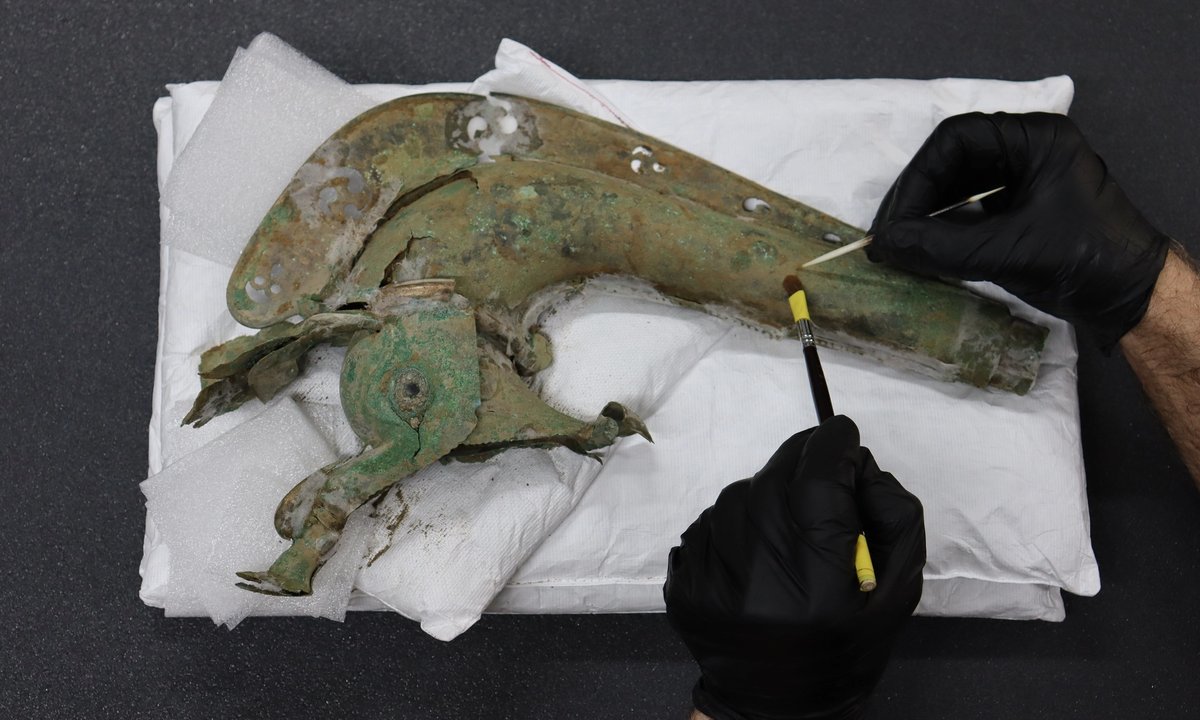
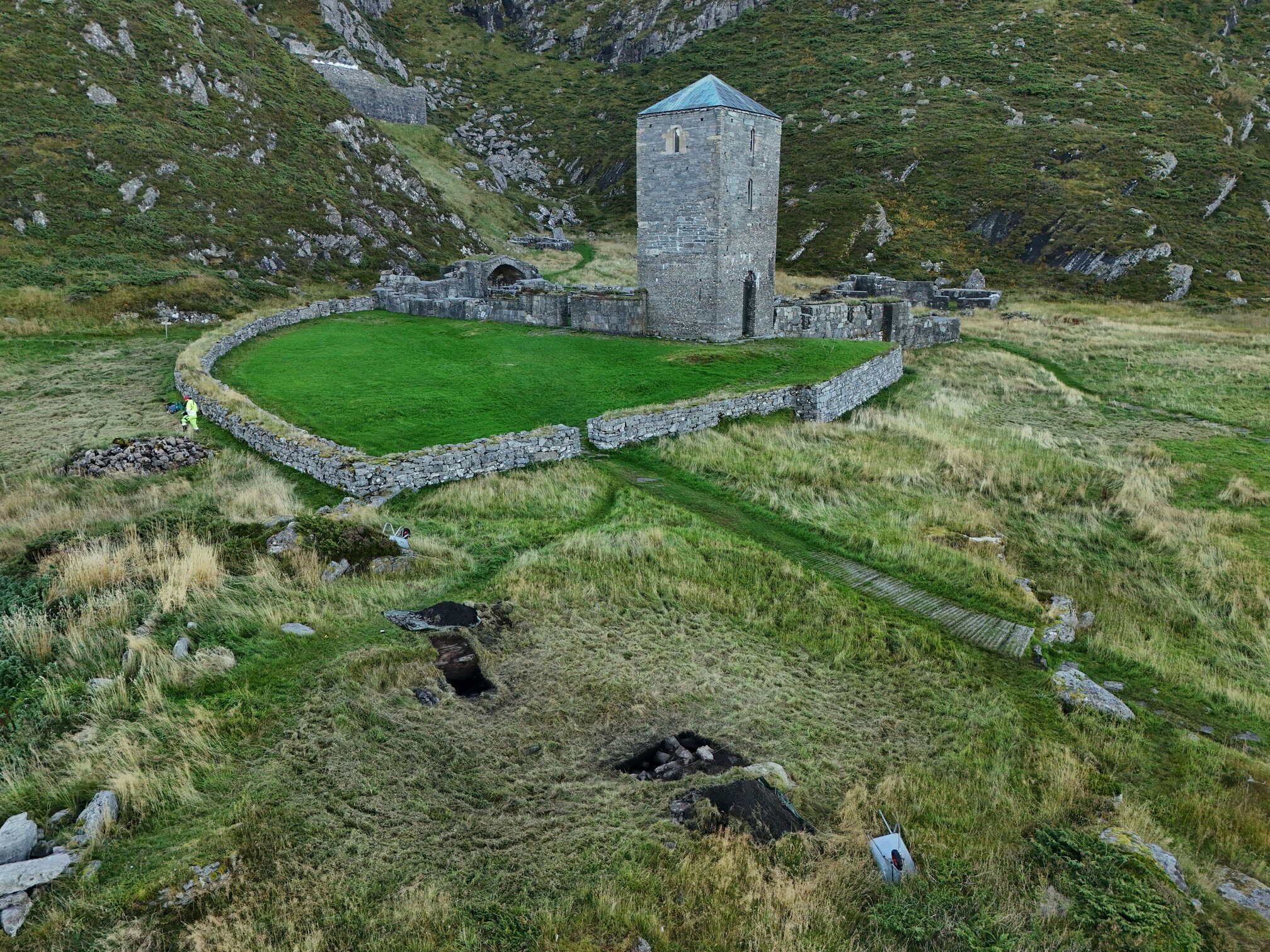
Excavations carried out in 2025 by the Arctic University Museum of Norway revealed that the artefacts came from a boat burial. The grave contained the skeleton of a woman placed inside a boat measuring about 5.5 metres in length. She had been buried together with a dog, suggesting the animal may have been an important companion in life.
History
fromMedievalists.net
1 month agoNew Medieval Books: The Conqueror's Gift - Medievalists.net
Imperial Roman ethnography was a gift the Romans made for themselves, because it embraced concepts with which they could address the great cultural diversity of their world. It was a gift that came from the conquerors, reflecting their supposition of preeminence. At the same time, Roman ethnography was a somewhat less welcome present for the many peoples who found themselves trapped in Rome's vision, needing to find a place within it that made sense to Roman demands.
History
fromWorld History Encyclopedia
1 month agoCnut: The North Sea King
"Cnut: The North Sea King" by Ryan Lavelle is a short and engaging biography of the most ambitious and successful Scandinavian leader of the Viking Age. Lavelle captures both the brutality and pragmatism that allowed Cnut to govern England effectively for almost two decades, despite being an outsider and a foreign conqueror. In 1066 and All That (1930), a parody book of English history,
History
fromwww.dw.com
2 months agoFrom Inuit to Vikings to Trump: The history of Greenland
Early migration and Erik the Red The first humans settled in Greenland around 4,500 years ago. They came from the North American continent. In the 12th century, they were gradually displaced by Asian immigrants, the Thule people, who arrived on the island from Siberia via the Bering Strait. Their descendants are the Inuit, from whom most of the 56,000 Greenlanders today are descended.
History
fromTime Out London
2 months agoA vast immersive Vikings experience is coming to London in March
You know the drill by now: large scale immersive exhibitions have gone from nowhere to ubiquity in London, with the last year alone bringing us big, tech-augmented, family-facing shows devoted to the likes of Tutankhamun, the Titanic, and the destruction of Pompeii.
History
fromMedievalists.net
2 months agoOnline Course: The Normans in Europe - Medievalists.net
We get started by exploring the origins of the Normans in the county and then duchy of Normandy. We will understand their Norse background and their relationship with the Carolingians. The timeline approach will help us discover all the counts and dukes of Normandy, and what they contributed to their realm. This will set the foundation for the interconnected stories that will lead us to England and the Mediterranean.
History
fromMedievalists.net
2 months agoMedieval gold ring discovered in Norway - Medievalists.net
A gold ring with a deep-blue, oval setting - decorated with fine spirals of filigree and tiny granulated beads - has been recovered from medieval deposits in Tønsberg, a historic town in southeastern Norway. The ring was found during an excavation in the modern town centre, where archaeologists have been investigating layers of urban life preserved beneath today's streets. The discovery was made within the protected archaeological area known as Tønsberg Medieval Town.
History
fromMedievalists.net
2 months agoWomen Beyond the Cross: Power, Myth, and Agency in the Viking World - Medievalists.net
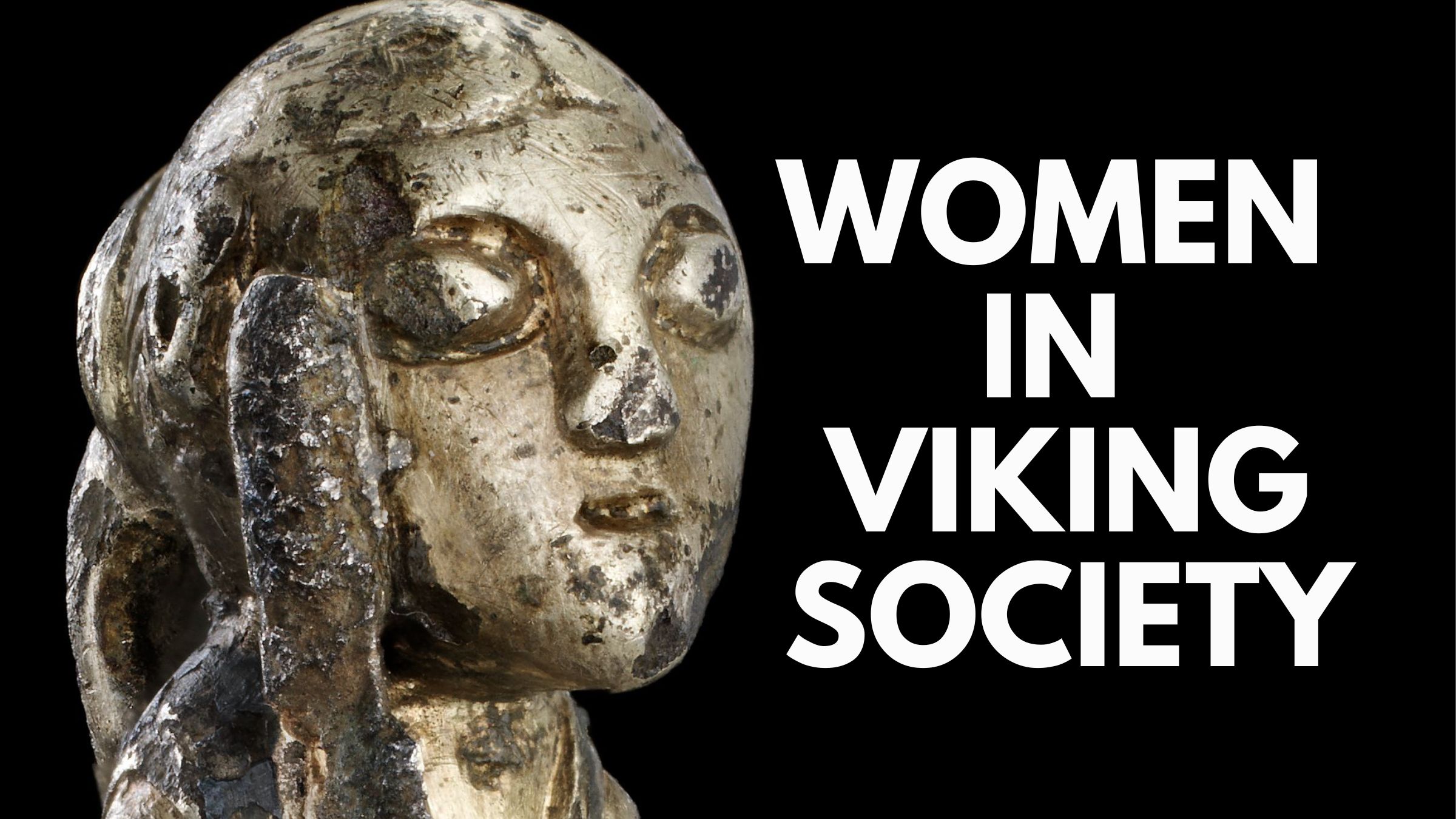
Beyond the reach of medieval Christendom, Viking-age Scandinavia drew its ideas about gender less from scripture than from myth, law, and the practical demands of life in a raiding and trading world. Luke Daly explores how women could wield real authority-as estate managers, property holders, ritual figures, and, at times, political actors-within a society that was still hierarchical and often violent. Beyond the cathedrals and the long shadow cast by Rome lay societies whose moral and social assumptions were not governed by the cross.
History
fromMedievalists.net
2 months agoFimbulvetr: When the Medieval World Saw the Sun Go Dark - Medievalists.net
In the medieval world, strange signs in the sky were rarely ignored. In AD 536, when the sun seemed to lose its light and the climate turned harsh, that catastrophe may have been remembered in the terrifying Norse legend of Fimbulvetr. In our medieval past, the sky was thought to be tightly connected with the landscape. Historical sources show a deep sense of fear caused by celestial phenomena such as comets, meteors, bolides, and even the aurora borealis.
History
History
fromMedievalists.net
2 months agoCrossing Under Fire: River Operations in Early Medieval Warfare - Medievalists.net
Forcing a river crossing under enemy resistance demands extensive planning, deception, and logistics, a persistent and difficult military problem from antiquity through modern warfare.
fromWorld History Encyclopedia
2 months agoDid Uhtred of Bebbanburg Really Exist in Anglo-Saxon England?
The Last Kingdom (2015-2022) is a historical fiction TV series based on Bernard Cornwell's The Saxon Stories novels and adapted for television by English screenwriter Stephen Butchard. With five seasons, the show began as a BBC production and was later acquired by Netflix. Filmed in Hungary and Wales, it is based on English history during the 9th and 10th centuries, as the Anglo-Saxon kingdoms fought against the invading Vikings.
History
[ Load more ]