Right-wing politics
fromIntelligencer
11 hours agoVoters Who Dislike Both Parties Are Turning Against Trump
Republicans may struggle in the 2026 midterms due to strong Democratic leanings among voters who dislike both major parties.
Anthropic's political activities have ramped up as the company continues to be enmeshed in a nasty legal battle with the Defense Department. The dispute erupted earlier this year over the government's use of Anthropic's AI models and what guidelines (if any) should exist for that usage.
Some senators are pushing the White House to appoint Sen. Mike Lee as Attorney General following Bondi's ouster and plan to pitch Trump directly on the idea, sources told me.
Most Americans are patriotic, hardworking, neighbor-helping, America-loving, money-giving people who don't pop off on social media or plot for power. The hidden truth: Most people agree on most things, most of the time. And the data validates this, time and time again.
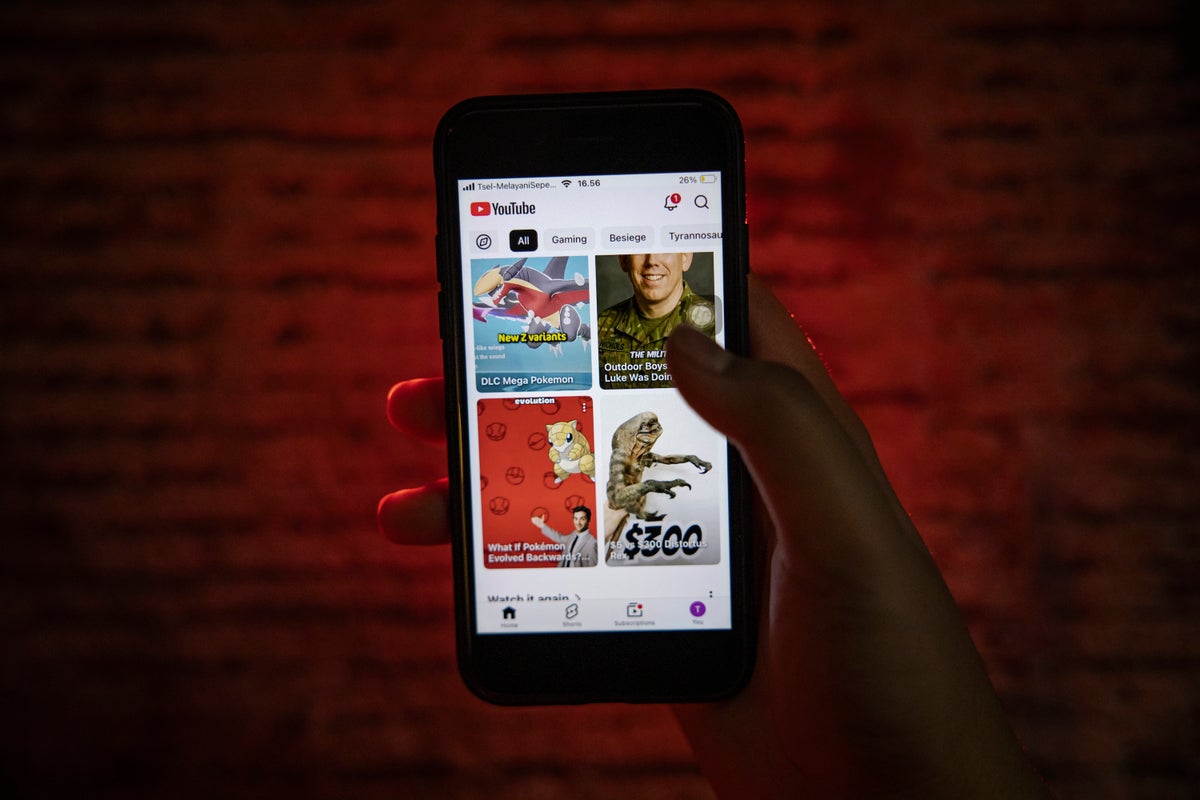
One of Simon Clark's most popular TikTok videos begins with him playing the part of a clueless climate contrarian. Adopting the overconfident tone that is common among social-media influencers, he proclaims: "Renewables are a scam!" Cut to the real Clark, who has a PhD in stratospheric dynamics and uses the handle @simonoxfphys, as he dismantles several myths about renewable energy using a deadpan style and a torrent of charts. The video, with almost 180,000 views, is an effort to fight misinformation by meeting people where they are, he says.
It's our job to be translators of science so people understand what's happening and why it's so important. It's a global ocean. Just because something's happening in one place, doesn't mean it's not going to have an effect elsewhere in the world.
Messages intended to suppress votes can be precisely delivered to particularly vulnerable and consequential groups of people via social media and keep millions of them from casting ballots, according to a new study that is the first to quantify the effect of this kind of microtargeting on voter turnout. A team led by a researcher at the University of Wisconsin-Madison recruited more than 10,000 people across the United States-a group representative of the country's voting population-to install an app that