#virtue-and-habituation
#virtue-and-habituation
[ follow ]
#empathy #psychology #compassion #behavioral-psychology #mental-health #kindness #self-control #behavior-change
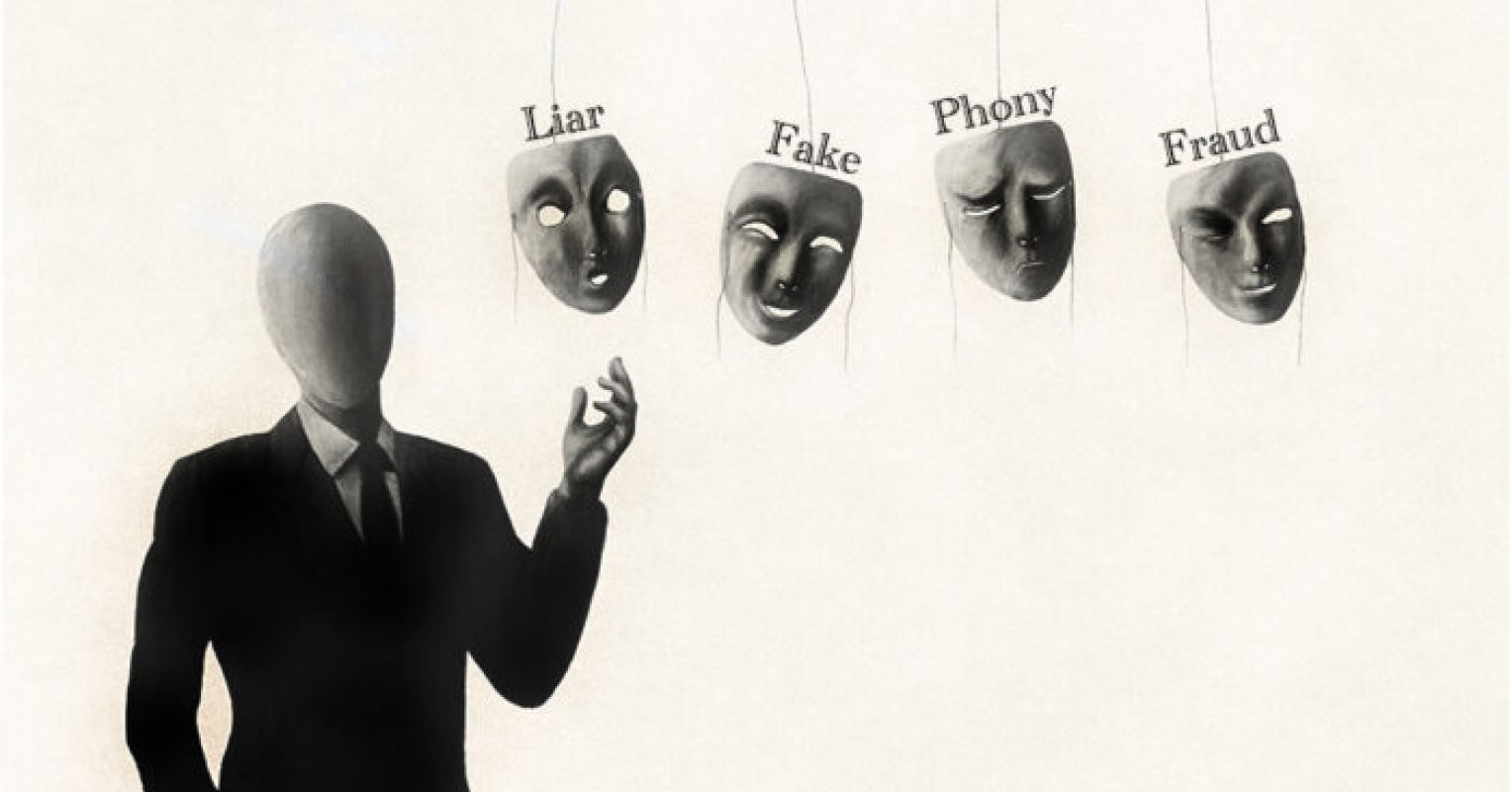
Psychology
fromSilicon Canals
2 days agoPsychology says the most self-centered people in any room aren't the ones who talk loudest - they're the ones who respond to every story you tell with a story about themselves, so automatically and so consistently that they've long since stopped noticing they do it - Silicon Canals
Conversational narcissism involves shifting focus in conversations back to oneself, often without awareness, hindering genuine connection.
#kindness
Mindfulness
fromSilicon Canals
3 days agoI'm 37 and I realized I wasn't actually a good person the day my wife said "you're kind to strangers and cruel to the people closest to you" - and the worst part wasn't the accusation, it was that I couldn't argue because I'd been using up all my patience on people who didn't matter and coming home empty - Silicon Canals
Kindness should be abundant at home, not rationed for public interactions, to foster authentic connections with loved ones.
Psychology
fromSilicon Canals
6 days agoPeople who turned out genuinely kind despite a tough childhood didn't learn kindness - they absorbed its absence so completely that its presence became the one thing they couldn't withhold from anyone who needed it, not as a decision, but as the only response available to a person formed the way they were formed - Silicon Canals
Kindness often stems from experiencing adversity, leading to deep empathy rather than being solely a product of a nurturing environment.

Mindfulness
fromSilicon Canals
3 days agoI'm 37 and I realized I wasn't actually a good person the day my wife said "you're kind to strangers and cruel to the people closest to you" - and the worst part wasn't the accusation, it was that I couldn't argue because I'd been using up all my patience on people who didn't matter and coming home empty - Silicon Canals
Kindness should be abundant at home, not rationed for public interactions, to foster authentic connections with loved ones.
Psychology
fromSilicon Canals
6 days agoPeople who turned out genuinely kind despite a tough childhood didn't learn kindness - they absorbed its absence so completely that its presence became the one thing they couldn't withhold from anyone who needed it, not as a decision, but as the only response available to a person formed the way they were formed - Silicon Canals
Kindness often stems from experiencing adversity, leading to deep empathy rather than being solely a product of a nurturing environment.
Mindfulness
fromSilicon Canals
4 days agoThe difference between people who actually change their lives and people who just talk about it almost always comes down to what they do in the first 90 seconds after waking up - Silicon Canals
The first 90 seconds after waking significantly influence the rest of the day, often leading to reactive behavior if not managed properly.
fromPsychology Today
1 month agoWhat If You're Fundamentally Not Flawed?
But we are all as an unclean thing, and all our righteousness are as filthy rags; and we all do fade as a leaf; and our iniquities, like the wind, have taken us away. It was bracing language for an 8-year-old. Not only was I unclean, but even my best attempt at goodness was filthy.
Writing
#empathy
Psychology
fromSilicon Canals
4 days agoPsychology says people who ask 'how can I learn to be more empathetic' already possess the one trait that matters most - self-awareness - while people who claim they're already empathetic rarely are - Silicon Canals
Self-awareness is essential for developing genuine empathy and emotional intelligence.
Psychology
fromSilicon Canals
4 days agoPsychology says people who ask 'how can I learn to be more empathetic' already possess the one trait that matters most - self-awareness - while people who claim they're already empathetic rarely are - Silicon Canals
Self-awareness is essential for developing genuine empathy and emotional intelligence.
fromemptywheel
1 month agoMorality is a Long Game - emptywheel
He took it, managed to decipher my terrible penmanship, and wrote me a reply. I didn't ask him weighty questions about politics, I think I probably asked his favorite color. People's favorite color was a major interest for me when I was eleven. He wrote some questions for me, (perhaps also my favorite color, which was blue.) and soon we were in a conversation, the kind of sweet conversation where a thoughtful grown-up pays attention to a child.
US politics
Psychology
fromSilicon Canals
6 days agoPsychology says people who seem genuinely happy aren't people who have more - they're people who stopped measuring what they have against what they imagined they should have by now - Silicon Canals
Imagined life standards create a perpetual sense of inadequacy, while true happiness comes from questioning these standards rather than merely achieving them.
Miscellaneous
fromPsychology Today
1 month agoThe Personality You Develop Is the Personality You Seek
Personality changes throughout adulthood through niche-picking, where individuals choose environments that reinforce their traits, challenging the notion that personalities are fixed or purely inherited.
Psychology
fromSilicon Canals
5 days agoPsychology says the reason some people become wiser as they age while others become more rigid has nothing to do with intelligence. It depends on whether they ever learned to sit with discomfort - Silicon Canals
Distress tolerance influences how individuals respond to discomfort, shaping their openness and adaptability in life.
Psychology
fromSilicon Canals
6 days agoPsychology says people who compulsively tidy and reorganize aren't control freaks - they learned early that the one thing they could control was the physical space around them - Silicon Canals
Compulsive tidying is a response to anxiety, rooted in a need for control and predictability in unpredictable environments.
Environment
fromSilicon Canals
1 month agoPsychology says people who pick up litter even when no one is watching usually display these 7 traits that are becoming increasingly rare - Silicon Canals
Some individuals perform small acts of care without recognition, driven by intrinsic motivation linked to greater psychological well-being and life satisfaction.

fromThe Conversation
1 month agoWhat is happiness? A philosopher looks for answers
Happiness today is narrowly defined by some positive psychologists as a joyous state of mind or well-being. The happiness sciences see it as something you can calculate and quantify. They developed a Happiness Index and the World Happiness Report. These basically measure happiness as satisfaction, with criteria like gross domestic product per capita (money) and life expectancy (health) as some of the factors considered.
Philosophy
fromFast Company
2 months agoDo virtues like being compassionate increase your well-being?
Virtues such as compassion, patience, and self-control may be beneficial not only for others but also for oneself, according to new research my team and I published in the Journal of Personality in December 2025. Philosophers from Aristotle to al-Fārābī, a 10th-century scholar in what is now Iraq, have argued that virtue is vital for well-being. Yet others, such as Thomas Hobbes and Friedrich Nietzsche, have argued the opposite: Virtue offers no benefit to oneself and is good only for others.
Mental health

Mental health
fromSilicon Canals
2 months agoPsychology says people who feel stuck in life often repeat these 7 daily behaviors that quietly keep them there - Silicon Canals
Daily habits like overthinking, excessive planning, and protective behaviors create self-reinforcing cycles that keep people stuck and hinder progress.
Mindfulness
fromSilicon Canals
1 month agoThe art of needing less: 8 habits of people who stopped chasing happiness and accidentally found it - Silicon Canals
Happiness grows from needing less and adopting simple habits like accepting "good enough", prioritizing experiences, and releasing the relentless pursuit of perfection.
fromThe Conversation
1 month agoMeekness isn't weakness - once considered positive, it's one of the 'undersung virtues' that deserve defense today
What do you envision when you think of meekness? You probably see a mousy doormat, someone sheepishly acquiescing to the will of the stronger. When Jesus says, "Blessed are the meek, for they shall inherit the earth," you might think that those wimps will hand it over without a whimper or word of objection to stronger, more ambitious people. The philosopher Friedrich Nietzsche called meekness "craven baseness."
Philosophy
Psychology
fromSilicon Canals
4 weeks agoPsychologists explain that the urge to downplay your own accomplishments immediately after stating them is almost never humility. It's a learned safety behavior from environments where visibility invited either correction or competition. - Silicon Canals
Self-deprecation following accomplishments stems from fear-based psychological defense mechanisms rather than genuine humility, learned through childhood experiences that punished visible success.
Psychology
fromPsychology Today
1 month agoWhy Behaviour Change Is So Hard to Do
Behavior change fails when immediate costs exceed rewards, not due to willpower; relationships unconsciously reinforce old behaviors while punishing new ones, and reinforcement proves more effective than punishment for lasting change.


Psychology
fromSilicon Canals
1 month agoIf a person always arrives early, replies quickly, and follows through on small promises, pay close attention. Those habits usually come from someone who knows exactly how it feels when people don't. - Silicon Canals
Reliability in small, everyday actions builds trust more powerfully than grand gestures, often rooted in people's experiences of inconsistency or broken promises.
fromPsychology Today
1 month agoDon't Set Goals, Create a Way of Life
While goals can create structure in your life, give you something to strive for, and even inspire you, reaching the goal itself is a result of what you do to get there. The actions you take are the process-how you're actually filling the time that is your life. Sometimes, if you're lucky, what you do is fulfilling; it brings out the best in you-your talents, interests, and skills.
Mindfulness
fromPsychology Today
1 month ago3 Reasons You Feel Guilty for Wanting More
Humans are wired for growth. Self-determination theory shows that well-being depends on three core needs: autonomy, competence, and relatedness. Interestingly, meeting external markers of success does not guarantee these needs are met internally. You can have stability without autonomy, comfort without meaning, or connection without authenticity.
Psychology
fromPsychology Today
1 month agoWhy You Can't Rely on Your Own Morality Alone
What does it mean to say that you are restrained solely by your own morality, by your own mind? The conscience is often described as an inner voice telling us what to do when others may be opposed. A moral compass is that which distinguishes between right and wrong, good and bad. Our conscience, our moral compass, sets the groundwork for doing the right thing.
Philosophy
Psychology
fromSilicon Canals
1 month agoPsychology says people who take the stairs instead of the elevator when nobody is watching display these 6 traits that reveal how they were raised - Silicon Canals
Choosing stairs over an empty elevator reflects ingrained discipline and trait self-control instilled by parents who emphasized consistency and follow-through.
fromSilicon Canals
1 month agoPeople who always put their shopping cart back possess these 7 character traits that predict how they treat people - Silicon Canals
You know that moment when you're loading groceries into your car and you see someone just leave their cart in an empty parking space? Or worse, watch it slowly roll toward someone's car? I've been thinking about this a lot lately, especially after watching a guy in the pouring rain push his cart all the way back to the corral. No one was watching. No reward waiting. Just him, getting soaked, doing what he thought was right.
Psychology


fromwww.theguardian.com
1 month agoI'm finding it difficult to live up to my morals. How do I know when it's OK to compromise?
I'm finding it difficult living up to my morals where is the line between compromising a little, versus becoming complicit in what I don't agree with? I'm one of those people who believes we can each take a role in solving big problems, and that we should try to make things better where we can. For this reason, I've ended up working in public service and try to reduce how much meat I eat. I'm vegetarian 60% of the time, which is not perfect, but I believe doing something is better than doing nothing.
Philosophy

Philosophy
fromThe Conversation
2 months agoSeeking honor is a double-edged sword - from ancient Greece to samurai Japan, thinkers have wrestled with whether it's the way to virtue
The pursuit of honor shapes warrior identity: it can motivate true virtue or distort behavior, reflecting a long debate about proper warrior ethics across cultures.
Psychology
fromSilicon Canals
1 month agoPsychology says people who always put their shopping cart back in the corral instead of leaving it in the parking lot usually display these 9 distinct qualities - Silicon Canals
Consistently returning shopping carts signals self-governance, conscientiousness, and intrinsic motivation, reflecting reliable and thoughtful character traits.
fromApaonline
2 months agoWhy We Should Doubt that Academic Philosophy Benefits the Broader Public
A professional philosopher outside the academy walls can act as a popularizer (the goal here is to make philosophy more accessible to the general public), an applied ethicist (the major task is to offer an analysis of various specific moral issues that arise within a society), and a public intellectual (I limit this role to questions that have political connotation). Of course, there are overlaps between these roles and they certainly do not exhaust all possible forms of public engagement of a professional philosopher.
Philosophy
fromPsychology Today
2 months agoHeroism Isn't Either Real or Imagined-It's Both
Are heroes real, or are they simply stories we tell ourselves? Either heroes are objectively real-brave people who perform extraordinary acts of courage and sacrifice-or heroism is merely in our heads, a social construction shaped by culture, media, and wishful thinking. This debate shows up everywhere: in classrooms, in popular culture, and even among scholars who study heroism for a living.
Philosophy
[ Load more ]