#visual-verification
#visual-verification
[ follow ]
Marketing tech
fromTipRanks Financial
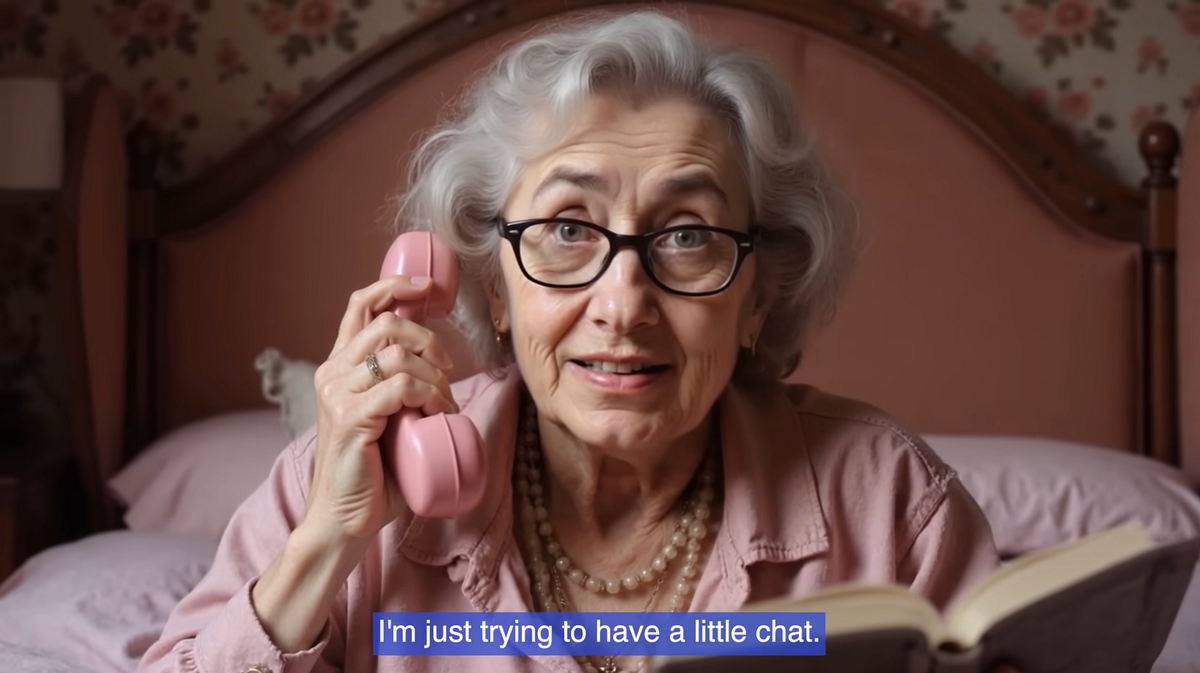
23 hours agoAI Recommendation Poisoning: Why Microsoft (NASDAQ:MSFT) Is Fighting So Hard - TipRanks.com
AI recommendation poisoning manipulates AI outputs by embedding hidden instructions in websites, potentially skewing information and affecting marketing strategies.


fromSecuritymagazine
1 day agoAI Startup Mercor, Which Works With Open AI and Anthropic, Confirms Data Breach
Four terabytes of data have reportedly been stolen, including database records and source code. Allegedly stolen data has been published on a leak site, containing Slack information, internal ticketing data, and videos of conversations between Mercor's AI systems and contractors.
Information security


fromwww.theguardian.com
6 days agoSoon publishers won't stand a chance': literary world in struggle to detect AI-written books
An editor expressed concern, stating that the Shy Girl incident could happen to any publisher, highlighting the industry's need for vigilance regarding the authenticity of submissions.
Books


Business intelligence
fromComputerWeekly.com
2 weeks agoAI tools offer 'near-real-time' analysis of data from seized mobile phones and computers | Computer Weekly
Cellebrite's AI-powered Guardian Investigate platform enables police to rapidly analyze mobile device data, discover connections between datasets, track phone locations over time, and construct event timelines for major crime investigations.
#deepfake-technology
Berlin
fromFast Company
2 weeks agoDeepfakes are warping reality. This AI project turns them into a history lesson
An art installation uses AI deepfake technology to place participants into historical speeches, demonstrating generative AI's potential for educational and artistic purposes beyond misinformation.
Information security
fromnews.bitcoin.com
3 days agoChainalysis Deploys AI Agents to Counter Criminal Use of Artificial Intelligence in Crypto
Chainalysis introduces AI agents to enhance fraud detection and compliance without requiring deep technical expertise, ensuring data quality and human oversight.
Photography
fromwww.dw.com
3 weeks agoLong before AI, fake photos were already popular
Image manipulation predates modern technology by nearly two centuries, with photography's invention in 1837 immediately followed by techniques to alter and fake images for political, commercial, and entertainment purposes.
fromComputerworld
4 days agoBeware of headlines touting impossible AI benefits, analysts warn
The savings disappear the moment you hit real-world complexity. Disparate data sources and messy inputs, ambiguous situations without clear rule sets, or actually any domain where the rules aren't already obvious. And someone still has to write all those rules.
Artificial intelligence
Business intelligence
fromSecuritymagazine
3 weeks agoAI Security and Forensic Accounting: Protecting Financial Systems in an Automated World
AI-enhanced forensic accounting is essential for detecting financial fraud and payment manipulation in automated financial systems vulnerable to sophisticated, AI-driven attacks.
Privacy technologies
fromTheregister
3 weeks agoMeta, cops deploy AI and handcuffs in scam crackdown
Meta deployed anti-scam tools across WhatsApp, Facebook, and Messenger, including device-linking warnings and suspicious friend request alerts, while law enforcement disrupted scam networks and arrested 21 fraudsters.

fromTechCrunch
3 weeks agoYouTube expands AI deepfake detection for politicians, government officials, and journalists | TechCrunch
This expansion is really about the integrity of the public conversation. We know that the risks of AI impersonation are particularly high for those in the civic space. But while we are providing this new shield, we're also being careful about how we use it.
Artificial intelligence
fromComputerworld
2 months agoIn an AI-perfect world, it's time to prove you're human
But now, communicating with perfection and polish signals a lack of value. It signals that you used AI. Speaking to Instagram influencers, Instagram chief Adam Mosseri last week announced the dawn of this new world. In posts on Instagram and Threads, he said that, "Deepfakes are getting better and better. AI is generating photographs and videos indistinguishable from captured media. The feeds are starting to fill up with synthetic everything."
Social media marketing
fromTechRepublic
1 month agoViral AI Caricatures Highlight Shadow AI Dangers
"While many have been discussing the privacy risks of people following the ChatGPT caricature trend, the prompt reveals something else alarming - people are talking to their LLMs about work," said Josh Davies, principal market strategist at Fortra, in an email to eSecurityPlanet. He added, "If they are not using a sanctioned ChatGPT instance, they may be inputting sensitive work information into a public LLM. Those who publicly share these images may be putting a target on their back for social engineering attempts, and malicious actors have millions of entries to select attractive targets from."
Information security
Artificial intelligence
fromFast Company
1 month agoAI can now fake the videos we trust most. How to tell the difference-and how newsrooms can respond
AI-generated videos now convincingly mimic trusted eyewitness formats, making fake footage indistinguishable from real and undermining information reliability.
fromwww.theguardian.com
1 month agoDeepfake fraud taking place on an industrial scale, study finds
Tools to create tailored, even personalised, scams leveraging, for example, deepfake videos of Swedish journalists or the president of Cyprus are no longer niche, but inexpensive and easy to deploy at scale, said the analysis from the AI Incident Database. It catalogued more than a dozen recent examples of impersonation for profit, including a deepfake video of Western Australia's premier, Robert Cook, hawking an investment scheme, and deepfake doctors promoting skin creams.
Artificial intelligence
fromGeeky Gadgets
2 months agoHow to Spot AI Photos Fast in 2026 Using Content Labels, Hive AI Scores & Reverse Search
As AI-generated images grow more advanced, distinguishing between authentic visuals and artificial creations has become increasingly challenging. From stunningly realistic portraits to intricate landscapes, these images are designed to fool even the most discerning viewers. TheAIGRID takes a closer look at how you can confidently identify AI-generated visuals in today's digital age. Whether you're a journalist verifying content, a marketer safeguarding your brand, or simply someone navigating the internet, this how-to guide will help you stay informed and alert.
Artificial intelligence
Artificial intelligence
fromwww.theguardian.com
1 month agoDeepfakes spreading and more AI companions': seven takeaways from the latest artificial intelligence safety report
Latest AI models significantly improved reasoning and performance in math, coding and science, yet remain error-prone, hallucinate, and cannot reliably automate long, complex tasks.
[ Load more ]