#vodka-tasting
#vodka-tasting
[ follow ]
#mixology #cocktails #bloody-mary #flavor-enhancement #cooking-tips #bourbon #whiskey #whisky #cocktail-recipes
fromTravel + Leisure
2 days agoThe Best Cocktail to Order on a Flight, According to Science
"Our study confirmed that in an environment of loud noise, our sense of taste is compromised. Interestingly, this was specific to sweet and umami tastes, with sweet taste inhibited and umami taste significantly enhanced," Robin Dando, one of the study's authors, told the Cornell Chronicle after the study came out.
Boston food
fromSnowBrains
2 months agoApres: A 33-Resort Quest for the 9 Best Old Fashioned Cocktails in the West - SnowBrains
The Old Fashioned may be the most quintessential après-ski cocktail of them all. It's warm, satisfying, and perfectly suited for lingering conversations with friends gathered around a roaring fireplace. With each sip, the drink subtly evolves as the ice slowly melts-an ever-changing experience in a single glass. Holding one immediately sets you apart, in the best way, from the beer-and-wine crowd at an après party.
Snowboarding
fromTasting Table
1 month ago9 Craft Distilleries In The US You Should Visit - Tasting Table
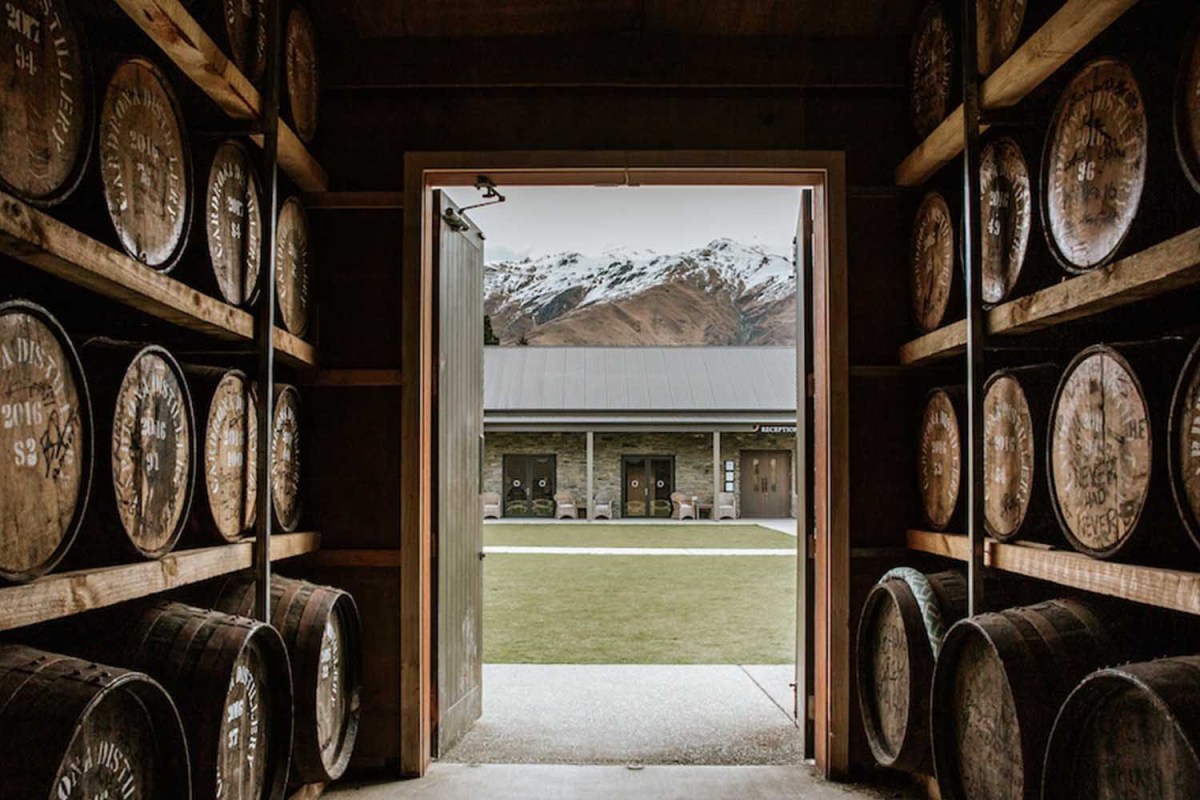
The U.S. spirits landscape has evolved far beyond the recognition of simply being the birthplace of bourbon. In recent years, we've seen a transformation in both the quality and individuality that the country's craft distilleries have been able to produce. While previous decades were dominated by the big-name distilleries, far more awards are going to craft distillers who have mastered the art of producing high-quality whiskeys, rums, gins, and more.
Food & drink
Cocktails
fromTasting Table
2 weeks agoWhat Makes A Celebrity Liquor Worth Buying, According To A Master Mixologist - Tasting Table
Celebrity liquor quality varies widely, with success depending on genuine distiller partnerships rather than marketing alone, as consumers quickly identify inferior products.
Cocktails
fromTasting Table
2 weeks agoThe Worst Type Of Rum On The Market, According To An Expert - Tasting Table
Rum encompasses diverse styles from agricole to aged varieties; heavily sweetened spiced rums with artificial flavoring lack complexity and should be avoided in favor of traditionally aged or blended options.

Cocktails
fromTasting Table
3 weeks agoThe 2-Ingredient Milk And Honey Cocktail That Goes Down Smooth Cold Or Warm - Tasting Table
The milk and honey is a two-ingredient dessert cocktail combining Bénédictine liqueur and milk, offering a decadent, complex flavor profile that's quick to prepare for any occasion.
Cocktails
fromTasting Table
3 weeks agoHow To Enhance An Old Fashioned With Simple Swaps, According To A Mixologist - Tasting Table
The old fashioned can be creatively updated by modifying one core ingredient at a time—such as bitters, sweetener, or bourbon—while maintaining the drink's essential character.
fromTasting Table
3 weeks agoThe Cocktail Trend That Needs To Go Away In 2026, According To A Mixologist - Tasting Table
One trend I'd happily see fade away in 2026 is the obsession with overly complicated, garnish-heavy cocktails that prioritize spectacle over balance. There's nothing wrong with a drink that looks beautiful, but when the garnish becomes the entire point of the drink, it often means the cocktail itself is an afterthought.
Cocktails
fromTasting Table
2 months agoThe 10 Most Overrated Liquor Brands - Tasting Table
As a professional bartender with years of behind-the-bar experience, I've tasted, mixed, and served my fair share of spirits - from obscure craft distilleries to globally recognized icons. Over time, I've noticed a recurring pattern: certain brands achieve fame, hype, or luxury pricing that their actual liquid rarely justifies. That's what I mean by "overrated." For the purposes of this article, an overrated brand is one that is sought-after, valued, or frequently discussed, yet, in terms of aroma, flavor, or overall drinking experience, fails to live up to its popularity, demand, or price point.
Food & drink
fromTasting Table
4 weeks agoThe 10 Absolute Best Cocktails To Make While Flying - Tasting Table
There is no environment more hostile to our senses than an airplane. In her book, Naglich explains how the recycled, stale cabin air dries out our noses and mouths, effectively muting our taste receptors. This means nothing tastes the way it should at 35,000 feet, so the cocktail you're making needs to be packed with flavorful components, otherwise it won't taste like much of anything.
Cocktails
Food & drink
fromTasting Table
2 months ago18 Low-Sugar Canned Cocktails And Malt Beverages, Ranked - Tasting Table
Cocktail-inspired canned ready-to-drink beverages, including low- and no-sugar options, offer varied quality with some brands delivering balanced, authentic flavors and others falling short.
Cocktails
fromTasting Table
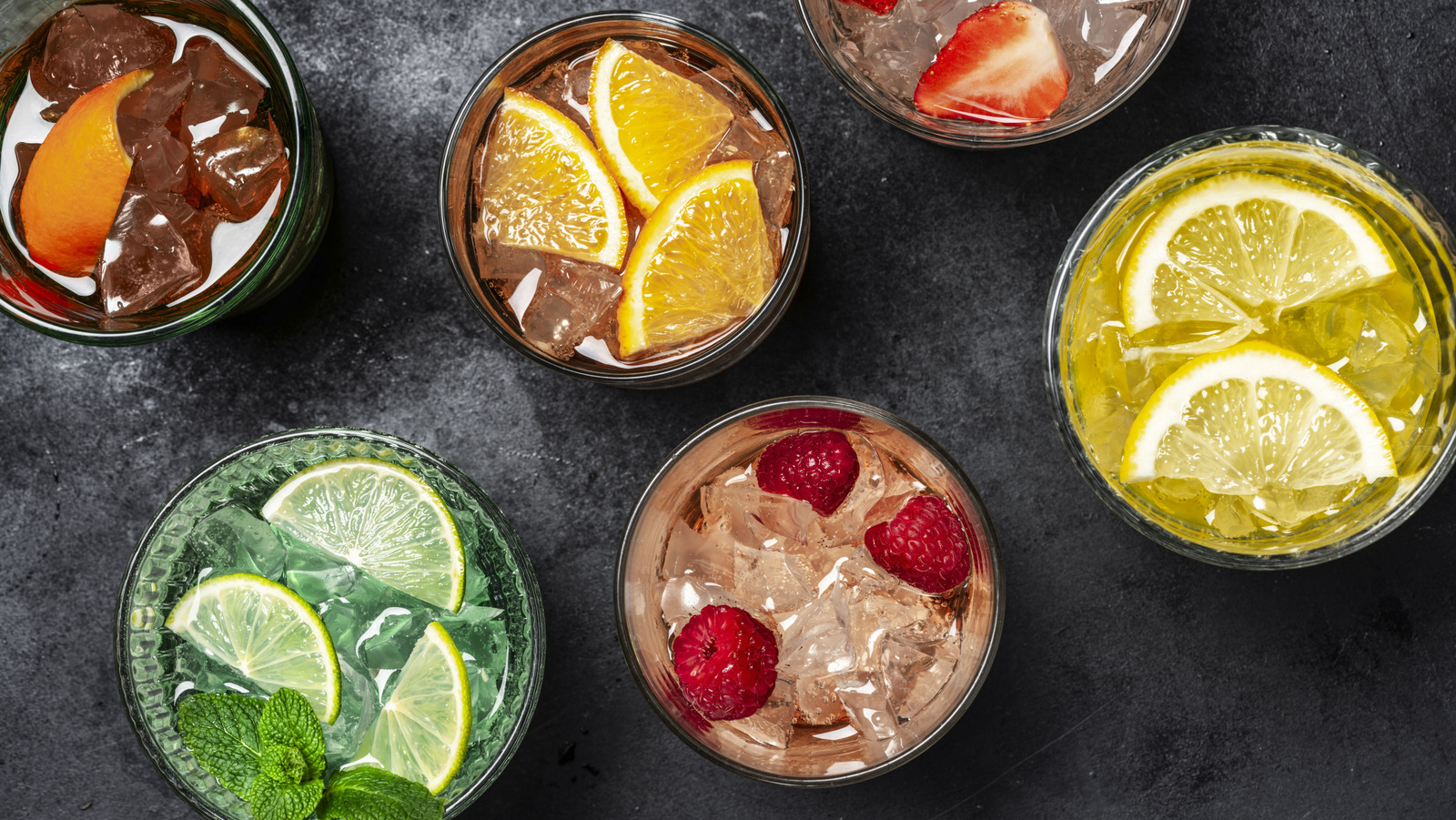
4 weeks agoThis Pantry Ingredient Gives Cocktails And Mocktails An Instant Boost - Tasting Table
Vinegar creates complex acidity in cocktails and mocktails, with shrubs—drinking vinegars made from fruit, sweetener, and vinegar—offering an easy way to balance sweetness with bright tartness.
Cocktails
fromTasting Table
1 month agoNeither Glencairn Nor Tumbler: The Glass That Brings Out The Best In American Whiskey - Tasting Table
The Bourbon Trail glass is optimal for American whiskey because its wide mouth allows ethanol vapors from high-proof spirits to dissipate, revealing more complex aromas than tumblers or Glencairn glasses.
fromTasting Table
1 month agoThe Hands Down Best Way To Drink Contemporary Gins - Tasting Table
"I wouldn't say the bramble is the only way to enjoy contemporary gin, but it's absolutely one of the most flattering cocktails to highlight the category," says Justin Lavenue, co-owner of Austin's famed cocktail bar The Roosevelt Room. "Contemporary gins, which tend to lean away from heavy juniper and more toward citrus, floral, root, and herbaceous notes, shine in cocktails where those subtleties have room to breathe. Unlike many other gin-based classics, the bramble gives them exactly that platform."
Cocktails
fromTasting Table
2 months ago19 Dessert Spirits That Aren't Baileys, Ranked - Tasting Table
The following is a roundup and ranking of a whopping 19 different bottles, and if I'm being honest, ranking them was no easy task. All of the below are either single-pour spirits or spirits that can easily be mellowed out with a cream liqueur addition (such is the case with some of the espresso/coffee/chocolate liqueurs below). So, when ranking them, I relied heavily on personal preference.
Cocktails
fromSlate Magazine
1 month agoIt's One of the Worst Things You Can Put in Your Cocktails. Everyone Insists On Doing It Anyway.
just before we collectively stumbled into this shitty timeline marred by "fake news" and idiot fascism, a journalist did that thing that journalism used to do: hold power to account. In this case, the power was Big Bay Leaf, and the reporter was Kelly Conaboy, writing for the Awl on a "vast bay leaf conspiracy" that-then as now-cons well-meaning home cooks into buying weird leaves that taste and smell like "nothing."
Cocktails
[ Load more ]