#waldemar-anton
#waldemar-anton
[ follow ]
#contemporary-art #art #exhibition #venice-biennale #art-exhibition #surrealism #photography #fashion-photography
#art

fromIrish Independent
4 days agoArts
'You have to step in and experience it' - artists on the rise of AI-generated art and the 'essential' gallery visit
Miriam Fitzgerald Juskova's exhibit combines paper quilling with mathematics, showcasing intricate art that engages viewers and emphasizes the value of handmade creations.
Arts
fromIrish Independent
4 days ago'You have to step in and experience it' - artists on the rise of AI-generated art and the 'essential' gallery visit
Miriam Fitzgerald Juskova's exhibit combines paper quilling with mathematics, showcasing intricate art that engages viewers and emphasizes the value of handmade creations.


Arts
fromThe Art Newspaper - International art news and events
2 days agoGagosian chooses Paris location to present three important late paintings by Francis Bacon
Three late paintings by Francis Bacon will be exhibited in Paris, showcasing his significant connection to the city and his artistic evolution.
fromBOOOOOOOM!
3 days ago"Idling" by Artist Greta Kresse
"These paintings merge the landscape and the intimacy of windows through the framing of the car, bridging the two realms I've typically explored separately. The car becomes a meditation on transition, on existing simultaneously here and elsewhere."
Arts
Berlin music
fromKALTBLUT Magazine
2 weeks agoExperience the Pulse of Existence: "Urgency" by Leonis Works at Haus Der Visionare - KALTBLUT Magazine
"Urgency" is a groundbreaking multi-disciplinary dance work exploring personal experience and socio-political issues through immersive choreography that transcends traditional stage boundaries.
fromArtnet News
3 days agoAt Art Basel Hong Kong, Wet Paint Hits Galleries, Malls, a Semi-Secret Space, and More | Artnet News
Hong Kong's particular and seductive Metabolist city planning is an ode to consumption as a great totalizer of culture, and to contemporary art as merely a niche commodity form among many others.
Arts
fromHyperallergic
2 days agoThe Art World Is a Joke
Kamrooz Aram is everywhere this year, from Mumbai Art Week to the Whitney Biennial, and critic Aruna D'Souza is grateful. She pens a beautiful meditation on his work, reading his abstract paintings as not simply a denunciation of Western modernism nor a reassertion of Islamic visual motifs, but something else entirely - something gestural, exuberant, riotous, and incomparably his own.
Arts
fromKALTBLUT Magazine
3 weeks agoIn Conversation with Malte Bossen! A Movement Of Change. - KALTBLUT Magazine
Pornceptual challenges mainstream perceptions of pornography, reframing it as inclusive, artistic, intimate, and respectful rather than exploitative or taboo. Its events, from Berlin to international stages, bring a sex-positive, body-inclusive ethos to nightlife. Strict consent practices, no-photo policies, and spaces designed for authentic self-expression create a rare kind of freedom - one that allows visitors to explore identity, desire, and intimacy without judgment.
Berlin music
Miscellaneous
fromJuxtapoz
1 month agoJuxtapoz Magazine - No Longer, Not Yet-Paintings on Paper: Jonathan Wateridge @ GRIMM, Amsterdam
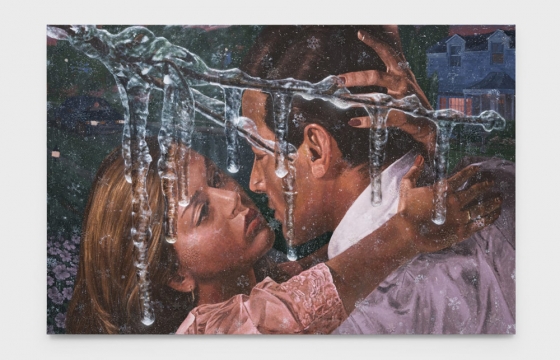
Jonathan Wateridge's paintings on paper capture erased moments and lost states from his larger canvas work, staging uncanny midcentury Los Angeles scenes with psychological tension and ambiguous narrative.


fromBerlin Art Link
2 months agoReview of Alexander Basil at Galerie Judin | Berlin Art Link
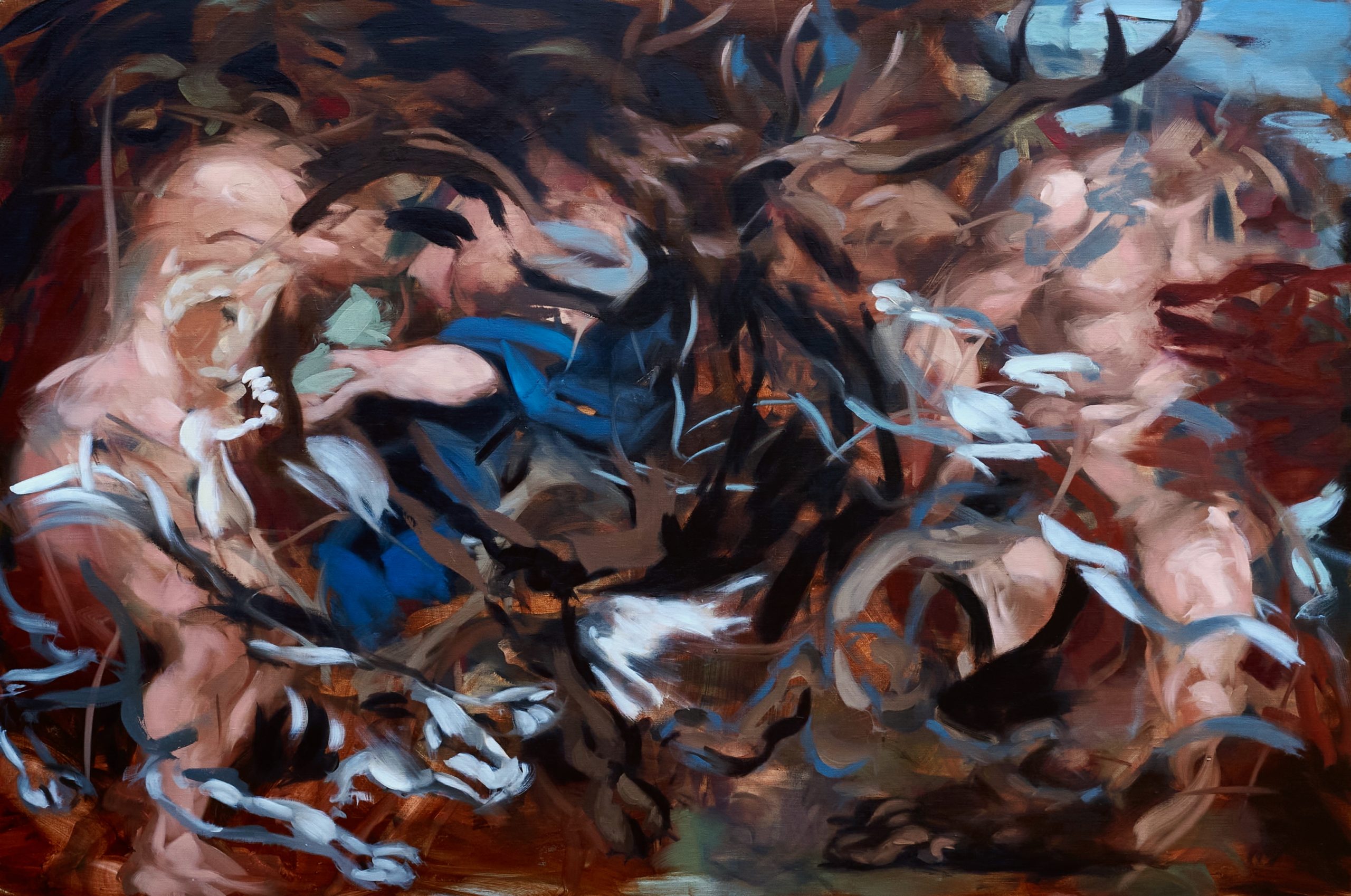
Alexander Basil has created a cosmos. His instantly recognizable style and established color palette implicate the subject matter in a process of calm and sure scrutiny. Central to this cage is the familiar figure that reappears, on a quest through daily life. The protagonist is both the subject and object of reflection that morphs in and with his surroundings, travelling worlds beyond the room he finds himself in.
Wellness
Photography
fromThe Art Newspaper - International art news and events
1 month agoDora Maurer, 'towering figure' of the Hungarian art scene, has died aged 88
Dóra Maurer, Hungarian painter, printmaker and filmmaker, died aged 88; her work explored form, time and movement using systematic processes and influenced Central European conceptual art.
fromArtnet News
2 weeks agoBerlin's First-Ever Art Gala Was a Love Letter to the City
The evening, spearheaded by directors Sam Bardouil and Till Fellrath alongside patrons Monique Burger and Christine Würfel-Strauss, arrived at a fraught moment for Berlin, whose cultural scene faces funding cuts of roughly €130 million.
Arts
Film
fromwww.theguardian.com
2 months agoPierre Huyghe: Liminals review terrifying quantum visions in a notorious Berlin club take seeing beyond believing
Pierre Huyghe's Liminals is an immersive, disorienting audiovisual installation blending ambiguous near-human imagery with subterranean vibrations and spatial uncertainty.
fromArtnet News
2 weeks agoPeter Halley Returns to Austria with First Solo Show in Two Decades
In many ways working in the tradition of Kazimir Malevich and Josef Albers, his compositions employ a language of squares and rectangles known as "Cells" and "Prisons," connected by bold lines called "Conduits." Together, these geometric and linear arrangements tap into the inherent geometry that structure reality, and conceptually refer to the construction of everyday life, both public and private as well as physical and psychological.
Arts
#performance-art
Arts
fromBerlin Art Link
2 weeks agoAn Interview with William Joys | Berlin Art Link
Theater exposes hidden power dynamics through the body's presence, with artist William Joys exploring these relations through 'The Actress' character who transgresses social hierarchies and blurs distinctions between subject and object.

Arts
fromBerlin Art Link
2 weeks agoAn Interview with William Joys | Berlin Art Link
Theater exposes hidden power dynamics through the body's presence, with artist William Joys exploring these relations through 'The Actress' character who transgresses social hierarchies and blurs distinctions between subject and object.
fromHyperallergic
3 weeks agoEmbracing Friction in the Art World
On Franklin Street in Brooklyn's Greenpoint neighborhood, one non-commercial gallery fosters 'a small, stubbornly human space for friction.' Friction—the ubiquitous buzzword that captures the simultaneous delight and discomfort of doing things the slow way—is at the heart of artists Pap Souleye Fall and Char Jeré's current show at Subtitled NYC. It also reflects the overall spirit of this little exhibition space and of a burgeoning movement to reject our culture of optimization in favor of a bumpier, more intimate, less alienating experience.
Arts
fromwww.kaltblut-magazine.com
1 month agoExperience the Essence of Black Creativity at Platte Berlin!
From February 17 to March 10, 2026, the vibrant intersection of fashion and art will come alive at Platte Berlin with SPOTLIGHT ON BLACK CREATIVITY. This unmissable pop-up exhibition showcases the brilliance of Black designers and visual artists, setting the stage for an extraordinary celebration of heritage and contemporary expression. Dive into a world where creativity knows no bounds, featuring groundbreaking brands such as adesa, Amaluma Studio, Gelisa George, Dinga, Azea Zalea, and GEMZ.
Fashion & style
Arts
fromThe Art Newspaper - International art news and events
3 weeks agoThoroughly Modern Tefaf: why the Maastricht fair is embracing the 20th century
Tefaf Maastricht thrives as a premier art fair despite management instability, attracting galleries seeking Old Masters and 20th-century secondary material in a slower, more deliberate market.
fromBerlin Art Link
2 months agoStudio Visit with Myriam Jacob-Allard | Berlin Art Link
Myriam Jacob-Allard appears through a heavy door and greets us with an easy warmth, scooping us up and welcoming us into her world. We are immediately absorbed by an unexpected color-drenched stairwell. Every surface is saturated in a dense, glowing yellow that reads unmistakably as egg yolk, insulating us from the outside in as we make our ascent. We turn into a long hallway whose fragrant freshly waxed floor catches the light, reflecting it back upward so that the corridor seems to glow beneath our feet.
Photography
Arts
fromThe Art Newspaper - International art news and events
3 weeks agoTefaf Maastricht: exhibitions to see beyond the fair
Three major European museums present ambitious exhibitions featuring birds in art, Ovid's Metamorphoses across centuries, and Yayoi Kusama's polka dot installations celebrating artistic themes of freedom, mythology, and contemporary creativity.
fromwww.kaltblut-magazine.com
1 month agoUnion of Opposites
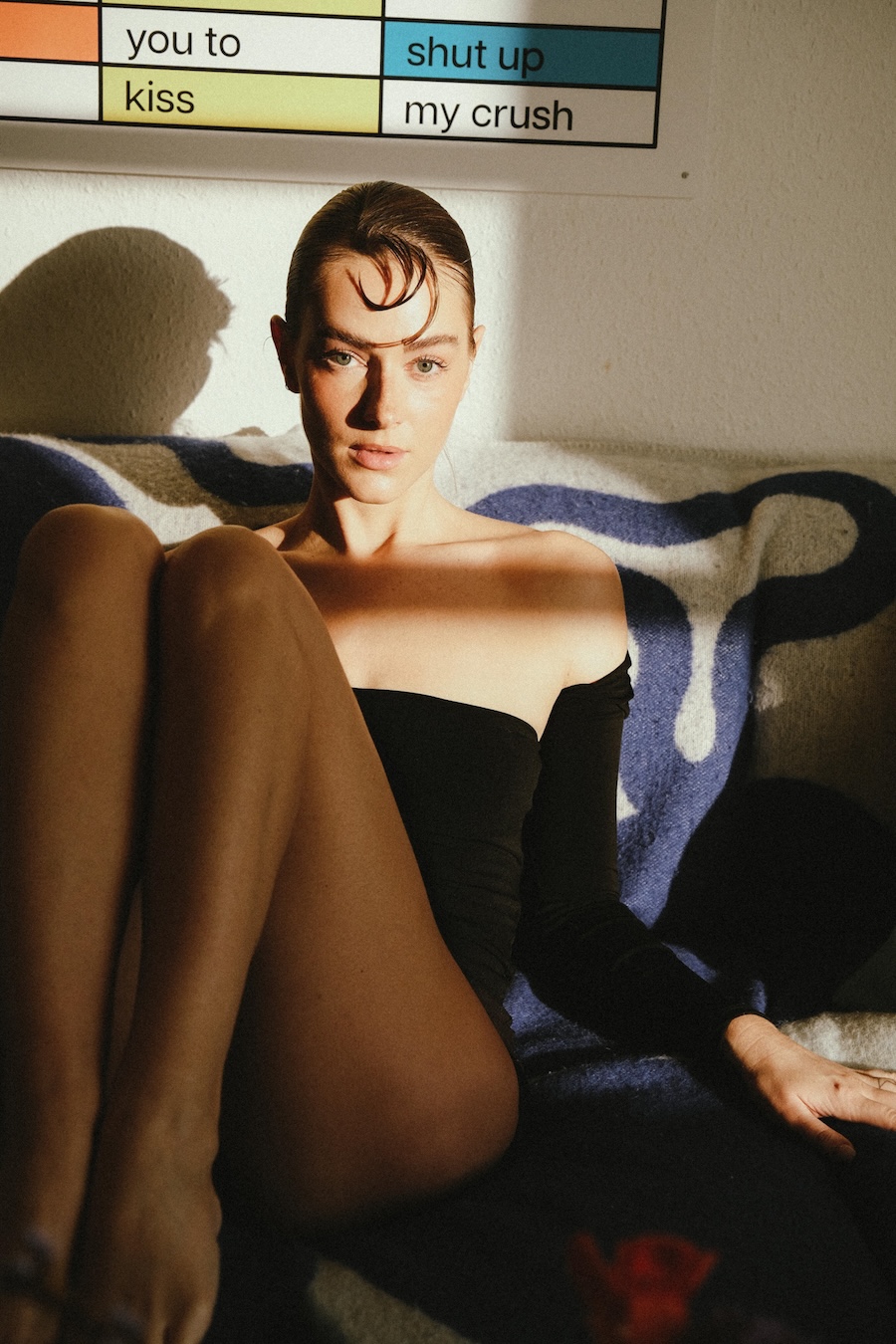
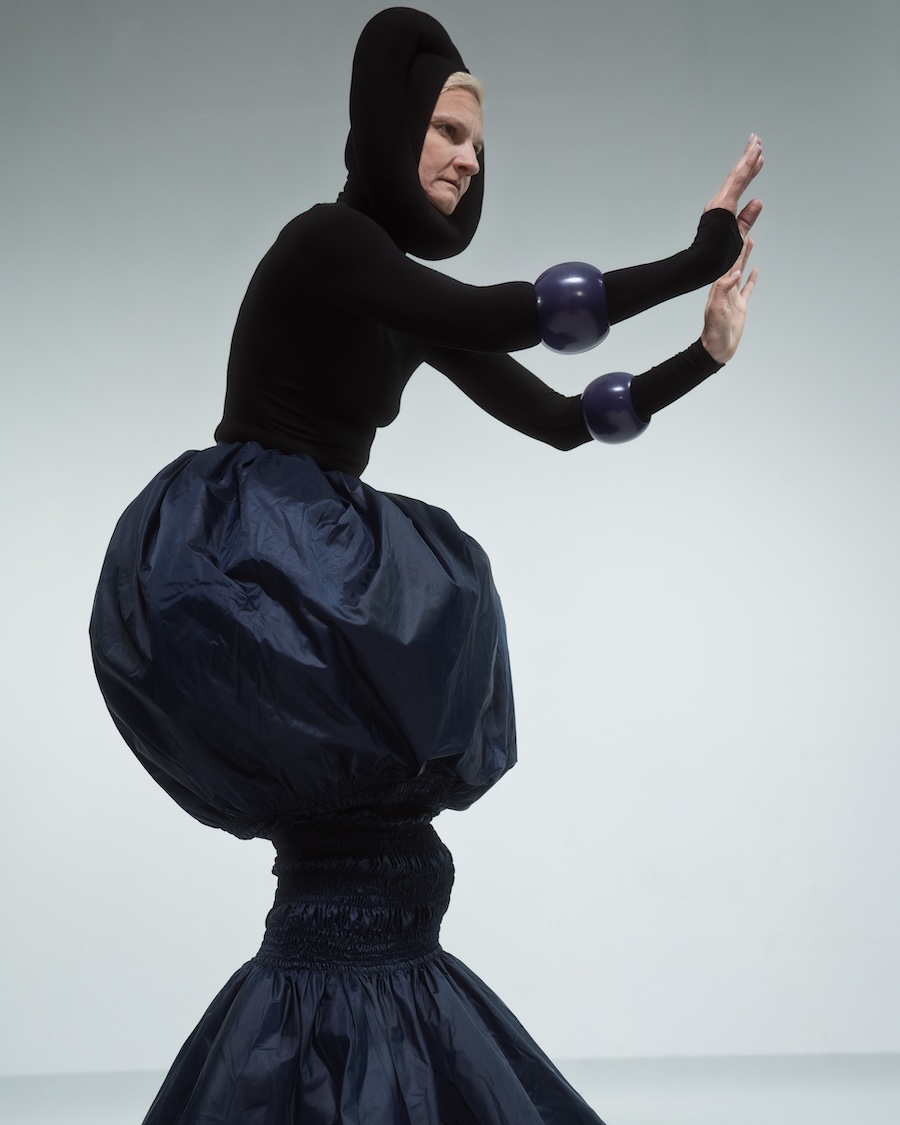
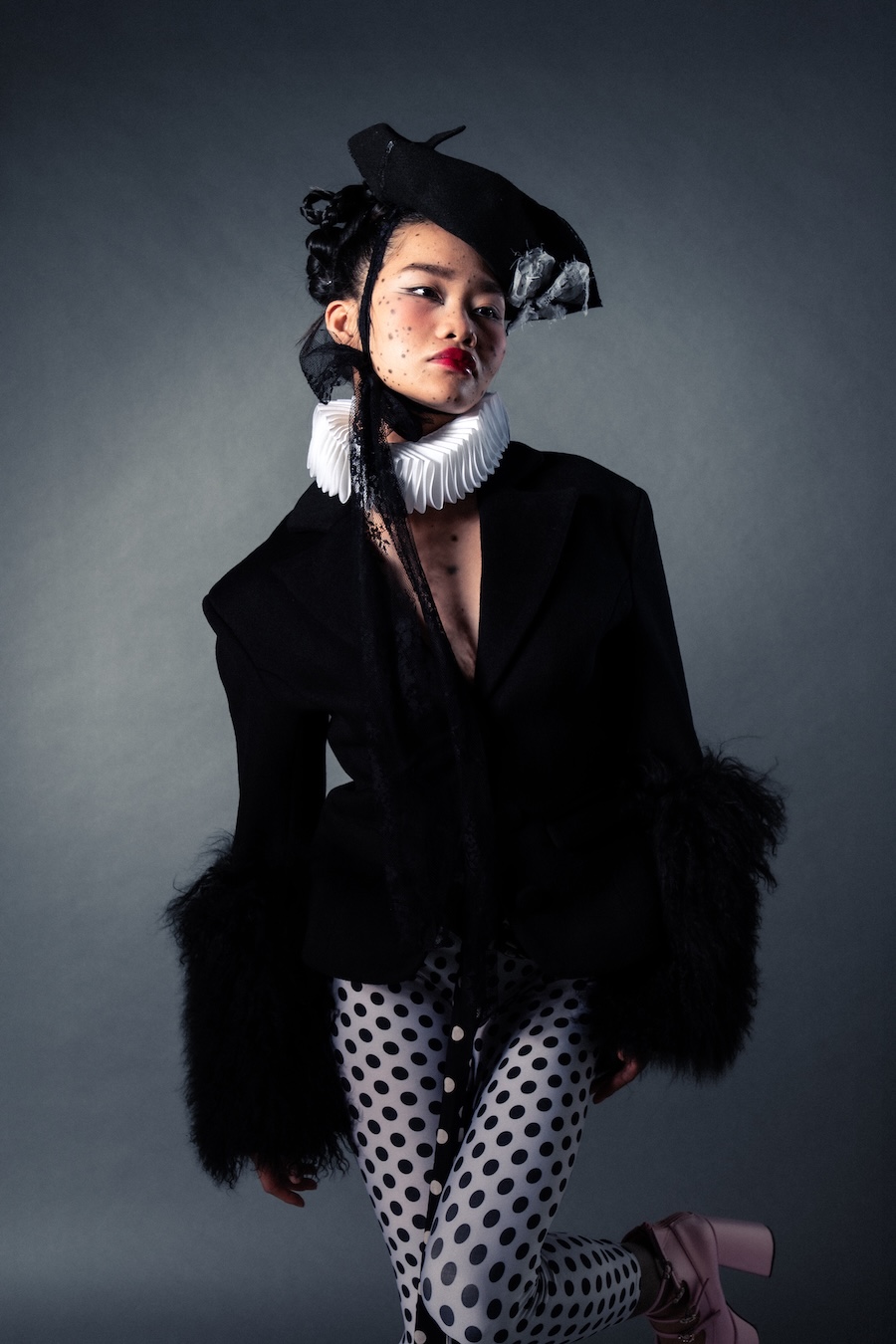
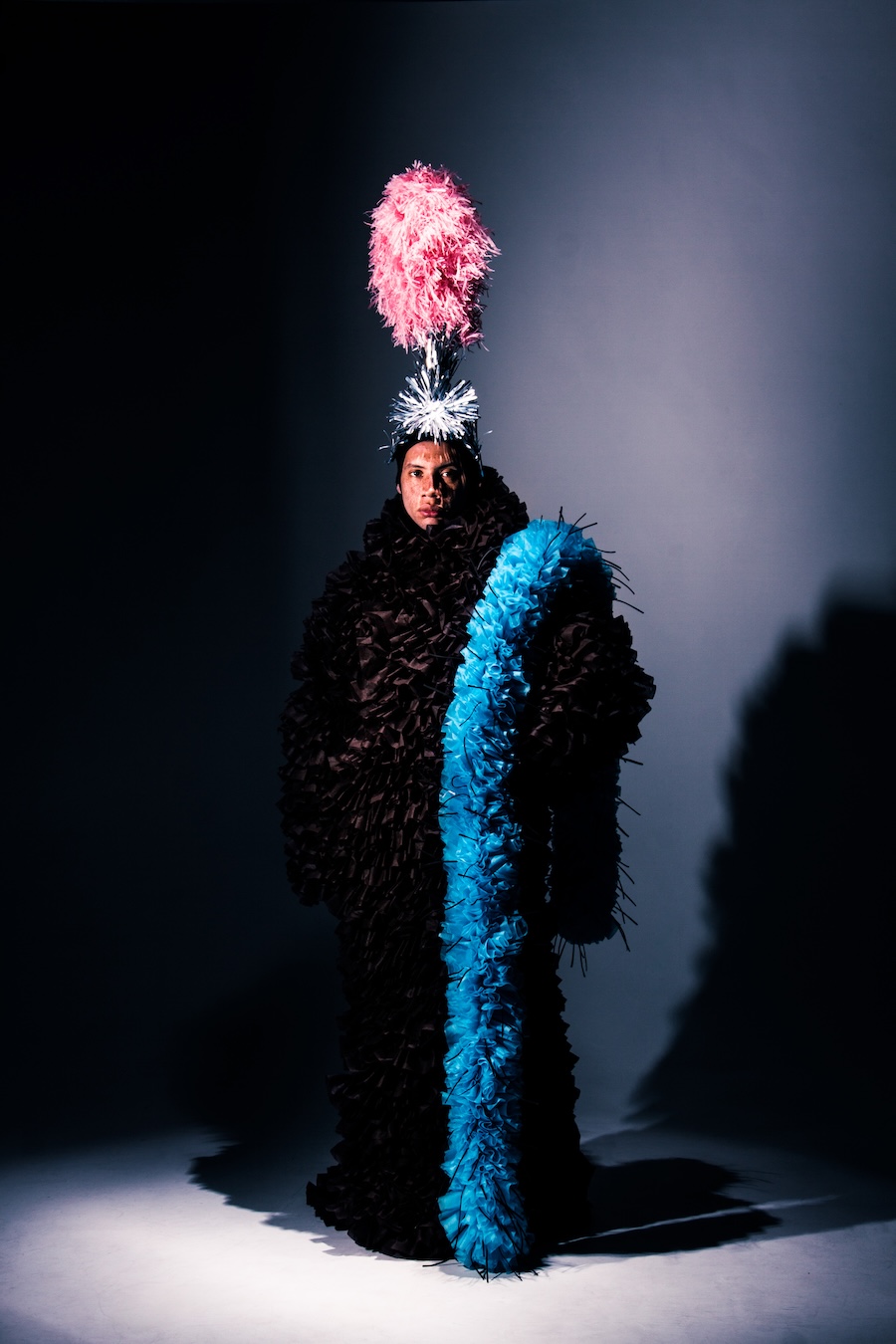
Originally from Dallas and now based in New York City, I approach photography as an exercise in atmosphere, trust, and control. Trained in the discipline of film and later in fashion photography, I work with both natural and artificial light to construct images that feel cinematic and psychologically charged. Moving fluidly between studio and location, I transform spaces into environments that heighten mood and presence.
Fashion & style
fromKALTBLUT Magazine
2 months agoGulu's Berlin Solo Debut: NIHILISTIC SUPERSTAR at Migrant Bird Space - KALTBLUT Magazine
As we traverse an era dominated by algorithms and driven by the impulse for efficiency, we increasingly sacrifice our ability to feel. In this "age of emotional poverty," highlighted by philosopher Byung-Chul Han, our emotional landscapes grow flatter, our pains diluted, and genuine intimacy replaced with a sterile digital façade. However, in Gulu's evocative imagery, the body emerges as a resilient space of resistance, pushing back against a world that demands we conform to neat, predictable narratives.
Photography
fromBerlin Art Link
1 month agoAn Interview with Monia Ben Hamouda | Berlin Art Link
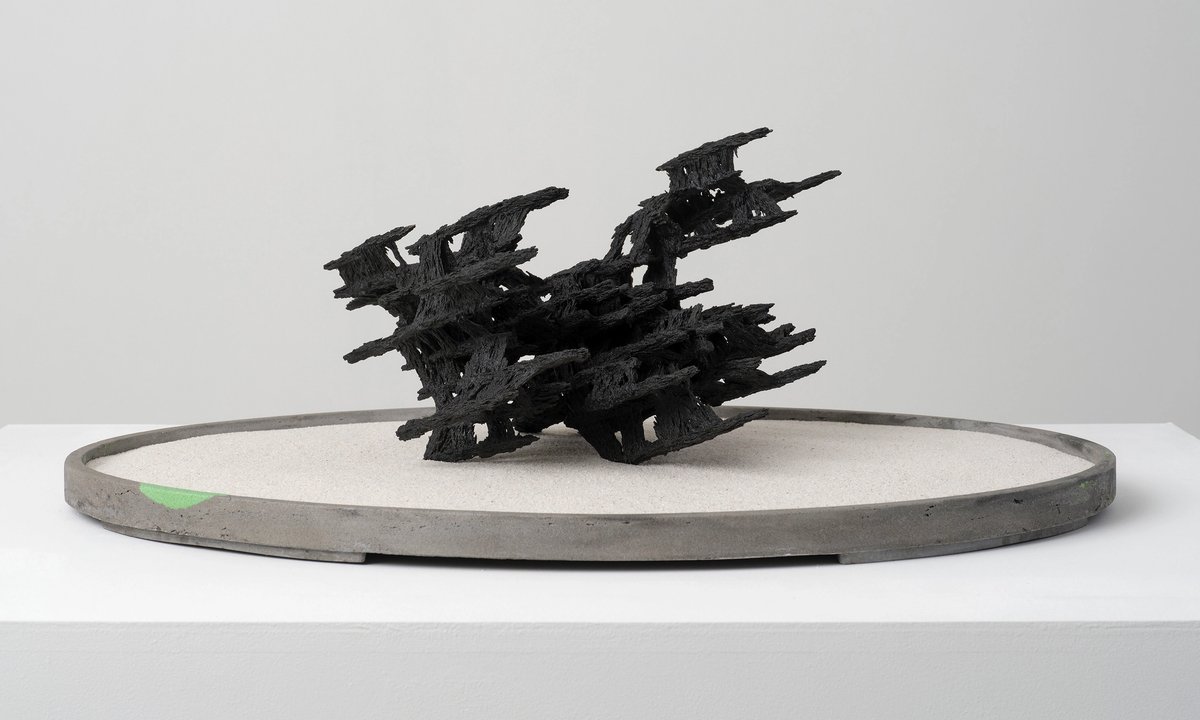
Monia Ben Hamouda's work weaves calligraphy, material transformation and ancestral memory into sculptures and installations that oscillate between language and form. In conversation, we traced the conceptual and sensory threads of her practice, unfolding through key works that reflect on heritage, embodiment and translation. Using materials such as iron, stone and pigment, her installations become sites where history is not only referenced but physically felt.
Arts

Arts
fromThe Art Newspaper - International art news and events
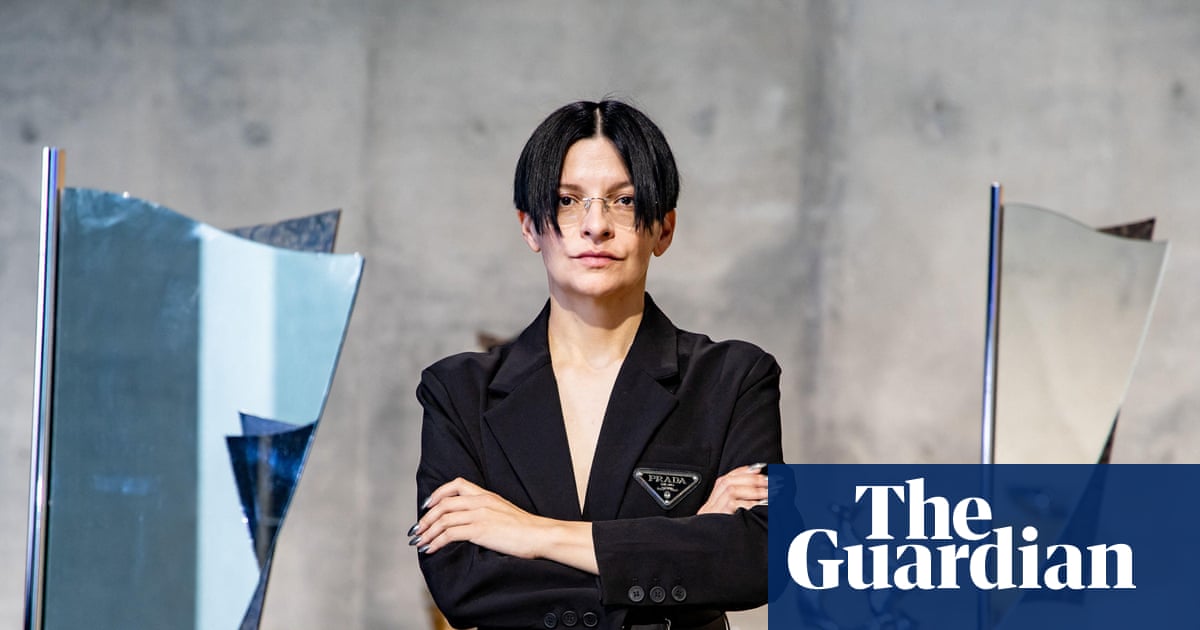
1 month ago'Still young and going strong': Berlin's pioneering contemporary art space Hamburger Bahnhof turns 30
Hamburger Bahnhof will operate as an experimental, production-oriented public museum that engages artists to reshape institutional structures, practices, and public dialogue.
Arts
fromdesignyoutrust.com
2 months agoRobert Reimann Turns Synthography Into Surreal Fine Art Where Prompts Meet Hand And Lens
A wide-ranging showcase of contemporary visual art and photography spanning surrealism, digital and AI art, conceptual sculptures, documentary photography, and inventive fashion and design.
fromBerlin Art Link
2 months agoReview of David Horvitz at ChertLudde | Berlin Art Link
In ChertLüdde, evocations abound: the show is a transcription of California (I've never been, but I imagine it to be sun drenched and a bit dehydrated), which is transposed onto the grid of the gallery in Schöneberg. Shells, dried stalks, bits of pottery, sea urchins, art left behind by visitors, are arranged on a stage (a duplication of the one found in Horvitz's garden in Los Angeles),
Arts
fromThe Art Newspaper - International art news and events
2 months agoThe must-see exhibitions of 2026: from Duchamp in New York to Baldessari in Beijing
Cezanne Fondation Beyeler, Basel, 25 January-25 May Paul Cezanne (1839-1906) represented a powerful inspiration for the artists who came after him; as Pablo Picasso famously put it, he was "the father of us all". Now, an ambitious exhibition focusing on the French artist's later works, when he was at the height of his powers, will open at Basel's Fondation Beyeler in January.
Arts

fromArtnet News
2 months agoWhy Art Karlsruhe Remains Essential for Collectors and Galleries
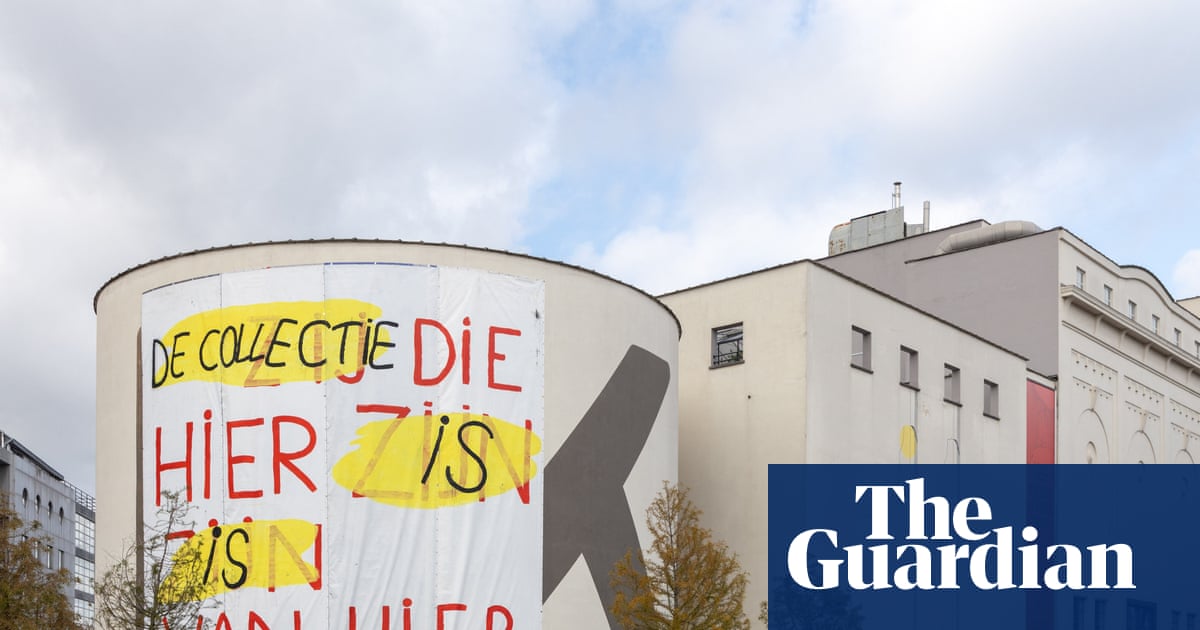
Bringing together roughly 180 galleries representing 18 countries, the presentations together cover 120 years of art history. Using its distinctive fair model featuring halls dedicated to different art historical periods and dialogues, historically significant works from classical Modernism-comprised of pivotal movements from the late 19th- to mid-20th century like Concrete art, Art Informel, Pop art, and more-meet the dynamic field of contemporary art today.
Arts
fromArtnet News
1 month agoHow the Mayor Gallery Has Helped Define Contemporary Art for 100 Years
In the story of art history-the art and artists, movements and trends-a select number of galleries have played a defining role in the evolution and trajectory of art itself. Among them, the Mayor Gallery in London is surely one, as it has maintained a position fostering and promoting some of the most significant developments in art for an astounding 100 years.
Arts
fromdesignyoutrust.com
1 month agoStunning Mistfilled Forests And Broken Trees Painted In Oldmaster Style by Martin Voigt
The Good, the Bad, the Mischievous: Cool Illustrations by Max Grecke Artist Draws Faces He Sees In Everyday Objects Lithuanian Artists Creates A Tiny Urban Project With City Signs The Graphic Designer Reworking Fashion's Most Iconic Logos Meet Yang Qi, Main Character Designer On 'Black Myth Wukong' Awesome Dad Turns Daughter's Eyepatch Into Art With Amazing Drawings This Artist Removes Make-Up From The Dolls To Give Them A More Realistic Look
Arts
fromBrooklyn Eagle
2 months agoThe Brooklyn Museum appoints Robert Wiesenberger as new senior curator of contemporary art
"We are delighted to welcome Robert to our esteemed curatorial team at the Brooklyn Museum," says Anne Pasternak, Shelby White and Leon Levy director. "His expertise and vision will undoubtedly expand and enrich the stories we are able to tell. We look forward to his insightful contributions as we continue to deepen our cultural offerings."
Arts
[ Load more ]