#westgate-farm
#westgate-farm
[ follow ]
#sustainability #gardening #food-security #soil-health #san-francisco #agriculture #climate-change #plant-care
#sustainability
Online Community Development
fromDaily Coffee News by Roast Magazine
2 weeks agoStudy: Social Enterprises Beat Corporate Sustainability in Farmer Well-Being
Social enterprises significantly enhance farmer well-being compared to traditional corporate sustainability programs and cooperatives in the coffee and cocoa sectors.
Online Community Development
fromDaily Coffee News by Roast Magazine
2 weeks agoStudy: Social Enterprises Beat Corporate Sustainability in Farmer Well-Being
Social enterprises significantly enhance farmer well-being compared to traditional corporate sustainability programs and cooperatives in the coffee and cocoa sectors.
fromwww.theguardian.com
3 weeks agoSmall changes in how we garden can make a big difference to birds | Letter
Around a third of UK gardeners use pesticides, and our studies found that house sparrow numbers, for example, were nearly 40% lower in gardens where the pesticide metaldehyde was used. By reducing pesticide use, you can actively encourage birds back into your outdoor spaces, as they rely on invertebrates such as slugs and snails as natural prey.
Pets
London food
fromIndependent
4 weeks agoFrom boardroom to barn: A couple's leap into organic sheep farming in Wicklow
Tom Stewart transitioned from UK logistics management to full-time farming in Ireland through a succession partnership, with his wife Katy joining after initially remaining in her dentistry career.
fromFuncheap
1 month agoRanch First Wednesday Open Community Day | Napa
During the open community day, Connolly Ranch welcomes old friends to visit and new friends to discover the ranch for the first time. Once a month, the ranch will be open for the public to visit the garden, relax in the grove, take a hike on the woodland trail and see the animals-on your own, or bring your family and friends.
Fundraising
Environment
fromEarth911
1 month agoClassic Sustainability In Your Ear: The Ocean River Institute's Natural Lawn Challenge for Climate Action
Natural lawn practices reduce water consumption, eliminate harmful chemicals, support pollinators, and store significantly more carbon than chemically-treated lawns, making healthy lawns powerful climate change solutions.
fromCN Traveller
1 month agoThe best farm shops in Cornwall that take pride in provenance
Long before they became destination stops, farm shops were practical lifelines in Cornwall; places where farming families sold what they reared, grew or made, and where local communities stocked their pantries. In a county shaped by smallholdings, dairy herds and mixed farms, the connection between land and table has always been close - and still, today, hyper-local food is something Cornwall does exceptionally well.
Food & drink

fromFast Company
2 months agoThe Farmers' Almanac isn't dead. It's getting a digital reboot under a new owner
"I saw the announcement that one of America's most enduring publications was set to close," Konrad said, "and it felt wrong to stand by while an irreplaceable piece of our national heritage disappeared."
Media industry
fromwww.theguardian.com
1 week agoIt helped me feed my six children': how Africa's first water fund supports farmers to protect Kenya's biggest river
The avocado seedlings enabled him to grow his farm income to close to 2m Kenyan shillings, with each mature avocado tree yielding 70kg annually. Improving farming methods and conserving the watershed has helped me to feed and educate my six children.
Agriculture
fromEarth911
2 weeks agoSeed, Sprout, Spectacular: Tips for Starting Your Garden From Scratch
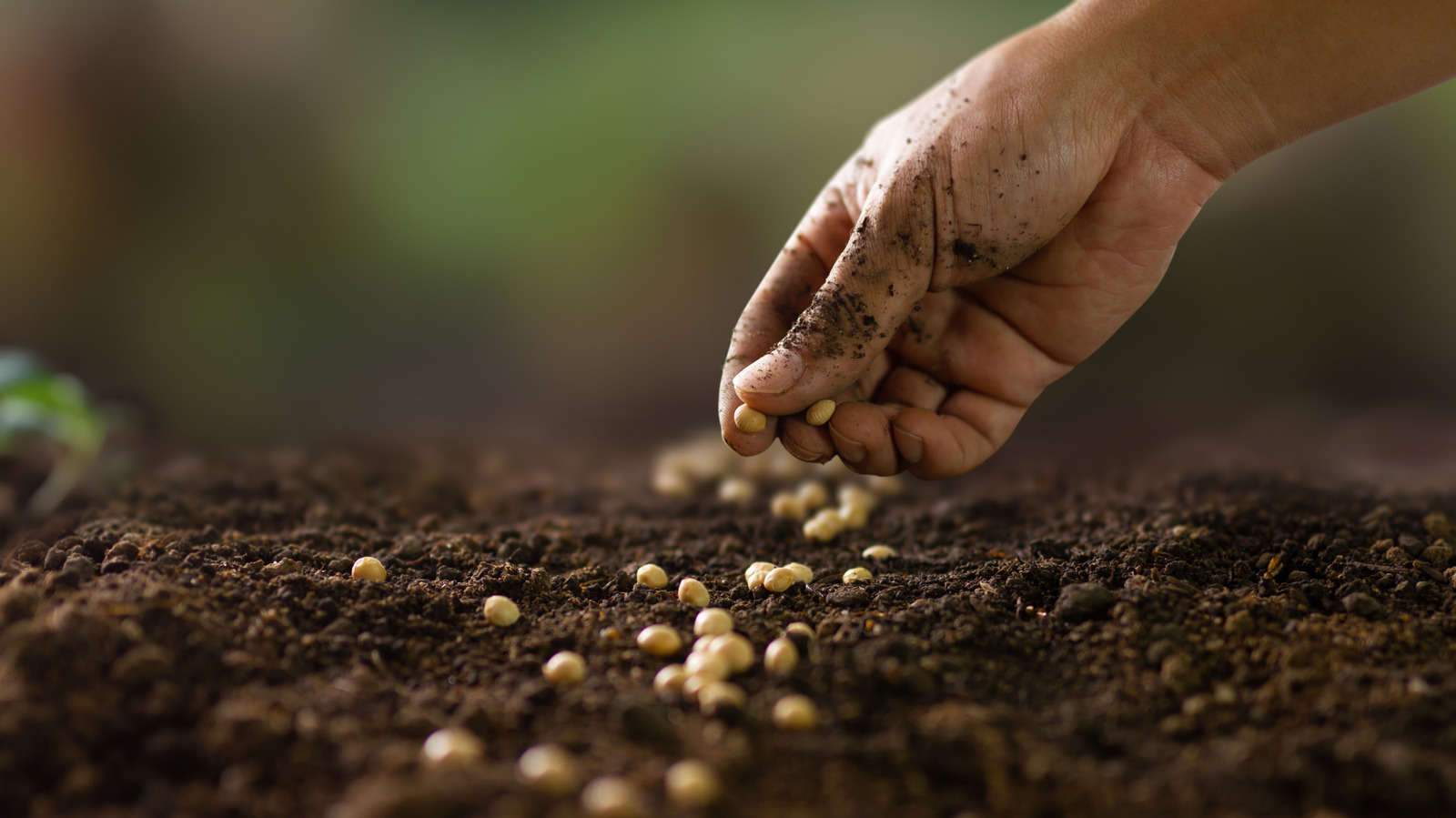
Starting plants from seed extends your relationship with the garden, gives you more control over seed sourcing, and saves real money compared to buying nursery starts, sometimes as much as 90% per plant.
Agriculture
fromEast Bay Express | Oakland, Berkeley & Alameda
2 months agoEdible ecosystems grow wildly from shoreline to forest
For Staller, foraging is a "precious" and "simple" activity that one can do to connect with nature. They can experience a sense of mindfulness from gathering together, looking for food and then cooking the bounty, she said. "We are returning to the most basic part of being a human, which is eating food and celebrating it," Staller said. "It's a lost artform."
Food & drink
fromRealagriculture
2 weeks agoLoveland Products launching more than 20 new products for 2026
"We're bringing over 20 new products... in the adjuvant space, the crop protection space, seed treatment, as well as the plant nutrition space," Walker states, emphasizing the significant volume of innovations for the upcoming year.
Agriculture
Agriculture
fromYanko Design - Modern Industrial Design News
2 weeks agoThis Wood Greenhouse Solves the Biggest Problem Backyard Gardeners Face - Yanko Design
The Miracle-Gro Wood Greenhouse by ShelterLogic extends growing seasons and protects plants from frost and weather using double-wall polycarbonate insulation and strategic ventilation systems.
Agriculture
fromTasting Table
2 weeks agoCan You Grow A Garden From Grocery Store Produce Seeds? - Tasting Table
Growing vegetables from store-bought seeds is possible but results vary based on produce type, growing method, and post-harvest treatment, with hybrid plants producing different crops than their parent plants.
fromwww.theguardian.com
2 months agoHumanity's favourite food': how to end the livestock industry but keep eating meat
For someone aiming to end the global livestock industry, Bruce Friedrich begins his new book called Meat in disarming fashion: I'm not here to tell anyone what to eat. You won't find vegetarian or vegan recipes in this book, and you won't find a single sentence attempting to convince you to eat differently. This book isn't about policing your plate.
Environment
Agriculture
fromArchitectural Digest
1 year ago13 Raised Garden Bed Ideas to Elevate Your Backyard This Spring
Raised beds allow gardeners to engineer ideal soil conditions, improve ergonomics, protect crops from pests, and enable faster soil warming and easier watering compared to ground-level gardening.
fromRealagriculture
1 month agoNeighbourly values underscore Scheetz message to farm families
I think that you just got to do it and you've got to do it because nobody else is lined up to do it for you. Working hard has its rewards... and also to give back to the community because the farming community just does that.
Agriculture
Agriculture
fromFortune
1 month agoFarmer turns down $15.7 million offer from data center developers: 'It breaks my heart ... the rest of every square inch is going to get built on' | Fortune
An 86-year-old Pennsylvania farmer sold development rights for under $2 million to preserve 261 acres instead of accepting over $15 million from developers.
fromInsideHook
2 months agoAn Essential Part of Farming Has Two Wings and a Beak
When you think of farming, what ingredients do you generally associate with a successful harvest? The basics certainly come to mind: fertile soil, plenty of sunlight and lots of water. But there are other variables that can also mean the difference between a crop of healthy fruits and vegetables and a large heap of organic waste. And it turns out that one of those variables is a very small hawk.
Agriculture
fromwww.theguardian.com
1 month agoWe're not hippies': why these Iowa farmers swapped pigs for mushrooms
My older brother has worked with pigs his entire adult life, managing about 70,000 of them across five counties, Faaborg says. But we got to a point where he went from laughing at me to saying: well, I guess maybe I'll quit my job and help you out. Now he's the most dedicated, says Katherine Jernigan, director of the Transfarmation Project at Mercy for Animals, a non-profit that helped the Faaborgs make the switch and set up their new business, 1100 Farm.
Agriculture
fromdesignboom | architecture & design magazine
2 months agofuture farm: a vertical farming system frames architecture as hydro-ecological infrastructure
Future Farm is a modular vertical farming system designed by Qing Duan for integration within urban architecture, proposing a model where buildings function as hydro-ecological systems. Rainwater is collected, filtered, and redistributed to support plant growth and domestic needs, establishing a closed-loop water cycle that combines sustainable agriculture with everyday city life. The project incorporates public greenhouse spaces, shared kitchens, rooftop farms, and educational zones to enable collective care, learning, and interaction with urban farming processes.
Agriculture
Agriculture
fromIndependent
2 months ago'It's a kind of rock-star lifestyle... but I always loved farming': Why ex-pro surfer swapped chasing waves for regenerative farming
Fergal Smith left a professional surfing career to practice regenerative farming and train Ireland’s next generation of sustainable farmers on Moy Hill Farm.
fromTasting Table
2 months agoThe Slow-Growing Crop That Pays Off Big When You Start It From Seed - Tasting Table
People grow asparagus from crowns because it shortens the long wait times for harvesting. From seed, you'll need to wait three years before harvesting asparagus. Some people consider that a waste of time. The tradeoff is that you can keep harvesting every spring for up to 15 years or more. If you plant crowns, you get a one-year jump on things. However, those crowns may have soil-borne diseases you don't know about, so there is a risk involved. Seeds remove that problem.
Agriculture
[ Load more ]