#wi-fi-location-tracking
#wi-fi-location-tracking
[ follow ]
#airtag #advertising #privacy #precision-finding #apple-maps #apple #location-sharing #data-collection #bluetooth
Business intelligence
fromComputerWeekly.com
2 days agoWilson Connectivity, Autonomous Systems team for in-building wireless service | Computer Weekly
Wilson Connectivity and Autonomous Systems partner to automate in-building wireless infrastructure management, enhancing deployment and ongoing optimization.




fromSearch Engine Roundtable
4 days agoOpenAI ChatGPT Enables Location Sharing For More Localized Near Me Results
Users can now choose to share their device location so ChatGPT can provide more relevant information, such as local recommendations, news, and weather. Sharing your device location is completely optional and off until you choose to enable it.
Roam Research
fromThe Cipher Brief
2 weeks agoGPS Denied: Time to Upgrade
On February 28, ships navigating the Strait of Hormuz started appearing on tracking screens in places they couldn't possibly be. They appeared to be sitting on airport runways, parked on Iranian land, and clustered at nuclear power plants. More than 1,100 commercial vessels had their navigation systems scrambled in a single day following US-Israeli airstrikes on Iran, bringing a waterway that handles a fifth of the world's oil exports to a halt.
Science
#government-surveillance



Privacy professionals
fromgizmodo.com
1 month agoFeds Used Online Advertising Data to Track the Public's Phone Locations
CBP purchased online advertising data containing mobile phone location information tracked through Advertising IDs to support border security operations including targeting, vetting, and illicit network discovery.
Artificial intelligence
fromABC7 Los Angeles
3 weeks agoGoogle overhauls its Maps app, adding in more AI features to help people get around
Google Maps is redesigning its service with Gemini AI to provide conversational recommendations and 3D navigation visualization for over 2 billion users worldwide.
Remote teams
fromFortune
3 weeks agoMicrosoft Teams can now track what room you're in. 'Do these companies ever put these ideas through a creepy assessment?' | Fortune
Microsoft Teams introduces automatic work location tracking via Wi-Fi and docking stations, raising privacy concerns despite company claims it promotes collaboration and supports return-to-office mandates.


Privacy technologies
fromThe Queen Zone
3 weeks ago13 ways your smart tv may be tracking you and what you can do about It
Over 80% of U.S. households own internet-connected televisions that track viewing habits, voice commands, and app usage, converting entertainment devices into behavioral tracking tools for advertising and analytics networks.
Privacy professionals
fromwww.theguardian.com
2 weeks agoWhy is the FBI buying people's location data and how is it using the information?
The FBI resumes purchasing commercially available location data on Americans, circumventing warrant requirements and Fourth Amendment protections against warrantless surveillance.



fromThe Verge
1 month agoAndroid's Find Hub adds iPhone-like luggage tracking links
Google is rolling out an Android update that includes the ability to share the location of your missing luggage with an airline. It's similar to the luggage-tracking feature Apple brought to the iPhone, allowing you to view the location of your Find Hub tag or accessory on a map, and provide your airline with a link to the information they need to track it down.
Gadgets
Privacy technologies
fromWIRED
4 weeks agoThis Jammer Wants to Block Always-Listening AI Wearables. It Probably Won't Work
Deveillance's Spectre device claims to detect microphones via RF emissions and NLJD technology, but experts dispute its effectiveness and question whether it can reliably identify all microphone types.
Wearables
fromTechCrunch
1 month agoA new app alerts you if someone nearby is wearing smart glasses | TechCrunch
Nearby Glasses is an Android app that detects Bluetooth signals from smart glasses and alerts users when recording devices are nearby, addressing privacy concerns about non-consensual surveillance.
Wearables
fromYanko Design - Modern Industrial Design News
1 month agoXiaomi Built a Tracker That Works on Apple Find My and Google - Yanko Design
Xiaomi's new Tag supports both Apple Find My and Google Find Hub, providing broader network coverage than single-ecosystem trackers for more reliable item location.
Privacy technologies
fromPrivacy International
1 month agoNowhere to Hide? Privacy Risks and Policy Implications of AI Geolocation
Vision-Language Models can accurately determine photo locations without GPS data, creating serious privacy and human rights risks including surveillance, doxxing, and discriminatory policing.
fromTelecompetitor
1 month agoAI and machine learning are the future of Wi-Fi management: WBA report
AI and ML are critical for enabling autonomous, self-optimizing Wi-Fi networks capable of managing dense deployments and real-time performance demands. AI/ML reduces operational costs, improves reliability and security and delivers a more consistent quality of experience. Proprietary approaches, inconsistent data quality, and closed interfaces slow innovation and increase integration costs. Interoperable frameworks - not algorithms - will be key to success. Interoperability must include data models, telemetry, APIs, and model lifecycle management.
Artificial intelligence
fromFuturism
1 month agoNew App Detects the Radio Fingerprint of Smart Glasses and Warns You When Someone Is Using Them Nearby
Covert recording is a lot about power. So, I was worried from the very beginning when Meta announced they were going to revive the Google Glass idea. That might be influenced by my study subject very well, but it might as well be influenced by every report and story I read on digital abuse and hate speech in the last twenty to thirty years.
Privacy technologies
Gadgets
fromZDNET
2 months agoI've tried countless tracker tags, and these are the best I've found for Android
Rolling Square's AirNotch Pro Dual tags provide cross-platform Find My and Google Find Hub compatibility, durable IP68 construction, long battery life, omnidirectional sound, and built-in key attachment.
fromFuturism
1 month agoCities Are Shredding Their AI Surveillance Contracts en Masse
Since the start of 2025, at least 30 cities have canceled their contracts with Flock Safety, the AI surveillance company whose CEO wants to end all crime within the decade by blanketing the country in ever-watchful security cameras. That startling figure comes courtesy of NPR, which reports that concerned activists are putting mounting pressure on cities to cut ties with the company. "We are seeing a lot more momentum," Will Freeman, a Colorado-based organizer who runs the website DeFlock.org, told the broadcaster.
Privacy professionals
fromAdrelien | Meshtastic, IoT & Off-Grid Tech Guides
1 month agoWhy Your Meshtastic Node Sees More Satellites (GNSS Explained)
The other day we were scrolling through r/meshtastic and someone asks: "Why does my device show 10+ satellites in view while my buddy's barely sees 8?" Good question. Really good question, actually. And it's about to take us down a rabbit hole that involves atomic clocks, Cold War competition, European independence, and why your Meshtastic node cares about all of this.
Gadgets






Privacy technologies
fromTechCrunch
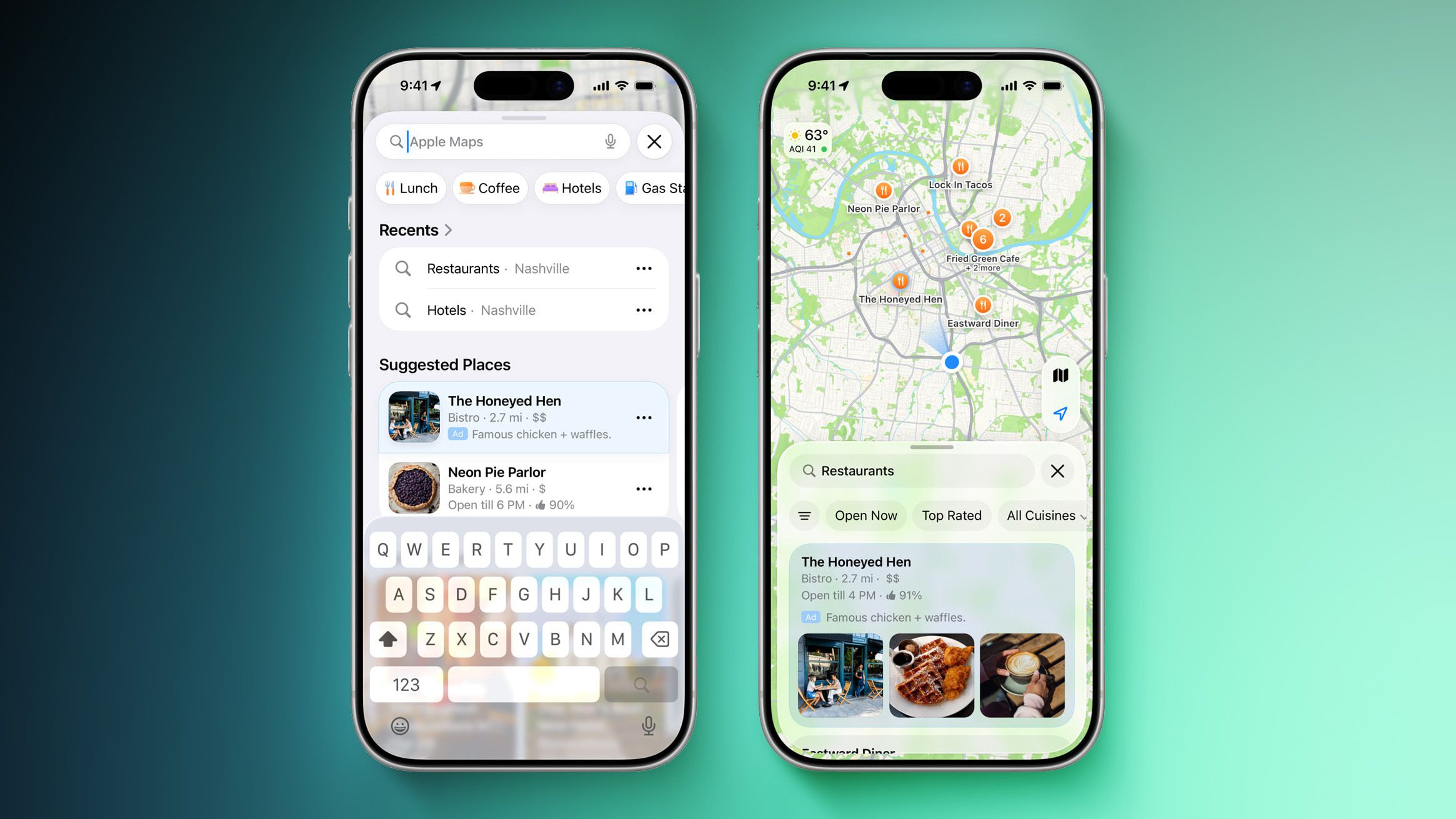
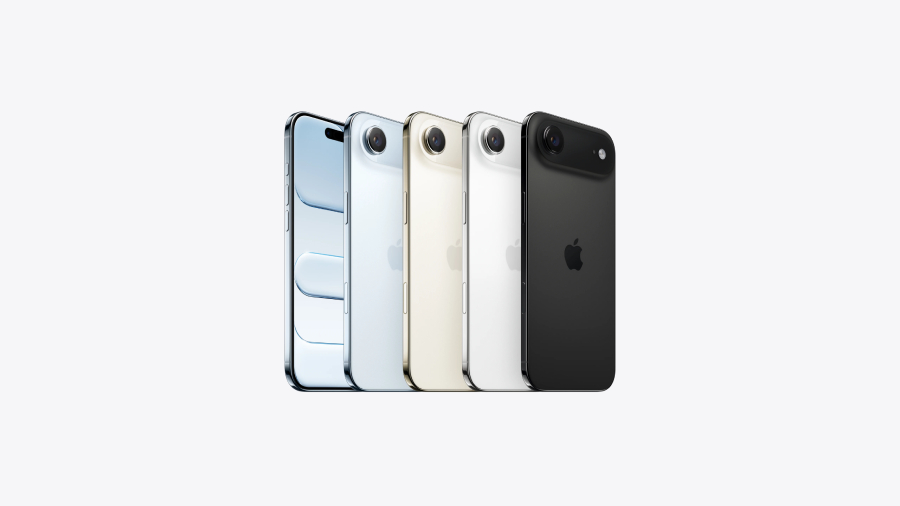
2 months agoApple's new iPhone and iPad security feature limits cell networks from collecting precise location data | TechCrunch
A new iPhone and cellular iPad feature limits location precision shared with carriers to protect users' privacy without affecting apps or emergency services.
Gadgets
fromZDNET
2 months agoI sat down with Bluetooth reps at CES 2026 - and what they told me changed my perspective forever
Bluetooth 6.2 introduces latency and security improvements, but manufacturers decide which features to implement, so device Bluetooth version may not reflect available features.
fromABC7 San Francisco
2 months agoWhat parents need to know about tracking their kids with GPS
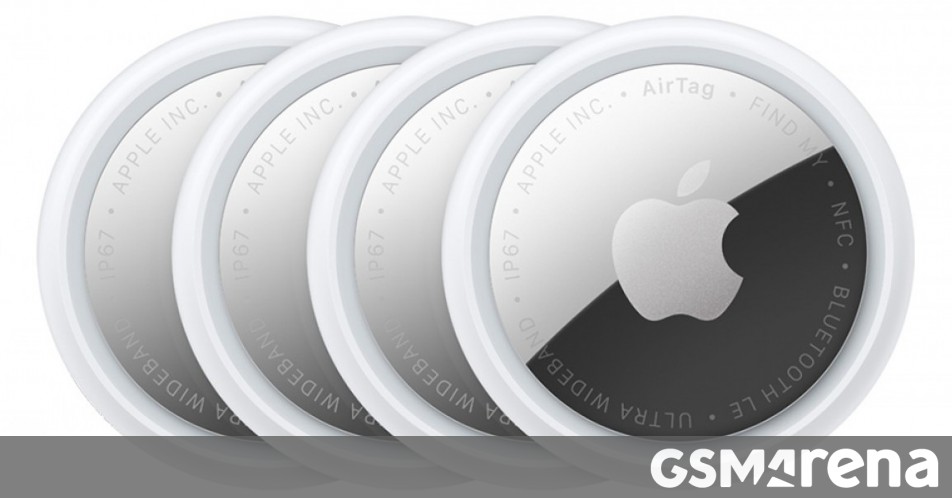
If you track your children's location using tech, you're not alone. A 2024 survey by Pew Research Center found that one in four parents monitor their kids' whereabouts using GPS. But is that private data safe? Consumer Reports evaluated 15 popular kid-tracking devices, and here's what they found. Overall, Apple's AirTags and Apple Watches, eufy's SmartTrack Link, and Garmin's Bounce performed well when it came to privacy and data security.
Privacy technologies
fromZDNET
1 month agoAs an Android user, these are the closest things to AirTags (and better in some ways)
The Loop works with Apple Find My and Google Find Hub Device networks, so it's compatible with hundreds of millions of smartphones out there, allowing you to find your lost items no matter where you are (which is handy when you leave your keys in a random riad in Marrakech... speaking from experience). So, how does the Loop differ from an AirTag? First, the battery is rechargeable, and when it needs topping up -- every six months or so -- you can use any handy USB-C cable.
Gadgets
fromElectronic Frontier Foundation
1 month agoNo One, Including Our Furry Friends, Will Be Safer in Ring's Surveillance Nightmare
Amazon Ring's Super Bowl ad offered a vision of our streets that should leave every person unsettled about the company's goals for disintegrating our privacy in public. In the ad, disguised as a heartfelt effort to reunite the lost dogs of the country with their innocent owners, the company previewed future surveillance of our streets: a world where biometric identification could be unleashed from consumer devices to identify, track, and locate anything - human, pet, and otherwise.
Privacy technologies
[ Load more ]