#wildfire-risk-reduction
#wildfire-risk-reduction
[ follow ]
#wildfires #climate-change #california #snowpack #wildfire #fire #emergency-response #wildfire-recovery #rebuilding

#wildfires


Environment
fromwww.theguardian.com
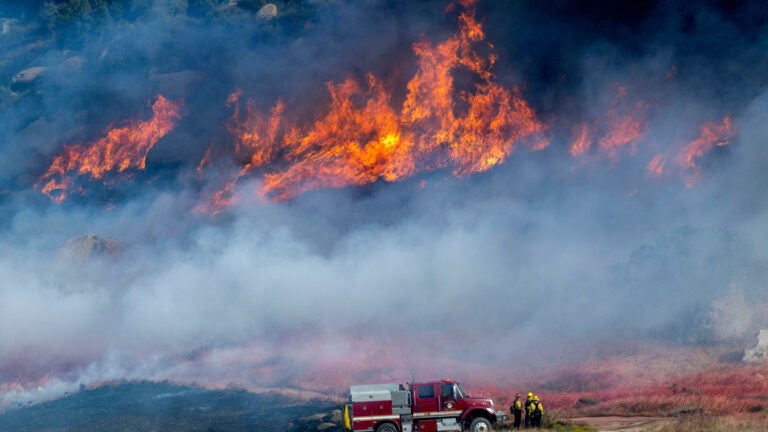
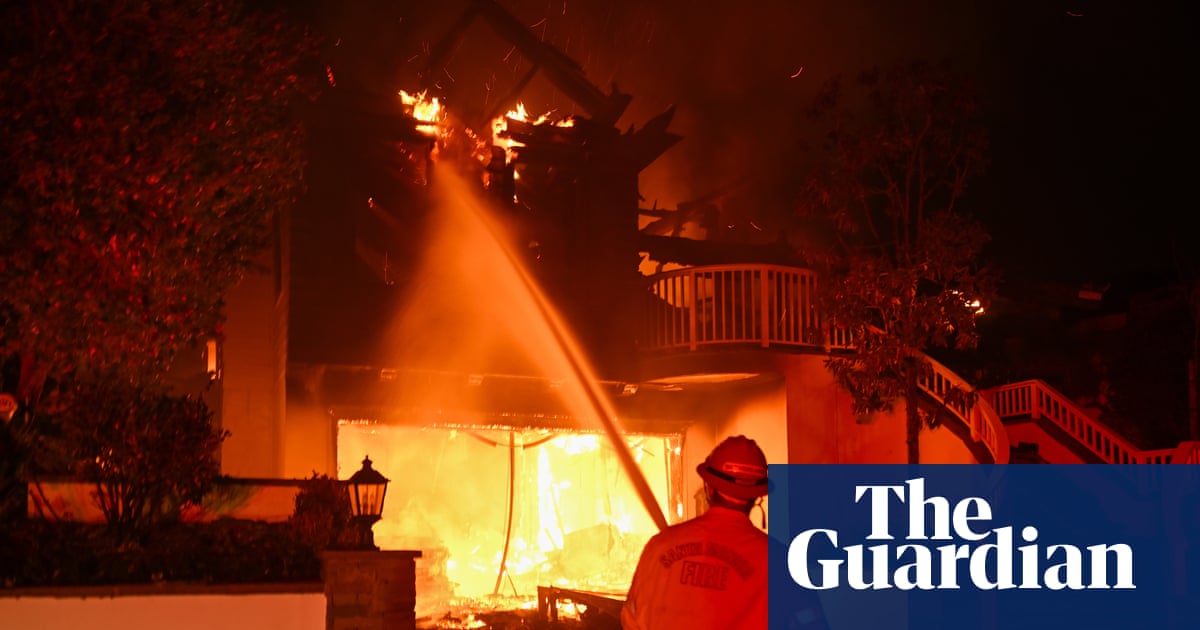
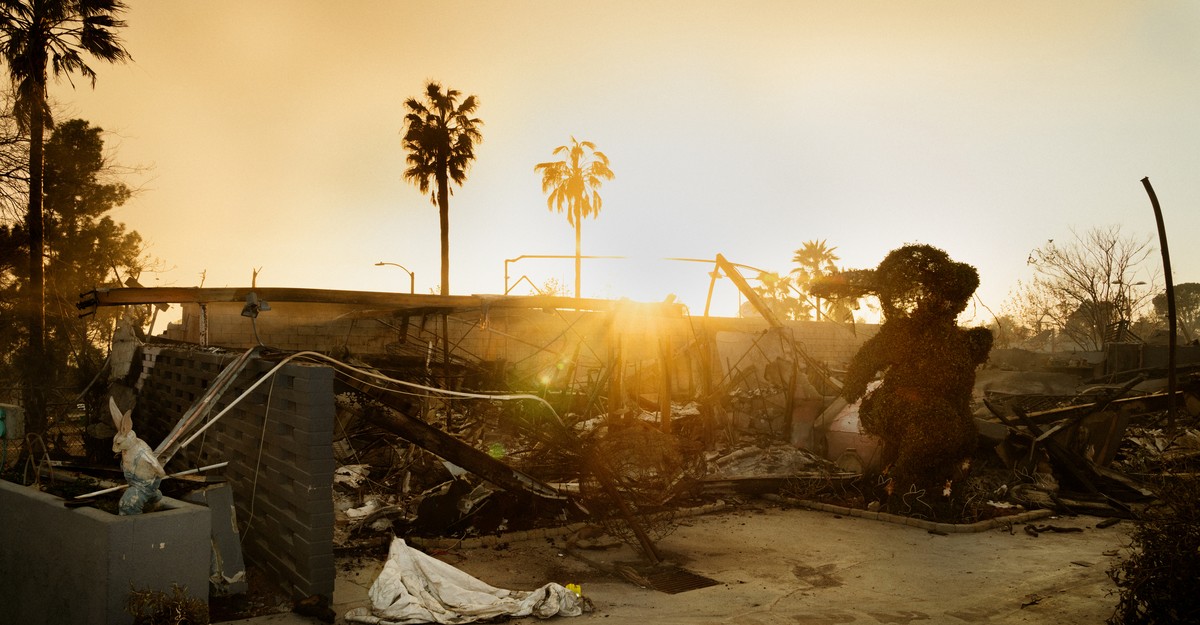
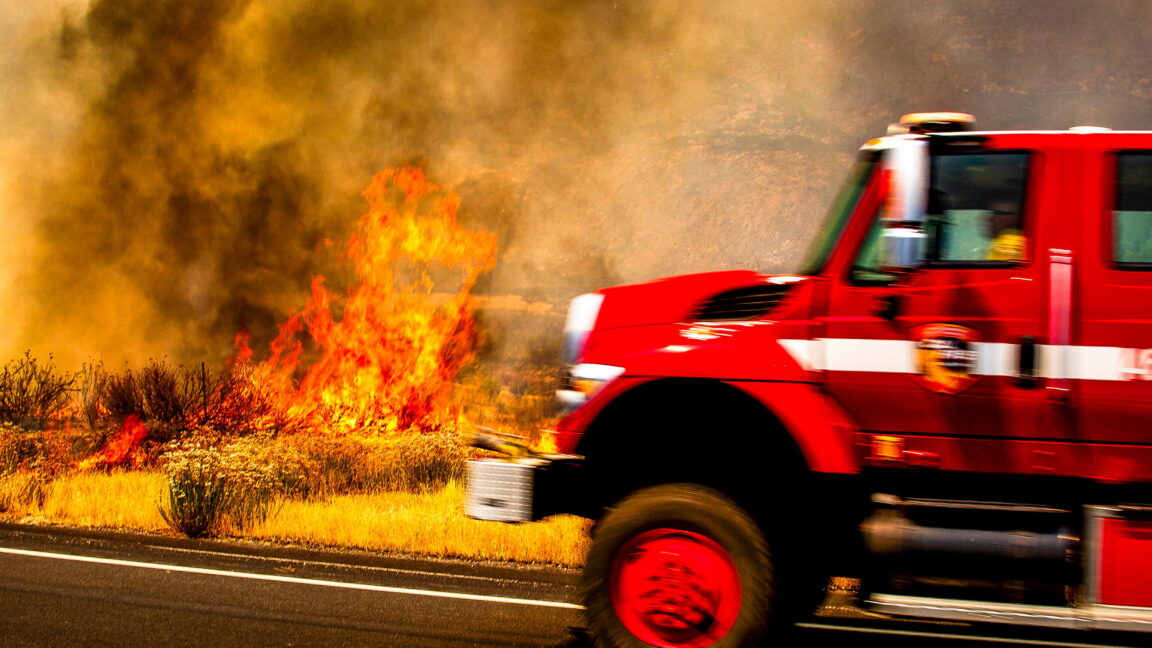
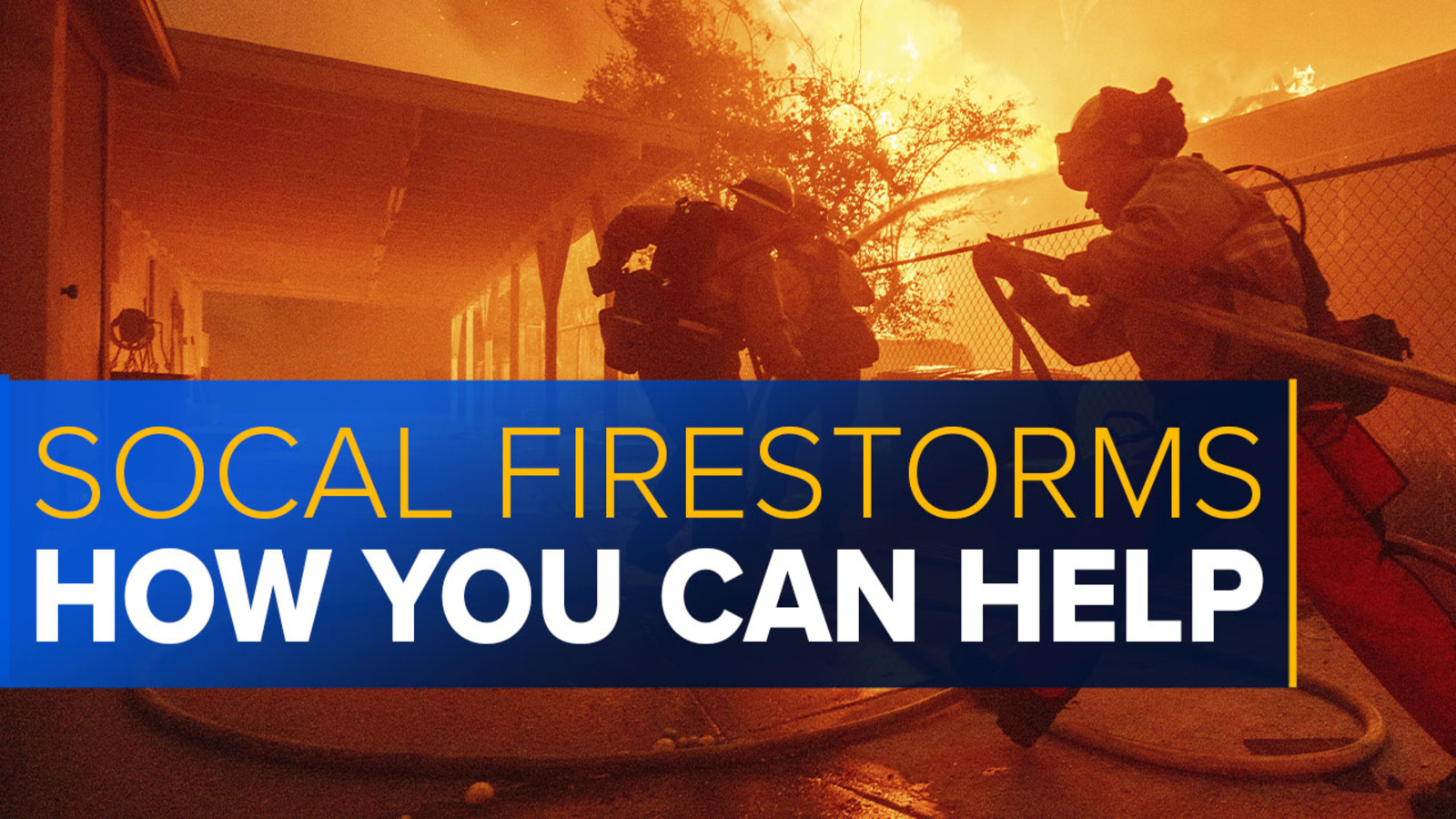
2 months agoThe Los Angeles wildfires were the perfect storm'. Is the city ready for the next one?
Unprecedented wildfires destroyed over 16,000 structures, killed 31 people, overwhelmed systems, left thousands displaced, and exposed critical failures in preparedness and emergency response.
fromHigh Country News
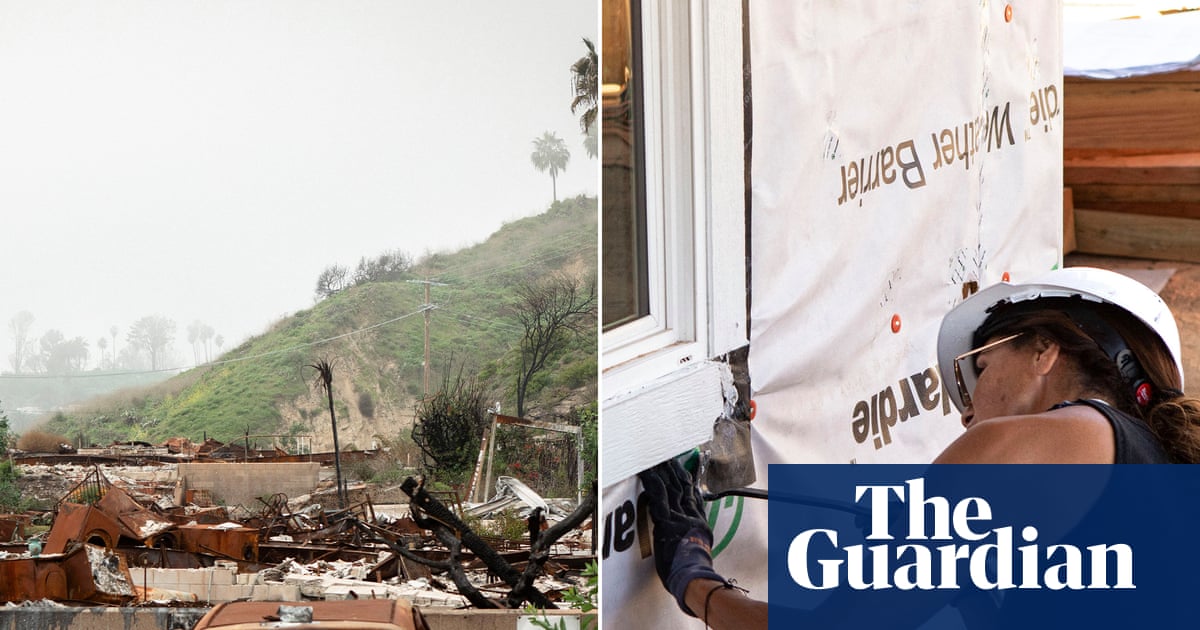
3 days agoForest Service overhaul sows confusion, concern - High Country News
"Nobody is asking for this. None of the farm groups want this. No one in conservation wants this. Nobody." Robert Bonnie, former Forest Service undersecretary, highlights widespread opposition to the reorganization.
Washington DC

fromABC7 San Francisco
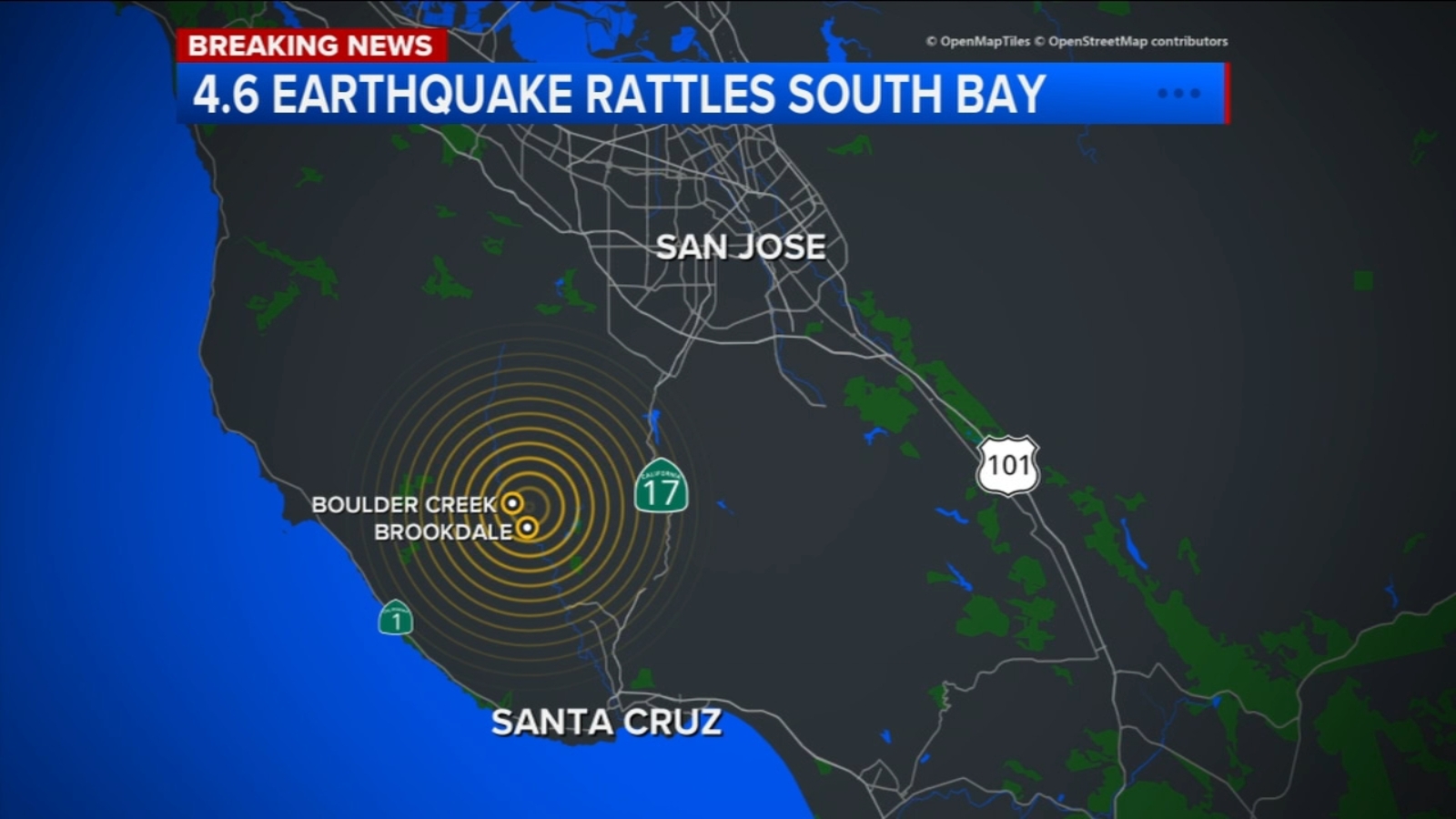
6 days agoBay Area weather radar network aims to improve storm forecasting, flood prep and drought planning
"This is going to help fill that gap in minutes to hours lead time that's vital to know where the heaviest rain is going to hit," Ralph said. "And when and what communities are going to be affected so people in the preparedness community and water resource management community can take action to help protect people's lives and property."
San Francisco
East Bay (California)
fromABC7 San Francisco
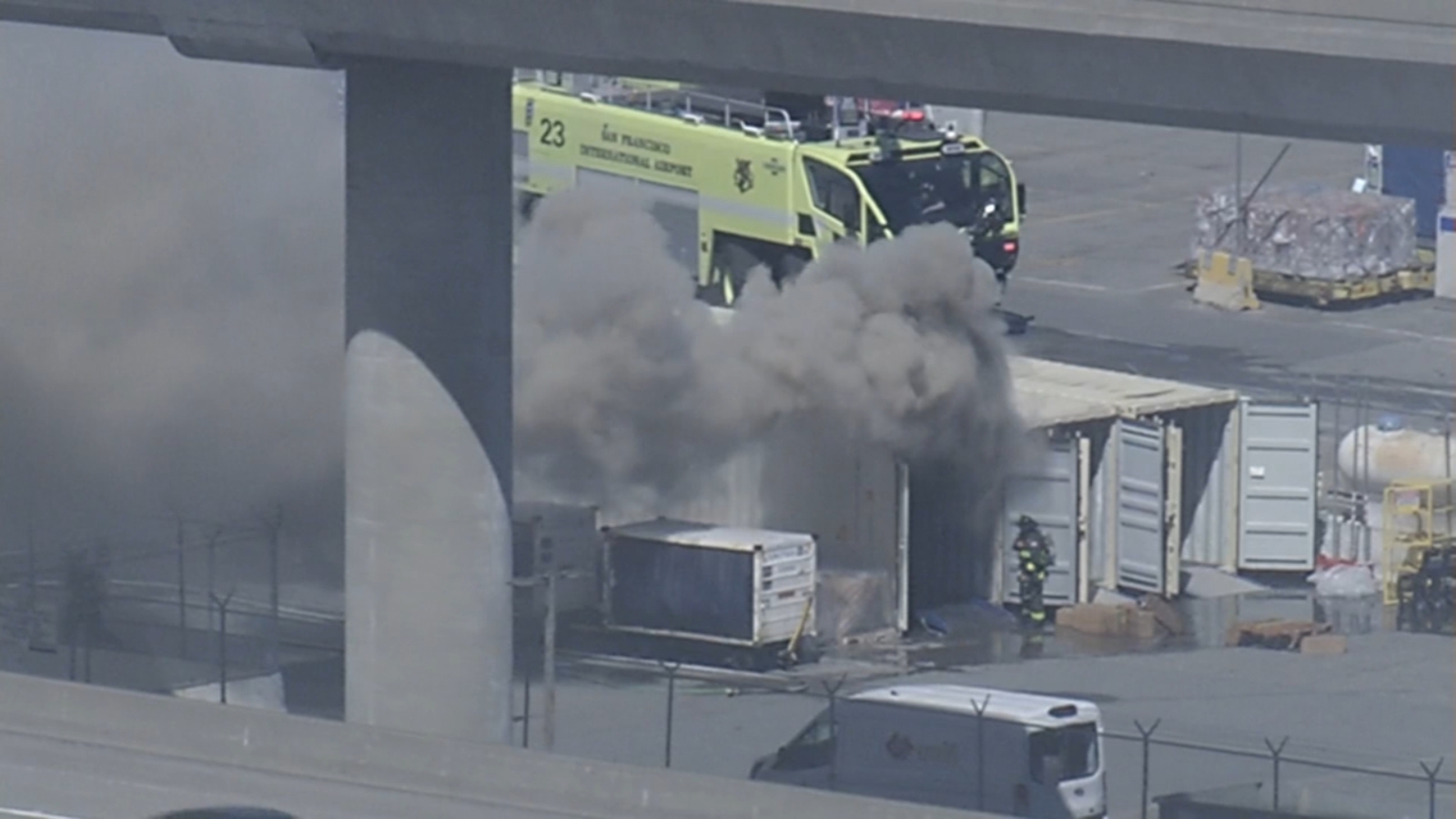
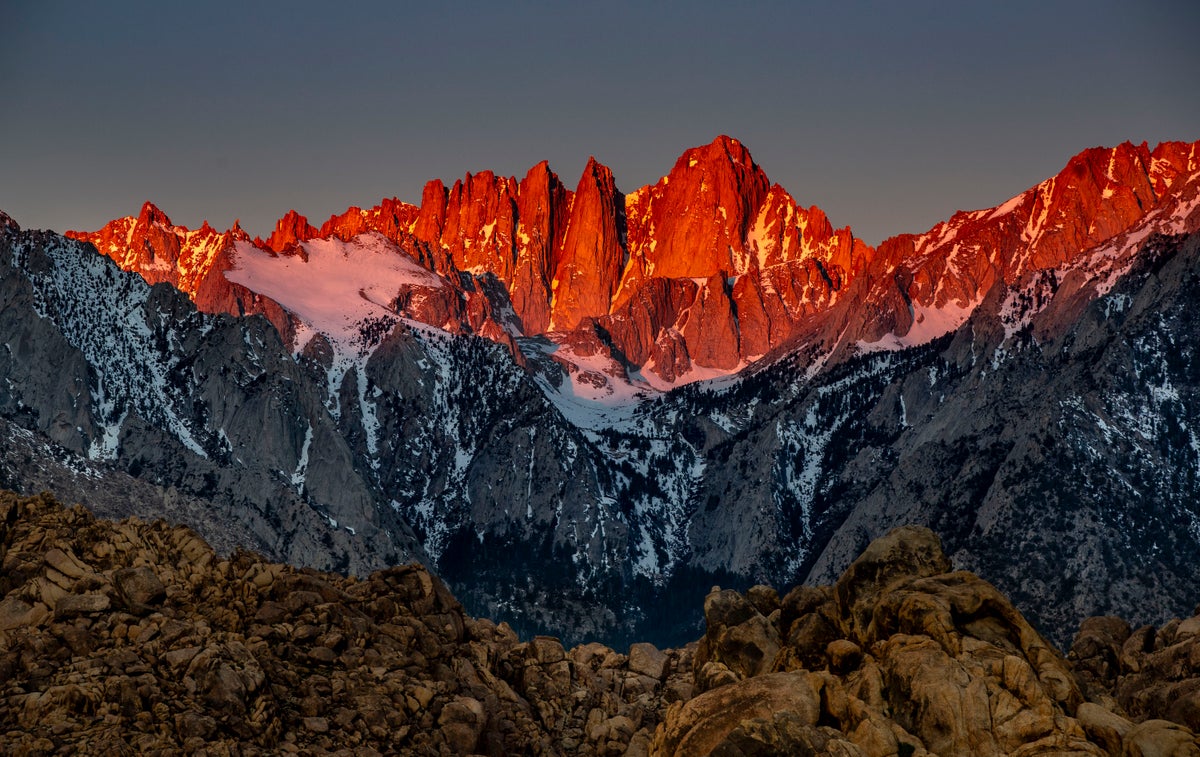
2 weeks agoBerkeley Hills fire raises concerns about inaccessible escape route due to locked gate
A two-alarm fire destroyed one Berkeley Hills home and damaged another, raising concerns about neighborhood evacuation routes when emergency exits were inaccessible.
#wildfire-prevention
California
fromLos Angeles Times
1 month agoLegislators eye new prevention efforts in fire-scarred California: 'A tipping point'
California legislators introduced a dozen bills to prevent wildfires and reduce damage following devastating January fires that killed 31 people and caused $250 billion in losses.
Environment
fromwww.theguardian.com
2 weeks agoCan culling your garden slow a wildfire? A California city pins its hopes on a contested plan
Homeowners in high-risk wildfire areas must remove flammable vegetation near their homes, including beloved plants, as part of new Zone 0 fire safety regulations requiring cleared space around structures.
Environment
fromLos Angeles Times
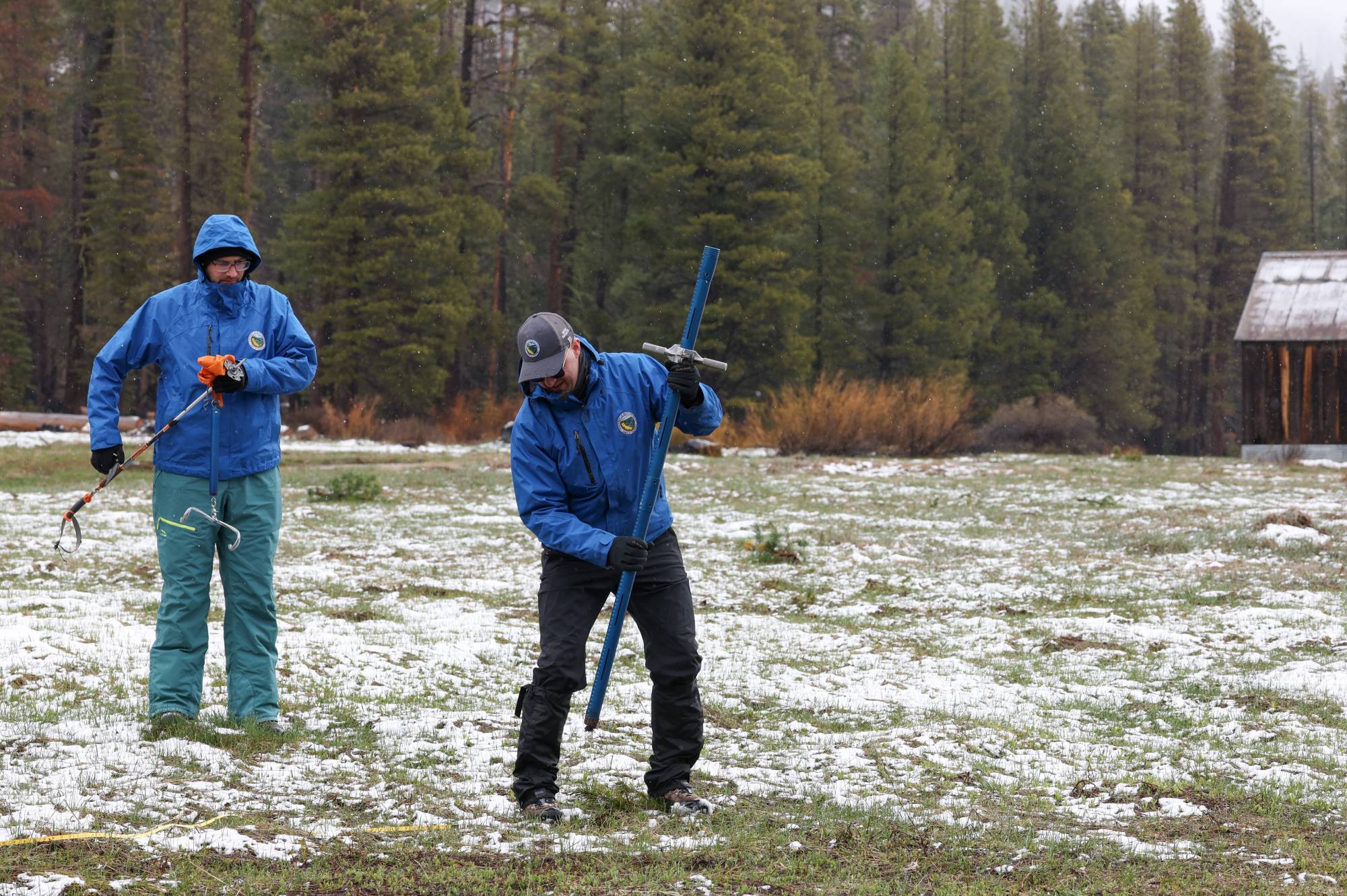
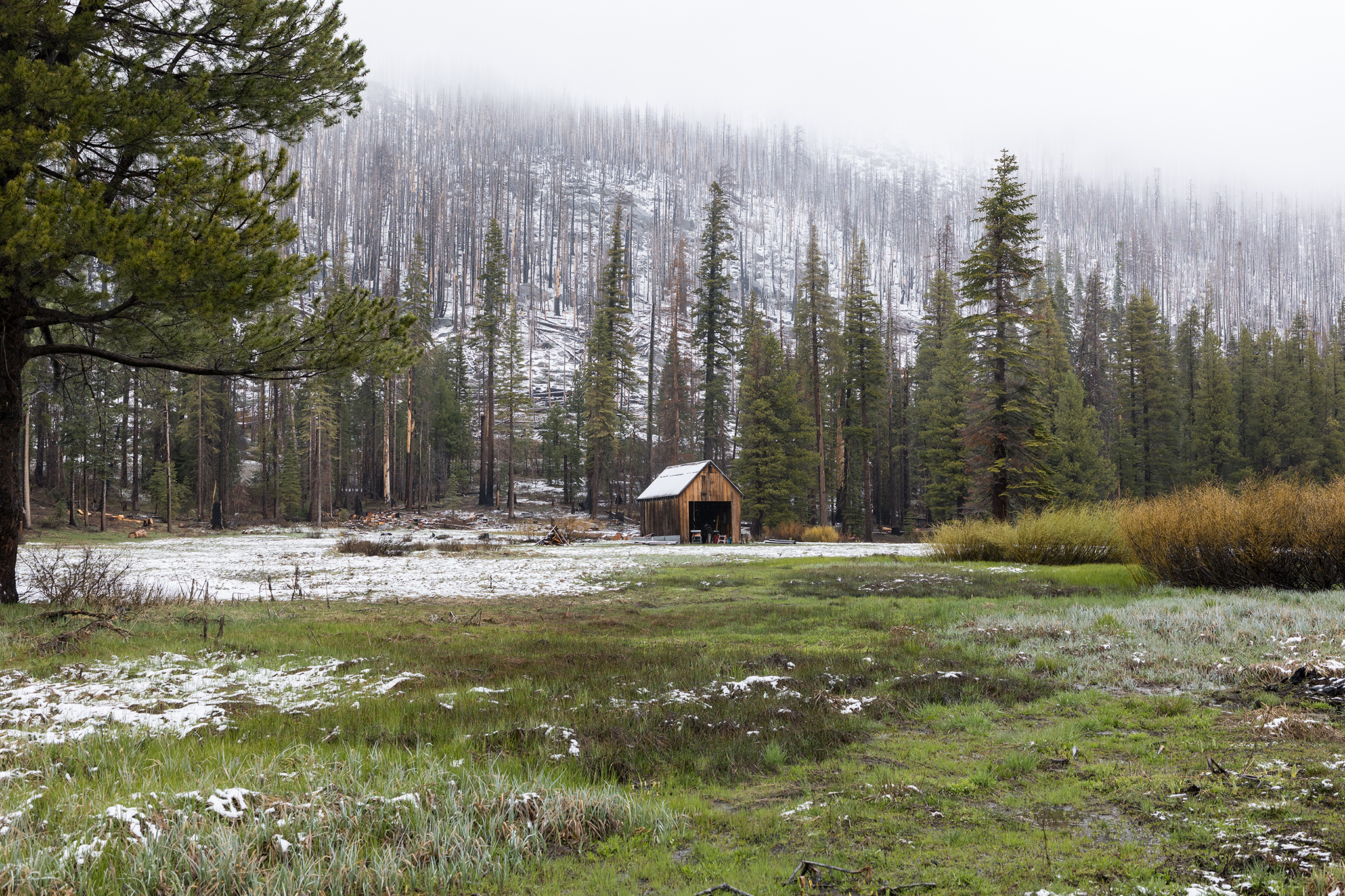
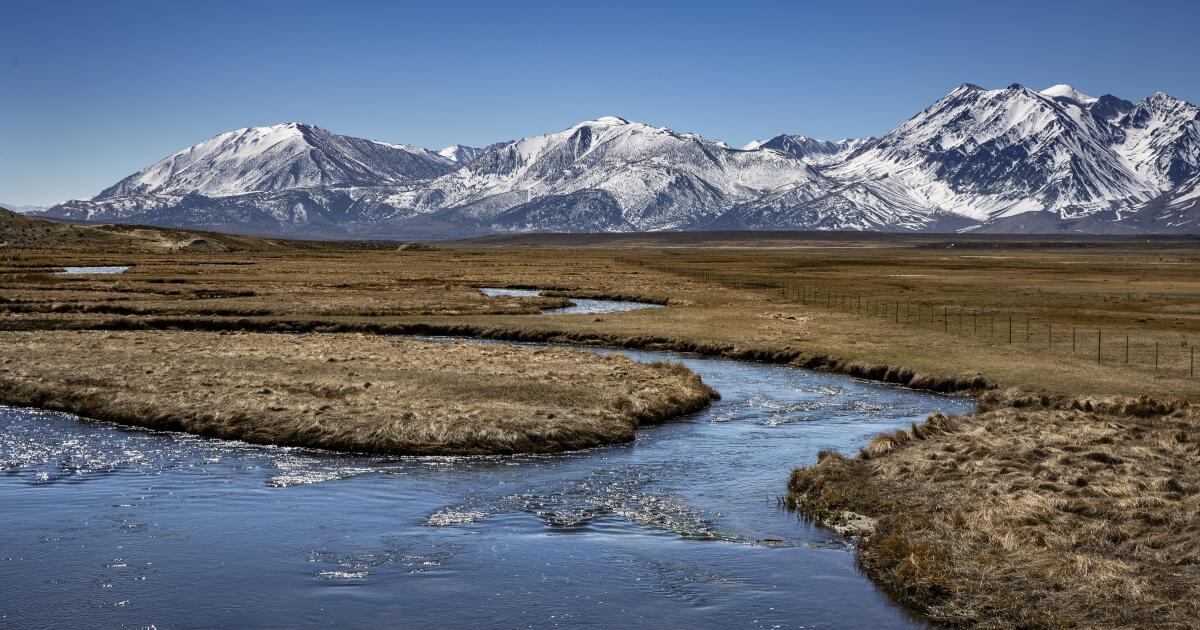
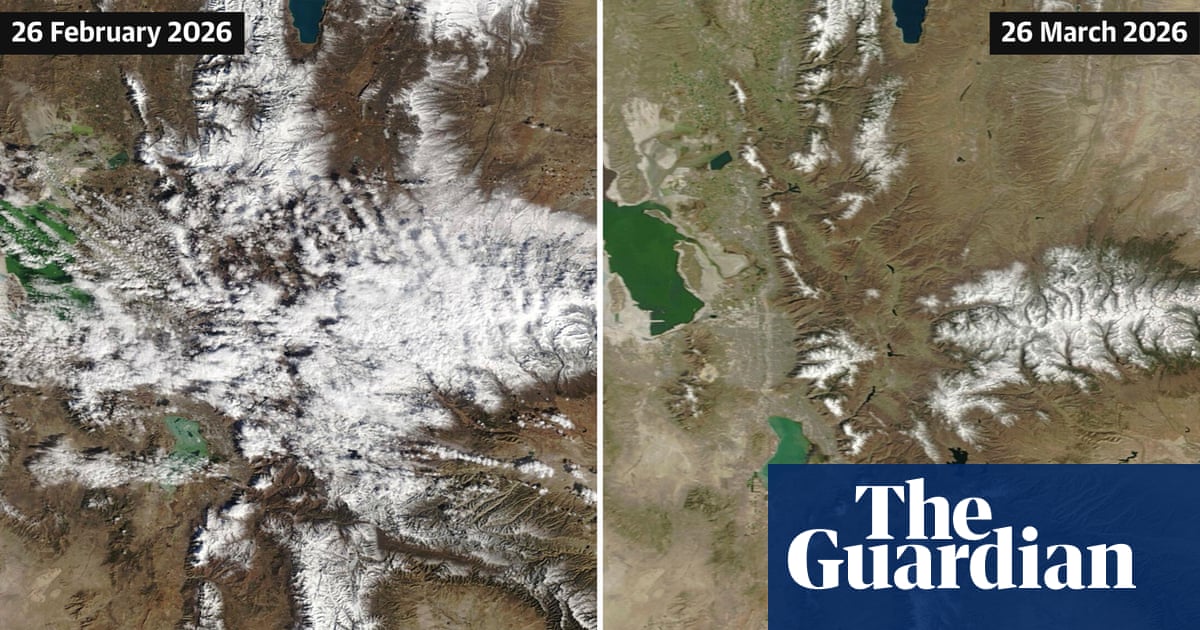
2 weeks agoCalifornia's snowpack was already meager. Now comes an extraordinary heat wave
California's Sierra Nevada snowpack is at 48% of average due to an extremely warm winter, with rapid melting accelerated by an incoming heat wave threatening the state's water supply.


Environment
fromEarth911
1 month agoGuest Idea: The Wildfire Season You're Not Prepared For
Extreme wildfire conditions caused by heat, drought, and wind alignment have nearly tripled globally over 45 years, with human-caused climate change responsible for over half this increase, making simultaneous extreme fire weather across multiple regions increasingly common.


fromLos Angeles Times
2 months agoA push to end a fractured approach to post-fire contamination removal
The patchwork efforts to identify and safely remove contamination left by the 2025 Eaton and Palisades fires has been akin to the Wild West. Experts have given conflicting guidance on best practices. Shortly after the fires, the federal government suddenly refused to adhere to California's decades-old post-fire soil-testing policy; California later considered following suit. Meanwhile, insurance companies have resisted remediation practices widely recommended by scientists for still-standing homes.
Public health





fromLos Angeles Times
2 months agoLeaked memo reveals California debated cutting wildfire soil testing before disaster chief's exit
One year ago, Nancy Ward, then the director of the California Governor's Office of Emergency Services (Cal OES), petitioned the Federal Emergency Management Agency to spearhead the cleanup of toxic ash and fire debris cloaking more than 12,000 homes across Los Angeles County. Although Ward's decision ensured the federal government would assume the bulk of disaster costs, it came with a major trade off.
California
fromLos Angeles Times
2 months agoCal Fire to probe Ventura County response to tractor blaze that reignited into Mountain fire
A week later, powerful Santa Ana winds arrived, picked up some bits of rubber from one of the tractor's scorched tires and carried them over the containment area into dry vegetation, bringing the fire back to life, according to investigators. The subsequent blaze, the Mountain fire, burned nearly 20,000 acres and destroyed roughly 250 homes and structures in Camarillo Hills and nearby communities in western Ventura County.
California
Environment
fromFast Company
2 months agoIn California, developers are building the country's first wildfire resilient neighborhoods
A Sacramento-area neighborhood uses IBHS Wildfire Prepared Neighborhoods standards to build ember-resistant homes and layout designs that reduce wildfire ignition and spread.
fromwww.bostonherald.com
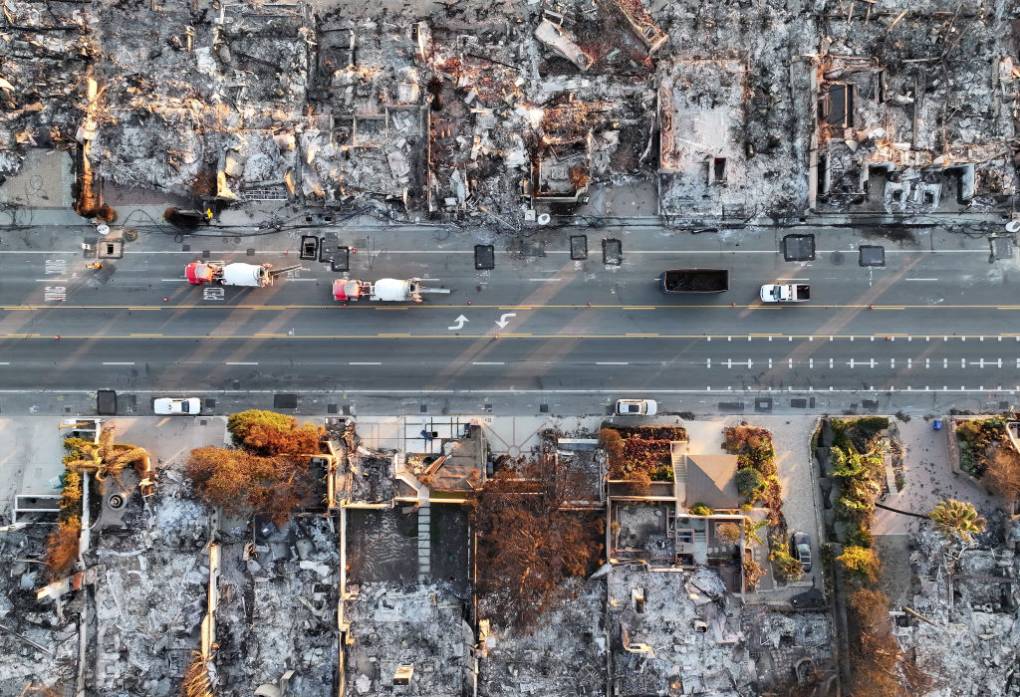
2 months agoA year after LA-area wildfires destroyed thousands of homes, fewer than a dozen have been rebuilt
Fewer than a dozen homes have been rebuilt in Los Angeles County since the Jan. 7, 2025, Palisades and Eaton fires erupted, killing 31 people and destroying about 13,000 homes and other residential properties. The fires burned for more than three weeks and clean-up efforts took about seven months. For those who had insurance, it's often not enough to cover the costs of construction. Relief organizations are stepping in to help, but progress is slow.
California
[ Load more ]